The Ultimate Keymaker
How Your Body Builds the Locks for Life's Chemical Keys
A journey into the silent conversation happening within your cells
Introduction: The Silent Conversation Within You
Right now, as you read this, a silent, intricate conversation is happening inside every one of your trillions of cells. It's a conversation conducted not with words, but with chemicals—hormones. These molecular messengers, like adrenaline, estrogen, and insulin, course through your bloodstream, delivering urgent memos: Grow now! Metabolize sugar! Feel awake!
But a message is useless without something to receive it. This is where the true stars of the show come in: hormone receptors. Think of them as highly specialized locks on the surface or inside of your cells. Hormones are the keys.
But how does your body know which locks to build, and where to place them? The development of these receptors is a masterclass in biological programming, a process so fundamental that without it, life as we know it would be impossible. Let's unravel the story of how you built the very system that allows you to grow, think, and feel.
The Blueprint: From Gene to Receptor
At its core, a hormone receptor is a protein. And like all proteins, its design is encoded in your DNA. The development of these receptors is a dance between your genetic blueprint and the signals from your environment.
Genetic Programming
Your genome contains the instructions for every type of hormone receptor you will ever have. Genes like the estrogen receptor gene (ESR1) or the thyroid hormone receptor gene (THRA) lie dormant in almost every cell, waiting for their cue to be "read."
Differentiation and Specialization
A liver cell needs insulin receptors to manage sugar, but a neuron doesn't. During embryonic development, through a process called cell differentiation, specific sets of genes are activated in specific cell types.
Critical Windows of Development
Receptor development isn't random; it happens in precise stages. The fetal stage, infancy, and puberty are critical periods where the precise timing and amount of receptor production can shape an individual's physiology for a lifetime.
Embryonic Stage
Foundational receptor patterns are established, setting the stage for organ development and function.
Infancy and Childhood
Receptor systems refine and adapt to the postnatal environment, influenced by nutrition and care.
Puberty
Massive reorganization of hormone receptors occurs, enabling sexual maturation and adult physiology.
Adulthood
Receptor systems maintain homeostasis but retain plasticity to adapt to changing conditions.
A Landmark Experiment: Proving Receptors Can Be "Imprinted"
How do we know that early life experiences can permanently shape our hormone receptors? One of the most compelling pieces of evidence comes from a classic series of experiments on stress receptors.
"The Rat Pup Lickings: A Tale of Nurture and Biology"
Background
Scientists wondered why some adults are more resilient to stress than others. They hypothesized that early life care might permanently alter the development of the brain's stress-response system, centered on receptors for the stress hormone cortisol (in rats) or corticosterone.
Methodology: A Step-by-Step Breakdown
Observation
Researchers observed that some mother rats were very attentive, frequently licking and grooming their pups, while others were more neglectful.
Grouping
Newborn rat pups were divided into two groups: those raised by High-Licking/Grooming (HLG) mothers and those raised by Low-Licking/Grooming (LLG) mothers.
The Intervention
To prove it was the mother's behavior causing the effect and not just genetics, researchers cross-fostered pups—placing pups from HLG mothers with LLG mothers and vice versa.
Analysis
When the pups grew into adults, the researchers examined their brains, specifically the hippocampus, a region rich in cortisol receptors.
Results and Analysis: The Scars of a Stressful Childhood
The results were striking. The adult rats that had received high levels of licking and grooming (whether from their biological or foster mother) had:
- A significantly higher number of cortisol receptors in their hippocampus.
- A more efficient stress-response system. With more receptors, the hippocampus could more effectively "put the brakes" on the stress response, shutting it down faster after a threat passed.
Conversely, the rats with low-licking mothers had fewer receptors and a sluggish shut-off mechanism, leading to prolonged stress hormone exposure.
Scientific Importance: This experiment provided powerful evidence that early life experience doesn't just change behavior; it physically alters the development of hormone receptors in the brain. It "programs" an individual's physiological response to stress for life. This epigenetic imprinting explains how nurture becomes biology .
Data Visualization
Stress Hormone Recovery
Time to return to baseline after stressor
Receptor Density
Cortisol receptor density in hippocampus
Behavioral Response
Time spent exploring novel environment
| Group | Peak Corticosterone Level | Time to Return to Baseline |
|---|---|---|
| High-Licking/Grooming | Lower | Significantly Faster |
| Low-Licking/Grooming | Higher | Significantly Slower |
Table 1: Stress Hormone Levels After a Mild Stressor
The Scientist's Toolkit: Building and Studying Receptors
How do researchers actually study something as tiny as a hormone receptor? Here are some of the essential tools in their kit.
Antibodies
Specially designed proteins that bind to a specific receptor like a homing missile. They can be tagged with fluorescent dyes to "light up" receptors under a microscope, revealing their location and quantity .
Radioactive Hormones
Hormones tagged with a tiny radioactive particle. By seeing where the radioactivity accumulates in a tissue sample, scientists can map exactly where the receptors are active.
Gene Knockout Models
Using technologies like CRISPR, scientists can deliberately "knock out" the gene for a specific receptor in lab animals. By observing what goes wrong, they can deduce the receptor's normal function.
Cell Cultures
Growing human or animal cells in a petri dish. This allows scientists to manipulate receptor development in a controlled environment, adding or blocking hormones and genes to see the direct effects.
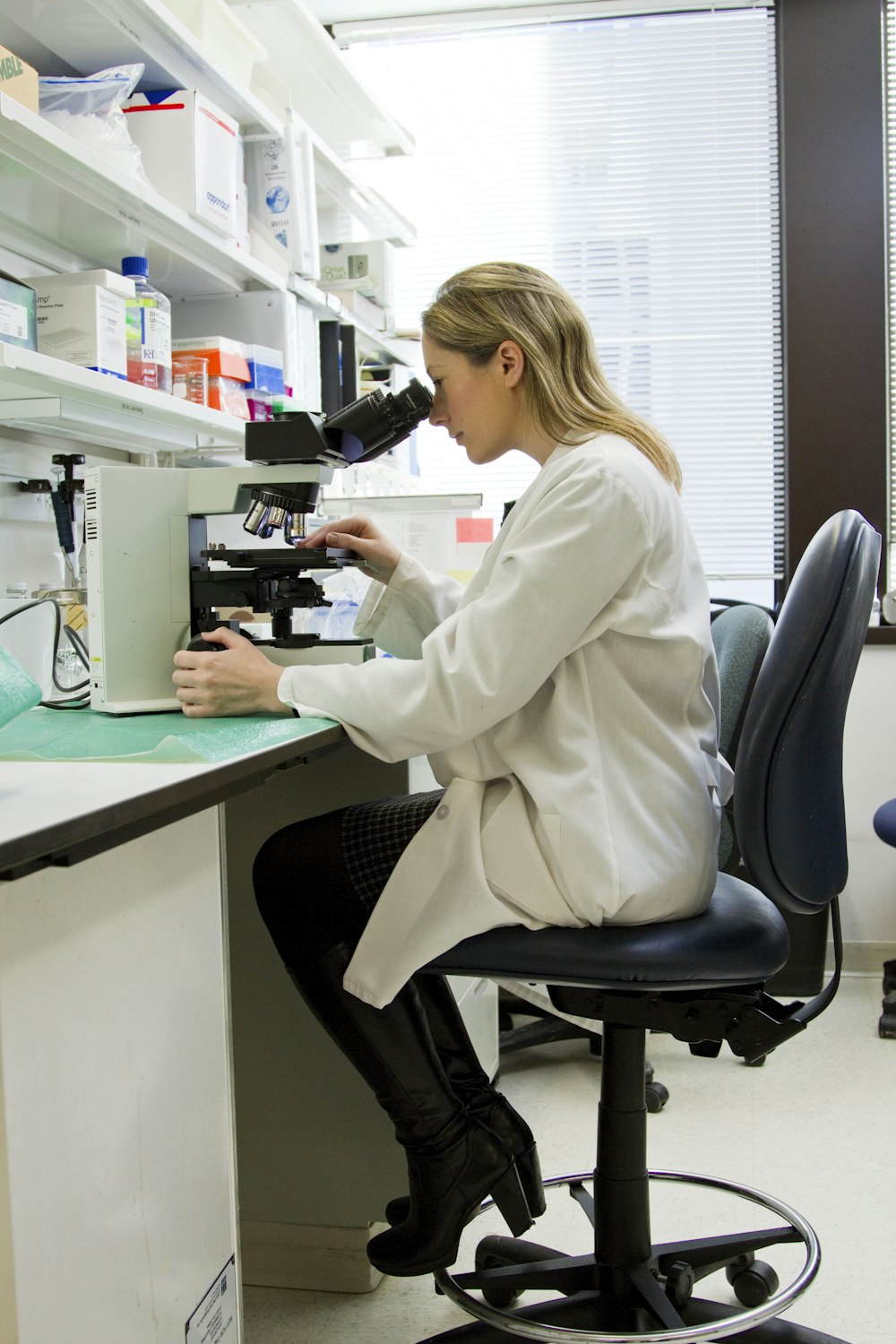
Modern laboratories use sophisticated tools to study hormone receptor development
Conclusion: The Lasting Legacy of Our Molecular Locks
The development of hormone receptors is far more than a simple biological process; it is the foundation of our individuality and our resilience. From the moment of conception, our genes and our experiences work in concert to craft the unique set of locks that will define our hormonal landscape.
This system, built in critical windows of development, influences our health, our metabolism, our stress levels, and even our behavior throughout our entire lives.
Understanding this process doesn't just solve a biological mystery; it offers profound insights. It teaches us that the care we give to infants and children is not merely emotional—it is biological, sculpting the very machinery that will allow them to thrive in a complex world. The development of these tiny cellular locks is, ultimately, a story about how we become who we are.
Early Development
The foundation for lifelong health is established during critical windows of receptor development.
Nurture Matters
Early care doesn't just shape behavior—it physically alters the development of hormone receptors.