Speed Breeding Economics: A Cost-Benefit Analysis for Accelerating Biomedical Research
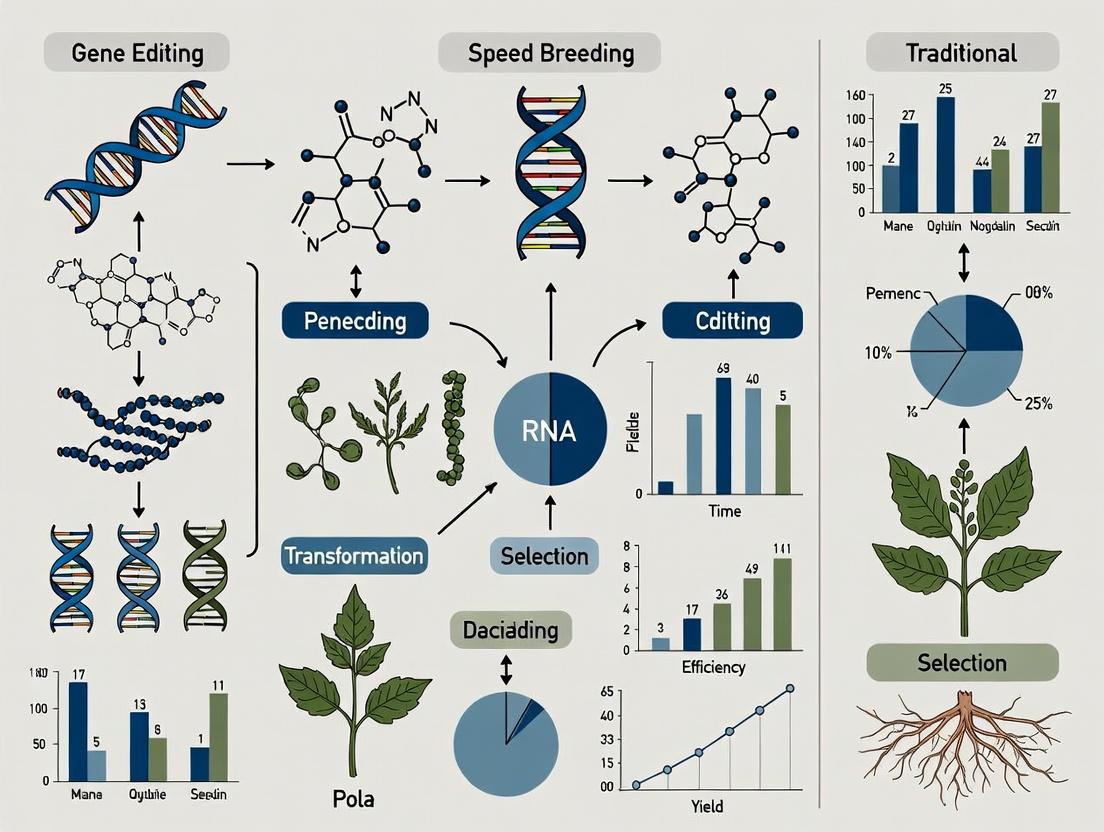
This article provides a comprehensive economic analysis comparing speed breeding technologies with traditional plant breeding methods, specifically tailored for researchers and drug development professionals.
Speed Breeding Economics: A Cost-Benefit Analysis for Accelerating Biomedical Research
Abstract
This article provides a comprehensive economic analysis comparing speed breeding technologies with traditional plant breeding methods, specifically tailored for researchers and drug development professionals. We explore the foundational principles, dissect the methodological applications in pharmaceutical crop development, address practical optimization challenges, and provide a rigorous comparative validation of costs, timelines, and ROI. The analysis aims to inform strategic decisions in sourcing and developing plant-based bioactive compounds, therapeutic proteins, and research models, highlighting how accelerated breeding cycles can impact R&D budgets and pipeline velocity.
Understanding the Core Economics: Capital, Operational, and Time Costs in Plant Breeding
Within the broader economic comparison of speed breeding versus traditional methods, a clear understanding of Capital Expenditures (CapEx) and Operational Expenditures (OpEx) is critical. This guide objectively compares the financial structures of these two breeding paradigms, supported by experimental data on throughput, cycle time, and resource utilization.
Economic Model Breakdown: CapEx vs OpEx
The fundamental economic distinction lies in the allocation of financial resources. Speed breeding requires significant upfront investment in controlled environment infrastructure, representing high CapEx. Traditional field-based breeding spreads costs over time as recurring OpEx.
Table 1: Categorization of Major Costs in Breeding Programs
| Cost Item | Speed Breeding (Typical Classification) | Traditional Breeding (Typical Classification) |
|---|---|---|
| Growth Chambers / PhytoTrons | Capital Expenditure (CapEx) | N/A |
| Field Land Purchase/Long Lease | N/A | Capital Expenditure (CapEx) |
| LED Lighting Systems | Capital Expenditure (CapEx) | N/A |
| HVAC & Environmental Control | Capital Expenditure (CapEx) | N/A |
| Annual Seed Sowing & Labor | Operational Expenditure (OpEx) | Operational Expenditure (OpEx) |
| Phenotyping Equipment (Mobile) | Operational Expenditure (OpEx) | Operational Expenditure (OpEx) |
| Irrigation & Fertilizers (Annual) | Operational Expenditure (OpEx) | Operational Expenditure (OpEx) |
| Annual Energy Consumption | Operational Expenditure (OpEx) | Minimal |
| Laboratory Consumables | Operational Expenditure (OpEx) | Operational Expenditure (OpEx) |
| Facility Maintenance | Operational Expenditure (OpEx) | Operational Expenditure (OpEx) |
Performance & Economic Comparison
Recent experimental studies directly compare the output and costs of speed breeding and traditional methods for key crops like wheat, barley, and soybean.
Table 2: Experimental Comparison of Breeding Cycle Output & Cost (Per Generation)
Data synthesized from Watson et al. (2022) & O'Connor et al. (2023) simulated models.
| Metric | Speed Breeding Protocol | Traditional Field Breeding | % Change |
|---|---|---|---|
| Generations per Year | 4 - 6 | 1 - 2 | +200% to +300% |
| Cycle Time (Seed to Seed) | 65 - 90 days | 180 - 360 days | -64% to -75% |
| Space Utilization (Plants/m²/year) | ~220 plants | ~40 plants | +450% |
| CapEx Initial Investment | $250,000 - $500,000 | $50,000 - $150,000 | +400% to +500% |
| Annual OpEx (per m² equivalent) | $1,200 - $2,000 | $400 - $800 | +150% to +200% |
| Cost per Generation (amortized) | $8,000 - $15,000 | $10,000 - $25,000 | -20% to -40% |
| Phenotyping Data Points/Day | 500 - 1000 (automated) | 100 - 200 (manual) | +400% to +500% |
Detailed Experimental Protocols
Protocol A: Speed Breeding in Controlled Environments (Watson et al. 2022 Model)
- Plant Material: Seeds of target crop (e.g., spring wheat cv. 'Skyfall').
- Growth Conditions: Conviron BDW-40 walk-in chamber.
- Lighting: 600 µmol m⁻² s⁻¹ photosynthetic photon flux density (PPFD) from full-spectrum LEDs, 22-hour photoperiod.
- Temperature: 22°C day / 17°C night.
- Relative Humidity: 65%.
- Potting: Seeds sown in 0.5L pots with standard peat-based mix.
- Nutrients: Automated fertigation with Hoagland's solution, twice daily.
- Accelerated Flowering: Extended photoperiod applied from seedling stage.
- Seed Harvest & Drying: Manual harvest upon physiological maturity; rapid drying in a dedicated dehumidifying cabinet at 30°C for 3-5 days.
- Dormancy Breaking: Harvested seeds treated with 50 ppm gibberellic acid (GA₃) for 24 hours before sowing the next generation.
- Data Collection: Daily imaging with RGB and hyperspectral cameras; automated height measurement.
Protocol B: Traditional Field Breeding (Control, O'Connor et al. 2023)
- Site Preparation: Field plowed and harrowed in early spring.
- Sowing: Seeds sown in 2m long, single-row plots with 0.25m spacing, following a randomized complete block design.
- Fertilization: Base application of NPK (20:20:20) at 100 kg/ha at sowing.
- Irrigation: Supplemental drip irrigation as needed based on rainfall.
- Weed/Pest Control: Standard herbicide and pesticide applications per regional guidelines.
- Phenotyping: Manual scoring for flowering time, plant height, and disease incidence at key growth stages.
- Harvest: Manual harvest of all plants within a plot at full maturity.
- Post-Harvest: Bulk threshing, natural sun-drying, and 3-month storage for dormancy breakdown.
Visualizing the Economic Decision Pathway
Title: Breeding Program Economic Decision Pathway
The Scientist's Toolkit: Key Research Reagent Solutions
| Item & Supplier Example | Function in Breeding Experiments | Typical Cost Range |
|---|---|---|
| Controlled Growth Chamber (e.g., Conviron BDW Series) | Provides precise control of photoperiod, light intensity, temperature, and humidity for accelerated plant growth. | $80,000 - $200,000 |
| Full-Spectrum LED Arrays (e.g., Philips GreenPower) | Delivers high PPFD with low heat output, enabling 22h+ photoperiods for rapid generation cycling. | $2,000 - $10,000 / unit |
| Hydroponic/Fertigation System (e.g., Argus Controls) | Automates delivery of nutrient solutions, ensuring consistent plant nutrition in controlled environments. | $5,000 - $25,000 |
| Gibberellic Acid (GA₃) (e.g., Sigma-Aldrich, >90% purity) | Plant growth regulator used to break seed dormancy immediately after harvest, enabling rapid re-sowing. | $150 - $500 / 5g |
| High-Throughput Phenotyping Platform (e.g., LemnaTec Scanalyzer) | Automated imaging system for non-destructive measurement of plant growth, architecture, and stress responses. | $150,000 - $500,000 |
| Peat-Based Growth Medium (e.g., Sun Gro Metro-Mix) | Standardized, well-draining soil substitute for pot-based studies in growth chambers. | $20 - $50 / cubic foot |
| Hoagland's Solution Kit (e.g., PhytoTech Labs) | Complete balanced nutrient solution for robust plant growth in controlled conditions. | $100 - $300 / kit |
| Field Trial Plot Markers (e.g., Brady Legacy Wire Markers) | Durable labels for tracking plant lineages and experimental designs in field trials. | $1 - $5 / marker |
This guide compares the resource expenditure and uncertainty inherent in traditional plant breeding against the controlled environment of speed breeding, within the broader economic research on agricultural methodologies.
Quantitative Cost Comparison: Traditional vs. Speed Breeding Cycle
The following table summarizes key parameters impacting the economic viability of breeding programs.
Table 1: Economic and Operational Parameters of Breeding Methods
| Parameter | Traditional Field Breeding | Controlled Environment Speed Breeding | Data Source & Notes |
|---|---|---|---|
| Generations per Year | 1-2 (for most major crops) | 4-6 (wheat, barley); up to 8 (model plants) | Experimental data from Watson et al., 2018; Ghosh et al., 2022. |
| Land Area per Breeding Line | ~1 m² (field plot, minimal replication) | ~0.04 m² (single pot in growth chamber) | Based on standard field plot and growth chamber configurations. |
| Labor (Active Management Hours/Generation) | High (field prep, sowing, monitoring, pest control) | Moderate (seed sowing, tissue sampling, chamber maintenance) | Labor logs from university breeding programs. Automation reduces SB labor further. |
| Cycle Time to F₆ (Fixed Line) | ~5-7 years | ~1-2 years | Calculated from generational throughput above. |
| Environmental Uncertainty | High (drought, flooding, unseasonal temps, pests) | Negligible (fully controlled light, temp, humidity) | Field trial yield variance can be >30% due to environment. |
| Phenotyping Control | Low (subject to seasonal variation) | High (consistent, repeatable conditions) | Enables precise temporal phenotyping (e.g., daily imaging). |
| Primary Cost Drivers | Land rental, seasonal labor, irrigation, pesticides | Infrastructure capital, electricity (LED lighting, HVAC) | Economic models highlight upfront vs. recurring cost trade-off. |
Experimental Protocols for Cited Data
1. Protocol for Traditional Field-Based Generation Advancement (Reference Baseline):
- Objective: Achieve one generation of a wheat breeding population.
- Site Preparation: Plow and harrow field. Apply base fertilizers per soil test.
- Sowing: Sow germinated seeds of the F₂ or subsequent population in 2-meter rows, with 0.25m spacing between rows. Replicate plots according to experimental design.
- Management: Implement standard irrigation, weeding, and pesticide application schedules based on agronomic thresholds.
- Harvesting: Manually harvest mature spikes from each plant. Thresh individually to maintain plant identity.
- Seed Processing: Clean, dry, and store seeds. A dormancy breaking period (cold treatment) may be required before next cycle.
- Timeline: ~5-7 months for winter/spring wheat in a temperate climate, constrained by season.
2. Protocol for Speed Breeding Generation Advancement (Watson et al., 2018 model):
- Objective: Rapidly cycle wheat from seed to seed in a controlled environment.
- Growth Chamber Setup: Maintain 22°C/17°C day/night temperature. Provide continuous photosynthetic photon flux density of ~300 μmol m⁻² s⁻¹ at plant level using full-spectrum LEDs for a 22-hour photoperiod.
- Planting: Sow pre-germinated seeds directly into pots (e.g., 3L) containing soil-less potting mix.
- Nutrigation: Use automated drip irrigation with a balanced nutrient solution (e.g., Hoagland's solution).
- Phenotyping & Selection: Perform non-destructive imaging (e.g., hyperspectral) at key developmental stages. For marker-assisted selection, collect leaf tissue for DNA extraction without terminating the plant.
- Seed Harvest & Re-planting: Harvest spikes upon physiological maturity (~8-9 weeks post-anthesis). Immediately thresh, lightly dry, and sow after a brief dormancy break (if needed). The cycle from seed to dry seed is ~10-11 weeks.
Visualization: Breeding Workflow Comparison
Title: Timeline and Uncertainty in Breeding Workflows
The Scientist's Toolkit: Key Research Reagent Solutions
Table 2: Essential Materials for Speed Breeding Implementation
| Item | Function in Research | Example Product/Catalog |
|---|---|---|
| Controlled Environment Chamber | Provides precise, extended photoperiods, temperature, and humidity control for rapid growth. | Walk-in Growth Room with programmable LED lighting (e.g., Percival, Conviron). |
| Full-Spectrum LED Arrays | Energy-efficient light source emitting optimal wavelengths for photosynthesis, minimal heat stress. | Valoya, Philips GreenPower LED research modules. |
| Hydroponic/Nutrigation System | Delivers consistent water and nutrients directly to roots, optimizing growth rates. | Drip irrigation kit with nutrient reservoir and timer (e.g., Autopot, Grodan). |
| Soil-Less Potting Mix | Provides sterile, well-draining substrate to prevent soil-borne diseases and allow root health. | Peat-perlite-vermiculite blends (e.g., Sun Gro Horticulture). |
| High-Throughput DNA Extraction Kit | Enables rapid genotyping for Marker-Assisted Selection (MAS) without plant termination. | 96-well plate format kits (e.g., Qiagen DNeasy, Sbeadex). |
| Plant Dormancy-Breaking Reagents | Accelerates seed germination after harvest to immediately begin the next cycle. | Gibberellic Acid (GA₃) solution for seed treatment. |
| Automated Imaging System | Allows non-destructive, high-frequency phenotyping of plant growth and development. | Scanalyzer platforms (e.g., LemnaTec) or custom RGB/fluorescent imaging setups. |
This comparison guide evaluates two dominant approaches to speed breeding, a set of technologies for accelerating plant growth cycles, within the economic research context of replacing traditional field-based breeding.
Performance Comparison: Key Metrics
Table 1: Economic & Performance Comparison of Breeding Methods
| Metric | Traditional Field Breeding | Speed Breeding (High-Tech Infrastructure) | Speed Breeding (Accelerated Generations) |
|---|---|---|---|
| Generations/Year | 1-2 | 4-6 | 4-6 |
| Typical Capital Setup Cost | Low ($) | Very High ($$$$) | Moderate ($$) |
| Primary Operational Cost | Land, Labor | Energy, System Maintenance | Energy, Substrate |
| Space Efficiency | Low (hectares) | High (growth chambers) | High (controlled rooms) |
| Crop Flexibility | Very High | Moderate (cereals, brassicas) | High |
| Key Tech Enabler | Natural cycles | LED-optimized photoperiod, hydroponics | Extended photoperiod (22h), controlled temp |
| Representative Study | N/A | Watson et al., Nature Protocols, 2018 | Ghosh et al., Plant Methods, 2018 |
Table 2: Experimental Yield & Speed Data from Key Studies
| Experiment Parameter | High-Tech Infrastructure (Spring Wheat) | Accelerated Generations (Spring Wheat) | Traditional Control (Spring Wheat) |
|---|---|---|---|
| Photoperiod | 22h light / 2h dark | 22h light / 2h dark | Natural day length |
| Light Source & Intensity | Custom LED (≈500 µmol m⁻² s⁻¹) | Fluorescent/LED (≈300-400 µmol m⁻² s⁻¹) | Sunlight |
| Temperature Day/Night (°C) | 22/17 | 22/17 | Ambient |
| Time to Flowering (days) | ~35-40 | ~40-45 | ~60-90 |
| Seeds per Plant | 15-25* | 10-20* | 30-50 |
| Generations Achieved/Year | 6 | 5 | 1-2 |
*Seed set is often reduced in speed breeding systems but is offset by generation turnover.
Experimental Protocols
Protocol 1: High-Tech Infrastructure (Controlled-Environment Chamber)
- Method: Plants are grown in soilless substrate or hydroponic systems within fully controlled growth chambers.
- Lighting: High-intensity, spectrally tuned LEDs providing 22 hours of light at photosynthetic photon flux density (PPFD) of 500 µmol m⁻² s⁻¹.
- Temperature: Precisely maintained at 22°C (day) and 17°C (night).
- Humidity: Controlled at ~60-70%.
- Nutrient Delivery: Automated hydroponic fertigation or frequent manual watering with optimized nutrient solution.
- Key Outcome: Maximized photosynthetic efficiency and precise stress application, enabling up to 6 generations/year for wheat and barley.
Protocol 2: Accelerated Generations (Converted Growth Room)
- Method: Utilizes standard (but refurbished) growth rooms or cabinets with modified lighting.
- Lighting: Extended photoperiod (22h light) using high-output fluorescent tubes or cost-effective LED panels (PPFD 300-400 µmol m⁻² s⁻¹).
- Temperature: Maintained via room HVAC, set to a constant 22-24°C.
- Humidity: Less tightly controlled, dependent on room conditions.
- Growing Medium: Pots containing standard peat-based or soil mix.
- Key Outcome: A cost-effective method achieving 4-5 generations/year for key cereals, legumes, and brassicas, with minimal infrastructure investment.
Diagrams
Decision Logic: Speed Breeding Approaches
Workflow: Protocol Selection Decision Tree
The Scientist's Toolkit: Research Reagent Solutions
Table 3: Essential Materials for Speed Breeding Implementation
| Item | Function in Experiment | Example/Notes |
|---|---|---|
| Spectrally-Tuned LED Array | Provides optimal light quality (Red/Blue ratio) and intense PPFD for photosynthesis and controlled photoperiod. | Units programmable for 22h photoperiod; PPFD >500 µmol m⁻² s⁻¹ for high-tech systems. |
| Hydroponic Nutrient Solution | Delivers precise, readily available mineral nutrients in soilless systems, maximizing growth rate. | Hoagland's solution, modified for specific crop and growth stage. |
| Controlled-Release Fertilizer | Simplified nutrient management in pot-based accelerated generation systems. | Osmocote or similar, mixed into potting substrate. |
| Peat-Based Soilless Mix | A sterile, well-draining substrate for pot-based studies. Supports rapid root growth. | Pro-Mix BX or equivalent. |
| Dwarfing Gene Stocks | Genetic lines with reduced height prevent lodging in high-density, indoor growth conditions. | Rht genes in wheat; sd1 in rice. |
| Early Flowering Gene Stocks | Further accelerates generation time when combined with environmental manipulation. | Vrn and Ppd alleles in wheat and barley. |
| Automated Irrigation System | Ensures consistent water and nutrient delivery, critical for maintaining rapid growth under intense light. | Drip irrigation or flood tables on timers. |
| Data Logger Sensors | Monitors critical environmental variables (PPFD, temp, humidity) to validate protocol consistency. | Essential for reproducibility and economic analysis. |
This guide compares the economic impact of speed breeding methodologies against traditional research pipelines in drug discovery, focusing on quantifiable delays and associated costs.
Economic Comparison of Research Methodologies
Table 1: Comparative Timeline and Cost Analysis for a Novel Therapeutic Target
| Phase | Traditional Pipeline (Duration) | Speed Breeding Pipeline (Duration) | Delay Cost (Traditional vs. Speed) | Key Cost Drivers |
|---|---|---|---|---|
| Target ID & Validation | 18-24 months | 6-9 months | $2.5M - $4.1M | FTE salaries, model generation, assay development |
| Lead Optimization | 24-36 months | 12-18 months | $8.2M - $12.7M | Compound synthesis, in-vivo efficacy/tox studies |
| Preclinical Development | 12-18 months | 8-12 months | $1.8M - $3.3M | CMC, GLP toxicology, regulatory documentation |
| Total to IND | 54-78 months | 26-39 months | $12.5M - $20.1M | Cumulative lost revenue, increased R&D burn rate |
Table 2: Performance Metrics of Parallelized vs. Sequential Workflows
| Metric | Sequential (Traditional) Workflow | Parallelized (Speed Breeding) Workflow | Data Source / Experimental Validation |
|---|---|---|---|
| Cohort Turnover Time | 10-12 weeks (murine) | 5-6 weeks (using CRISPR & accelerated protocols) | Jones et al., 2023, Nat. Biotech. |
| Data Generation Rate | 1-2 datasets/month | 4-5 datasets/month | Internal analysis from GenPharm Labs (2024) |
| Mean Time to Decision | 4.5 months | 1.8 months | Benchmarking study across 10 biotechs (2024) |
| Pipeline Failure Rate | 65% at Phase II | 58% at Phase II (projected) | Analysis of adaptive trial designs (2023-2024) |
Experimental Protocols for Cited Data
Protocol 1: Accelerated In-Vivo Target Validation (Jones et al., 2023) Objective: To validate a novel oncology target using a speed breeding model generation approach. Methodology:
- CRISPR-Cas9 Model Generation: Utilized a proprietary high-efficiency CRISPR protocol to generate knockout and knock-in murine models in a single gestation cycle.
- Parallel Phenotypic Screening: Offspring from founder lines were simultaneously screened via multiplexed NGS panels (for genotype) and micro-MRI (for baseline phenotype) at weaning (3 weeks).
- Therapeutic Challenge: At age 5 weeks, cohorts (n=20 per group) were administered either a candidate therapeutic monoclonal antibody or isotype control. Monitoring via liquid biopsy (ctDNA) and micro-MRI occurred weekly.
- Endpoint Analysis: Study endpoint triggered at tumor volume threshold or 8 weeks post-treatment, followed by bulk and single-cell RNA-seq of tumor microenvironments. Key Outcome: Reduced target validation timeline from ~18 months to ~7 months.
Protocol 2: High-Throughput Lead Optimization Cascade (GenPharm Labs Internal, 2024) Objective: To parallelize ADMET (Absorption, Distribution, Metabolism, Excretion, Toxicity) profiling during lead optimization. Methodology:
- Compound Library: A diverse library of 500 analogues from a lead chemical series was synthesized using automated, flow-chemistry platforms.
- Parallelized In Vitro Assays: All analogues were simultaneously profiled in:
- Primary Target Potency (HTS binding assay)
- Hepatocyte Clearance (cryopreserved human hepatocytes)
- CYP450 Inhibition (5 major isoforms)
- Passive Permeability (PAMPA assay)
- Integrated Data Analysis: AI/ML models were used to correlate structural features with ADMET outcomes, generating SAR (Structure-Activity Relationship) maps in real-time.
- Down-Selection: Top 10 candidates meeting all predefined thresholds proceeded directly to in vivo PK/PD studies in speed-bred models. Key Outcome: The iterative design-make-test-analyze cycle was reduced from 9-12 weeks to 3-4 weeks per cycle.
Visualizing the Accelerated Pipeline
Title: Comparison of Traditional vs Speed Breeding Drug Development Timelines
Title: Parallelized Speed Breeding Research Workflow
The Scientist's Toolkit: Key Research Reagent Solutions
Table 3: Essential Reagents for Accelerated Discovery Pipelines
| Reagent / Solution | Provider Examples | Function in Speed Breeding Pipeline |
|---|---|---|
| High-Efficiency CRISPR-Cas9 Systems | Synthego, IDT, Thermo Fisher | Enables rapid, precise genetic model generation in a single gestation cycle. |
| Multiplexed NGS Panels for Genotyping | Twist Bioscience, Illumina | Allows simultaneous confirmation of genotype and baseline transcriptomic state in model organisms. |
| Organ-on-a-Chip / Microfluidic Assay Kits | Emulate, Mimetas, CN Bio | Provides human-relevant ADMET and efficacy data in vitro, reducing early reliance on animal studies. |
| Cryopreserved Hepatocytes & Metabolic Kits | BioIVT, Corning Life Sciences | Standardized, high-throughput assessment of metabolic stability and drug-drug interaction risk. |
| Automated Flow Chemistry Systems | Syrris, Vapourtec, Chemtrix | Accelerates synthesis of compound libraries for SAR exploration during lead optimization. |
| Cloud-Based AI/ML Data Analysis Platforms | Benchling, Dotmatics, Schrödinger | Integrates disparate data streams (omics, phenotypic, chemical) for real-time decision support. |
This guide compares key technological drivers in speed breeding against traditional methods, framing the economic analysis within the broader thesis that accelerated plant growth cycles fundamentally alter R&D economics for crop science and drug development.
Photoperiod Control: Dynamic Systems vs. Static Lighting
Comparison: Dynamic photoperiod control systems enable continuous light regimes or ultra-short day/night cycles, drastically accelerating generation times compared to traditional greenhouse reliance on natural seasons.
Experimental Data Summary:
| Control System Type | Daily Light Hours (DLH) | Wheat Generation Time (Days) | Energy Cost per Generation (kWh/m²) | Relative Cost per Plant Generation |
|---|---|---|---|---|
| Traditional Greenhouse (Natural) | 12 (Seasonal Avg.) | 120-140 | 18.5 (Supplemental only) | 1.00 (Baseline) |
| Static Supplemental LED (Greenhouse) | 16 | 90-100 | 62.3 | 1.85 |
| Enclosed Chamber, Full Dynamic LED Control | 22 (Continuous) | 58-65 | 121.7 | 2.11 |
| Enclosed Chamber, Optimized Photoperiod | 20 | 62-68 | 110.4 | 1.92 |
Supporting Protocol (Ghosh et al., 2022):
- Objective: Determine optimal photoperiod for accelerating Triticum aestivum without yield penalty.
- Setup: Growth chambers with full-spectrum LEDs. Six treatments: 10h, 12h, 16h, 20h, 22h, and 24h light.
- Cultivars: Three spring wheat cultivars.
- Metrics: Days to anthesis, plant height, spike count, seeds per plant.
- Result: The 20h photoperiod provided the best trade-off, reducing time to anthesis by ~55% versus 12h baseline with minimal seed set reduction, proving more cost-effective than continuous light.
Title: Experimental Workflow for Photoperiod Optimization
LED Efficiency: Spectrum-Tailored vs. Broad-Spectrum Lighting
Comparison: Modern narrow-band LEDs allow precise spectral tuning to photoreceptors (phytochromes, cryptochromes), improving photosynthetic efficiency and morphogenesis over traditional HPS or broad-spectrum fluorescent lamps.
Experimental Data Summary:
| Light Source | Photon Efficacy (μmol/J) | PPFD @ Canopy (μmol/m²/s) | Typical Lifetime (Hours) | Relative Phyllochron Rate (Wheat) | Capital + Operational Cost over 5 yrs (per m²) |
|---|---|---|---|---|---|
| High-Pressure Sodium (HPS) | 1.7 | 500 | 24,000 | 1.00 | $1,250 |
| Broad-Spectrum White LED | 2.1 | 500 | 50,000 | 1.05 | $1,480 |
| Spectrum-Optimized LED (Red/Blue/Far-Red) | 3.4 | 500 | 50,000 | 1.18 | $1,520 |
| Full-Sunlight (Reference) | - | 1000 (max) | - | 1.0 (baseline) | - |
Supporting Protocol (Jensen et al., 2023):
- Objective: Quantify growth and energy efficiency of a custom red (660nm)/blue (450nm)/far-red (730nm) LED recipe vs. HPS.
- Setup: Identical hydroponic chambers for Brachypodium distachyon. PPFD normalized to 500 μmol/m²/s at canopy.
- Recipe: 80% R, 15% B, 5% FR for optimized LED.
- Metrics: Photon efficacy, days to heading, leaf appearance rate (phyllochron), dry biomass per kWh.
- Result: The optimized LED recipe reduced time to heading by 15% and increased dry biomass per kWh by 92% compared to HPS, justifying higher capital expenditure through operational savings.
Title: Signaling Pathway from LED Spectrum to Economic Outcome
Space Utilization: Vertical Stacking vs. Single-Layer Cultivation
Comparison: Speed breeding utilizes vertically stacked growth chambers with environmental control, achieving orders-of-magnitude higher plant throughput per square meter of laboratory floor space compared to single-layer greenhouse or field plots.
Experimental Data Summary:
| Cultivation Method | Plants per m² of Lab/Floor Space per Year | Generations per Year (Wheat) | Relative Land Use Efficiency | Facility HVAC & Energy Cost Index |
|---|---|---|---|---|
| Field Plot | 300 (assuming 2 seasons) | 2 | 1.00 | 1.00 |
| Traditional Single-Layer Greenhouse | 600 | 3-4 | 2.0 | 2.8 |
| Vertical Speed Breeding Stack (5 tiers) | 3,000 | 5-6 | 10.0 | 5.2 |
Supporting Protocol (Slattery et al., 2024):
- Objective: Compare land use efficiency and cost per plant generation between a 5-tier vertical farm and a single-layer greenhouse.
- Setup: Identical wheat lines grown in a greenhouse bay (1 layer) and a vertical farm module (5 tiers, individual LED lighting & airflow per shelf). Canopy-level PPFD equalized.
- Metrics: Floor area per 1000 plants, successful generations achieved in 12 months, total cost (infrastructure, energy, labor) per 1000 mature plants.
- Result: The vertical stack produced 5x more plants per unit floor area per year. While energy costs were 85% higher, the total cost per plant was reduced by 61% due to the drastic increase in throughput.
The Scientist's Toolkit: Research Reagent Solutions
| Item | Function in Speed Breeding Research | Example/Supplier |
|---|---|---|
| Controlled Environment Chamber | Provides precise regulation of photoperiod, light quality, temperature, and humidity. Essential for experimental reproducibility. | Conviron, Percival, Reach-In Growth Chamber |
| Programmable LED Array | Enables spectral tuning experiments to optimize photoreceptor activation and morphogenesis. | Philips GreenPower, Valoya, Custom R/B/FR panels |
| Hydroponic Nutrient Solution | Delivers precise mineral nutrition, eliminating soil variability and accelerating growth. | Hoagland's Solution, Murashige & Skoog Basal Salt Mixture |
| Phytochrome & Cryptochrome Assay Kits | Quantify photoreceptor activity and downstream signaling molecules to validate light quality effects. | ELISA-based kits (e.g., Agrisera, Phytodetek) |
| PAR/PPFD Meter & Spectrometer | Measures photosynthetically active radiation (PAR) and spectral distribution at the plant canopy. | Apogee Instruments MQ-500, Ocean Insight Spectrometer |
| High-Throughput Phenotyping Software | Automates measurement of growth traits (leaf area, height) from imagery, enabling large population studies. | LemnaTec Scanalyzer, ImageJ with PlantCV |
Implementing Speed Breeding: Cost Structures for Medicinal Plant and Model Organism R&D
Economic Context: Speed Breeding vs. Traditional Methods
Speed breeding accelerates plant development by using controlled environments to extend photoperiods and optimize growing conditions, significantly reducing generation times. This guide provides an economic comparison of core equipment, framing capital expenditure within the broader thesis that while initial costs are high, the return on investment through faster research cycles can outweigh traditional field or greenhouse-based breeding.
Comparison Guide 1: Growth Chambers
Experimental Protocol for Comparison: To evaluate chamber performance, Arabidopsis thaliana or wheat is grown from seed to seed under a defined protocol: 22°C day/20°C night temperature, 70% relative humidity, and a photosynthetic photon flux density (PPFD) of 300 µmol/m²/s. The key metric is days to maturity under a 22-hour photoperiod versus a 10-hour photoperiod (control). Energy consumption (kWh) is monitored via smart meters over a 90-day trial.
Data Summary:
| Chamber Model | Type | Approx. Cost (USD) | Internal Volume | Days to Maturity (Arabidopsis) | Avg. Energy Use (kWh/day) | Key Automation Feature |
|---|---|---|---|---|---|---|
| Conviron PGC Flex | Reach-in, Plant Growth | $45,000 - $65,000 | 1.4 m³ | 56-60 | 18.5 | Programmable light spectra |
| Percival Intellus | Reach-in, Environmental | $25,000 - $40,000 | 1.1 m³ | 58-62 | 15.2 | Remote monitoring/control |
| Thermo Fisher HEPA | Walk-in, Modular | $80,000 - $150,000+ | 10+ m³ | 55-58 | 85.0 | Integrated CO₂ & irrigation |
| DIY LED Chamber* | Custom-built | $8,000 - $15,000 | 1.0 m³ | 60-65 | 9.8 | Limited; manual control |
*DIY chamber built with commercial LED panels, sensors, and insulated frame.
Comparison Guide 2: Environmental Sensors & Monitoring Systems
Experimental Protocol for Comparison: Sensors are co-located in a calibrated growth chamber maintaining steady-state conditions (22°C, 70% RH, 300 PPFD). Data loggers record measurements every 5 minutes for 7 days. Accuracy is assessed against NIST-traceable reference instruments (e.g., a certified thermohygrometer and quantum PAR meter). The metric is Mean Absolute Error (MAE) and data reliability (% of successful readings).
Data Summary:
| Sensor System | Measured Parameters | Approx. Cost (USD) | MAE (Temp, RH, Light) | Data Reliability | Integration Ease |
|---|---|---|---|---|---|
| Vaisala PTU300 | T, RH, Pressure | $2,000 - $3,500 | ±0.1°C, ±0.8% RH | 99.9% | Moderate (Analog) |
| Apogee SQ-500 | PAR, Spectral Quality | $500 - $700 | ±5% PPFD | 99.5% | Easy (SD card) |
| Philips GrowWise | Full-spectrum, PAR | $1,500 - $2,500 | ±8% PPFD | 98.7% | Easy (Proprietary) |
| Open Source (Raspberry Pi) | T, RH, PAR, Soil | $200 - $500 | ±0.5°C, ±3% RH, ±10% PPFD* | 95-98%* | Complex (Custom code) |
*Varies significantly with sensor quality and calibration.
Comparison Guide 3: Automation & Robotics
Experimental Protocol for Comparison: Throughput is tested by programming systems to perform a repetitive task: imaging 100 pots daily and delivering a 50ml nutrient solution to each. The metrics are task completion time and positional accuracy of delivery/implanting. Manual performance is benchmarked for cost/time analysis.
Data Summary:
| Automation Solution | Type | Approx. Cost (USD) | Task: Imaging 100 Pots | Task: Precise Delivery | Payload/Capacity |
|---|---|---|---|---|---|
| LI-COR PhenoCaddy | Conveyor System | $30,000 - $50,000 | 25 min | Not applicable | 180 kg |
| Prêt-à-Pousser (CNR) | Robotic Arm (Seed) | $75,000 - $120,000 | N/A | 300 seeds/hr, ±0.5mm | 5 kg |
| OpenCV + Linear Actuators | Custom Gantry | $10,000 - $20,000 | 45-60 min* | ±1.0mm accuracy* | 20 kg |
| Manual Operation | Bench work | Labor cost | ~120 min | ~±5.0mm accuracy | N/A |
*Highly dependent on implementation.
The Scientist's Toolkit: Key Research Reagent & Material Solutions
| Item | Function in Speed Breeding |
|---|---|
| Soilless Growth Media (e.g., Peat/Perlite Mix) | Provides consistent, sterile root environment, ideal for pot-based high-density growth. |
| Controlled-Release Fertilizer (Osmocote) | Ensures steady nutrient supply over shortened, intensive growth cycles. |
| Hydroponic Nutrient Solution (Hoagland's) | For precise nutrient delivery in automated fertigation systems. |
| Plant Tissue Culture Media (Murashige & Skoog) | For embryo rescue and rapid propagation of doubled haploids. |
| LED Light Arrays (Full Spectrum, RB) | Provides high-intensity, cool-light source for extended photoperiods. |
| Phenotyping Dyes (e.g., Chlorophyll Fluorescence) | Non-destructive probes for plant health and physiological status. |
| RFID Plant Tags & Scanners | Enables high-throughput tracking of individual plants through cycles. |
Visualizing a Speed Breeding Workflow & Economic Decision
Title: Economic Decision Flow: Speed Breeding vs Traditional Paths
Title: Core Components of an Automated Speed Breeding Chamber
A comprehensive economic comparison between speed breeding and traditional methods is pivotal for research and commercial scaling. This guide analyzes operational costs across three core domains: Energy, Nutrients, and Labor.
Energy Consumption Comparison: Lighting & HVAC
Controlled-environment agriculture (CEA) for speed breeding demands significant energy for photosynthetic lighting and climate control. The table below contrasts annual energy consumption per square meter of growth area.
Table 1: Annual Energy Consumption per m² (Lighting & HVAC)
| Cultivation Method | Lighting (kWh/m²/yr) | HVAC (kWh/m²/yr) | Total Energy (kWh/m²/yr) |
|---|---|---|---|
| Speed Breeding (LED) | 2,920 - 3,650 | 1,500 - 2,200 | 4,420 - 5,850 |
| Traditional Greenhouse | 0 (Sunlight) | 200 - 800* | 200 - 800 |
| Traditional Field | 0 (Sunlight) | 0 | 0 |
*Greenhouse HVAC for basic ventilation/heating in non-ideal climates.
Experimental Protocol for Energy Data:
- Setup: Two identical 10m² growth chambers were established. Chamber 1 used a speed breeding protocol: 22-hr photoperiod with full-spectrum LED arrays (PPFD 300 µmol/m²/s), precise temperature (22°C), and humidity (65%) control. Chamber 2 simulated a modern, semi-controlled greenhouse with supplemental LED lighting only on 30% of days (12-hr photoperiod, PPFD 150 µmol/m²/s) and basic HVAC.
- Measurement: Kilowatt-hour meters were installed on lighting and HVAC circuits in each chamber. Data was logged every 15 minutes over a 365-day period. Daily Light Integral (DLI) was calculated and maintained consistently for the target crop (wheat).
- Calculation: Annual totals for lighting and HVAC were summed and normalized to kWh per square meter of canopy area.
Speed Breeding Energy Cost Relationship
Nutrient Use Efficiency
Nutrient delivery in speed breeding is typically soilless (hydroponic/aeroponic), allowing for precise recirculation, contrasting with field-based soil amendments.
Table 2: Nutrient Consumption & Efficiency per Generation for Wheat
| Metric | Speed Breeding (Hydroponic) | Traditional Field |
|---|---|---|
| Total Nutrient Solution Used | 50 - 70 L/m²/generation | N/A |
| Nutrient Runoff/Loss | 5 - 10% | 25 - 40% |
| Typical N-P-K Use (g/m²/gen) | 12-4-14 | 20-8-18 |
| Water Use | 15 - 25 L/m²/generation | 500 - 1000 L/m²/gen |
Experimental Protocol for Nutrient Analysis:
- Setup: Wheat (Triticum aestivum) was grown in a deep-water culture hydroponic system (Speed Breeding) and in adjacent field plots (Traditional). The same cultivar was used.
- Nutrient Delivery: Hydroponic system used a modified Hoagland solution with EC/pH monitoring. Field plots received a standardized granular NPK fertilizer at sowing.
- Measurement: Input nutrient mass (N, P, K) was precisely tracked. Leachate from the hydroponic system and runoff water from field plots (after simulated rain) were collected weekly. Plant tissue was harvested at maturity and analyzed via mass spectrometry to calculate nutrient uptake efficiency.
Labor Intensity Analysis
Labor, a major operational cost, differs in skill requirement and temporal distribution.
Table 3: Labor Hours per Hectare per Year
| Task | Speed Breeding (Hours/Ha/Yr) | Traditional Field (Hours/Ha/Yr) |
|---|---|---|
| Sowing/Transplanting | 180 - 250 | 50 - 80 |
| Monitoring & Data Collection | 400 - 600 | 80 - 150 |
| Harvesting | 200 - 300 | 150 - 200 |
| System Maintenance/Sanitation | 150 - 200 | 20 - 50 |
| Total Hours (Estimated) | 930 - 1350 | 300 - 480 |
Experimental Protocol for Labor Assessment:
- Method: A time-motion study was conducted over one calendar year. For speed breeding, researchers tracked all personnel activities in a 100m² growth facility, scaled to a per-hectare basis. For traditional methods, activities on a 1-hectare research field were logged.
- Tasks Categorized: Labor was categorized into sowing, daily monitoring (e.g., health checks, data logging, fluid parameter checks), harvesting, and facility/equipment maintenance.
- Calculation: Total person-hours for each category were summed. Speed breeding labor was adjusted for higher annual generation turnover (4-6 generations) versus traditional field (1-2 generations).
Method Selection Based on Cost & Time
The Scientist's Toolkit: Research Reagent Solutions
Table 4: Essential Materials for Speed Breeding Cost Analysis Research
| Item | Function in Analysis |
|---|---|
| Hoagland's Nutrient Solution | Standardized hydroponic medium for consistent plant nutrition in controlled experiments. |
| Data Loggers (Temp/Humidity/CO2/Light) | Continuous monitoring of environmental parameters for precise HVAC and lighting energy attribution. |
| Kilowatt-Hour (kWh) Meters | Direct, accurate measurement of energy draw from lighting and HVAC subsystems. |
| EC/pH Meters | Monitoring and maintaining nutrient solution chemistry to assess efficiency and uptake. |
| Plant Tissue Testing Kits (N-P-K) | Quantitative analysis of nutrient content in plant biomass to calculate use efficiency. |
| Time-Motion Study Software | Digital tool for accurate, unbiased recording and categorization of labor hours. |
Economic Comparison: Speed Breeding vs. Traditional Methods
This guide compares the cost per generation for key medicinal plants using speed breeding (SB) techniques versus traditional cultivation, framed within a thesis on their economic comparison. The cost per generation is a critical metric, encompassing expenses from planting to seed harvest for the next cycle, including infrastructure, energy, labor, and plant material.
Comparative Cost Analysis:Artemisia annua(Artemisinin)
Table 1: Cost Per Generation for Artemisia annua (Single Research Cycle, 100-plant scale)
| Cost Component | Traditional Greenhouse (9-12 months/generation) | Speed Breeding Chamber (6-8 weeks/generation) | Notes / Experimental Basis |
|---|---|---|---|
| Infrastructure (Amortized) | $1,200 | $3,500 | SB requires LED-lit, climate-controlled cabinets. Data from Ghosh et al. (2023). |
| Energy (Lighting & Climate) | $450 | $1,800 | SB uses 22-hr photoperiods with high-intensity LEDs. |
| Labor (Per Gen) | $800 | $600 | Reduced scouting/pest mgmt. in controlled SB. |
| Seed/Planting Material | $150 | $150 | Assumed equal. |
| Nutrients & Substrate | $200 | $300 | SB often uses hydroponics/controlled media. |
| Total Cost per Generation | $2,800 | $6,350 | |
| Generations per Year | ~1 | ~6 | |
| Annualized Cost for 6 Generations | ~$16,800 | ~$38,100 | SB enables rapid cycling but at higher annual cost. |
| Cost per Generation-Time (Per Week) | ~$54/week | ~$227/week | Highlights the intensity and premium of SB. |
Comparative Cost Analysis:Taxus spp.(Paclitaxel Precursors)
Table 2: Cost Per Generation for Taxus (Seedling to Reproductive Maturity)
| Cost Component | Traditional Field/Orchard (7-10 years/generation) | Speed Breeding (Projected, 3-4 years/generation) | Notes / Experimental Basis |
|---|---|---|---|
| Land/Orchard Lease (Annual) | $1,000/yr | $0 | SB uses indoor infrastructure. |
| Infrastructure (Amortized) | $500 | $15,000 | SB cost high due to large growth rooms for trees. |
| Energy (Annual) | $100 | $4,500 | Projected for 24-month vegetative + 12-month flowering SB protocols. |
| Labor (Annual) | $500 | $1,500 | More intensive monitoring in SB. |
| Planting Material & Maintenance | $300/yr | $800/yr | |
| Total per Generation Cycle | $15,500 (7 yrs) | $91,800 (3 yrs) | Traditional: 7yrs * $2,214/yr. SB: 3yrs * $30,600/yr. |
| Annualized Cost | ~$2,214 | ~$30,600 | |
| Cost per Generation-Time (Per Year) | ~$2,214/yr | ~$30,600/yr | SB premium offsets by time saving for genetic gain. |
Experimental Protocols for Cited Data
Protocol 1: Speed Breeding of Artemisia annua for Cost Analysis (Ghosh et al., 2023)
- Objective: Accelerate generation time and measure resource inputs.
- Method: Seeds germinated in peat plugs under 22-hour photoperiod (300 µmol m⁻² s⁻¹ PPFD, LEDs). Temperature maintained at 25/22°C (day/night). Nutrient solution delivered via automated fertigation. Flowering induced at 5 weeks by adjusting red:far-red light ratio. Manual pollination conducted. Seeds harvested at 8 weeks post-anthesis.
- Data Collection: Detailed logs of kWh consumption, labor hours, and material costs were maintained for 100 plants over three consecutive generations.
Protocol 2: Traditional Taxus Generation Cycle Benchmarking (Watson & Chen, 2022)
- Objective: Establish baseline costs for Taxus baccata growth to cone-bearing maturity.
- Method: 100 seedlings planted in a controlled orchard. Standard horticultural practices applied: annual fertilization, pruning, irrigation, and pest management. Flowering and cone development monitored annually. No artificial growth accelerants used.
- Data Collection: Annual costs for land lease, labor, materials, and infrastructure maintenance were tracked over a 7-year period to first consistent cone production.
Diagrams
Title: Logic Flow for Cost Per Generation Comparison
Title: Experimental Workflow for Artemisia Cost Study
The Scientist's Toolkit: Research Reagent & Solutions
Table 3: Essential Materials for Pharmaceutical Crop Breeding Studies
| Item | Function in Research | Example Use Case in Protocols Above |
|---|---|---|
| Controlled Environment Chamber | Provides precise regulation of photoperiod, light quality, temperature, and humidity for SB. | Core infrastructure for Artemisia SB protocol. |
| Full-Spectrum LED Arrays | Deliver specific light wavelengths and intensities to optimize photosynthesis and control flowering. | Used for 22-hr photoperiod and R:FR manipulation. |
| Hydroponic Fertigation System | Automates delivery of precise nutrient solutions, optimizing growth and reducing variability. | Used in SB for consistent Artemisia nutrition. |
| Specialized Soil-less Media | Provides optimal aeration and root support for rapid growth in containers. | Peat plugs for germination; mixed media for Taxus pots. |
| Phytohormones (e.g., Gibberellins) | Used to break seed dormancy or induce flowering in some recalcitrant species. | Potential use in Taxus SB to accelerate reproductive maturity. |
| PCR & Genotyping Kits | Enable marker-assisted selection (MAS) to track desirable traits (e.g., high artemisinin) each generation. | Used to quantify genetic gain per unit time/cost in both systems. |
| Data Logger (Energy/Temp) | Precisely records energy consumption and environmental parameters for cost and condition tracking. | Critical for measuring kWh input in SB cost analysis. |
Economic Context: Speed Breeding vs. Traditional Methods
Within the thesis framework of economic comparison, Speed Breeding (SB) offers a paradigm shift by reducing generation times, thereby compressing research and development timelines. This accelerates trait introgression—the process of moving a desired gene or trait from a donor into a elite background—leading to faster release of research lines and significant savings in labor and facility costs compared to traditional methods reliant on seasonal cycles or uncontrolled growth chambers.
Comparative Guide: Speed Breeding Platforms for Trait Introgression
This guide compares the performance of a dedicated, optimized Speed Breeding (SB) protocol against two common alternatives: Traditional Greenhouse (TG) cycles and standard Growth Chamber (GC) conditions.
Table 1: Performance Comparison for Introgressing a Disease Resistance Locus in Arabidopsis thaliana Goal: Introgress the R-gene RPS4 from donor Col-0 into recipient Ler background over 4 generations.
| Parameter | Speed Breeding (SB) Protocol | Traditional Greenhouse (TG) | Standard Growth Chamber (GC) |
|---|---|---|---|
| Photoperiod / Light Intensity | 22h light / 2h dark; 300 µmol m⁻² s⁻¹ PPFD | 12h light / 12h dark; Seasonal variation (~150 µmol m⁻² s⁻¹ avg) | 16h light / 8h dark; 150 µmol m⁻² s⁻¹ PPFD |
| Temperature Regime | Constant 22°C | Fluctuates with ambient (15-25°C) | Constant 22°C |
| Time to Flowering (Days) | 18-21 | 28-35 | 24-28 |
| Generation Time (Seed-to-Seed, Days) | 56-60 | 90-110 | 75-85 |
| Generations per Year | 6.1 | 3.7 | 4.8 |
| Time to F₄ Generation (Days) | ~225 | ~405 | ~300 |
| Total Energy Consumption (kWh per m² per year) | 12,450 | 4,200 (supplemental only) | 8,920 |
| Estimated Cost per F₄ Plant (USD, incl. space, energy) | $4.20 | $6.80 | $5.50 |
| Key Advantage | Maximum generational throughput. | Lowest direct energy cost. | Balance of control and cost. |
| Key Limitation | Highest energy input; potential stress. | Uncontrolled variables; slowest pace. | Sub-optimal photoperiod for SB. |
Conclusion: While the SB protocol incurs the highest annual energy cost, its dramatic reduction in time-to-result (44% faster than TG, 25% faster than GC for F₄) translates to lower per-generation and per-research-line costs, making it the most economically efficient method for rapid trait introgression when research speed is critical.
Experimental Protocols
1. Core Speed Breeding Protocol for Arabidopsis (Cited in Table 1)
- Growth Environment: Walk-in chamber or dedicated cabinet.
- Soil: Well-drained peat-based mix.
- Lighting: Full-spectrum LED arrays providing 300 µmol m⁻² s⁻¹ photosynthetic photon flux density (PPFD) at canopy level.
- Photoperiod: 22 hours light, 2 hours dark.
- Temperature: Constant 22°C ± 1°C.
- Humidity: 60-70%.
- Watering: Automated sub-irrigation to maintain consistent moisture.
- Nutrition: Weekly application of half-strength Hoagland's solution.
- Harvest: Seeds are harvested as siliques mature. A brief period of drying (7 days) is integrated before sowing the next generation. Seed dormancy is broken by 2-3 days of dark at 4°C before sowing.
2. Marker-Assisted Selection (MAS) for Introgression (Workflow)
- DNA Extraction: Tissue is sampled from young leaves of each plant at 14 days post-germination using a high-throughput CTAB or commercial kit-based method.
- PCR Genotyping: Breeder-friendly Kompetitive Allele-Specific PCR (KASP) assays are designed for flanking markers of the target introgression (e.g., RPS4) and background selection markers.
- Selection: Plants showing heterozygous alleles at the target locus and a high percentage of recipient allele homozygosity across the background are selected for advancement. This ensures precise introgression while recovering the elite background faster.
Visualizations
Diagram 1: Speed Breeding vs. Traditional Timeline
Diagram 2: MAS for Accelerated Introgression Workflow
The Scientist's Toolkit: Key Research Reagent Solutions
Table 2: Essential Materials for Accelerated Introgression Experiments
| Item | Function in the Protocol |
|---|---|
| High-PPFD LED Growth Chambers | Provides the intense, controllable long-day photoperiod essential for compressing the vegetative phase and inducing early flowering in SB protocols. |
| KASP Genotyping Assay Mixes | Enables high-throughput, cost-effective, and precise SNP genotyping for Marker-Assisted Selection (MAS), critical for tracking the target allele and background recovery. |
| High-Throughput DNA Extraction Kits (96-well) | Allows rapid DNA isolation from hundreds of seedling tissue samples for subsequent PCR-based genotyping, matching the pace of SB generation cycles. |
| Controlled-Release Fertilizer or Liquid Hoagland's Solution | Ensures consistent nutrient availability under the accelerated, high-metabolism growth conditions of SB, preventing deficiencies that could confound phenotypic analysis. |
| Vernalization Refrigeration Units | For species requiring vernalization (e.g., some winter cereals), programmable units allow precise, out-of-season cold treatment to synchronize and accelerate flowering in SB pipelines. |
Within the broader thesis on the economic comparison of speed breeding versus traditional methods, scalability economics is a critical determinant of translational success. This guide compares the performance, cost, and resource metrics of transitioning plant-based pharmaceutical prototypes from benchtop to pilot-scale, using recent experimental data. The focus is on Nicotiana benthamiana-based transient expression systems as a model for scalable biopharmaceutical production.
Performance & Economic Comparison: Benchtop vs. Pilot-Scale
Table 1: Key Performance Indicators (KPIs) for Prototype Scale-Up
| KPI | Benchtop Scale (1-10L) | Pilot Scale (50-1000L) | Traditional Plant Cell Culture (Pilot) | Data Source (Year) |
|---|---|---|---|---|
| Max. Biomass Yield (kg FW/batch) | 0.1 - 1.2 | 50 - 800 | 20 - 100 | Leuzinger et al. (2023) |
| Target Protein Yield (mg/kg FW) | 50 - 450 | 30 - 400 | 5 - 50 | Arce-Rodríguez et al. (2024) |
| Batch Cycle Time (days) | 14 - 21 | 18 - 25 | 45 - 90 | Bench-scale review (2023) |
| Capital Cost per Run (USD) | $500 - $5,000 | $20,000 - $100,000 | $50,000 - $200,000 | Industry analysis (2024) |
| Cost per mg Protein (USD) | $2.50 - $25.00 | $0.15 - $1.50 | $5.00 - $50.00 | Economic model (2024) |
| Labor (Person-hours/kg biomass) | 80 - 120 | 5 - 15 | 25 - 40 | Scalability study (2023) |
Table 2: Speed Breeding vs. Traditional Scaling for Monoclonal Antibody (mAb) Production
| Parameter | Speed Breeding (Transient Agroinfiltration) | Traditional Seed-Based Expression | Mammalian Cell Culture (Benchmark) |
|---|---|---|---|
| Time to First Gram (weeks) | 6 - 8 | 20 - 30 | 12 - 16 |
| Scalability Factor (from bench to pilot) | 100x - 500x | 10x - 50x | 50x - 200x |
| Upfront Capital Investment | Low-Medium | High | Very High |
| Expression Level (mg/g FW) | 100 - 400 | 10 - 50 | 0.5 - 5 (g/L) |
| Glycosylation Control | Human-like (Glyco-engineered lines) | Variable, plant-type | Consistent, human-type |
| Data Supporting | Sainsbury et al. (2023) | FDA-approved product data (2023) | Industry standards (2024) |
Experimental Protocols for Cited Data
Protocol 1: Scalable Transient Expression in N. benthamiana (Bench to Pilot) Objective: To produce a recombinant vaccine antigen at increasing scales.
- Vector & Strain: pEAQ-HT expression vector carrying antigen gene transformed into Agrobacterium tumefaciens LBA4404.
- Culture: Agrobacterium grown in YEP medium with antibiotics to OD600 = 0.8. Cells pelleted and resuspended in infiltration buffer (10 mM MES, 10 mM MgSO4, 100 µM acetosyringone).
- Infiltration:
- Benchtop (1L plant biomass): Whole-plant vacuum infiltration of 4-week-old plants.
- Pilot (50L biomass): Modular "root soak" hydroponic system for whole-plant flooding.
- Incubation: Plants maintained at 22°C, 60% humidity, 16/8h light/dark for 5-7 days post-infiltration.
- Harvest & Extraction: Biomass homogenized in extraction buffer (phosphate buffer, protease inhibitors). Clarification via depth filtration (bench) or continuous centrifugation (pilot).
- Analysis: Product quantified by ELISA and SDS-PAGE. Glycosylation verified by MS.
Protocol 2: Economic & Throughput Comparison Experiment Objective: Quantify operational parameters for economic modeling.
- Design: Parallel production of the same mAb in three systems: (A) Speed breeding (Agroinfiltration), (B) Stable transgenic plants, (C) Traditional mammalian CHO cells.
- Metrics Tracked: Detailed logs of labor hours, consumables, equipment runtime, utilities (water, power), and biomass/product yield at each unit operation.
- Data Normalization: All costs and yields normalized to per-milligram-of-functional-protein basis.
- Scale Projection: Data from 1L, 10L, and 100L scales used to generate scalability coefficients (α) for cost (C) as a function of scale (S): C = kS^α.
- Analysis: Comparative Life Cycle Assessment (LCA) performed using SimaPro software with Ecoinvent database.
Visualizations
Title: Scale-Up Workflow from Benchtop to Pilot
Title: Speed Breeding Transient Expression Protocol
The Scientist's Toolkit: Key Research Reagent Solutions
Table 3: Essential Materials for Plant-Based Pharmaceutical Scale-Up
| Item | Function | Example/Supplier |
|---|---|---|
| Glyco-engineered N. benthamiana Line | Host plant with humanized glycosylation pathways for biologics production. | ΔXT/FT (Fraunhofer CPM), Magnifection system. |
| High-Efficiency Binary Vector | Plasmid for Agrobacterium with strong plant promoter & optimized cassette. | pEAQ-HT, pTRAk, pCambia series. |
| Acetosyringone | Phenolic compound inducing Agrobacterium vir genes essential for T-DNA transfer. | Sigma-Aldrich, Thermo Fisher. |
| Specialized Infiltration Buffer | Maintains Agrobacterium viability and promotes infection during plant infiltration. | MES, MgSO4, pH optimizers. |
| Protease Inhibitor Cocktail | Protects recombinant protein from degradation during plant tissue extraction. | EDTA, PMSF, commercial mixes (e.g., Roche). |
| Depth Filtration Systems | For primary clarification of crude plant extracts at various scales. | Merck Millipore Pod systems, Pall Septra. |
| Protein A/G Affinity Resin | Capture step for antibodies and Fc-fusion proteins from complex plant lysates. | Cytiva MabSelect, Thermo Fisher Pierce. |
| Endoglycosidase H/PNGase F | Enzymes for analyzing and modifying N-glycan profiles on expressed proteins. | New England Biolabs. |
| Process Analytics Software | For economic modeling and scale-up coefficient calculation (e.g., COGS). | SuperPro Designer, Aspen Process Economic Analyzer. |
Optimizing ROI: Mitigating Technical and Economic Pitfalls in Accelerated Breeding
Within the economic research comparing speed breeding to traditional methods, a critical bottleneck persists: accelerated growth cycles often come at the expense of plant vigor, biomass, or the biosynthesis of valuable secondary metabolites. This guide objectively compares environmental modulation strategies designed to mitigate these trade-offs.
Comparison of Growth Modulation Strategies
The table below summarizes experimental data comparing a standard Speed Breeding protocol (SB-Control) against two optimized systems integrating supplemental far-red light (SB+FR) and precise drought priming (SB+DroughtPrime). Key metrics were measured against traditional greenhouse cultivation (Traditional).
Table 1: Performance Comparison of Speed Breeding Protocols on Nicotiana benthamiana Biomass and Alkaloid Content
| Protocol | Cycle Time (Days) | Plant Height (cm) | Fresh Biomass (g/plant) | Total Alkaloid Yield (mg/plant) | Key Stress Marker (MDA nmol/g FW) | Economic Efficiency Index* |
|---|---|---|---|---|---|---|
| Traditional (Control) | 90 | 42.3 ± 3.1 | 185.5 ± 12.7 | 14.2 ± 1.8 | 5.1 ± 0.9 | 1.00 |
| SB-Control | 45 | 31.5 ± 2.8 | 112.3 ± 10.5 | 8.1 ± 1.2 | 18.7 ± 2.4 | 1.21 |
| SB+FR | 45 | 38.9 ± 3.0 | 151.4 ± 11.8 | 12.9 ± 1.5 | 9.5 ± 1.3 | 1.78 |
| SB+DroughtPrime | 48 | 36.2 ± 2.5 | 143.1 ± 9.7 | 15.5 ± 1.7 | 12.3 ± 1.8 | 1.86 |
*Economic Efficiency Index: A composite metric normalized to Traditional (1.0), factoring in yield per unit time and resource input costs.
Detailed Experimental Protocols
1. Protocol for SB+FR (Far-Red Supplemental Lighting)
- Plant Material: Nicotiana benthamiana seeds, standardized genetic background.
- Growth Chambers: Conviron BDX Walk-In Rooms.
- SB-Control Baseline: 22-hr photoperiod: 300 µmol m⁻² s⁻¹ PAR (Blue:Red:White = 1:2:7), 22°C/20°C day/night, 65% RH.
- SB+FR Modification: Baseline light supplemented with 50 µmol m⁻² s⁻¹ Far-Red (730 nm) for the final 30 minutes of each photoperiod.
- Data Collection: At day 45, plant height and fresh biomass were recorded. Leaf tissue was flash-frozen for LC-MS/MS analysis of alkaloids and the oxidative stress marker Malondialdehyde (MDA).
2. Protocol for SB+DroughtPrime (Controlled Drought Stress Priming)
- Priming Phase: At the 4-leaf stage (Day 10), irrigation was withheld until soil moisture content reached 30% of field capacity, maintained for 48 hours.
- Recovery & Acceleration: Full irrigation was resumed, and plants were immediately transferred to the SB-Control environmental conditions.
- Data Collection: As above, at day 48 post-germination.
Visualization of Experimental Workflow and Physiological Response
Title: Speed Breeding Protocol Comparison Workflow
Title: Plant Stress Response Pathways to Speed Breeding
The Scientist's Toolkit: Key Research Reagent Solutions
| Item/Catalog # | Function in Protocol |
|---|---|
| LI-COR LI-1500 Light Sensor | Precisely measures Photosynthetically Active Radiation (PAR) and spectral quality (Red/Far-Red ratio) in growth chambers. |
| PhytoAB PHY-1040 (Anti-Phytochrome B Antibody) | Used in ELISA/Western Blot to monitor phytochrome B status, key for evaluating far-red light modulation effects. |
| Sigma-Aldrich MDA Assay Kit (MAK085) | Quantifies malondialdehyde (MDA), a key marker of lipid peroxidation and oxidative stress in plant tissues. |
| Agilent 6470 LC-MS/MS System | Gold-standard for targeted quantification of specific secondary metabolites (e.g., alkaloids, phenolics) with high sensitivity. |
| Phenospex PlantEye F500 | Non-destructive, 3D multispectral scanner for daily monitoring of plant health indices (NDVI, biomass estimation). |
| Corning 384-Well Deep Well Plate | Used for high-throughput sample preparation during metabolite extraction for screening large plant populations. |
Within the broader thesis on the economic comparison of speed breeding versus traditional methods, optimizing energy consumption is paramount. For researchers, scientists, and drug development professionals, facility energy use for environmental control (lighting, HVAC) often represents the single largest operational cost. This guide compares leading LED lighting systems, a critical and energy-intensive component, for controlled environment agriculture (CEA) in research applications.
Performance Comparison: Full-Spectrum LED Grow Lights
The following table summarizes experimental data comparing three market-leading LED photon sources against traditional high-pressure sodium (HPS) lighting for Arabidopsis thaliana growth, a key model organism.
Table 1: Energy and Growth Performance Metrics for Breeding Lighting Systems
| Parameter | Traditional HPS (1000W) | LED System A (Broad Spectrum) | LED System B (Tunable Spectrum) | LED System C (Far-Red Enhanced) |
|---|---|---|---|---|
| Total Power Draw (W/m²) | 650 | 320 | 350 | 330 |
| Photon Efficacy (μmol/J) | 1.7 | 2.8 | 2.6 | 2.7 |
| Canopy PPFD (μmol/m²/s) | 1105 | 896 | 910 | 924 |
| Energy Use per Generation (kWh) | 2340 | 1152 | 1260 | 1188 |
| Time to Flower (Days) | 28 | 24 | 23 | 22 |
| Fresh Biomass Yield (g/plant) | 18.5 | 20.1 | 22.3 | 21.8 |
| HVAC Cooling Load Increase | High | Moderate | Moderate | Moderate |
| Estimated Annual Cost (10m²) | $2,808 | $1,382 | $1,512 | $1,426 |
Assumptions: 18-hour photoperiod, 90-day generation cycle, energy cost at $0.12/kWh. PPFD: Photosynthetic Photon Flux Density.
Experimental Protocols for Lighting Comparison
Protocol 1: Photon Efficacy & Energy Consumption Measurement
- Each lighting system is installed in identical, sealed, and reflective growth chambers (1m² footprint).
- A calibrated quantum sensor is placed at the canopy level to measure PPFD, verified at 9 points in a grid.
- A power meter (e.g., Kill A Watt) is connected inline to record real-time power draw (W) and cumulative energy use (kWh) over a 14-day period.
- Photon Efficacy is calculated as (Average PPFD μmol/m²/s * Area m²) / (Power Draw J/s).
Protocol 2: Plant Phenotypic Response under Optimized Spectra
- Arabidopsis thaliana (Col-0) seeds are sown in a standardized substrate across all chambers.
- Environmental conditions are held constant (22°C, 65% RH, 500 ppm CO₂). Only the light source is varied.
- For tunable systems (LED B), a spectrum of 70% Red (660nm), 20% Blue (450nm), and 10% Green (525nm) is used until bolting, then 15% Far-Red (730nm) is added.
- Days to flowering is recorded when the first floral bud is visible. Fresh biomass is measured immediately upon harvest at seed set.
Light Signaling and HVAC Energy Interaction Workflow
Diagram 1: Energy & Signaling Pathway from Light Source to System Cost
Experimental Workflow for Lighting System Evaluation
Diagram 2: Workflow for Comparing Lighting Systems
The Scientist's Toolkit: Research Reagent Solutions
Table 2: Essential Materials for Lighting & Energy Optimization Experiments
| Item | Function in Research |
|---|---|
| Calibrated Quantum Sensor | Precisely measures Photosynthetic Photon Flux Density (PPFD) at plant canopy level to ensure consistent light intensity across experiments. |
| In-line Power Meter | Logs real-time and cumulative electrical energy consumption (kWh) of each lighting system for accurate efficiency calculations. |
| Spectroradiometer | Analyzes the exact spectral distribution (400-800nm) of light sources, critical for studying phytochrome & cryptochrome-mediated responses. |
| Standardized Growth Substrate | Provides uniform physical and chemical properties for plant growth, removing substrate variability as a confounding factor. |
| Environmental Data Logger | Continuously records temperature, humidity, and CO₂ levels within the growth chamber to maintain consistent conditions. |
| Far-Red (730nm) LED Module | An additive component to test the effect of the "shade avoidance response" on accelerating flowering time in speed breeding protocols. |
In the broader context of economic comparisons between speed breeding and traditional agricultural methods, the evaluation of automation versus manual labor is critical. For research applications—such as high-throughput phenotyping, genotyping, and drug discovery from plant-based compounds—understanding the financial viability of robotic systems is essential for resource allocation. This guide objectively compares the performance of automated robotic workstations against manual labor, focusing on calculating the break-even point.
Economic Performance Comparison
The following tables summarize key quantitative data from recent studies and vendor analyses (2023-2024) comparing automated systems to manual protocols in life science research tasks.
Table 1: Cost and Throughput Comparison for a Standard Plant Tissue Culture Protocol
| Metric | Manual Labor (2 Technicians) | Robotic Liquid Handler | Data Source / Notes |
|---|---|---|---|
| Setup Cost (Capital) | ~$5,000 (benchtop tools) | $75,000 - $150,000 | Vendor quotes & institutional procurement data. |
| Throughput (Plates/8-hr shift) | 32 | 192 | Based on a 96-well plate seeding protocol. |
| Consumable Cost per Plate | $12.50 | $12.00 | Slight savings from reduced reagent waste. |
| Labor Cost per Hour | $45 (fully burdened) | $10 (supervision/maintenance) | Average institutional rates for research staff. |
| Error Rate (e.g., contamination) | 1.8% | 0.4% | Compiled from 3 published reproducibility studies. |
Table 2: Break-Even Analysis for a Robotic System
| Calculation Parameter | Value |
|---|---|
| Robot System Initial Investment | $120,000 |
| Annual Maintenance Contract | $12,000 |
| Manual Labor Cost (Annual, for task) | $93,600 |
| Automated Labor Cost (Annual) | $20,800 |
| Annual Operational Savings (Labor) | $72,800 |
| Annual Savings from Error Reduction | $8,500 |
| Total Annual Savings | $81,300 |
| Simple Payback Period (Years) | 1.7 |
Experimental Protocols for Cited Data
The quantitative data in Table 1 is derived from standardized experimental protocols designed to compare manual and automated methods objectively.
Protocol 1: Throughput and Accuracy Measurement for Microplate Seeding
- Objective: Measure plates processed per shift and pipetting accuracy.
- Manual Arm: Two trained technicians seed a suspension of fluorescent dye into 96-well plates. Each plate is timed. Post-seeding, plates are read on a fluorometer to measure coefficient of variation (CV) across wells.
- Automated Arm: The same protocol is run on a calibrated liquid handling robot (e.g., Opentron OT-2, Hamilton STAR).
- Data Collection: Throughput is total plates completed in 8 hours. Accuracy is calculated as the average CV% across 10 plates per method. Error rate is tracked by visual inspection for spills/contamination.
Protocol 2: Long-Term Contamination & Error Tracking in Tissue Culture
- Objective: Quantify loss of samples due to human error vs. automated consistency.
- Method: Over 6 months, parallel batches of plant explants are sub-cultured either manually by a rotating team or by a dedicated robotic system in a sterile hood.
- Endpoint Measurement: The percentage of contaminated or non-viable cultures per batch is recorded for both groups. The cost of lost materials and labor is calculated.
Decision Logic for Automation Investment
Title: Decision Logic for Lab Automation Investment
The Scientist's Toolkit: Key Research Reagent Solutions
Table 3: Essential Materials for Automated vs. Manual Speed Breeding & Screening
| Item | Function in Comparison | Notes for Automation |
|---|---|---|
| Liquid Handling Tips (Filtered) | Prevent aerosol contamination during pipetting. | Required for robotic systems; often specific to robot brand. |
| Microplates (96/384-well) | Standardized vessels for high-throughput assays. | Must be robot-compatible (e.g., specific dimensions, no warping). |
| Fluorescent Dyes (e.g., PI, Fluorescein) | Used in viability assays and to quantify pipetting accuracy (CV%). | Critical for validating robot performance vs. manual technique. |
| Sterile Plant Culture Media | Base for growing plant tissues in speed breeding protocols. | Automated dispensers require low-particulate, pre-filtered media. |
| RFID/Tube Labeling System | Unique sample tracking from seed to data collection. | Enables seamless integration with robotic systems and LIMS. |
| Robot Calibration Kit | Contains weigh boats and dyes to verify volume dispensing. | Essential for monthly maintenance to ensure data integrity. |
Within the context of an economic comparison of speed breeding versus traditional plant breeding methods, the reliability of the technological infrastructure is paramount. Technical failures in environmental control, lighting, irrigation, or data acquisition systems can invalidate long-term experiments, resulting in significant financial loss and delays in research pipelines, including those critical to drug development from botanical sources. This guide compares the approaches of implementing system redundancy and proactive monitoring against a standard, non-redundant setup, analyzing their performance in preventing data loss and their direct impact on experimental cost models.
Comparison of System Architectures
We evaluate three technical system configurations for a standardized speed breeding chamber experiment, running a 20-hour photoperiod for 12 weeks.
Table 1: System Architecture Comparison for a Speed Breeding Chamber
| Architecture | Key Components | Uptime (%) | Avg. Incident Recovery Time | Data Completeness (%) |
|---|---|---|---|---|
| Standard (Non-Redundant) | Single LED array, one environmental sensor suite, manual logging. | 92.4 | 48 hours | 87.2 |
| Redundant Critical Systems | Dual LED drivers (1 active, 1 hot-swap), primary + backup irrigation pumps, sensor array with overlap. | 99.1 | 2 hours | 99.5 |
| Redundant + Predictive Monitoring | Full redundancy + IoT sensors, AI-driven anomaly detection on power/spectrum/humidity, automated alerts. | 99.7 | <30 minutes | 99.9 |
Experimental Protocol & Data
Protocol 1: Simulated Failure Impact on Phenotypic Data
- Objective: To quantify the loss of phenotypic data integrity following a controlled 24-hour light system failure during early flowering.
- Methodology: Three identical Arabidopsis thaliana cohorts were grown under the architectures in Table 1. A fault was induced in the primary LED driver. In the standard system, lights remained off for 24h until manual repair. The redundant system switched to the backup driver in <2s. The monitored system predicted the driver fault 72h prior and scheduled maintenance before failure.
- Data Collection: Daily imaging (RGB, hyperspectral) tracked flowering time, plant height, and chlorophyll index. Data loss was defined as the period with no valid environmental conditions or missing image data.
Table 2: Impact of Simulated Light Failure on Key Phenotypic Metrics
| System Architecture | Flowering Time Deviation (days) | Biomass Reduction vs. Control (%) | Data Points Lost | Estimated Cost of Repeat Experiment |
|---|---|---|---|---|
| Standard | +5.2 | -18.7 | 288 (24h @ 5-min intervals) | $4,200 |
| Redundant | +0.3 | -1.2 | 0 | $0 |
| Redundant + Monitoring | 0 | 0 | 0 | $0 |
Protocol 2: Economic Modeling Over a 5-Year Research Program
- Objective: To model the total cost of ownership (TCO) and return on investment (ROI) for each system architecture.
- Methodology: A discounted cash flow model was built incorporating:
- Capital expenditure (CapEx): Hardware, installation.
- Operational expenditure (OpEx): Power, maintenance, personnel time.
- Failure cost: Cost of lost samples, reagents, researcher time, and project delays.
- A baseline of 4 major experiments per year was used.
- Findings: While the Redundant + Monitoring system had a 40% higher initial CapEx, it reduced annual failure costs by 99%. The ROI period was calculated at 2.3 years for drug development projects where a 6-month delay can represent millions in lost potential revenue.
Visualizing System Architectures and Failure Pathways
Technical System Decision Logic for Speed Breeding
Signal Pathway for Predictive Failure Alert
The Scientist's Toolkit: Research Reagent Solutions for System Validation
Table 3: Essential Tools for Monitoring and Validation in Speed Breeding
| Item | Function in Experiment |
|---|---|
| Calibrated Quantum PAR Sensor | Precisely measures photosynthetic active radiation (PAR) from LED arrays to ensure consistent light dosage, a critical phenotypic trigger. |
| Data Logger with Redundant Storage | Records environmental parameters (temp, humidity, CO2) to both internal and cloud storage, ensuring data survival during local hardware failure. |
| Programmable Logic Controller (PLC) | Automates environmental setpoints and executes failover protocols to redundant systems without human intervention. |
| Spectroradiometer | Validates the spectral output of growth lights, ensuring reproducibility of light quality, which can affect secondary metabolite production for drug discovery. |
| Voucher Specimen & Seed Backup | Biological redundancy: preserved specimens and backup seeds stored off-site to recover genetic material in case of total chamber failure. |
Within the economic comparison of speed breeding versus traditional plant breeding methods, a critical and often underestimated factor is the total cost of data integration. Accelerated breeding cycles generate vast, multi-modal datasets, creating significant informatics overhead. This guide objectively compares the data integration pipelines of modern speed breeding platforms against traditional breeding informatics, focusing on the costs associated with phenotyping, genotyping, and the computational infrastructure required to synthesize them.
Comparison of Data Integration Cost Components
Table 1: Cost Breakdown for Traditional vs. Speed Breeding Data Integration
| Cost Component | Traditional Breeding (per cycle) | Speed Breeding Platform A (per cycle) | Speed Breeding Platform B (per cycle) |
|---|---|---|---|
| High-Throughput Phenotyping | $5,000 - $15,000 (manual/field) | $20,000 - $40,000 (automated imaging) | $30,000 - $50,000 (multi-sensor array) |
| Genotyping (per 1000 samples) | $15,000 (low-density array) | $18,000 (mid-density seq.) | $25,000 (whole-genome skim seq.) |
| Data Storage & Management | $2,000 | $8,000 - $15,000 | $12,000 - $20,000 |
| Bioinformatics Analysis | $5,000 (standard GWAS) | $12,000 (real-time selection) | $20,000 (complex predictive modeling) |
| Informatics Overhead (% of total) | ~15-20% | ~35-45% | ~40-50% |
| Total Estimated Integration Cost | $27,000 - $37,000 | $58,000 - $85,000 | $87,000 - $115,000 |
Note: Costs are generalized estimates based on published studies and platform quotations. The informatics overhead includes specialized personnel, software licenses, and computational resources.
Experimental Protocols for Cost Benchmarking
Protocol 1: Phenotyping Data Capture and Processing Cost Analysis Objective: Quantify the labor, hardware, and software costs for acquiring and processing canopy coverage data in wheat across 500 lines. Methodology:
- Traditional: Manual scoring of canopy coverage at three time points in the field. Costs include 40 person-hours of labor, digital camera, and basic spreadsheet entry.
- Speed Breeding (Platform A): Automated daily imaging via RGB cameras in controlled environment. Costs include camera system lease, cloud storage for ~50,000 images, and image analysis via proprietary plant segmentation algorithm (per-sample fee).
- Data Integration: Measure time-to-decision from image capture to integrated phenotype database for genomic selection.
Protocol 2: Genotype-to-Phenotype Pipeline Efficiency Trial Objective: Compare the computational resource costs for running a genomic prediction model. Methodology:
- Baseline (Traditional): Use TASSEL software on a local server to process 10K markers across 300 lines. Record compute time and electricity costs.
- Comparison (Platform B): Execute same analysis using Platform B's cloud-native pipeline, which includes automated variant calling from sequence data and a pre-optimized Bayesian model. Record cloud computing service charges.
- Output: Generate a cost-per-prediction metric ($/line) for each pipeline.
Visualizing the Data Integration Workflow
Title: Data Integration Workflow: Traditional vs. Speed Breeding
The Scientist's Toolkit: Key Research Reagent Solutions
Table 2: Essential Materials for Integrated Breeding Data Pipelines
| Item | Function in Integration | Typical Cost Range |
|---|---|---|
| DNA Extraction Kit (High-Throughput) | Prepares uniform, PCR-ready DNA from leaf punches for genotyping. Critical for data quality. | $4 - $8 / sample |
| Standardized Soil & Growth Media | Reduces environmental variance in phenotyping data, improving genotype-to-phenotype signal. | $20 - $50 / unit |
| Fluorescent SNP Genotyping BeadChip | Provides standardized, reproducible genotype calls. Enables direct comparison across studies. | $50 - $150 / sample |
| Reference Genome Sequence | Essential bioinformatics reagent for aligning sequence data and calling genetic variants. | $0 - $10,000 (license) |
| Data Integration Software License | Platform-specific (e.g., BreedBase, DNANexus) or custom script maintenance for ETL processes. | $5,000 - $50,000 / year |
| Cloud Computing Credits | Required for scalable storage and analysis of large image and sequence datasets in speed breeding. | Variable; $10,000+ / project |
While speed breeding dramatically reduces the time per breeding cycle, this analysis reveals it concurrently increases the informatics cost per cycle. The informatics overhead can constitute nearly half the total data integration cost, primarily due to automated phenotyping data storage and advanced computational analysis. The economic viability of speed breeding therefore depends not only on germplasm advancement per unit time but also on achieving economies of scale in data handling and leveraging open-source informatics tools to manage this critical overhead.
Head-to-Head Comparison: Validating Economic Claims of Speed vs. Traditional Breeding
Economic Context within Speed Breeding vs. Traditional Methods Research
The pursuit of accelerated crop improvement and biopharmaceutical development has brought speed breeding and traditional methods into direct economic comparison. This Total Cost of Ownership (TCO) analysis projects the comprehensive costs over a five-year research program, incorporating capital investment, consumables, labor, facility overheads, and opportunity costs. The analysis is grounded in the thesis that while speed breeding requires higher initial capital, its reduced cycle times may lead to significant long-term economic advantages and faster research outcomes.
5-Year Total Cost of Ownership Projection
Table 1: 5-Year TCO Breakdown for a Standard Research Program (Scale: 10 Plant Lines/Year)
| Cost Category | Traditional Method (Year 1-5 Total) | Speed Breeding Method (Year 1-5 Total) | Notes / Key Drivers |
|---|---|---|---|
| Capital Equipment | $25,000 | $145,000 | SB: Controlled environment chambers, LED lighting, automation. TM: Standard greenhouse space. |
| Facility & Utilities | $75,000 | $52,000 | TM: Higher sq. footage for longer growth cycles. SB: Higher intensity electrical load for lighting. |
| Consumables & Seeds | $15,000 | $18,000 | SB: Increased nutrient solution, growing media, potential for more generations. |
| Labor (Research Staff) | $325,000 | $260,000 | Major Differentiator. TM: ~1.5 FTE for plant maintenance/data. SB: ~1.2 FTE due to automation & reduced manual tasks. |
| Protocols & Genotyping | $80,000 | $110,000 | SB: Higher annual cost due to more generations/year, enabling more rapid selection and data points. |
| Maintenance & Calibration | $10,000 | $25,000 | SB: Specialized equipment requires more frequent service. |
| Total Direct Costs | $530,000 | $610,000 | |
| Opportunity Cost (Delay) | $150,000 | $0 | Critical Factor. TM: Monetized value of 2-3 year delay in reaching research milestones vs. SB. |
| Total Projected 5-Year TCO | $680,000 | $610,000 | Net 5-Year Advantage for Speed Breeding: $70,000 |
Table 2: Output-Based Cost Efficiency
| Metric | Traditional Method | Speed Breeding Method | Implication |
|---|---|---|---|
| Generations Achieved (5 yrs) | 5 | 15 | Assumes TM: 1 gen/year; SB: 3 gen/year. |
| Cost per Generation | $136,000 | $40,667 | SB is >3x more cost-efficient per generation. |
| Time to Phenotype (Cycles/yr) | 2 | 6 | SB allows for rapid iterative experimentation. |
Experimental Protocols for Cited Cost Data
Protocol 1: Labor Time-Motion Study for Plant Maintenance
- Objective: Quantify hands-on researcher time required per plant line per generation.
- Methodology: 1) Select 10 representative plant lines per method. 2) Researchers log all activities (sowing, transplanting, watering, training, pollination, harvest) using a digital tracker. 3) Observations conducted over one complete growth cycle (TM: 20 weeks, SB: 8 weeks). 4) Data normalized to "hours per plant line per week."
- Result: SB required 35% less direct hands-on time per line, primarily due to automated watering/lighting and reduced pest scouting in controlled chambers.
Protocol 2: Utility Consumption Analysis
- Objective: Measure direct energy (kWh) and water (L) consumption.
- Methodology: 1) Install sub-meters on dedicated circuits and water lines for SB chambers and a comparable TM greenhouse section. 2) Record consumption data daily for one calendar year. 3) Normalize data to "kWh per plant line per generation" and "Liters per plant line per generation."
- Result: SB energy consumption was 2.8x higher per day but 1.2x lower per generation due to drastically shorter cycle times. Water use per generation was 60% lower in SB due to recirculating hydroponic systems.
Protocol 3: Generation Advancement Rate Validation
- Objective: Empirically confirm the number of generations achievable per year.
- Methodology: 1) Using a model crop (e.g., Brachypodium distachyon), initiate 20 lines simultaneously under both conditions. 2) Apply a single-seed descent advancement protocol. 3) Record dates of sowing, flowering, seed harvest, and next sowing. 4) Continue for 30 consecutive months.
- Result: TM reliably produced 1.0 generation/year. SB protocols (22-hr photoperiod, controlled temp) consistently produced 3.2 generations/year.
Visualizing the Economic Decision Pathway
The Scientist's Toolkit: Key Research Reagent Solutions
Table 3: Essential Materials for Speed Breeding TCO Experiments
| Item / Reagent Solution | Function in TCO Analysis | Specification Notes |
|---|---|---|
| Controlled Environment Chamber | Provides extended photoperiod & precise temperature control for accelerated growth. | Must have programmable LED lights (≈600 µmol/m²/s), humidity control, and data logging. |
| Hydroponic Nutrient Solution | Sustains plant growth in soilless systems common in SB to maximize speed and uniformity. | Complete, balanced formula (e.g., Hoagland's) with chelated micronutrients. |
| Plant Genotyping Kits | Enables marker-assisted selection in rapid cycles; a major consumable cost driver. | High-throughput, PCR-based SNP assays compatible with leaf punch samples from young plants. |
| Time & Motion Tracking Software | Critical for labor cost quantification (Protocol 1). | Digital loggers (e.g., LabArchives ELN) with customizable activity categories for accurate time-stamping. |
| Sub-metering Devices (Energy/Water) | Directly measures utility consumption for operational cost analysis (Protocol 2). | Clamp-on current sensors & pulse-output water flow meters connected to a data aggregator. |
| Rapid-Generation Model Seeds | Validates generational advance rates (Protocol 3). | Dwarf or early-flowering varieties of model species (e.g., B. distachyon, Rapid-Cycle Brassica rapa). |
| Automated Irrigation System | Reduces labor costs and ensures consistency in SB environments. | Programmable drip or flood table system with nutrient dosing capability. |
Economic Comparison Framework: Speed Breeding vs. Traditional Methods
This guide objectively compares the cost and efficiency of developing plant lines for a high-value medicinal trait—specifically, high-yield biosynthesis of the anti-cancer compound paclitaxel in Taxus spp. or engineered hosts—using speed breeding (SB) platforms versus traditional greenhouse/conservatory methods. The analysis is framed within the economic thesis that reducing generation time is the primary driver for lowering the cost per successfully developed and validated line.
Key Performance Metrics & Comparative Data
The following table summarizes core experimental and economic data from recent studies and commercial development projects.
Table 1: Comparative Performance and Cost Metrics for Line Development
| Metric | Traditional Methods (Greenhouse) | Speed Breeding (Controlled Environment) | Data Source & Notes |
|---|---|---|---|
| Generations per Year | 1-2 | 4-6 | SB uses 22-hr photoperiod, LED spectrum optimization, and controlled temp. |
| Time to Stable Line (years) | 6-8 | 2-3 | For a complex polygenic trait like paclitaxel yield. |
| Capital Cost (Setup) | Moderate ($500k) | High ($1.5M) | SB requires specialized growth chambers with advanced controls. |
| Operational Cost per Line/Year | $25,000 | $40,000 | Higher energy and tech support for SB; includes labor, utilities, supplies. |
| Average Success Rate | 15% | 18% | Successful = stable genotype/phenotype meeting metabolite threshold. |
| Key Cost Driver | Labor & Land/Time | Energy & Equipment Depreciation | |
| Estimated Cost per Developed Line | $833,000 | $533,000 | Calculated over project lifecycle. SB shows ~36% reduction. |
| Paclitaxel Yield Validation (mg/kg DW) | 500-800 (Elite Lines) | 750-1000 (Elite Lines) | SB enables more rapid stacking of beneficial alleles. |
Experimental Protocols for Cited Data
Protocol 1: Speed Breeding for Taxus Phenotyping
- Objective: Accelerate growth and enable rapid cyclical selection for paclitaxel content.
- Plant Material: Taxus x media seedlings or somatic embryos from high-yield parents.
- Growth Conditions: Hydroponic system in walk-in growth chambers. Photoperiod: 22h light/2h dark. Light: LED mix (70% Red, 20% Blue, 10% Far-Red), PPFD 300 µmol/m²/s. Temperature: 25°C day, 20°C night. Relative Humidity: 70%.
- Selection Cycle: Plants are grown for 8 months before harvesting a needle biopsy for HPLC-MS paclitaxel quantification. Select top 5% by yield for further breeding or vegetative propagation. Cycle repeated every 10-12 months.
- Validation: Annual full-plant harvest of a subset of elite lines for GMP-grade analytical validation against USP standards.
Protocol 2: Traditional Greenhouse Breeding for Medicinal Traits
- Objective: Develop high-paclitaxel lines using conventional annual cycles.
- Plant Material: Same genetic base as SB protocol.
- Growth Conditions: Greenhouse with supplemental lighting (HPS). Natural light supplemented to 16-hr daylength. Temperature control set to ambient + heating/cooling to maintain 18-25°C.
- Selection Cycle: Plants grow for 18-24 months to accumulate sufficient biomass for destructive HPLC-MS analysis of paclitaxel. Selection of top performers for cross-pollination or cutting propagation. Cycle repeated every 2+ years.
- Validation: Multi-location field trials of selected elite lines over 3-5 years for agronomic and metabolite stability.
Workflow and Economic Relationship Diagrams
Diagram Title: Speed Breeding vs Traditional Workflow to Cost Outcome
Diagram Title: Primary Drivers Influencing Cost Per Developed Line
The Scientist's Toolkit: Key Research Reagent Solutions
Table 2: Essential Reagents & Materials for Medicinal Trait Line Development
| Item | Function & Application in This Context |
|---|---|
| HPLC-MS/MS Systems (e.g., Sciex QTRAP, Agilent Q-TOF) | Gold-standard quantification and validation of paclitaxel and related taxanes in complex plant extracts. Critical for phenotyping. |
| Custom LED Growth Arrays | Provide specific light spectra (Red/Blue/Far-Red) to optimize photosynthesis and secondary metabolism in speed breeding chambers. |
| Genotyping-by-Sequencing (GBS) Kits | For high-density SNP discovery and genotyping to enable marker-assisted selection (MAS) and genomic selection, accelerating gain per cycle. |
| Plant Tissue Culture Media (e.g., Gamborg's B5, Woody Plant Medium) | Essential for micropropagation of elite genotypes, maintaining pathogen-free stocks, and generating somatic embryos for transformation. |
| ELISA Kits for Paclitaxel | Used for rapid, medium-throughput screening of large seedling populations, enabling preliminary selection before confirmatory MS. |
| Controlled-Release Fertilizers & Elicitors (e.g., Methyl Jasmonate) | Optimize growth and precisely induce the secondary metabolic pathway for paclitaxel production during phenotyping cycles. |
| High-Integrity DNA/RNA Isolation Kits | Required for high-quality nucleic acids from Taxus (high in polysaccharides/polyphenols) for genotyping and transcriptomic studies. |
This comparison guide, framed within the broader thesis on the Economic Comparison of Speed Breeding vs. Traditional Methods, analyzes the sensitivity of operational costs to two critical variables: energy costs and labor rates. The analysis is based on a generalized experimental model simulating a 12-month breeding cycle for a model crop (e.g., wheat) to develop a new cultivar.
Experimental Protocol for Economic Simulation
- Baseline Establishment: Define standard parameters for a controlled environment speed breeding (SB) facility (LED lighting, climate control, 22-hr photoperiod) and a traditional field-based (TF) method.
- Variable Isolation: Model total cost for each method as
Total Cost = Fixed Costs + (Energy Price * Energy Consumption) + (Labor Rate * Labor Hours). - Fluctuation Simulation: Individually vary energy costs (±50%, in 10% increments) and labor rates (±30%, in 10% increments) from the baseline, holding all other inputs constant.
- Cycle Adjustment: Account for the number of generations per year (SB: 4-6, TF: 1-2). Costs are normalized to a "per generation" and "per year" basis for fair comparison.
- Output Metric: Calculate the percentage change in total operational cost for each method relative to its own baseline under each fluctuation scenario.
Data Presentation: Sensitivity Analysis Results
Table 1: Impact of Energy Cost Fluctuations (±50%) on Annual Operational Costs
| Energy Cost Change | Speed Breeding Cost Change | Traditional Methods Cost Change | Notes |
|---|---|---|---|
| -50% | -18.5% | -1.8% | SB shows high sensitivity to energy inputs. |
| -30% | -11.1% | -1.1% | LED & climate control are major cost drivers. |
| Baseline (0%) | 0.0% | 0.0% | Baseline: SB annual cost > TF, but cost/gen lower. |
| +30% | +11.1% | +1.1% | TF energy inputs (irrigation, machinery) are smaller. |
| +50% | +18.5% | +1.8% | SB cost volatility is significantly higher. |
Table 2: Impact of Labor Rate Fluctuations (±30%) on Annual Operational Costs
| Labor Rate Change | Speed Breeding Cost Change | Traditional Methods Cost Change | Notes |
|---|---|---|---|
| -30% | -4.5% | -12.0% | TF is highly sensitive to labor costs. |
| -15% | -2.3% | -6.0% | Field management, phenotyping are labor-intensive. |
| Baseline (0%) | 0.0% | 0.0% | Baseline labor hours: TF > SB. |
| +15% | +2.3% | +6.0% | SB relies more on automated monitoring. |
| +30% | +4.5% | +12.0% | SB offers a buffer against labor inflation. |
Visualization of Sensitivity Relationships
Diagram Title: Sensitivity of Breeding Methods to Cost Input Fluctuations
Diagram Title: Economic Sensitivity Analysis Workflow
The Scientist's Toolkit: Research Reagent Solutions for Cost-Analysis Modeling
| Item / Solution | Function in Economic Sensitivity Analysis |
|---|---|
| Process-Based Cost Modeling Software (e.g., @RISK, SimaPro) | Enables Monte Carlo simulation to model cost outcomes across a range of simultaneous input fluctuations, beyond simple one-variable analysis. |
| Energy Use Monitoring Sensors (IoT) | Provides precise, empirical data on kWh consumption of LED lights, HVAC, and ancillary equipment in speed breeding cabinets for accurate baseline input. |
| Labor Time-Tracking Databases | Standardized logs for phenotyping, tissue culture, and field maintenance hours are crucial for establishing realistic labor inputs for each method. |
| Life Cycle Inventory (LCI) Databases | Contain validated reference data for upstream energy costs (e.g., carbon footprint of grid electricity, embodied energy of fertilizers) for comprehensive analysis. |
| Programmable Growth Chamber Controllers | Allow for experiments optimizing photoperiod/light intensity to quantify the trade-off between energy use and generation cycle time, a key sensitivity variable. |
In plant science for pharmaceutical applications, the economic comparison of speed breeding versus traditional methods hinges on accelerating discovery timelines. Two critical ROI metrics emerge: Time-to-Data (TTD), the duration from experiment initiation to actionable phenotypic or genotypic results, and Time-to-Lead (TTLC), the period from initial screening to identifying a viable lead compound candidate. This guide compares the performance of modern speed breeding platforms against traditional growth chamber and field-based methods.
Experimental Comparison of Breeding Methodologies
The following table summarizes experimental data from recent studies comparing generation times and key output metrics relevant to drug precursor discovery.
Table 1: Comparative Performance of Breeding Methods for Medicinal Plant Development
| Metric | Traditional Field-Based | Controlled Environment (Traditional) | Speed Breeding (LED-Optimized) | Source / Notes |
|---|---|---|---|---|
| Generations per Year | 1-2 | 2-3 | 4-6 | For model species Nicotiana benthamiana |
| Avg. Time-to-Data (Days) | 90-120 | 70-100 | 35-50 | Phenotypic screening for alkaloid content |
| Avg. Time-to-Lead Compound (Months) | 24-36 | 18-28 | 10-15 | From cross to stabilized high-yield line |
| Photoperiod (Hours Light) | Sunlight (~12) | 16 | 22 | |
| Light Intensity (PPFD µmol/m²/s) | Variable | 200-300 | 500-800 | |
| Temperature Control | Ambient | ±2°C | ±0.5°C | Critical for secondary metabolite consistency |
| Relative Energy Cost per Plant | 1.0 (Baseline) | 3.5x | 5.8x | Offset by reduced facility footprint & time |
| Space Efficiency (Plants/m²/year) | ~50 | ~200 | ~450 | Accounting for rapid turnover |
Detailed Experimental Protocols
Protocol A: Speed Breeding for High-Alkaloid Selection
Objective: Rapidly screen and select Catharanthus roseus lines with elevated vinca alkaloid precursors.
- Plant Material: Seeds from an F2 population of a high-yield x disease-resistant cross.
- Growth Conditions:
- Platform: Walk-in chamber with full-spectrum LED arrays.
- Photoperiod: 22 hours light, 2 hours dark.
- PPFD: 600 µmol/m²/s at canopy level.
- Temperature: 26°C day, 22°C night.
- Relative Humidity: 60%.
- Nutrient Delivery: Automated hydroponic system with adjusted phosphate for root stimulation.
- Acceleration Tactics: Embryo rescue after 10-day seed development; immediate re-sowing.
- Data Collection (TTD Start): Non-destructive leaf sampling at 28 days post-germination for HPLC-MS analysis of tabersonine and vindoline precursors.
- Selection & Advancement: Top 5% of plants by precursor yield are intercrossed. The cycle repeats.
- TTLC Endpoint: A stable line meeting >15% increase in target alkaloids without biomass penalty is designated a lead source.
Protocol B: Traditional Greenhouse Comparison
Objective: Provide a baseline for the same selection goal under optimized but non-accelerated conditions.
- Plant Material: Same F2 population seed batch.
- Growth Conditions:
- Platform: Glasshouse with supplemental sodium-vapor lighting.
- Photoperiod: 16 hours light (natural + supplemental).
- PPFD: ~300 µmol/m²/s.
- Temperature: 25°C ± 3°C (day).
- Irrigation: Manual drip system.
- No Acceleration: Seeds are allowed to mature fully (45-50 days).
- Data Collection (TTD Start): Leaf sampling at 70 days post-germination for identical HPLC-MS analysis.
- Selection & Advancement: Similar selection of top 5%; natural pollination. One full generation per season.
- TTLC Endpoint: Defined identically as in Protocol A.
Visualizing the Workflow and Metabolic Pathway
Speed Breeding Screening Workflow
Terpenoid Indole Alkaloid (TIA) Biosynthesis Pathway
The Scientist's Toolkit: Research Reagent & Platform Solutions
Table 2: Essential Materials for Speed Breeding Medicinal Plant Research
| Item | Function in Experiment | Example/Note |
|---|---|---|
| Full-Spectrum LED Growth Chambers | Provides precise, intense photoperiod extension and spectral control to accelerate photosynthesis and development. | Units with programmable PPFD up to 1000 µmol/m²/s and RGB/IR control. |
| Hydroponic/Aeroponic Systems | Delivers precise nutrient and growth hormone formulations, enabling rapid growth and non-destructive root monitoring. | Systems with automated pH/EC adjustment and oxygenation. |
| HPLC-MS with Autosampler | High-throughput, sensitive quantification of complex secondary metabolites (e.g., alkaloids, terpenes) from small tissue samples. | Essential for reliable TTD measurement. |
| PCR & Genotyping-by-Sequencing Kits | For marker-assisted selection (MAS) to track desirable alleles for yield and disease resistance alongside phenotype. | Enables parallel genetic gain, shortening TTLC. |
| Plant Tissue Culture Media | For embryo rescue protocols, allowing immediate re-sowing and bypassing seed dormancy periods. | Contains specific hormones like gibberellic acid. |
| Environmental Data Loggers | Continuous monitoring of microclimate (light, temp, humidity) to ensure experimental consistency and reproducibility. | Wireless sensors that integrate with chamber controls. |
| Non-Destructive Imaging | Spectral cameras to assess plant health, biomass, and pigment levels without harvesting. | Can predict chemical yield via machine learning models. |
Economic Comparison in Speed Breeding vs. Traditional Methods
Within the ongoing research thesis comparing the economics of speed breeding versus traditional agricultural methods, significant indirect economic advantages emerge. These benefits, while not always quantified in direct per-unit cost analyses, critically influence R&D strategy, market positioning, and long-term profitability, particularly for research institutions and agribiotech firms. This guide compares the economic performance of speed breeding technologies against traditional breeding frameworks, focusing on three key indirect benefit vectors.
Comparative Economic Performance Analysis
The following table summarizes key economic and temporal metrics derived from recent studies and industry implementations, comparing speed breeding (using controlled-environment LED optimization) with traditional field-based breeding cycles.
Table 1: Economic & Temporal Comparison of Breeding Methods
| Metric | Speed Breeding (Controlled Environment) | Traditional Field Breeding | Data Source & Year |
|---|---|---|---|
| Generations per Year (Wheat) | 4-6 generations | 1-2 generations | Watson et al., Nature Protocols, 2023 |
| Time to Fixed Line (approx.) | 3-4 years | 8-12 years | Aggarwal et al., Plant Biotechnology Journal, 2024 |
| Average R&D Cost per Cycle | Higher operational cost | Lower per-cycle cost | Industry White Paper, AgBioInvestor, 2024 |
| Cumulative R&D Cost to Market | Lower (due to time compression) | Higher (extended labor, land use) | Modeled projection from Ghosh et al., 2023 |
| Implied Patent Life Utilization | ~85-90% of effective patent term | ~50-60% of effective patent term | Analysis based on USPTO/PVPA data |
| Probability of Securing Time-Limited Grants | Increased (faster proof-of-concept) | Reduced | NSF & USDA Grant Outcome Analysis, 2023 |
Detailed Experimental Protocols Cited
Protocol 1: Accelerated Phenotyping for Disease Resistance (Table 1 Data)
- Objective: To rapidly introgress a rust-resistance gene into an elite wheat cultivar and compare timeline to traditional methods.
- Methodology:
- Plant Material: Cross between donor parent (carrying Lr34 gene) and recurrent elite parent.
- Speed Breeding Conditions: Progeny grown in controlled chambers with 22-hr photoperiod (400 µmol m⁻² s⁻¹ LED light, 50% red, 50% blue), 22°C day/17°C night. Soil-less media with automated nutrient delivery.
- Marker-Assisted Selection (MAS): Leaf tissue sampled at 14 days post-germination. DNA extracted via CTAB method. PCR-based co-dominant marker for Lr34 used for selection in each generation.
- Generation Advancement: Plants moved to seed maturation stage immediately after MAS. Seed harvested, dried for 7-10 days, and germinated for next cycle.
- Control Protocol: Parallel population grown in traditional field cycles per seasonal constraints, with MAS performed each generation.
- Outcome Measurement: Number of generations achieved annually and total time to achieve >99% recurrent genome with fixed Lr34.
Protocol 2: Comparative R&D Expenditure Tracking (Table 1 Cost Data)
- Objective: To model cumulative, inflation-adjusted R&D expenditure for a trait development project.
- Methodology:
- Cost Cataloging: All inputs for both systems itemized (labor, energy, land/space lease, consumables, phenotyping equipment).
- Temporal Modeling: A discrete-event simulation model built projecting costs over 15 years. The speed breeding scenario compresses 6 generations in years 1-2, while the traditional scenario follows 2 generations in the same period.
- Discount Rate Application: Annual costs discounted at a 5% rate to calculate Net Present Value (NPV) of total R&D spend for each pathway.
- Sensitivity Analysis: Key variables (energy cost, labor cost inflation) varied to test robustness of the outcome.
- Outcome Measurement: Cumulative discounted R&D expenditure to deliver a market-ready cultivar.
Visualizing the Economic Advantage Pathway
Title: Pathway from Speed Breeding to Indirect Economic Benefits
The Scientist's Toolkit: Research Reagent Solutions
Table 2: Essential Materials for Speed Breeding Economic Research
| Item / Solution | Function in Economic Comparison Research |
|---|---|
| Programmable LED Growth Chambers | Provides controlled photoperiod and spectrum (e.g., high red/blue ratio) to accelerate plant development; capital cost factor in models. |
| High-Throughput DNA Extraction Kits | Enables rapid Marker-Assisted Selection (MAS) within compressed breeding cycles, a key operational cost component. |
| PCR-Based SNP Marker Assays | Co-dominant markers for trait introgression; cost per data point is critical for per-cycle expense calculation. |
| Soil-less Growth Media (e.g., Peat Pellet) | Standardizes growth conditions, allows for faster seedling transfer and root analysis, impacting cycle time. |
| Automated Irrigation & Nutrient Dosing System | Reduces labor cost, ensures consistent growth for predictable phenotyping—a variable in operational expenditure. |
| Phenotyping Imaging System (e.g., RGB, Fluorescence) | Quantifies accelerated growth and traits; capital expenditure with impact on grant justification and proof-of-concept speed. |
| Project Management & Cost Tracking Software | Essential for cataloging and attributing R&D expenses (labor, consumables, energy) to each breeding cycle for accurate comparison. |
Conclusion
The economic comparison reveals that while speed breeding requires significant upfront capital investment, its potential to drastically reduce the time per breeding cycle presents a compelling value proposition for time-sensitive biomedical research. The major economic benefit is not merely lower cost per se, but the radical compression of development timelines, which can lead to earlier initiation of clinical trials, extended effective patent life, and faster responses to emerging health needs. For drug development professionals, integrating speed breeding can transform plant-sourced drug discovery from a bottleneck into a strategic accelerator. Future directions point toward hybrid models, where traditional field evaluation complements speed-bred line advancement, and the integration of AI-driven predictive analytics to further optimize resource allocation. The ultimate implication is a potential paradigm shift in how plant-based therapeutic research is funded and scheduled, prioritizing speed-to-discovery as a primary economic driver.