Speed Breeding 3.0: Accelerating Crop Improvement for Food Security and Climate Resilience
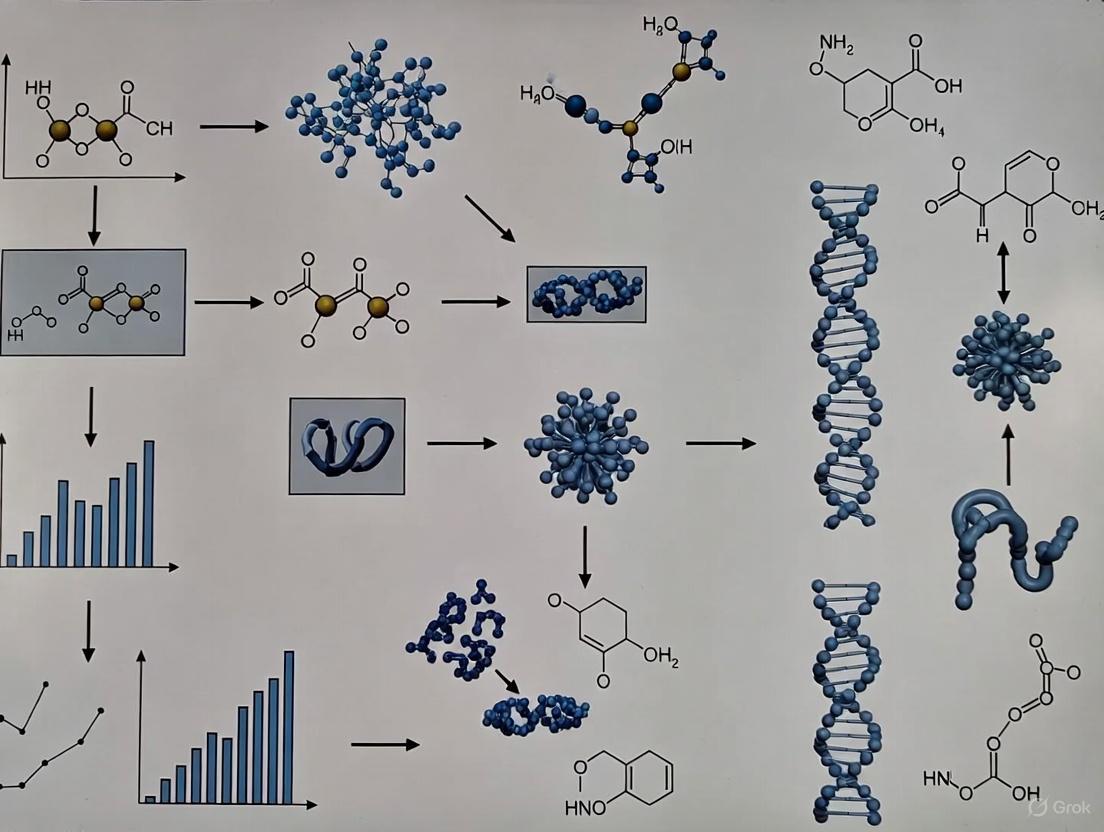
This article provides a comprehensive analysis of speed breeding (SB), an innovative set of techniques that leverage controlled environments to accelerate plant generation cycles.
Speed Breeding 3.0: Accelerating Crop Improvement for Food Security and Climate Resilience
Abstract
This article provides a comprehensive analysis of speed breeding (SB), an innovative set of techniques that leverage controlled environments to accelerate plant generation cycles. Tailored for researchers and scientists, we explore the foundational principles of SB, detailing how manipulation of photoperiod, light quality, and temperature can achieve 4-6 crop generations annually. The content covers advanced methodologies, including integration with genomic selection and CRISPR-Cas9, and addresses critical challenges such as genotype dependence and high operational costs. Through comparative validation with traditional breeding methods and case studies on staple crops, this review synthesizes how SB is revolutionizing breeding pipelines to enhance genetic gain and develop climate-resilient cultivars, directly addressing global food security demands.
The Foundation of Speed Breeding: Principles, History, and Core Concepts
Speed breeding represents a transformative technological approach in plant science that utilizes controlled environmental conditions to dramatically accelerate plant growth and development cycles. This methodology addresses one of the most significant bottlenecks in conventional plant breeding: the extended time required to develop new crop varieties. With the global population projected to reach 10 billion by 2050 and climate change exacerbating agricultural challenges, the slow pace of traditional breeding—often taking 8-15 years to develop and release a new variety—is no longer adequate to meet future food security demands [1] [2]. Speed breeding has emerged as a critical innovation to compress breeding timelines, enabling researchers to achieve up to 4-6 generations of crops like rice, wheat, and barley annually compared to the 1-2 generations possible through conventional field-based methods [1] [3].
The fundamental principle underlying speed breeding involves the precise manipulation of environmental factors—including photoperiod, light spectrum, temperature, humidity, and nutrient regimes—to optimize photosynthetic efficiency and promote rapid progression through developmental stages from seed to seed [4] [5]. Unlike genetic modification approaches, speed breeding does not alter the plant's DNA but instead creates optimized growing conditions that trigger early flowering and seed maturation, thereby significantly reducing generation times [1]. This approach has evolved from early experiments with artificial lighting 150 years ago to sophisticated protocols developed by research institutions worldwide, including NASA's space agriculture research, the International Rice Research Institute's (IRRI) Speed Breeding 3.0 framework, and specialized protocols for crops ranging from staple cereals to nutrient-dense millets [3] [2] [5].
Core Objectives of Speed Breeding
Accelerating Genetic Gain and Breeding Cycles
The primary objective of speed breeding is to compress the time required for each breeding cycle, thereby accelerating genetic gain—the measurable improvement in crop performance per unit time. Traditional breeding methods typically allow only one or two generations annually, creating a significant delay between initial crosses and the development of stable lines ready for commercial release [1]. Speed breeding protocols enable researchers to achieve up to five or six generations per year for key crops such as rice and wheat, effectively reducing variety development time by 50% or more [1] [3]. For instance, researchers at Sher-e-Kashmir University of Agricultural Sciences and Technology (SKUAST) in Kashmir have demonstrated that speed breeding can shorten the typical 8-year variety development process by several years, with additional reductions in regulatory approval timelines [1].
This acceleration is particularly valuable for pre-breeding activities—the process of incorporating desirable traits from unadapted genetic resources into breeding-ready materials. Conventional pre-breeding often requires 3-4 years to develop lines containing superior haplotypes in elite genetic backgrounds [3]. Through speed breeding, this timeline can be compressed to less than 2 years, ensuring that new sets of lines are synchronized with product concepts before initiating new breeding cycles [3]. The integration of speed breeding with genomic selection and marker-assisted selection further enhances selection intensity and accuracy, creating a synergistic effect that maximizes genetic gains throughout the breeding pipeline [3].
Enhancing Climate Resilience in Crops
Speed breeding enables the rapid development of climate-resilient crop varieties capable of withstanding biotic and abiotic stresses intensified by climate change. Researchers can utilize speed breeding protocols to quickly introgress tolerance traits for diseases, drought, heat, and salinity into elite genetic backgrounds, creating varieties adapted to increasingly volatile growing conditions [1] [6]. At SKUAST in Kashmir, scientists are prioritizing the development of rice varieties with enhanced resistance to blast and bakanae diseases, alongside improved cold tolerance during early growth stages—traits critically important for sustainable production in the region [1].
The SpeedScan component of IRRI's Speed Breeding 3.0 framework exemplifies this objective by combining speed breeding environments with machine learning and deep learning models to phenotype stable traits and predict performance in untested populations [3]. This approach facilitates the development of "ideotypes"—ideal plant types optimized for future climate scenarios—by screening current varieties under simulated future climate conditions [3]. Similarly, the SpeedWild protocol focuses on tapping into the vast, unutilized genetic diversity of wild relatives to broaden the genetic base of cultivated varieties, introducing valuable genes for enhanced resilience that have been lost through domestication bottlenecks [3].
Facilitating Rapid Trait Stacking and Gene Pyramiding
Speed breeding provides an efficient platform for stacking multiple desirable traits through rapid cycling of breeding populations, enabling researchers to combine disease resistance, quality parameters, and stress tolerance in a single genetic background. The accelerated generational turnover allows for more efficient backcrossing and selection of complex trait combinations that would require decades using conventional methods [3] [2]. The SpeedEdit component of Speed Breeding 3.0 seamlessly integrates speed breeding with advanced genome editing technologies, including Multiplex Genome Editing (MGE), gene drive, and CRISPR/Cas9, to facilitate precise and rapid genetic modifications [3].
This integration enables efficient trait stacking, such as combining multiple stress tolerances, through technologies like BREEDIT that would be impractical with slower conventional breeding cycles [3]. For example, MGE could potentially transfer C4 photosynthetic genes from maize to rice, significantly improving its water and nitrogen use efficiency under high CO2 and temperature conditions—a complex multi-gene engineering project that would benefit enormously from accelerated generational cycling [3]. The ability to rapidly fix these introduced traits through successive generations under controlled conditions makes speed breeding an invaluable component of modern crop genetic engineering pipelines.
Quantitative Analysis of Speed Breeding Efficiency
Table 1: Generation Time Comparison Between Conventional Breeding and Speed Breeding
| Crop Species | Conventional Generations/Year | Speed Breeding Generations/Year | Generation Time Reduction | Research Source |
|---|---|---|---|---|
| Rice (Kashmir) | 1-2 | 4-6 | 60-75% | [1] |
| Finger Millet | 1-2 | 4-5 | 28-54 days across maturity groups | [5] |
| Wheat | 1-2 | 4-6 | ~77 days per generation | [2] |
| Maize | 1-2 | Not specified | Significant with doubled haploid integration | [1] |
| Barley | 1-2 | 4-6 | Similar to wheat | [4] |
Table 2: Speed Breeding Facility Environmental Parameters for Different Crops
| Parameter | Finger Millet Protocol | IRRI Rice Protocol | General Cereal Protocol | Impact on Development |
|---|---|---|---|---|
| Photoperiod | 9 hours | Customized light recipes | 22 hours (long-day crops) | Induces early flowering |
| Temperature | 29±2°C | Precise control | 22°C day/17°C night | Optimizes metabolism |
| Light Intensity | LED 9-watt bulbs | Full-spectrum PPFD lights | High-intensity LED | Maximizes photosynthesis |
| Relative Humidity | 70% | Optimized levels | Controlled levels | Prevents stress |
| Plant Density | 105 plants/1.5 sq. ft. | High-density planting | 1000 plants/m² (cereals) | Space optimization |
Application Notes: Speed Breeding 3.0 Framework
Core Components of Speed Breeding 3.0
The International Rice Research Institute (IRRI) has pioneered Speed Breeding 3.0 as a comprehensive, inclusive, and adaptable framework designed for all crops regardless of their growth cycle [3]. This advanced strategy represents a critical initiative supporting OneCGIAR's overarching goal to unify capabilities, knowledge, and resources toward addressing climate change and ensuring global food security [3]. Unlike earlier iterations that primarily focused on extended photoperiods for long-day crops, Speed Breeding 3.0 accommodates larger populations and wider germplasm diversity, including landraces, wild relatives, and breeding lines with variable growth durations [3].
The framework integrates fundamental understanding in speed breeding with customized, stage-specific light recipes and strategic application of various growth parameters to synchronize growth and induce flowering [3]. This innovative approach maximizes breeding program efficiency, accelerates genetic gains, and promotes inclusive, sustainable crop improvement across diverse agricultural contexts. The system leverages advanced photobiological tools to precisely control environmental parameters including light spectrum, intensity, photoperiod, temperature, and hormonal regulation, enabling up to six generations annually for vital crops like wheat, rice, and barley [3].
Integrated Speed Breeding Workflows
Diagram 1: Integrated Speed Breeding 3.0 Workflow showing the convergence of different acceleration technologies in a modern breeding program.
Detailed Experimental Protocols
Speed Breeding Protocol for Cereal Crops (Rice/Wheat)
Objective: Achieve 4-6 generations per year through controlled environment optimization [1] [3].
Materials and Equipment:
- Controlled environment growth chambers or customized speed breeding facilities
- Full-spectrum LED lighting systems with photosynthetic photon flux density (PPFD) control
- Temperature and humidity control systems
- High-density planting trays (50-105 wells per tray)
- Automated irrigation systems (ebb-and-flow recommended)
- Environmental monitoring sensors (light, temperature, humidity, CO₂)
Procedure:
- Seed Preparation and Sowing:
- Select high-quality seeds from desired breeding materials
- Sow seeds in high-density trays (1000 plants/m² for cereals) containing sterile growing medium [2]
- Maintain optimal moisture for germination
Early Growth Phase (0-14 days):
- Maintain temperature at 22±2°C during light periods and 17±2°C during dark periods for temperate cereals [2]
- Provide continuous light (22 hours) for long-day crops or customized photoperiods for day-neutral/short-day species [3] [2]
- Maintain CO₂ levels at 400-500 ppm to enhance photosynthetic efficiency
- Implement high-density planting (105 plants per 1.5 sq. ft. demonstrated for finger millet) [5]
Vegetative to Reproductive Transition (14-35 days):
- Adjust light spectrum using customized "light recipes" to promote flowering
- Apply nutrient solutions (e.g., 0.17% Hoagland's No. 2 solution spray weekly) [5]
- Implement restricted irrigation to minimize plant height and accelerate development
- Monitor plant development daily for flowering initiation
Pollination and Seed Development (35-60 days):
- Facilitate controlled pollination when flowers are receptive
- Maintain optimal temperature and humidity during seed set
- Continue nutrient application until seed filling is complete
Harvest and Seed Processing (60-70 days):
- Harvest seeds at physiological maturity using forced desiccation if necessary
- Process seeds to break dormancy through appropriate treatments
- Immediately resow selected seeds for the next generation cycle
Troubleshooting:
- If flowering is delayed, adjust red:far-red light ratios and photoperiod
- For poor seed set, optimize humidity during flowering and ensure proper pollination
- If fungal issues arise, ensure proper air circulation and sterilize growing media
Protocol for Integration with Genomic Selection
Objective: Combine speed breeding with genomic selection to enhance genetic gain per unit time [7] [3].
Procedure:
- Initial Genotyping:
- Extract DNA from parental lines and early generations (F₂)
- Perform genome-wide sequencing or SNP genotyping
- Develop training population for genomic selection models
Rapid Cycling with Simultaneous Genotyping:
- Advance generations under speed breeding conditions
- Perform seed chipping for DNA extraction without compromising germination
- Conduct genomic selection at each generation based on genomic estimated breeding values (GEBVs)
- Select superior genotypes for continued rapid cycling
Field Validation:
- After 3-4 generations of speed breeding coupled with genomic selection, advance selected lines to field trials
- Validate predictions and refine genomic selection models
- Integrate data into subsequent cycles for improved accuracy
The Scientist's Toolkit: Essential Research Reagents and Equipment
Table 3: Key Research Reagent Solutions for Speed Breeding Implementation
| Item Category | Specific Products/Models | Function in Speed Breeding | Protocol Specifications |
|---|---|---|---|
| Lighting Systems | Full-spectrum PPFD LED lights, Narrow blue + narrow amber LED mixtures | Optimize photosynthesis and control photoperiod; specific wavelengths influence flowering | 22h light for long-day crops; 9h for short-day crops like finger millet [3] [5] |
| Nutrient Solutions | Hoagland's No. 2 solution (0.17%), Basacote + NPK (20:20:20) formulations | Provide balanced nutrition in restricted root zones; spray application preferred to minimize losses | Weekly foliar application; supplementation when leaves show pale green coloration [5] |
| Growth Substrates | Sterilized soil:sand:vermicompost (3:2:1 ratio), Hydroponic ebb-and-flow systems | Ensure proper aeration and drainage in high-density planting; prevent pathogen introduction | Soil mixture replaced every 3-4 generations to replenish depleted nutrients [1] [5] |
| Environmental Controllers | Programmable Logic Controllers (PLC), Temperature and humidity sensors | Maintain precise environmental conditions (29±2°C, 70% RH for finger millet) | Automated control of heating, cooling, and humidity systems [5] |
| High-Density Trays | 105-well and 50-well nursery trays (HIPS material) | Maximize plant capacity per square meter; enable bottom-up irrigation | 105 plants per 1.5 sq. ft. optimal for finger millet without significant competition effects [5] |
Integration with Advanced Breeding Technologies
Convergence with High-Throughput Phenotyping
The integration of speed breeding with high-throughput phenotyping (HTP) technologies creates a powerful synergy that addresses both the time and phenotyping bottlenecks in conventional breeding [8]. Advanced phenotyping platforms utilizing digital imaging systems, chlorophyll fluorescence sensors, and high-resolution 3D scanners can capture essential metrics like plant height, leaf area, canopy structure, and chlorophyll content throughout the accelerated growth cycle [8]. This integration enables non-destructive, continuous monitoring of plant development, allowing researchers to correlate genetic potential with observable traits under controlled stress conditions.
The SpeedScan component of Speed Breeding 3.0 exemplifies this integration by combining speed breeding environments with machine learning and deep learning models to phenotype stable traits and predict performance in untested populations [3]. This approach significantly reduces the need for extensive field phenotyping, saving both time and resources while maintaining accuracy. For shoot phenomics, technologies such as 3D imaging analyze canopy architecture and biomass, revealing correlations between canopy traits and drought resilience [8]. For root phenomics—traditionally challenging due to the subterranean nature of roots—advanced imaging technologies like Magnetic Resonance Imaging (MRI), Computed Tomography (CT), and X-ray tomography enable non-invasive observation of root architecture, providing insights into stress tolerance mechanisms [8].
Synergy with Genomic and Biotechnology Tools
Diagram 2: Technology Synergies in Modern Speed Breeding Programs showing bidirectional relationships between speed breeding and complementary biotechnology tools.
Speed breeding creates particularly powerful synergies when integrated with genomic selection and gene editing technologies. The accelerated generational turnover enables more rapid fixation of desirable alleles identified through genomic selection, significantly enhancing the rate of genetic gain [7]. AI-powered genomic selection analyzes massive genomic datasets to associate genetic markers with desirable traits, predicting breeding values of potential parent lines without extensive phenotyping of every plant generation [7]. When combined with speed breeding, these predictive models allow breeders to focus efforts only on the most promising genotypes, slashing trial and error and shrinking breeding cycles from years to just seasons [7].
Similarly, the integration of speed breeding with gene editing technologies like CRISPR-Cas9 through the SpeedEdit framework facilitates precise and rapid genetic modifications, accelerating the introduction of complex traits using multiplex genome editing tools [3]. This approach enables efficient trait stacking—combining multiple stress tolerances or quality traits—that would be impractical with slower conventional breeding cycles [3]. The accelerated generations allow for more efficient removal of CRISPR machinery and stabilization of edited loci, addressing regulatory concerns more rapidly than conventional approaches.
Challenges and Future Directions
Despite its transformative potential, speed breeding implementation faces several significant challenges that must be addressed for wider adoption. The most substantial barrier is the high energy consumption associated with maintaining controlled environments, particularly in regions with extreme climatic conditions [1]. Researchers in northern India report that maintaining stable environmental conditions requires constant operation of air conditioners, heaters, humidifiers, and LED lighting, leading to substantial power usage [1]. This challenge is compounded by the need for technical expertise to maintain sophisticated speed breeding chambers and troubleshoot system failures [1].
Future developments in speed breeding technology are likely to focus on increasing energy efficiency through innovations in solar power integration, more efficient LED lighting systems, and automated climate control systems [1]. The development of more cost-effective protocols, such as Chem-RGA (chemical-mediated rapid generation advancement) that utilizes specific chemical or hormonal treatments to induce flowering in conventional field conditions, offers promise for resource-limited settings [3]. Additionally, the democratization of speed breeding through consortium-based support services for National Agricultural Research and Extension Systems (NARES) and private companies will be crucial for global adoption [3].
As climate change intensifies, speed breeding will play an increasingly critical role in developing climate-resilient crops. The technology's ability to rapidly introgress adaptive traits and create varieties tailored to specific environmental conditions makes it an indispensable tool for building agricultural resilience. With continued refinement and integration with complementary technologies, speed breeding represents a paradigm shift in crop improvement—from a reactive process to a proactive strategy that enables agriculture to adapt at the pace of climate change itself.
Speed breeding (SB) represents a paradigm shift in agricultural science, enabling the rapid development of new crop varieties by significantly shortening breeding cycles. This approach utilizes controlled environments to optimize plant growth conditions, accelerating generation turnover from typically 1-2 generations per year to 4-6 generations annually for many key crops [9] [10]. The technology has emerged as a critical tool for addressing global food security challenges posed by population growth and climate change, with its foundations tracing back to space exploration research conducted by the National Aeronautics and Space Administration (NASA) [11].
Historical Context and NASA Origins
NASA's Pioneering Work
The conceptual foundation of speed breeding was established through NASA's Controlled Ecological Life Support Systems (CELSS) program in the 1980s [11]. NASA scientists faced the unique challenge of developing efficient plant growth systems for space missions where resources are extremely limited and time is critical. Their initial research focused on understanding how manipulated light cycles could influence plant development and generation times.
Key NASA Milestones:
- 1980s: Initial experiments with accelerated plant growth cycles began
- 1992: First successful implementation of extended photoperiods to accelerate wheat breeding [11]
- Key Investigators: Dr. Gary Stutte served as a principal investigator, demonstrating that light manipulation could significantly reduce time between wheat generations [11]
Transition to Terrestrial Applications
The transition from space-focused research to terrestrial crop improvement began in the late 1990s when Australian scientists recognized the technology's potential for Earth-based agriculture [11]. Dr. Lee Hickey and his team at the University of Queensland played a pivotal role in adapting and developing these protocols for various crops starting in 2001 [11]. The first published results demonstrating successful application in wheat emerged in 2007, followed by a landmark paper in Nature Plants in 2017 that detailed standardized speed breeding protocols [11].
Fundamental Principles of Speed Breeding
Physiological Foundations
Speed breeding operates on several core physiological principles that enable accelerated plant development:
Photoperiod Manipulation: By extending daily light exposure, plants receive increased photosynthetic accumulation, altering their developmental programming to hasten flowering and maturity [11]. This approach effectively manipulates the plant's photoperiodic responses, which are governed by photoreceptor families that help plants respond to extracellular environmental factors [9].
Circadian Rhythm Modification: Extended photoperiods directly influence plants' internal clocks, potentially triggering early flowering responses in many species [11]. Light impacts the molecular mechanisms of plant development, with changes in gene expression profiles in response to light documented in model species like Arabidopsis and rice [9].
Hormonal Regulation: Optimized light conditions influence plant hormone production, particularly gibberellins and auxins, which can accelerate growth and developmental transitions [11].
Environmental Optimization Components
Successful speed breeding protocols integrate multiple environmental parameters that work synergistically to accelerate plant development:
Table 1: Key Environmental Parameters for Speed Breeding
| Parameter | Typical Range | Physiological Impact |
|---|---|---|
| Photoperiod | 22 hours light/2 hours dark (long-day crops); Variable for short-day crops [11] [12] | Triggers early flowering; enhances photosynthetic accumulation |
| Light Intensity | 400-800 μmol m⁻² s⁻¹ PAR [11] [12] | Maximizes photosynthesis without causing light stress |
| Light Spectrum | Enhanced red-blue ratio (2R>1B) for rice; Full-spectrum LED [9] [12] | Optimizes photoreceptor activation for flowering |
| Temperature | 22-32°C (species-dependent) [11] [12] | Maintains optimal metabolic activity |
| Relative Humidity | 60-70% [11] [12] | Reduces transpirational stress |
| CO₂ Concentration | 400-450 ppm [11] | Enhances photosynthetic efficiency |
Evolution of Speed Breeding Protocols
Protocol Refinement and Diversification
Since its initial development, speed breeding methodology has undergone significant refinement and diversification:
2010-2015: Researchers developed optimized light spectra and intensities for different crop species, recognizing that specific wavelength combinations could further accelerate development [11]. Light-emitting diodes (LEDs) became the preferred light source due to their energy efficiency, spectral control, and longevity [9].
2017-2018: Standardized protocols were published, enabling six generations annually for spring wheat, barley, chickpea, and pea, and four generations for rapeseed [10]. This period also saw the development of the first commercial wheat variety (DS Faraday) using speed breeding technology [12].
2018-Present: Protocol development expanded to include short-day crops like soybean, rice, and amaranth through crop-specific light adjustments [9] [12]. Integration with genomic selection, CRISPR-Cas9 technology, and high-throughput phenotyping became more prevalent [9] [6].
Representative Protocol: SpeedFlower for Rice
The SpeedFlower protocol represents a sophisticated example of modern speed breeding implementation for a critical short-day crop:
Key Components:
- Light Spectrum: High red-to-blue ratio (2R>1B) followed by green, yellow, and far-red light [12]
- Photoperiod Strategy: 24-hour long day for initial 15 days of vegetative phase, transitioning to 10-hour short day photoperiod [12]
- Temperature Regime: 32/30°C day/night temperatures with 65% humidity [12]
- Light Intensity: 800 μmol m⁻² s⁻¹ PAR [12]
- Generation Time: 58-71 days, enabling 5.1-6.3 generations annually [12]
Acceleration Techniques:
- Use of prematurely harvested seeds coupled with gibberellic acid treatment reduced maturity duration by 50% [12]
- Validation across 198 diverse rice accessions confirmed broad applicability [12]
Figure 1: Historical Evolution of Speed Breeding Protocols
The Scientist's Toolkit: Essential Research Reagents and Materials
Successful implementation of speed breeding requires specific materials and reagents optimized for accelerated plant development:
Table 2: Essential Research Reagents and Materials for Speed Breeding
| Category | Specific Items | Function/Application |
|---|---|---|
| Growth Media | 70% peat moss, 20% vermiculite, 10% perlite; pH 6.0-6.5 [11] | Provides optimal root aeration and nutrient retention |
| Nutrient Solutions | Modified Hoagland's solution; EC: 1.5-2.0 mS/cm [11] | Delivers balanced mineral nutrition for accelerated growth |
| Light Systems | Full-spectrum LED with enhanced blue (450nm) and red (660nm) wavelengths; Far-red (735nm) capability [9] [12] | Controls photoperiod and spectral quality to manipulate flowering |
| Plant Growth Regulators | Gibberellic acid [12] | Promotes germination and flowering; reduces maturation time |
| Sterilization Agents | 1% sodium hypochlorite solution [11] | Surface sterilization of seeds to prevent microbial contamination |
| CO₂ Supplementation | Food-grade CO₂ cylinders with regulators [11] [12] | Maintains optimal CO₂ levels (400-450 ppm) for photosynthesis |
| Hydration Systems | Automated irrigation/drip systems [11] [12] | Ensures consistent moisture availability for rapid growth |
Integration with Modern Breeding Technologies
Contemporary speed breeding does not operate in isolation but functions as a synergistic component within broader crop improvement pipelines:
Genomic Integration
Speed breeding has been successfully integrated with genomic selection and marker-assisted selection, allowing breeders to rapidly fix desirable genetic combinations while maintaining selection accuracy [9] [13]. This integration follows the breeder's equation (ΔG = (σa)(i)(r)/l), where reducing generation time (l) directly enhances genetic gain [12].
High-Throughput Phenotyping
The controlled environments used in speed breeding are ideal for implementing high-throughput phenotyping technologies [13] [6]. Automated imaging systems can capture data on plant architecture, growth rates, and stress responses, generating large datasets for predictive modeling and selection decisions [13].
Gene Editing and Transformation
Speed breeding protocols have been incorporated into genetic engineering and gene editing pipelines, significantly reducing the time required to develop and evaluate transgenic or genome-edited lines [6]. This application is particularly valuable for stacking multiple traits or evaluating gene function.
Figure 2: Speed Breeding Workflow in Modern Crop Improvement
Application Notes and Technical Considerations
Crop-Specific Optimization
Different crop species require tailored speed breeding protocols due to varying physiological responses:
Long-Day Crops (wheat, barley, chickpea): Respond well to extended photoperiods (22 hours light), achieving up to six generations annually [9] [10].
Short-Day Crops (rice, soybean, amaranth): Require more complex light regimes, often incorporating specific spectral ratios and transitional photoperiods (e.g., long days during vegetative stage followed by short days for flowering) [9] [12].
Winter Crops (winter wheat, winter barley): Benefit from "speed vernalization" protocols that combine accelerated cold treatment with extended photoperiods, enabling up to five generations annually [9].
Troubleshooting Common Challenges
Poor Seed Set: Can be addressed by increasing air circulation to promote pollen dispersal and optimizing temperature during flowering [11].
Plant Stress Symptoms: Leaf chlorosis may require adjustment of nutrient solutions or light intensity; stunted growth may indicate root health issues or suboptimal environmental parameters [11].
Genotype-Specific Responses: Some genotypes within species may not respond as expected to standard protocols, necessitating additional optimization [12].
The evolution of speed breeding from its NASA origins to contemporary sophisticated protocols represents a remarkable example of technology transfer with profound implications for global food security. By systematically manipulating photobiological and environmental parameters, researchers can dramatically accelerate crop breeding cycles while maintaining genetic gain. The ongoing integration of speed breeding with genomic technologies, high-throughput phenotyping, and gene editing continues to enhance its efficiency and applicability across diverse crop species. As climate change and population growth intensify pressure on global food systems, speed breeding protocols offer a powerful tool for developing resilient crop varieties with unprecedented speed.
Genetic and Epigenetic Considerations in Accelerated Growth Environments
Speed breeding (SB) represents a transformative approach in plant sciences, significantly accelerating plant development and generation turnover. By utilizing controlled environments to optimize light, temperature, and other growth factors, SB enables the production of up to six generations per year for crops like spring wheat, barley, chickpea, and pea, and four generations for rapeseed [10]. This dramatic acceleration facilitates the rapid development of pure homozygous lines, a process that traditionally requires 4-6 years, compressing it into approximately one year for many species [10]. Within these accelerated growth environments, a complex interplay of genetic and epigenetic factors governs plant development, stress responses, and trait stability. Understanding these mechanisms is crucial for leveraging SB techniques effectively in crop improvement programs, particularly as breeders face the dual challenges of climate change and global food security [10] [14].
Genetic Considerations in Speed Breeding
Genetic Diversity and Accelerated Selection
The foundation of any successful breeding program lies in genetic diversity. In speed breeding systems, maintaining and exploiting this diversity is paramount for developing improved cultivars. The rapid generation advancement in SB creates opportunities for enhanced selection intensity and reduced recombination intervals, potentially accelerating genetic gain. However, the compressed lifecycle necessitates careful management of genetic resources to prevent unintended selection for SB-adapted but agronomically undesirable traits [15].
Molecular markers have become indispensable tools for tracking desirable alleles through breeding generations. In SB, marker-assisted selection (MAS) assumes even greater importance by enabling early selection decisions without waiting for phenotypic expression, which is particularly valuable for traits expressed late in development or requiring specific environmental triggers [15] [16]. For complex quantitative traits controlled by multiple genes, SB integrated with MAS enables researchers to rapidly fix desirable QTL combinations while maintaining genetic diversity for other traits.
QTL Mapping and Gene Discovery in Accelerated Environments
Quantitative trait loci (QTL) mapping identifies genomic regions associated with complex traits of agricultural importance. Traditional QTL mapping requires developing segregating populations and evaluating them across multiple environments and seasons—a process that can take several years. Speed breeding dramatically accelerates this process by enabling rapid generation advancement, allowing researchers to develop mapping populations in a fraction of the conventional time [17].
Studies in maize have demonstrated the efficacy of combining high-density linkage maps with transcriptomic profiling to identify stable QTLs and candidate genes for yield-related traits. For instance, research has confirmed stable QTLs for grain weight on chromosomes 2, 5, 7, and 9, with differentially expressed genes within these intervals providing candidate genes for further functional characterization [17]. Similar approaches can be extended to other crops, with SB accelerating both population development and trait evaluation.
Table 1: Stable QTLs for Grain Weight in Maize Identified Through High-Density Mapping
| QTL Name | Chromosome | LOD Score | Phenotypic Variation Explained (%) | Candidate Genes |
|---|---|---|---|---|
| qKW-7 | 7 | 3.1-7.4 | 4.5-25.6 | 8 DEGs identified |
| qEW-9 | 9 | 3.0-6.2 | 5.8-18.3 | 5 DEGs identified |
| qGWP-6 | 6 | 4.1-5.8 | 6.2-15.7 | 3 DEGs identified |
| qGWP-10 | 10 | 3.5-6.1 | 5.3-14.9 | 6 DEGs identified |
Adapt from citation [17]
Epigenetic Considerations in Speed Breeding
Epigenetic Regulation and Environmental Response
Epigenetics refers to heritable changes in gene expression that occur without alterations to the DNA sequence itself. DNA methylation—the addition of methyl groups to cytosine bases—represents one of the best-characterized epigenetic mechanisms and plays crucial roles in transcriptional regulation, transposable element silencing, and genome stability [14]. In plants, DNA methylation occurs in symmetric (CG and CHG) and asymmetric (CHH) sequence contexts, each with distinct maintenance mechanisms [14].
In speed breeding environments, where plants experience constant optimized conditions rather than natural seasonal variations, epigenetic mechanisms may respond differently. The controlled environments of SB systems—with extended photoperiods, optimized temperatures, and sometimes elevated CO₂—could potentially induce epigenetic changes that affect trait expression and stability [14]. Understanding these epigenetic responses is essential for predicting trait performance when SB-developed lines are transferred to field conditions.
Epialleles and Their Potential in Crop Improvement
Epialleles are epigenetically modified variants of genes that produce altered expression patterns and corresponding phenotypic changes. Naturally occurring epialleles have been associated with agriculturally important traits in various crops. For example, in maize, epigenetic variations known as paramutations can affect pigment production and other characteristics [14]. Three classes of epigenetic variation have been defined:
- Obligatory epigenetic variation: completely dependent on DNA sequence change
- Facilitated epigenetic variation: caused by stochastic variation in epigenetic states
- Pure epigenetic variation: generated stochastically and completely independent of DNA sequence [14]
The stability and heritability of epialleles vary considerably, with some persisting for multiple generations while others are more transient. This variability presents both challenges and opportunities for crop improvement. Stable, heritable epialleles conditioning desirable agronomic traits could be selected for in breeding programs, while less stable epigenetic variation might be exploited for short-term adaptation [14].
Table 2: Types of Epigenetic Variation and Their Characteristics in Crop Plants
| Type of Variation | Dependence on DNA Sequence | Stability | Examples in Crops |
|---|---|---|---|
| Obligatory | Complete | High | FWA methylation in Arabidopsis dependent on tandem repeats |
| Facilitated | Partial | Variable | Hypomethylated mutants showing developmental abnormalities |
| Pure | Independent | Variable | Natural variation in DNA methylation between accessions |
Adapted from citation [14]
Integrated Protocols for Genetic and Epigenetic Analysis in Speed Breeding
Protocol 1: Accelerated Generation Advancement with Parallel Phenotyping
Objective: To rapidly advance plant generations while collecting high-quality phenotypic data for genetic and epigenetic studies.
Materials and Equipment:
- Controlled environment growth chambers with adjustable LED lighting
- Temperature and humidity control systems
- High-throughput phenotyping platforms (e.g., LemnaTec system)
- Tissue collection and preservation supplies
- DNA/RNA extraction kits
Methodology:
- Growth Conditions Setup: Implement extended photoperiods (20-22 hours light) with light spectra optimized for specific crops [10]. Maintain temperatures appropriate for the target species (typically 22-28°C during light periods, 18-22°C during dark periods).
- Population Management: Sow segregating populations in controlled environments. For each generation, harvest individual plants separately to maintain pedigree information.
- Tissue Sampling: Collect leaf tissue from each plant at designated developmental stages for DNA extraction. For epigenetic analysis, collect multiple tissue types (leaf, root, reproductive tissues) from representative plants.
- High-Throughput Phenotyping: Implement automated imaging systems (RGB, hyperspectral, fluorescence) to monitor growth, development, and stress responses throughout the lifecycle [18].
- Generation Advancement: For rapid cycling, employ techniques such as embryo rescue 14-20 days after flowering to overcome seed dormancy and reduce generation time [10].
- Data Integration: Correlate phenotypic data with genotypic and epigenotypic information to identify marker-trait associations.
Timeline: One generation of spring wheat or barley can be completed in approximately 8-9 weeks under optimized speed breeding conditions [10].
Protocol 2: Integrated Genetic-Epigenetic Analysis Pipeline
Objective: To simultaneously profile genetic and epigenetic variation in speed breeding populations and correlate with phenotypic data.
Materials and Equipment:
- Bisulfite conversion kits for DNA methylation analysis
- Whole-genome bisulfite sequencing (WGBS) or reduced-representation bisulfite sequencing (RRBS) platforms
- Genotyping-by-sequencing (GBS) or SNP array platforms
- Bioinformatics computational resources
Methodology:
- Nucleic Acid Extraction: Isolate high-quality genomic DNA from target tissues. For parallel transcriptome analysis, isolate RNA from matched samples.
- DNA Methylation Profiling:
- Perform bisulfite conversion of genomic DNA
- Conduct whole-genome bisulfite sequencing or targeted bisulfite sequencing
- Map sequencing reads to reference genome and call methylated cytosines in all sequence contexts (CG, CHG, CHH) [14]
- Genetic Variant Discovery:
- Perform whole-genome sequencing or genotyping-by-sequencing on the same DNA samples
- Identify SNPs, indels, and structural variants
- Integrated Analysis:
- Identify differentially methylated regions (DMRs) between genotypes or treatments
- Distinguish sequence-dependent and sequence-independent epigenetic variation
- Perform association analysis between epigenetic markers, genetic markers, and phenotypes
- Identify candidate epialleles contributing to trait variation
Timeline: From sample collection to integrated analysis, approximately 4-6 weeks depending on sequencing depth and sample number.
Diagram 1: Integrated Genetic-Epigenetic Analysis Workflow. This pipeline enables simultaneous profiling of genetic and epigenetic variation in speed breeding populations.
The Scientist's Toolkit: Essential Research Reagents and Platforms
Table 3: Essential Research Reagents and Platforms for Genetic-Epigenetic Studies in Speed Breeding
| Category | Specific Products/Platforms | Primary Function | Application in Speed Breeding |
|---|---|---|---|
| DNA Methylation Analysis | Bisulfite Conversion Kits | Chemical conversion of unmethylated cytosines to uracils | Identification of methylation patterns in speed-bred populations |
| Whole-Genome Bisulfite Sequencing (WGBS) | Genome-wide methylation profiling at single-base resolution | Comprehensive epigenomic characterization | |
| Genetic Analysis | SNP Genotyping Arrays | High-throughput genotyping of known polymorphisms | MAS and genomic selection in accelerated breeding |
| Genotyping-by-Sequencing (GBS) | Discovery and genotyping of SNPs across populations | Genetic diversity monitoring in rapid generation cycles | |
| Phenotyping Platforms | LemnaTec Scanalyzer Systems | Automated, high-throughput plant phenotyping | Non-destructive trait monitoring in controlled environments |
| HyperART | Non-destructive quantification of leaf traits | Leaf chlorophyll content and disease severity assessment | |
| Bioinformatics Tools | BS-Seq Analysis Pipelines | Processing and interpretation of bisulfite sequencing data | Identification of DMRs in speed breeding conditions |
| AI/ML Algorithms for Phenotyping | Image analysis and pattern recognition | Automated trait extraction from high-throughput imaging |
Information compiled from multiple sources [14] [18] [19]
Speed breeding represents a paradigm shift in crop improvement, dramatically accelerating the breeding cycle while enabling integrated genetic and epigenetic analysis. The controlled environments of SB systems not only speed up generation turnover but also provide unique opportunities to study gene-environment interactions and epigenetic regulation under defined conditions. By combining SB with advanced genotyping, epigenotyping, and phenotyping technologies, researchers can dissect complex traits more efficiently and develop improved cultivars with enhanced yield, quality, and stress resilience. As these technologies continue to evolve, their integration promises to further accelerate crop improvement and contribute to global food security in the face of climate change and population growth.
With the global population projected to reach 10 billion by 2050, agricultural systems face unprecedented pressure to increase food production substantially [6] [13] [9]. This challenge is further exacerbated by climate change, which introduces new biotic and abiotic stresses that threaten crop yields worldwide [1] [20]. Conventional plant breeding methods, which typically require 8-15 years to develop new crop varieties, are insufficient to meet this accelerating demand [10] [13]. Speed breeding has emerged as a transformative approach that accelerates plant development and breeding cycles, enabling researchers to achieve in months what previously required years [9] [20].
Speed breeding utilizes controlled environment conditions to optimize plant growth and development, fundamentally compressing the time between generations [13]. Originally inspired by NASA experiments for space agriculture in the 1980s, the technique has evolved into a robust terrestrial application that manipulates key growth parameters including photoperiod, light quality, temperature, and planting density [11] [10]. By leveraging these controlled conditions, speed breeding can achieve 4-6 generations per year for many crucial crops, compared to the 1-2 generations possible with traditional field-based methods [11] [1]. This dramatic reduction in generation time represents a paradigm shift in plant breeding, offering a powerful tool to enhance genetic gain and rapidly deploy climate-resilient crops to safeguard global food systems [6] [3].
Theoretical Foundations: Physiological and Genetic Principles
The remarkable efficiency of speed breeding protocols rests upon manipulating fundamental physiological processes and genetic mechanisms that govern plant growth and development. Understanding these theoretical foundations enables researchers to optimize protocols for specific crops and environments.
Plant Physiology Under Controlled Conditions
At its core, speed breeding intervenes in key developmental stages of plants to reduce generation time [13]. The approach strategically manipulates several physiological processes:
Photoperiodism: Plants' physiological reaction to day/night length significantly influences flowering time. By extending photoperiods, speed breeding can promote continuous flowering in long-day plants and manipulate flowering responses in short-day species [11] [13]. For example, protocols for long-day crops like wheat and barley typically employ 22-hour photoperiods to hasten flowering, while short-day crops like rice and soybean require customized light regimes [3] [20].
Photosynthetic Efficiency: Extended light periods combined with optimized light spectra increase daily photosynthetic accumulation, driving faster biomass accumulation and development [11]. Research indicates that light spectra enriched with specific blue and red wavelengths significantly enhance photosynthetic efficiency compared to full-spectrum white light [9].
Hormonal Regulation: Light quality and quantity influence plant hormone production, including gibberellins and auxins that accelerate growth and flowering [11]. The precise manipulation of these hormonal pathways through environmental controls enables researchers to synchronize growth stages and compress life cycles.
Circadian Rhythms: Extended photoperiods modify plants' internal clocks, potentially triggering stress responses that must be carefully managed within speed breeding protocols [11]. Understanding species-specific circadian regulation is crucial for optimizing these accelerated growth conditions.
Genetic Considerations and Molecular Tools
Speed breeding interacts with several genetic mechanisms that influence breeding outcomes:
Flowering Time Genes: Genes such as FLOWERING LOCUS T (FT) play crucial roles in determining flowering time under accelerated growth conditions [11]. Successful speed breeding protocols either leverage natural variation in these genes or manipulate their expression through environmental controls.
Vernalization Requirements: Some crops, particularly winter varieties, require a cold period to initiate flowering. Speed breeding protocols must either bypass these requirements through genetic selection or incorporate rapid vernalization techniques [11] [10].
Genetic Stability and Variation: An important consideration is whether accelerated growth conditions impact mutation rates or induce epigenetic changes that might affect genetic stability [11]. Research to date suggests that speed breeding produces genetically stable lines, though this remains an area of active investigation.
The integration of speed breeding with genomic technologies represents a particularly powerful synergy. When combined with marker-assisted selection, genomic selection, and gene editing, speed breeding transforms from merely a generation-acceleration tool into a comprehensive framework for rapid trait development and variety deployment [6] [13] [3].
Speed Breeding Methodologies: Protocols and Applications
The implementation of speed breeding requires careful attention to environmental parameters, species-specific requirements, and integration with modern breeding technologies. Below we outline core protocols and their applications across major crop species.
Core Speed Breeding Protocols
Table 1: Optimized Speed Breeding Protocols for Major Food Crops
| Crop Species | Photoperiod (Light:Dark) | Light Intensity (μmol m⁻² s⁻¹) | Temperature (°C) | Generations/Year | Key Protocol Adaptations |
|---|---|---|---|---|---|
| Spring Wheat | 22:2 [11] | 400-600 [11] | 22/17 (day/night) [11] | 4-6 [11] [20] | Early seed harvest at 15-20% moisture [11] |
| Rice (Indica/Japonica) | Customized light recipes [3] | Not specified | Not specified | 4-5 [1] [20] | IRRI protocol enables flowering in 52-60 days [1] |
| Barley | 22:2 [11] | 400-600 [11] | 22/17 (day/night) [11] | ~6 [20] | Similar to wheat with high-density planting |
| Chickpea | 22:2 [11] | 400-600 [11] | 22/17 (day/night) [11] | ~6 [20] | Long-day promotion of flowering |
| Soybean | Short-day optimization [20] | Not specified | Not specified | ~5 [20] | Specific light quality adjustments for short-day flowering |
| Maize | Not specified | Not specified | Not specified | Not specified | Combined with doubled haploid technology [1] |
Table 2: Speed Breeding 3.0 Framework Components (IRRI Protocol)
| Component | Key Technologies | Application | Expected Outcome |
|---|---|---|---|
| SpeedEdit | CRISPR-Cas9, Multiplex Genome Editing, Gene Drive [3] | Rapid trait stacking for climate-smart crops | Accelerated introduction of complex traits (e.g., C4 photosynthesis in rice) |
| SpeedScan | Machine Learning, Deep Learning, High-throughput Phenotyping [3] | Precision trait phenotyping | Reduced need for extensive field testing, ideotype development |
| SpeedWild | Customized flowering protocols for wild relatives [3] | Broadening genetic base of cultivated varieties | Introgression of valuable traits from wild species |
| SpeedAgri-tech | Controlled-environment agriculture, Vertical farming [3] | Space and indoor farming applications | Year-round production resilient to extreme weather |
| Chem-RGA | Chemical or hormonal treatments [3] | Rapid generation advancement in field conditions | Cost-effective acceleration without expensive infrastructure |
Experimental Setup and Workflow
A standardized speed breeding protocol involves several critical steps and environmental control parameters:
Growth Chamber Specifications: Temperature range 22°C ± 3°C, relative humidity 60-70%, CO₂ concentration 400-450 ppm [11]. These parameters maintain optimal growing conditions while preventing stress-induced growth inhibition.
Lighting Systems: Full-spectrum LED lighting with enhanced blue and red wavelengths, providing intensity of 400-600 μmol m⁻² s⁻¹ (PAR) [11] [9]. LED technology is preferred due to its energy efficiency, customizable spectra, and low heat emission [9].
Plant Growth Media and Nutrition: Soil mixture typically comprises 70% peat moss, 20% vermiculite, and 10% perlite, with pH adjusted to 6.0-6.5 [11]. Nutrient solutions such as modified Hoagland's solution with electrical conductivity of 1.5-2.0 mS/cm are applied through daily fertigation or automated drip systems [11].
Growth Management: The typical cycle includes vegetative phase (14-21 days), reproductive phase (28-35 days), and seed maturation (14-21 days) [11]. High-density planting at 100-150 plants/m² maximizes space utilization while maintaining individual plant health [11].
Integration with Modern Breeding Technologies
The true power of speed breeding emerges when integrated with contemporary biotechnological approaches:
Genomic Selection and Marker-Assisted Selection: Speed breeding rapidly advances generations while genomic technologies enable precise selection of desirable traits, dramatically increasing genetic gain per unit time [6] [13]. This combination has successfully developed herbicide-tolerant chickpea and disease-resistant rice varieties in significantly reduced timeframes [1] [20].
CRISPR-Cas9 and Genome Editing: The SpeedEdit component of Speed Breeding 3.0 seamlessly integrates speed breeding with advanced genome editing technologies [3]. This facilitates precise genetic modifications and trait stacking, such as combining multiple stress tolerances, while rapidly fixing these traits in breeding lines through accelerated generations.
High-Throughput Phenotyping: Automated imaging systems capture data on plant architecture, growth dynamics, and stress responses throughout the accelerated life cycle [18] [13]. When combined with machine learning and deep learning models, this enables prediction of trait performance in untested populations, significantly reducing the need for extensive field phenotyping [18] [3].
Essential Research Reagents and Materials
Successful implementation of speed breeding requires specific reagents and equipment to maintain precise environmental control and support rapid generation turnover.
Table 3: Essential Research Reagent Solutions for Speed Breeding
| Category | Specific Items | Function/Application | Optimization Parameters |
|---|---|---|---|
| Growth Media Components | Peat moss, Vermiculite, Perlite [11] | Root zone aeration and moisture retention | pH 6.0-6.5; 70:20:10 ratio [11] |
| Nutrient Solutions | Modified Hoagland's solution [11] | Complete mineral nutrition | EC 1.5-2.0 mS/cm; daily fertigation [11] |
| Lighting Systems | Full-spectrum LED with enhanced blue/red [11] [9] | Optimized photosynthesis and photoperiod extension | 400-600 μmol m⁻² s⁻¹ PAR; 22h photoperiod [11] |
| Sterilization Agents | 1% sodium hypochlorite solution [11] | Surface sterilization of seeds | 24-48 hour pre-germination [11] |
| Plant Growth Regulators | Specific chemical/hormonal treatments [3] | Induce flowering and synchronize growth | Chem-RGA protocol for field conditions [3] |
| Phenotyping Tools | RGB cameras, Multispectral sensors [18] | High-throughput trait data collection | Automated imaging systems [18] |
Challenges and Implementation Considerations
Despite its significant promise, speed breeding faces several practical challenges that must be addressed for widespread adoption:
Infrastructure and Energy Costs: Maintaining controlled environments with extended photoperiods requires substantial energy input [1]. In regions with extreme climates, maintaining stable conditions demands constant operation of HVAC systems, leading to high electricity consumption [1]. Innovations in solar power, energy-efficient lighting, and automated climate control are being explored to mitigate these limitations [1].
Technical Expertise: Speed breeding facilities require regular maintenance and robust backup systems to avoid disruptions [1]. Technical staff need specialized training to operate and troubleshoot the complex environmental control systems, which may present barriers in resource-limited settings [1].
Crop-Specific Optimization: Protocols must be carefully adjusted for different species and even varieties within species [13]. Short-day crops like rice and soybean require different lighting regimes than long-day species like wheat and barley [20]. Furthermore, optimal conditions can vary among genotypes within a species, necessitating preliminary optimization experiments.
Validation and Correlation with Field Performance: A critical consideration is whether traits expressed under speed breeding conditions correlate with field performance [10]. Research indicates that speed breeding environments are highly effective for phenotyping stable traits, with indoor evaluations accurately reflecting field performance for many characteristics [3]. However, genotype × environment interactions must be carefully evaluated through multi-location trials.
Speed breeding represents a transformative approach to crop improvement that directly addresses the urgent need to enhance global food security for a projected population of 10 billion by 2050. By enabling rapid generation advancement, this technology dramatically shortens breeding cycles from years to months, allowing breeders to respond with unprecedented agility to emerging challenges such as climate change, novel pathogens, and evolving consumer demands [6] [3].
The future of speed breeding lies in its continued integration with complementary technologies. As protocols become more refined and accessible, and as costs decrease with technological advancements, speed breeding is poised to become a standard component of public and private breeding programs worldwide [1] [20]. The democratization of these techniques through initiatives like IRRI's consortium for National Agricultural Research and Extension Systems (NARES) ensures that benefits extend beyond well-funded institutions to breeding programs in developing nations where food security challenges are most acute [3].
Looking forward, the evolution from initial speed breeding protocols to comprehensive frameworks like Speed Breeding 3.0 signals a shift from mere acceleration to a fundamental reimagining of plant breeding as a predictive, precise, and proactive discipline [3]. By transforming breeding from a reactive process into an anticipatory strategy, speed breeding offers a powerful solution to align agricultural innovation with the accelerating pace of environmental change, ultimately contributing to more resilient and productive global food systems capable of nourishing a growing population.
Speed Breeding in Practice: Protocols, System Setup, and Integration with Modern Technologies
Speed breeding represents a transformative innovation in modern crop improvement, leveraging precise control of core environmental components to drastically accelerate plant growth and development cycles. This technology addresses a critical bottleneck in traditional plant breeding—the lengthy generation time—by enabling researchers to achieve 4 to 6 generations of many crop species annually rather than the typical 1–2 generations possible in field conditions [13] [21]. The foundational principle involves the integrated optimization of photoperiod, light spectra, temperature, and CO₂ levels to create controlled environments that promote rapid flowering and seed set [13] [22]. This protocol details the specific application notes and experimental methodologies for implementing these core system components within the context of a comprehensive thesis on speed breeding techniques for crop improvement research.
Core Component Optimization and Quantitative Parameters
The synergistic management of environmental factors is crucial for successful speed breeding. The following sections and corresponding tables summarize optimized parameters for diverse crop species.
Photoperiod Management Strategies
Photoperiod management is fundamental for triggering developmental phase transitions, particularly the shift from vegetative to reproductive growth [21]. Optimization requires species-specific approaches:
- Long-day plants (LDP) such as wheat, barley, and chickpea typically flower most rapidly under extended photoperiods of 20–22 hours [13] [21].
- Short-day plants (SDP) including soybean, rice, and amaranth require shorter light periods (8–13 hours) to induce flowering [23] [24]. For SDP, some protocols recommend dynamic adjustment, implementing longer photoperiods (e.g., 13 hours) during vegetative stages to promote biomass accumulation, then switching to shorter photoperiods (e.g., 8 hours) to trigger flowering [13] [24].
Table 1: Optimized Photoperiod and Spectral Parameters for Various Crops
| Crop Species | Photoperiod (Light/Dark) | Recommended Light Spectrum | Light Intensity (µmol m⁻² s⁻¹) | Generations/Year |
|---|---|---|---|---|
| Spring Wheat | 22 h / 2 h [21] | Full spectrum LED [11] | 400–600 [11] | 4–6 [21] |
| Soybean (SDP) | 10 h / 14 h [23] or 8 h / 16 h [25] | Red-White LED [25] or Blue-light enriched, Far-red deprived [23] | 513 [25] | Up to 5 [23] |
| Rice (SDP) | 13 h / 11 h (Vegetative), 8 h / 16 h (Reproductive) [24] | Cost-effective Halogen tubes [24] | ~750–800 [24] | 4–5 [24] |
| Amaranth (SDP) | 10 h / 14 h [23] | Near-red light recipe [23] | 574 [23] | Up to 5 [23] |
Light Spectrum and Quality Optimization
Light-emitting diodes (LEDs) provide unparalleled control over light quality, allowing researchers to fine-tune spectral composition for specific physiological outcomes [26] [23].
- Blue Light (400–500 nm): Regulates stomatal opening, phototropism, and inhibition of stem elongation. It is crucial for maintaining compact, sturdy plant architecture [23].
- Red Light (600–700 nm): Strongly drives photosynthesis and influences flowering time via the phytochrome system [22].
- Far-Red Light (700–800 nm): Can promote shade avoidance responses and stem elongation. Its effect on flowering time is species-specific; it accelerates flowering in some rice and amaranth genotypes but has no effect in soybeans [23].
Research demonstrates that a Red-White (RW) LED spectrum significantly reduces time to flowering and maturity in soybeans compared to Blue (BL) LED light [25]. For short-day crops, a blue-light enriched, far-red-deprived spectrum under a 10-hour photoperiod promotes early flowering and compact growth [23].
Temperature and CO₂ Regulation
Precise temperature control is vital for maximizing metabolic efficiency and coordinating development with light regimes.
- Most speed breeding protocols maintain temperatures between 22–28°C, with minimal day/night variation to avoid developmental delays [11].
- Elevated CO₂ (eCO₂) concentrations (~550–700 ppm) enhance photosynthetic rates, biomass accumulation, and yield, particularly in C3 plants like wheat and fababean [27] [21]. CO₂ supplementation is a key feature of advanced "Speed Breeding 3.0" protocols, helping to offset potential trade-offs from accelerated growth [26].
Table 2: Optimized Temperature and CO₂ Parameters for Controlled Environments
| Environmental Factor | Optimal Range | Experimental Example & Impact |
|---|---|---|
| Temperature | 22–28°C [11] | 28°C day/night for soybean, rice, and amaranth resulted in maturity within 77 days [23]. |
| CO₂ Concentration | 400–700 ppm [21] | Elevated CO₂ (eCO₂ at 550 ppm day/610 ppm night) significantly enhanced growth and yield of intercropped fababean and wheat [27]. |
| Relative Humidity | 60–70% [11] | Prevents desiccation stress under intense lighting and supports normal physiological function. |
Experimental Protocols for Key Systems
Protocol 1: LED-Based Speed Breeding for Short-Day Crops
This protocol, adapted from Jähne et al. (2020), is designed for soybean, rice, and amaranth [23].
Application Notes: This system enables up to five generations per year of short-day crops using crop-specific LED lighting regimes without tissue culture. It is ideal for rapid generation advancement via the single seed descent (rSSD) method.
Materials & Reagents:
- Plant material: Seeds of target SDP species.
- Growth chambers with precise temperature and humidity control.
- Tunable LED light systems capable of specific spectral recipes.
- Pots (7 cm × 7 cm × 8 cm) or 96-cell plates for high-density planting.
- Appropriate soil substrate.
Methodology:
- Environmental Setup: Program the growth chamber to a constant temperature of 28°C and high relative humidity (80–100%).
- Light Regime: Set a 10-hour photoperiod. Use a light spectrum that is blue-light enriched and far-red deprived.
- Cultivation: Sow pre-germinated seeds in pots or multi-cell trays. For soybeans, inoculate the substrate with appropriate rhizobia.
- Watering and Nutrition: Implement automated sub-irrigation systems. Adjust nutrient delivery according to developmental stage.
- Phenotyping and Harvest: Monitor days to flowering daily. Cessation of watering 5 days before harvest accelerates seed ripening. Harvest seeds approximately 70 days after sowing for soybeans.
Protocol 2: A Cost-Effective Speed Breeding System for Rice ("SpeedyPaddy")
This protocol provides a resource-conscious option for large-scale rice germplasm advancement [24].
Application Notes: The "SpeedyPaddy" system reduces the breeding cycle to 68–75 days, enabling 4–5 generations per year across different rice varieties. It is highly suitable for integration with genomics-assisted selection and trait phenotyping.
Materials & Reagents:
- Infrastructure: Modified screenhouse with basic climate control.
- Lighting: Halogen tubes (500-watts) providing a light intensity of ~750–800 µmol m⁻² s⁻¹.
- Temperature Control: Coiled heaters for maintaining night temperatures.
- Growing System: 98-well plug trays for high-density planting (700 plants/m²).
Methodology:
- Photoperiod Management: Implement a dynamic light regime: 13h light/11h dark during seedling and vegetative stages, switching to 8h light/16h dark to induce reproductive development.
- Temperature Control: Maintain 30–32°C during light hours and 23–25°C during dark hours using coiled heaters.
- Nutrient Management: Apply a balanced nutrient solution at specific growth stages, as over-fertilization can be detrimental in high-density plantings.
- Seed Harvest: Conduct early seed harvest 12–15 days after flowering to shorten the generation cycle, followed by rapid drying.
Molecular Physiology and Signaling Pathways
The physiological outcomes of speed breeding are governed by internal signaling pathways that respond to optimized environmental cues.
Pathway Integration and Application:
- The Photoperiod Pathway is activated by extended light exposure and specific light spectra, leading to the expression of florigen genes like FLOWERING LOCUS T (FT), which initiates flowering [22].
- The Vernalization and Gibberellin Pathways are modulated by temperature. In some crops, elevated temperatures can mimic vernalization requirements, while gibberellin levels influence stem elongation and flowering vigor [22].
- Elevated CO₂ enhances photosynthetic carbon fixation, providing increased energy and carbon skeletons that feed into the Autonomous Pathway, supporting the resource-intensive process of accelerated flower and seed development [27].
- These pathways converge to trigger the final outcome of accelerated flowering and seed set, which is the core objective of speed breeding.
Experimental Workflow and System Integration
Implementing a successful speed breeding program requires a methodical approach from initial setup to data collection.
This workflow highlights the iterative nature of speed breeding, where each completed cycle informs the next, enabling rapid trait fixation and line development.
The Scientist's Toolkit: Essential Research Reagent Solutions
Successful implementation of the above protocols requires specific materials and reagents. The following table catalogs key solutions for establishing a speed breeding research program.
Table 3: Essential Research Reagents and Materials for Speed Breeding
| Item Category | Specific Examples / Models | Primary Function in Protocol |
|---|---|---|
| Lighting Systems | Tunable LED Panels (e.g., Ecotune, Relumity) [23]; Cost-effective Halogen Tubes [24] | Providing precise photoperiod control and customizable light spectra (Blue, Red, White, Far-Red) to manipulate plant growth and flowering. |
| Growth Chambers | Walk-in rooms or enclosed "Speed Breeding Boxes" with reflecting surfaces [23] | Maintaining strict control over temperature, humidity, and CO₂ levels, independent of external environmental fluctuations. |
| Soil & Substrate | Peat moss, vermiculite, perlite mixtures [11]; Sand & nutrient soil blends [25] | Providing physical support and optimized water/nutrient holding capacity for healthy root development under accelerated growth. |
| Nutrient Solutions | Modified Hoagland’s Solution [11]; Balanced 15-15-15 (N-P-K) fertilizer [25] | Delivering essential macro and micronutrients to support rapid plant growth and development in a high-density planting system. |
| Phenotyping Tools | Portable leaf area meters; PAR meters; DNA extraction kits for genotyping | Quantifying growth parameters, light intensity at canopy level, and facilitating marker-assisted selection for trait introgression. |
The precise and integrated control of photoperiod, light spectra, temperature, and CO₂ concentration forms the operational backbone of any successful speed breeding system. The protocols and application notes detailed herein provide a scientifically-grounded framework for researchers to accelerate crop improvement cycles significantly. By adopting these optimized parameters and methodologies, breeding programs can enhance their rate of genetic gain, rapidly develop climate-resilient cultivars, and contribute more effectively to global food security. Future advancements will likely focus on further refining these environmental interactions, reducing operational costs, and integrating speed breeding with next-generation technologies like genomic selection and gene editing [26].
Speed breeding (SB) represents a transformative approach in modern plant breeding, designed to significantly accelerate the generation turnover of crops through the precise manipulation of environmental conditions [10]. By optimizing factors such as photoperiod, light intensity, light quality, temperature, and humidity, SB induces physiological changes that promote faster flowering and maturation, thereby reducing the breeding cycle time [5]. This methodology has evolved from initial experiments with artificial lighting over a century ago to sophisticated, light-driven protocols known as Speed Breeding 3.0, which integrate advanced genomic tools for sustainable genetic gains [26]. The core principle involves creating controlled environments that minimize the vegetative period of each generation by accelerating flowering, enabling rapid seed maturation, and overcoming postharvest dormancy to permit successive cultivation cycles [10].
The application of SB varies significantly between long-day (LD) and short-day (SD) plant species, necessitating distinct protocols for each photoperiodic category. LD crops, such as wheat and barley, flower most rapidly when exposed to extended photoperiods exceeding 16 hours, while SD crops, including rice and finger millet, require shorter light periods to induce flowering [28] [5]. This article provides detailed, step-by-step SB protocols for major crops in both categories, framed within the context of crop improvement research, to enable researchers and scientists to implement these techniques effectively in their breeding programs.
Comparative Analysis of Speed Breeding Protocols
Table 1: Comparative Speed Breeding Protocols for Major Long-Day Crops
| Crop Species | Photoperiod (Light/Dark) | Temperature (°C) | Light Intensity (μmol m⁻² s⁻¹) | Key Technical Interventions | Generations Per Year | Seed-to-Seed Cycle (Days) |
|---|---|---|---|---|---|---|
| Wheat (Spring) | 22h/2h [28] | 22-25°C [28] | 450-500 [29] | Early harvest at 14-21 DAF [29] | 4-6 [10] | ~77 [2] |
| Wheat (Winter) | 22h/2h [28] | 25/22 (day/night) [28] | Not specified | Vernalization requirement management [28] | 4 [28] | Reduced by 30 days/cycle [28] |
| Barley | 22h/2h [29] | 22/16 (day/night) [29] | 450-500 [29] | Early harvest at 21 DAF [29] | 6 [29] | 88 [29] |
| Oats | 22h/2h [28] | 22°C [28] | Not specified | Early panicle harvest [28] | 5 [28] | Not specified |
| Canola/Rapeseed | 22h/2h [10] | 20-25°C [10] | Not specified | Not specified | 4 [10] | Not specified |
Table 2: Comparative Speed Breeding Protocols for Major Short-Day Crops
| Crop Species | Photoperiod (Light/Dark) | Temperature (°C) | Light Intensity (μmol m⁻² s⁻¹) | Key Technical Interventions | Generations Per Year | Seed-to-Seed Cycle (Days) |
|---|---|---|---|---|---|---|
| Rice (Indica/Japonica) | 10h [28] or continuous light followed by reduced light [28] | Not specified | Not specified | Blue light enriched far blue spectrum; embryo rescue [28] | 4-6 [28] [1] | 52-60 to flowering [1] |
| Finger Millet | 9h [5] | 29±2 [5] | Not specified | High-density planting (105 plants/1.5 sq.ft.); restricted irrigation [5] | 4-5 [5] | Reduced by 28-54 days [5] |
| Soybean | 10h [10] | Not specified | Not specified | Not specified | Not specified | Not specified |
| Cotton | Not specified | Not specified | Not specified | Not specified | Not specified | Not specified |
| Sorghum | Not specified | Not specified | Not specified | Not specified | Not specified | Not specified |
Detailed Protocols for Long-Day Species
Wheat Speed Breeding Protocol
The wheat SB protocol enables the production of 4-6 generations per year, dramatically reducing the traditional breeding timeline [10]. The following methodology is adapted from established protocols for both spring and winter wheat varieties.
Growth Conditions and Facility Setup: Maintain a photoperiod of 22 hours light and 2 hours darkness using full-spectrum LED lights [28]. For spring wheat, maintain a constant temperature of 22-25°C, while for winter wheat, implement a day temperature of 25°C and night temperature of 22°C to manage vernalization requirements [28]. Light intensity should be maintained at 450-500 μmol m⁻² s⁻¹ [29]. For winter wheat varieties with vernalization requirements, expose germinated seeds to cold treatment (2-4°C) for 4-8 weeks before transferring to SB conditions [28].
Planting and Cultivation Management: Utilize high-density planting with approximately 1000 plants/m² in 50-cell trays to optimize space utilization [28] [2]. Use a well-draining soil mixture composed of soil, sand, and vermicompost in a 3:2:1 ratio [5]. Apply controlled-release fertilizer with NPK composition of 15:9:12 at the four-leaf stage, supplemented with 0.2% NPK (19:19:19) if leaves exhibit pale green coloration [5] [29]. Implement automated irrigation systems such as ebb-and-flow for 5-6 minutes every alternate day to maintain consistent moisture levels [5].
Early Harvest and Seed Processing: Monitor flowering time closely and harvest spikes 14-21 days after flowering (DAF) for spring wheat, when embryos are fully developed but seeds are not yet physiologically mature [29]. Immediately after harvest, dry spikes in air-tight containers with silica gel at 15°C for 5 days to preserve viability and overcome dormancy [29]. Hand-thresh seeds and store at 4°C for 4 days to homogenize dormancy effects before initiating the next generation [29]. For seeds with strong dormancy, apply hydrogen peroxide (H₂O₂) treatment at reduced temperature to break dormancy [28].
Barley Speed Breeding Protocol
The barley SB protocol enables completion of a full generation in approximately 88 days, representing a 20% reduction compared to normal breeding systems [29].
Growth Conditions and Facility Setup: Implement a 22-hour photoperiod with 2 hours of darkness using high-intensity top-light white lamps [29]. Maintain day temperature at 22°C and night temperature at 16°C with light intensity between 450-500 μmol m⁻² s⁻¹ [29]. Relative humidity should be controlled at 70% to optimize plant development and minimize disease pressure [5].
Planting and Cultivation Management: Plant seeds in PRO-MIX planting media or similar well-draining substrate [29]. At the three-leaf stage, thin to one plant per pot to minimize competition. Apply Osmocote Smart-Release Plant Food Plus (25 g per plot) at the four-leaf stage, with composition of 15% nitrogen, 9% available phosphate, 12% soluble potash, and essential micronutrients [29]. Water daily and use stakes to prevent lodging as plants mature [29].
Phenological Monitoring and Early Harvest: Regularly monitor development using Zadok's growth scale (ZGS), recording key stages including three leaves (ZGS 13), first node (ZGS 31), booting (ZGS 43), heading (ZGS 59), and flowering (ZGS 69) [29]. Harvest spikes from the main tiller at 21 days after flowering (DAF), which has been shown to provide high germination rates while significantly shortening the cycle [29]. Process seeds using the same drying and storage methods described for wheat, with germination tests conducted for each harvest date to confirm viability [29].
Detailed Protocols for Short-Day Species
Rice Speed Breeding Protocol
Rice SB protocols have been specifically developed for both indica and japonica subspecies, enabling 4-6 generations per year compared to the traditional 1-2 generations in field conditions [28] [1].
Growth Conditions and Facility Setup: Implement a 10-hour photoperiod using LED lights with blue light enriched far blue spectrum to induce flowering within 52-60 days [28]. For some protocols, apply continuous light followed by a reduced light phase for 15 days to accelerate flowering [28]. Temperature and humidity must be precisely controlled, though specific parameters vary by protocol. The Biotron Breeding System (BBS) regulates temperature, CO₂ levels, and photoperiod, augmented with embryo rescue techniques to reduce the generational interval to 2-3 months [28].
Planting and Cultivation Management: Utilize high-density planting in specialized trays with automated irrigation systems such as ebb-and-flow hydroponics, which require only weekly water replacement [1]. Soil management is critical—autoclave soil and replace every 3-4 generations as plants deplete nutrients to prevent fungal and bacterial infections [1]. Nutrient solutions such as Hoagland's No.2 at 0.17% can be applied as spray formulations to avoid nutrient losses [5].
Technical Interventions and Seed Processing: For further acceleration, implement embryo rescue techniques 14-20 days after flowering by isolating immature embryos and cultivating them on nutrient media [10]. The regenerated embryos are then transplanted into soil to initiate a new generation, significantly reducing seed maturation time and overcoming postharvest dormancy [10]. This approach is particularly valuable for overcoming the inherent longer cycles in short-day species.
Finger Millet Speed Breeding Protocol
The finger millet SB protocol reduces the breeding cycle by 28-54 days across different maturity groups, enabling 4-5 generations annually instead of 1-2 under field conditions [5].
Growth Conditions and Facility Setup: Implement a 9-hour photoperiod, initiating at 8 AM and ending at 5 PM, using non-tuneable visible spectrum LED 9-watt bulbs [5]. Maintain temperature at 29±2°C with relative humidity of 70% using a programmable logic controller system with honeycomb cooling pads and heaters [5]. Begin artificial light treatment after the 4-5 leaf stage or when plants reach 25-30 cm height [5].
High-Density Planting and Nutrition: Utilize high-density planting with 105 plants per 1.5 sq. ft. using 105-well trays, which has been shown to be cost-effective without significantly compromising phenological traits [5]. Apply 0.17% Hoagland's No.2 solution as a spray formulation rather than fertigation to avoid nutrient losses [5]. Implement restricted irrigation through ebb-and-flow systems for 5-6 minutes every alternate day to optimize water use while controlling vegetative growth [5].
Harvest and Generation Advancement: Harvest at physiological maturity, which occurs significantly earlier than in field conditions due to the optimized environmental conditions [5]. The protocol has been validated in segregating populations, confirming the ability to achieve 4-5 generations per year, making it particularly valuable for developing recombinant inbred lines (RILs) and conducting high-throughput phenotyping for biotic and abiotic stresses [5].
The Scientist's Toolkit: Essential Research Reagents and Materials
Table 3: Essential Research Reagents and Materials for Speed Breeding
| Item | Specification/Example | Function in Speed Breeding |
|---|---|---|
| Lighting System | Full-spectrum LED lights (e.g., TotalGrow high-intensity top-light 330W) [29] | Provides optimal light spectrum and intensity for photosynthesis and photoperiod control |
| Growth Substrate | PRO-MIX planting media or soil:sand:vermicompost (3:2:1) [5] [29] | Supports plant growth with proper drainage and aeration |
| Nutrient Solutions | Hoagland's No.2 solution (0.17%) [5]; Osmocote Smart-Release Plant Food [29] | Supplies essential macro and micronutrients for optimal plant development |
| Environmental Control | Programmable Logic Controller (PLC) systems [5] | Precisely regulates temperature, humidity, and other environmental parameters |
| Irrigation System | Ebb-and-flow (flood and drain) automated systems [5] | Provides consistent moisture while minimizing water usage and labor |
| Germination Supplies | Filter paper, silica gel, airtight containers [29] | Supports seed drying, dormancy breaking, and viability testing |
| Plant Containers | 50-well and 105-well nursery trays [5] | Enables high-density planting to maximize space utilization |
| Fertilizers | NPK (19:19:19 or 20:20:20) [5]; Basacote + NPK formulations [5] | Provides balanced nutrition for accelerated plant development |
Speed Breeding Workflow and Integration with Modern Breeding Technologies
The following diagram illustrates the complete integrated speed breeding workflow, from initial seed to advanced line development, highlighting how environmental manipulation accelerates generational turnover and integrates with modern breeding technologies.
SB Workflow and Tech Integration
The workflow demonstrates how SB creates a continuous cycle of generational advancement, enabling 4-6 generations annually compared to 1-2 in traditional breeding [10]. This accelerated timeline allows for rapid integration with genomic selection, high-throughput phenotyping, and gene editing technologies, dramatically reducing the time from initial cross to variety release from 10-15 years to potentially 5-7 years [28] [1]. The environmental manipulation phase is customized for photoperiod sensitivity, with long-day species receiving extended photoperiods (22 hours) and short-day species receiving restricted light periods (9-10 hours) to optimally trigger flowering responses [28] [5].
Speed breeding protocols offer scientifically validated pathways to dramatically accelerate crop improvement programs for both long-day and short-day species. The precise environmental control parameters outlined for wheat, barley, rice, and finger millet provide researchers with concrete methodologies to implement these techniques in their breeding programs. The integration of SB with modern genomic tools presents a powerful strategy to address pressing challenges in food security by developing climate-resilient, high-yielding crop varieties in significantly reduced timeframes. As these protocols continue to be refined and expanded to additional crop species, they hold immense potential to reshape modern plant breeding and respond effectively to evolving climate threats and global food demands.
The convergence of high-throughput genotyping and controlled environment acceleration has created a paradigm shift in modern plant breeding. Speed Breeding (SB) minimizes generation time by manipulating environmental parameters to achieve rapid crop cycling, but its full potential is realized when integrated with genomic selection strategies [30] [10]. This synergistic approach enables researchers to overcome the traditional bottleneck of long breeding cycles while maintaining strong selection pressure for complex traits. Marker-Assisted Selection (MAS) and Genomic Selection (GS) provide the genomic precision needed to identify and select desirable genetic combinations efficiently within accelerated breeding cycles [31]. The integration of these technologies allows breeding programs to achieve significantly higher genetic gain per unit time, which is crucial for addressing pressing agricultural challenges such as climate change and food security [30] [32]. This protocol details the application of MAS and GS within SB systems to maximize breeding efficiency.
The combination of Speed Breeding with genomic tools creates a powerful framework for accelerating crop improvement. SB protocols manipulate photoperiod, light intensity, temperature, and other environmental factors to reduce generation time, enabling up to 4-6 generations annually for many species [30] [10]. Within these accelerated cycles, MAS provides targeted selection for major genes controlling traits such as disease resistance or quality parameters, while GS enables genome-wide prediction for complex, polygenic traits like yield or stress tolerance [31]. This multi-faceted approach allows breeders to make informed selection decisions early in development, reducing the need for extensive field evaluation of early-generation material. The shortened breeding cycles achieved through SB increase the number of selection cycles possible per year, thereby amplifying the annual rate of genetic gain when combined with genomic approaches [30] [32].
Table 1: Comparison of Genomic-Assisted Breeding Approaches within Speed Breeding Systems
| Feature | Marker-Assisted Selection (MAS) | Genomic Selection (GS) |
|---|---|---|
| Primary Application | Introgression/pyramiding of major genes/alleles [31] | Improvement of complex polygenic traits [32] [33] |
| Marker Density | Low-density (few markers linked to target loci) [31] | High-density (genome-wide markers) [32] [33] |
| Selection Basis | Known marker-trait associations [31] | Genomic Estimated Breeding Values (GEBVs) [32] [33] |
| Data Requirements | Prior knowledge of QTL/genes [31] | Training population with genotype and phenotype data [32] [33] |
| Ideal Trait Architecture | Simply inherited, oligogenic traits [31] | Complex, polygenic traits [32] [33] |
| Cost per Sample | Lower | Higher |
Application Notes & Protocols
Marker-Assisted Selection (MAS) in Speed Breeding
Workflow and Implementation
MAS is particularly effective for manipulating simply inherited traits within speed breeding programs. The protocol begins with parental selection containing known genes or QTLs of interest, followed by crossing to combine desirable alleles [31]. Subsequent generations are advanced under speed breeding conditions with continuous marker-assisted screening.
Key Experimental Protocols:
- DNA Extraction from SB-grown plants: Collect leaf tissue from 2-3 week old seedlings. Use high-throughput DNA extraction methods (e.g., CTAB or commercial kits) suitable for SSRs or SNP markers [31].
- Marker-assisted foreground selection: Screen each generation with functional or closely linked markers for target genes. For backcross breeding, maintain >95% of the recurrent parent genome through background selection [31].
- Rapid generation advancement: Under SB conditions, grow plants under extended photoperiod (22h for long-day plants; 10h for short-day plants) at optimal temperatures (species-dependent, typically 22-28°C) [30] [10].
- Early-generation fixation: Identify homozygous plants by F3-F4 generations using codominant markers, then advance directly to preliminary yield trials [10].
Table 2: Molecular Marker Types for MAS in Speed Breeding
| Marker Type | Key Characteristics | Applications in SB |
|---|---|---|
| Simple Sequence Repeats (SSRs) | Codominant, multi-allelic, highly reproducible; require gel electrophoresis [31] | Cultivar identification, background selection, large-effect QTL introgression [31] |
| Single Nucleotide Polymorphisms (SNPs) | Bi-allelic, high abundance, amenable to high-throughput automation [31] | High-throughput foreground/background selection, fine mapping [31] |
| iSNAP Markers | Based on small RNA polymorphisms; target regulatory regions [31] | Selection for stress response traits, disease resistance [31] |
| ILP Markers | Based on intron length polymorphisms; highly transferable [31] | Comparative genomics, trait introgression across related species [31] |
Genomic Selection (GS) in Speed Breeding
Workflow and Implementation
GS is particularly valuable for improving complex traits controlled by many genes of small effect. The implementation requires establishing a training population (TP) that is both genotyped with high-density markers and phenotyped for target traits [32] [33]. This data is used to train a prediction model that calculates Genomic Estimated Breeding Values (GEBVs) for individuals in the breeding population that have been genotyped but not phenotyped [33].
Key Experimental Protocols:
- Training population design: Select 300-500 individuals representing the diversity of the breeding program. For SB integration, phenotype TP under both controlled SB environments and multi-location field trials to account for G×E interactions [32].
- Genotyping and data quality control: Use SNP arrays or genotyping-by-sequencing (GBS) for genome-wide marker coverage. Apply strict quality control: call rate >90%, minor allele frequency >5% [32] [33].
- Model training and validation: Implement cross-validation to estimate prediction accuracy. Compare models (RR-BLUP, Bayesian methods) – Bayesian approaches often perform better with fewer QTLs, while BLUP is robust for polygenic traits [32].
- Selection and recombination in SB: Genotype the breeding population at seedling stage, calculate GEBVs, and select superior individuals for recombination within the same SB cycle. This reduces generation interval to the minimum possible [32].
The Scientist's Toolkit: Research Reagent Solutions
Table 3: Essential Research Reagents and Resources for Genomic-Assisted Speed Breeding
| Reagent/Resource | Function/Application | Implementation Notes |
|---|---|---|
| DNA Extraction Kits | High-throughput nucleic acid purification from leaf tissue | Select kits compatible with young leaf tissue from SB-grown seedlings; optimize for cost-efficiency in large-scale genotyping [31] |
| SNP Genotyping Platforms | Genome-wide marker analysis for genomic selection | Utilize SNP arrays or GBS; balance density with cost; imputation from low-density to high-density can reduce expenses [32] [33] |
| Trait-Specific Markers | Foreground selection for major genes in MAS | Use validated functional or closely linked markers for disease resistance, quality traits; verify in genetic background [31] |
| PCR Reagents | Marker amplification for MAS | Optimize multiplex PCR protocols to screen multiple loci simultaneously; reduce time and reagent costs [31] |
| Reference Genomes | Genomic context for marker development and analysis | Essential for marker design, QTL mapping, and interpreting GS results; use species-appropriate reference [31] |
| Genomic Prediction Software | Calculation of GEBVs from genotype data | Implement established algorithms (RR-BLUP, Bayesian models) in R or Python; ensure computational capacity for large datasets [32] [33] |
| LED Growth Systems | Controlled environment for rapid generation cycling | Programmable photoperiod (10-22h), light quality (R:FR ratio), and intensity (360-650 μmol/m²/s PAR) optimized for crop species [30] [10] |
The convergence of Speed Breeding (SB) and CRISPR-Cas9 genome editing represents a transformative approach in modern crop improvement programs. SB utilizes controlled environment conditions to dramatically accelerate plant growth cycles, enabling up to 4-6 generations per year for crops like wheat, barley, and chickpea, compared to 1-2 generations in traditional field conditions [4]. Meanwhile, CRISPR-Cas9 technology provides unprecedented precision in introducing targeted genetic modifications. When integrated, these technologies create a powerful synergy that slashes the time required to develop and stabilize improved crop varieties, facilitating rapid response to emerging agricultural challenges such as climate change, pest pressures, and nutritional security demands [6].
This integration addresses a critical bottleneck in plant breeding: the extended timeline required for traditional breeding, which often spans 10-15 years from initial cross to commercial variety release [4] [29]. By combining rapid generation advancement through SB with precise genetic modifications via CRISPR-Cas9, researchers can now achieve in a few years what previously required decades, marking a paradigm shift in agricultural research and development.
Technical Synergies Between SB and CRISPR-Cas9
Complementary Workflows
The integration of SB and CRISPR-Cas9 creates a seamless, continuous pipeline for crop improvement. SB protocols provide the temporal compression necessary to rapidly advance genetically edited lines through multiple generations, enabling researchers to: (1) stabilize genetic edits, (2) segregate out transgenes, and (3) evaluate phenotypic expression across generations in a fraction of the conventional time requirement [6]. The controlled environments used in SB simultaneously provide ideal conditions for maintaining plant health during the tissue culture and regeneration phases often associated with CRISPR-Cas9 transformation, thereby increasing overall efficiency.
The synergistic relationship between these technologies operates in a cyclical manner, where genome editing introduces precise genetic variations and SB accelerates the fixation and testing of these variations. This creates a virtuous cycle of innovation and validation that dramatically compresses the breeding timeline while enhancing precision.
Visualizing the Integrated Workflow
The following diagram illustrates the continuous, iterative workflow that combines CRISPR-Cas9 genome editing with Speed Breeding to accelerate crop improvement:
Speed Breeding Protocols for Major Crops
Optimized SB Parameters for Model Species
Table 1: Speed Breeding Protocols for Major Crop Species
| Crop Species | Photoperiod (Light/Dark) | Temperature (°C) | Generation Time | Key Protocol Adaptations |
|---|---|---|---|---|
| Spring Wheat | 22h/2h [29] | 22°C day/16°C night [29] | 88 days [29] | Early harvest at 21 days after flowering with germination rates >80% [29] |
| Barley | 22h/2h [4] | 22°C day/16°C night [29] | 88-100 days [29] | Reduced photoperiod sensitivity in adapted germplasm; early harvest viable at 21 DAF [29] |
| Rice | 10h light with blue-enriched spectrum [28] | Controlled temperature and humidity [28] | 4-5 generations/year [28] | Far-red light reduction to accelerate flowering; biotron breeding system with embryo rescue [28] |
| Oats | 22h/2h [29] | 22°C day/16°C night | 5 generations/year [29] | Combination with early harvest protocols [29] |
| Canola/Brassica | 22h/2h [4] | 22°C day/16°C night | 4 generations/year [4] | Extended photoperiod critical for flowering induction [4] |
Specialized Protocol Adaptations
The efficacy of SB protocols is highly dependent on species-specific physiological requirements. For long-day plants such as wheat and barley, extended photoperiods of 20-22 hours of light are essential to trigger early flowering [4]. In contrast, short-day plants like rice require precisely controlled shorter photoperiods (10 hours) with specific light spectra, where blue light enrichment coupled with far-red reduction can accelerate flowering by up to 20 days [28]. The Biotron Breeding System (BBS) developed for rice demonstrates how integrated control of temperature, CO₂ levels, and photoperiod, augmented with embryo rescue techniques, can reduce generational intervals to just 2-3 months [28].
Additional protocol refinements include early harvest strategies that collect seeds before full physiological maturity. In barley, harvest at 21 days after flowering (DAF) following SB treatment achieves germination rates over 80%, reducing the growth cycle by 20% compared to conventional 28 DAF harvests [29]. For species with dormancy challenges, techniques such as hydrogen peroxide (H₂O₂) treatment of immature seeds 15-20 days post-anthesis help overcome germination barriers [28].
CRISPR-Cas9 Optimization for Efficient Gene Editing
Enhanced Specificity Systems
Table 2: Optimized CRISPR-Cas9 Systems for Plant Genome Editing
| System Component | Optimization Approach | Key Improvement | Application Example |
|---|---|---|---|
| gRNA Design | Truncated gRNAs (tru-gRNAs: 17-18 nt) [34] | Reduced off-target effects while maintaining on-target activity [34] | Arabidopsis OST2 editing with no detected off-target mutations [34] |
| Cas9 Expression | Tissue-specific promoters (meristematic/reproductive) [34] | Increased heritable mutation rate (up to 32.8%) [34] | Generation of bi-allelic mutations in Arabidopsis T1 generation [34] |
| Nuclear Localization | Double NLS (N- and C-terminus) [34] | Enhanced mutation efficiency compared to single NLS [34] | Efficient editing in Arabidopsis with double NLS vs. no detection with single NLS [34] |
| Delivery System | Viral vector delivery (ISYmu1) [35] | Transgene-free, heritable editing without tissue culture [35] | Arabidopsis editing with inheritance of edits without viral DNA [35] |
| Off-target Detection | Genome-wide methods (GUIDE-seq, Digenome-seq) [36] | Unbiased identification of off-target sites [36] | Comprehensive specificity profiling in plant genomes [36] |
Advanced Delivery and Editing Platforms
Recent innovations in CRISPR delivery systems are overcoming historical limitations in plant transformation. The development of viral vector systems using engineered tobacco rattle virus to deliver compact CRISPR enzymes like ISYmu1 enables transgene-free, heritable editing without the need for tissue culture [35]. This approach is particularly valuable for crops recalcitrant to transformation, as the virus naturally infects over 400 plant species and can efficiently reach reproductive tissues to generate heritable edits [35].
For research requiring high specificity, tru-gRNA/Cas9 combinations have demonstrated exceptional precision in model plants. In Arabidopsis, editing of the OST2 locus using a 17-18 nucleotide tru-gRNA resulted in high average mutation rates of up to 32.8% with no detectable off-target effects [34]. The use of meristematic- and reproductive-tissue-specific promoters to drive Cas9 expression further enhances the heritable mutation rate in subsequent generations, enabling more efficient recovery of stable edited lines [34].
Integrated Protocol: Combining SB with CRISPR-Cas9
Stage-Wise Experimental Workflow
Phase 1: Target Identification and Vector Design (4-6 weeks)
- Gene Identification: Select target genes based on phenotypic data from SB-accelerated lines or known functional genes.
- gRNA Design: Design 18-20 nt guide RNAs using computational tools (e.g., "focas" platform) [34]. For enhanced specificity, consider 17-18 nt tru-gRNAs [34].
- Vector Construction: Clone gRNA expression cassette into appropriate plant CRISPR-Cas9 vector. For dicots, use binary vectors with 2A-coupled GFP-BSD selection system for visualization and selection [34].
Phase 2: Plant Transformation and Selection (8-12 weeks)
- Transformation: Employ Agrobacterium-mediated transformation or viral delivery (for compatible species) [35].
- Selection: Identify positive transformants using fluorescent markers (GFP) or antibiotic resistance. For viral delivery systems, screen for phenotypic markers indicating successful editing [35].
- Molecular Validation: Confirm edits via Cel-1 assay, PCR-RFLP, or sequencing in T0 plants [34].
Phase 3: Speed Breeding for Generation Advancement (Ongoing)
- T1 Generation: Transfer confirmed T0 plants to SB conditions immediately after molecular validation.
- SB Parameters: Implement crop-specific protocols from Table 1 (e.g., 22h photoperiod, 22°C/16°C for cereals).
- Early Harvest: Collect seeds at 21 DAF for cereals or equivalent immature stages for other species to accelerate cycling [29].
Phase 4: Edit Stabilization and Phenotyping (2-3 SB cycles)
- Generational Advancement: Advance plants through 2-3 SB cycles to segregate transgenes and stabilize edits.
- Genotypic Screening: Perform genotyping each generation to identify transgene-free edited lines.
- Phenotypic Evaluation: Conduct preliminary phenotyping for target traits under controlled SB conditions.
The Researcher's Toolkit
Table 3: Essential Research Reagents and Solutions for Integrated SB-CRISPR Workflows
| Reagent/Solution | Function | Application Notes |
|---|---|---|
| CRISPR-Cas9 Vector with 2A-GFP-BSD [34] | Selection and visualization of transformed cells | Enables monitoring of Cas9 expression via GFP fluorescence [34] |
| tru-gRNA Cloning System [34] | Enhanced specificity genome editing | 17-18 nt guides reduce off-target effects in plants [34] |
| Double NLS Cas9 Variant [34] | Optimized nuclear localization | Critical for efficient mutation rates in plant cells [34] |
| Specialized LED Lighting Systems [28] | Photoperiod and spectrum control in SB | Blue-enriched spectrum for short-day plants; extended photoperiod for long-day plants [28] |
| Hydroponic Nutrient Solutions | Controlled nutrition in SB systems | Optimized mineral nutrition accelerates development without stress [4] |
| H₂O₂ Seed Treatment Solution [28] | Breaking post-harvest dormancy | Enables immediate sowing of early-harvested seeds in continuous SB cycles [28] |
| Silica Gel Desiccant [29] | Rapid seed drying after early harvest | Maintains viability of immature seeds harvested at 14-21 DAF [29] |
| ISYmu1 Viral Vector System [35] | Transgene-free editing delivery | Eliminates tissue culture requirements; compatible with diverse species [35] |
Applications and Validation Methods
Success Stories in Crop Improvement
The integrated SB-CRISPR approach has demonstrated remarkable success across multiple crop species. In wheat, SB has enabled phenotyping for Fusarium head blight (FHB) resistance in just 14 days instead of the conventional 21 days, significantly accelerating the selection cycle for this devastating disease [28]. When combined with CRISPR editing of susceptibility genes, this approach promises to rapidly deploy FHB-resistant varieties.
In rice, researchers have successfully integrated marker-assisted selection with SB to develop salt-tolerant varieties through introgression of the hst1 gene, producing BC₃F₃ populations in just 17 months instead of the 4-5 years required with conventional methods [28]. The application of CRISPR to directly edit salt tolerance genes coupled with SB acceleration could further compress this timeline.
For banana, a crop threatened by Fusarium wilt tropical race 4 (Foc TR4), researchers have optimized CRISPR-Cas9 protocols to target the SIX9 effector gene in Fusarium oxysporum, potentially disrupting the pathogen's virulence mechanism [37]. When combined with SB techniques adapted for banana, this enables rapid functional validation of candidate resistance genes.
Validation and Quality Control
Rigorous validation at each stage ensures the success of integrated SB-CRISPR pipelines. Molecular validation should include deep sequencing of both on-target and potential off-target sites, utilizing methods like GUIDE-seq or Digenome-seq for comprehensive specificity profiling [36]. Phenotypic correlation between controlled SB environments and field conditions must be established for target traits, as demonstrated in wheat where FHB resistance screening under SB conditions showed significant correlation with field performance [28].
Quality control checkpoints should be implemented at each generational turnover during SB, including germination rate monitoring for early-harvested seeds, and genetic fidelity assessment to ensure no unintended selection pressure or genetic drift occurs during rapid cycling. For crops where doubled haploid techniques are available, these can be integrated with SB to achieve immediate homozygosity following CRISPR editing [4].
Visualizing the Technology Synergy
The following diagram illustrates how Speed Breeding and CRISPR-Cas9 interact to create a synergistic effect that accelerates the entire crop improvement pipeline:
High-Throughput Phenotyping and Data Management under SB Conditions
Speed Breeding (SB) has emerged as a revolutionary tool in modern agricultural systems, playing a vital role in accelerating crop improvement by shortening generation cycles [28]. By using controlled environment conditions to manipulate photoperiod, temperature, and light quality, SB enables rapid generation advancement, achieving up to 4-6 generations annually for crops like wheat, barley, and rice, and up to 8 generations for some legumes like lentil [28] [20]. However, this accelerated breeding creates a significant phenotyping bottleneck, where traditional trait measurement methods cannot keep pace with the rapid generation turnover. High-Throughput Phenotyping (HTP) technologies dissolve this bottleneck by providing automated, precise, and objective trait measurements [38] [16]. When integrated with robust data management systems, HTP under SB conditions enables researchers to harness the full potential of accelerated breeding pipelines, ultimately enhancing genetic gain and addressing global food security challenges [38] [30].
High-Throughput Phenotyping Technologies for SB
High-Throughput Phenotyping relies on automated sensing, data acquisition, and analysis to rapidly characterize plant traits of interest [38]. Under SB conditions, where space is optimized and plants are grown at high densities, HTP technologies must be tailored for controlled environments while maintaining precision and accuracy.
Imaging-Based Phenotyping Modalities
Table 1: Imaging Technologies for Plant Phenotyping under Controlled Environments
| Technique | Parameters Phenotyped | Advantages | Limitations | Relevance to SB |
|---|---|---|---|---|
| Visible Light (RGB) Imaging | Plant biomass, growth dynamics, plant height, morphological characters, panicle traits [38] | Low cost, simple implementation, applicable in controlled conditions [38] | Sensitive to broad EM spectrum, specific wavelength information lost [38] | Monitoring growth rates, architectural traits in compact SB setups |
| Thermal Imaging | Canopy temperature, transpiration, stomatal conductance, plant water status [38] | Fast, non-destructive, indicates stress before visual symptoms [38] | Requires background corrections, affected by environmental fluctuations [38] | Early detection of abiotic stress responses in SB environments |
| Fluorescence Imaging | Photosynthetic activity, quantum yield, chlorophyll conductance, pigment composition [38] | Detects metabolic stress before visual symptoms appear [38] | Requires strict protocols, concerns about robustness and reproducibility [38] | Assessing plant health under accelerated growth conditions |
| Hyperspectral Imaging | Pigment composition, water content, phytochemical levels, grain quality [38] | Improved prediction accuracy, wide measurement range [38] | Expensive, sophisticated models, difficult data interpretation [38] | Detailed biochemical profiling of SB-generated lines |
| 3D Imaging | Canopy and shoot structure, root architecture, plant height [38] | High-accuracy, real-time imaging in all directions [38] | Expensive, susceptible to sunlight, time-consuming data interpretation [38] | Structural analysis of plants grown at high densities in SB |
Sensor Selection for Trait-Specific Phenotyping
The selection of appropriate sensor technologies must align with specific breeding objectives and the constraints of SB environments. For morphological traits such as plant architecture and growth dynamics, RGB and 3D imaging provide comprehensive data [16]. For physiological traits including water use efficiency and photosynthetic performance, thermal and fluorescence imaging offer non-destructive monitoring capabilities [38]. For quality traits such as grain composition and biochemical properties, hyperspectral imaging delivers detailed spectral signatures [38].
The experimental setup must consider the scale of phenotyping (organ, plant, or canopy level), environmental control, and the number of biological replicates needed for statistical power [16]. For robust AI-based image analysis, a sufficiently large dataset is essential—ideally at least 100 images per object class or genotype to ensure reliable prediction accuracy [16].
Experimental Protocols for HTP in SB Systems
Protocol 1: Multi-Spectral Phenotyping for Drought Response
Objective: To evaluate drought tolerance in wheat lines under SB conditions using thermal and fluorescence imaging.
Materials:
- Speed breeding chamber with controlled environment
- Thermal imaging camera (wavelength range: 3-14 µm)
- Chlorophyll fluorescence imaging system
- Potting system with soil moisture sensors
- Data management platform (e.g., Enterprise Breeding System)
Methodology:
- Plant Preparation: Sow wheat lines in SB-optimized potting system at high density (up to 1000 plants/m² for cereals) [2].
- SB Growth Conditions: Maintain 22-hour photoperiod using LED lighting, 25°C/22°C day/night temperature, and 60-70% relative humidity [28] [20].
- Water Stress Implementation: Withhold irrigation at stem elongation stage (Zadoks GS 30-39).
- Image Acquisition:
- Capture thermal images daily between 11:00-13:00 hours
- Acquire fluorescence images pre-dawn and at midday
- Maintain consistent camera distance and angle
- Data Processing:
- Extract canopy temperature from thermal images
- Calculate Fv/Fm (maximum quantum efficiency) from fluorescence images
- Correlate imaging data with soil moisture readings
Data Analysis: Use canopy temperature depression as indicator of stomatal conductance. Compare Fv/Fm values between stressed and control plants to assess photosynthetic impact.
Protocol 2: RGB-Based Growth Dynamics Monitoring
Objective: To quantify growth rates and architectural traits in segregating populations under SB.
Materials:
- RGB imaging system with controlled lighting
- Plant support structures for high-density growth
- Calibration targets for color correction
- Automated image analysis pipeline
Methodology:
- System Setup: Install fixed-position RGB cameras in SB chamber with consistent lighting.
- Image Acquisition: Capture daily images at the same time each day throughout the SB cycle.
- Preprocessing: Apply color calibration and background segmentation.
- Trait Extraction:
- Projected leaf area
- Plant height estimation
- Color indices for pigment content
- Growth rate calculations
Validation: Compare digital phenotypes with manual measurements for accuracy assessment. For robust AI-based analysis, collect ≥100 images per genotype class [16].
Data Management and Integration
The integration of HTP with SB generates massive datasets that require sophisticated management solutions. The Enterprise Breeding System (EBS) represents a comprehensive digital platform that addresses these needs through specialized modules like the Phenotypic Data Manager (PDM) [39] [40].
Table 2: Data Management Components for HTP-SB Integration
| Component | Function | Implementation Example |
|---|---|---|
| Data Collection | Standardized trait capture and metadata recording | PDM interface for trait table management [40] |
| Data Storage | Secure archiving with version control | Cloud-based breeding database with access controls |
| Data Integration | Linking phenotypic, genotypic, and environmental data | Occurrence-based design tracking in PDM [40] |
| Quality Control | Validation and outlier detection | Automated data validation rules in trait tables [40] |
| Data Export | Formatting for analysis and reporting | Improved export features in EBS [39] |
| Workflow Management | Tracking breeding pipeline progress | Breeding analytics modules in EBS [39] |
Recent updates to phenotypic data management systems have focused on improving reliability and user experience. Enhanced features include more stable trait table displays, improved page load times, and better handling of experimental design parameters such as Row Block No. and Column Block No. for complex designs [40].
The Scientist's Toolkit: Essential Research Reagents and Materials
Table 3: Research Reagent Solutions for HTP in SB
| Category | Specific Items | Function/Application |
|---|---|---|
| Imaging Systems | RGB cameras, Thermal cameras, Hyperspectral sensors, Fluorescence imagers [38] | Non-destructive trait measurement across multiple spectra |
| SB Growth Infrastructure | LED lighting systems, Temperature control systems, Humidity regulators [28] [2] | Maintaining optimized accelerated growth conditions |
| Data Management | Enterprise Breeding System, Phenotypic Data Manager, Cloud storage solutions [39] [40] | Managing and integrating large-scale phenotypic data |
| Analysis Tools | AI-based image analysis software, Statistical packages, Genotype-phenotype association tools [38] [16] | Extracting meaningful insights from complex datasets |
| Plant Handling | High-density planting trays, Immature seed harvest tools, Dormancy-breaking treatments [4] | Optimizing plant management for rapid generation turnover |
Implementation Considerations and Best Practices
Successful implementation of HTP in SB environments requires careful consideration of several factors. First, trait prioritization is essential—focus on traits with high heritability under controlled conditions and strong correlation with field performance [4]. Second, workflow integration must be optimized to ensure seamless data flow from image acquisition to analysis and decision-making. Third, quality control protocols must be established to maintain data integrity throughout the accelerated breeding pipeline.
For experimental design, ensure sufficient replication both within and across SB cycles to account for environmental microvariation. For data analysis, leverage artificial intelligence approaches that can handle large, complex datasets while providing interpretable outputs [16]. Finally, for resource allocation, balance investments in HTP technology with the necessary computational infrastructure and expertise development.
The integration of HTP with genomic tools like marker-assisted selection and genomic selection further enhances the efficiency of SB programs [28] [30]. This multi-disciplinary approach enables researchers to accelerate genetic gain while making more informed selection decisions, ultimately contributing to more rapid development of improved crop varieties with enhanced resilience to biotic and abiotic stresses [16] [2].
Speed breeding has emerged as a revolutionary tool in modern agricultural science, accelerating crop improvement by significantly shortening generation cycles. This technique utilizes controlled environmental conditions to manipulate plant physiology, enabling up to 4-6 generations per year for various crop species compared to the 1-2 generations possible with traditional field-based methods [28] [11]. Originally inspired by NASA's experiments for space agriculture, speed breeding has transitioned to terrestrial applications, becoming an integral component of breeding programs worldwide addressing food security challenges [11]. This paper presents detailed application notes and protocols documenting successful implementations of speed breeding in rice, wheat, barley, and legumes, providing researchers with practical methodologies for integrating these approaches into crop improvement research.
Speed Breeding Protocols and Comparative Analysis
Comparative Performance Across Crop Species
Table 1: Speed breeding performance metrics across major crop species
| Crop Species | Traditional Generations/Year | Speed Breeding Generations/Year | Key Environmental Parameters | Generation Time Reduction |
|---|---|---|---|---|
| Rice | 1-2 | 4-6 | 13h light/11h dark (vegetative); 8h light/16h dark (reproductive) [41] | 68-75 days per generation [41] |
| Wheat | 1-2 | 4-6 | 22h light/2h dark; 22-25°C [28] [10] | 30 days per cycle [28] |
| Barley | 1-2 | 4-6 | 22h light/2h dark; 22°C day/16°C night [29] [10] | 88 days per cycle (22 days faster than normal) [29] |
| Legumes (chickpea, pea) | 1-2 | 4-6 | 22h light/2h dark; 22-25°C [10] | ~50% reduction per generation [10] |
The Scientist's Toolkit: Essential Research Reagents and Materials
Table 2: Essential research reagents and materials for speed breeding implementation
| Category | Specific Items | Function/Application |
|---|---|---|
| Growth Media & Nutrients | PRO-MIX planting media [29], Peat moss:vermiculite:perlite (70:20:10) mixture [11], Modified Hoagland's solution [11] | Provides physical support and optimal nutrient delivery for accelerated growth |
| Lighting Systems | TotalGrow high-intensity top-light 330W white lamps [29], Halogen tubes (B:G:R:FR-7.0:27.6:65.4:89.2) [41], Full-spectrum LED lights [11] | Delieves specific light spectra (400-600 μmol m⁻² s⁻¹ PAR) to manipulate photoperiodism and accelerate development |
| Environmental Control | Coiled heaters (1500W capacity) [41], Greenhouse humidifiers [41], CO₂ regulation systems | Maintains optimal temperature (22-25°C), humidity (60-70%), and CO₂ (400-450 ppm) levels |
| Seed Processing Reagents | Hydrogen peroxide (H₂O₂) [28], HNO₃ solution [42], GA₃ (Gibberellic acid) [41], Silica gel [29] | Breaks seed dormancy, promotes germination, and enables rapid seed drying for generation turnover |
| Molecular Breeding Tools | KASP (Kompetitive Allele Specific Polymorphism) assays [41], CRISPR components [28], Artificial miRNA vectors [43] | Enables marker-assisted selection, gene editing, and precise trait introgression alongside rapid generation advancement |
Crop-Specific Case Studies and Experimental Protocols
Rice Speed Breeding Protocols
Case Study: SpeedyPaddy Protocol Implementation
The SpeedyPaddy protocol represents a cost-effective, revolutionized approach for large-scale rice germplasm advancement. Researchers achieved 4-5 generations annually by optimizing several key parameters, reducing the generation time to 68-75 days compared to conventional 110-150 day cycles [41]. This protocol was validated across early (PR126, PB1509), medium (PR121, PR128), and late duration (Swarna, Samba Mahsuri) rice varieties, demonstrating broad applicability [41].
Experimental Protocol:
- Plant Density Optimization: Utilize high-density planting at 700 plants/m² using 98-well plug trays to promote early flowering and reduce tillering [41]
- Light Spectrum Management: Implement cost-effective halogen tubes with specific spectral composition (B:G:R:FR - 7.0:27.6:65.4:89.2) at intensity of 750-800 μmol/m²/s [41]
- Photoperiod Control: Apply 13h light/11h dark during seedling and vegetative stages, shifting to 8h light/16h dark during reproductive stage to induce flowering [41]
- Nutrient Management: Employ balanced nutritional doses with specific application timing at critical growth stages to support accelerated development without inducing excessive vegetative growth [41]
- Early Seed Harvest: Harvest seeds 15 days post-anthesis followed by incubator drying at 38°C for 24 hours to complete seed maturation, breaking dormancy with 100 ppm GA₃ treatment [41]
This protocol enabled researchers to run a complete breeding cycle accommodating 15,680 plants at an estimated cost of $2,941, significantly lower than advanced controlled environment facilities [41].
Case Study: Marker-Assisted Selection for Salt Tolerance
Researchers successfully integrated speed breeding with marker-assisted selection (MAS) to develop salt-tolerant rice varieties. The study involved introgressing the hst1 gene from a donor variety into a high-yielding recipient variety, producing BC₃F₃ populations over six generations in 17 months using speed breeding protocols [28]. The resulting lines maintained higher yields under salt stress, demonstrating the efficacy of combining speed breeding with molecular markers for rapid trait introgression [28].
Wheat Speed Breeding Protocols
Case Study: Overcoming Vernalization Requirements
Winter wheat improvement traditionally faces challenges due to its vernalization requirement. Researchers implemented a speed breeding protocol using a 22-hour photoperiod (22h light/2h dark) at 25°C/22°C day/night temperatures in 50-cell trays, achieving four generations of winter wheat annually by reducing each cycle by 30 days [28]. This approach effectively bypassed the vernalization bottleneck through environmental manipulation.
Experimental Protocol:
- Environmental Parameters: Maintain continuous near-optimal temperatures (22-25°C) with extended photoperiod to accelerate development without vernalization [28]
- Early Harvest Technique: Implement hydrogen peroxide (H₂O₂) treatment of seeds harvested 15-20 days post-anthesis at reduced temperatures to enable rapid generation turnover [28]
- Disease Screening: Utilize speed breeding conditions for efficient phenotyping of Fusarium head blight (FHB) resistance, reducing assessment time from 21 to 14 days while maintaining significant correlation with traditional methods [28]
Barley Speed Breeding Protocols
Case Study: Early Harvest Integration
A 2025 study demonstrated a successful speed breeding system (SBS) combined with early harvest for barley, completing a breeding cycle in 88 days compared to 110 days in normal breeding systems [29]. This 20% reduction was achieved by harvesting at 21 days after flowering (DAF) while maintaining high germination rates, contrasting with previous unsuccessful attempts at 14 DAF harvests [29].
Experimental Protocol:
- Environmental Control: Implement 22h photoperiod with day temperatures of 22°C and night temperatures of 16°C [29]
- Genotype Selection: Utilize germplasm with reduced photoperiod sensitivity and adaptation to target growing regions [29]
- Harvest Timing Optimization: Conduct staged harvests at 14, 21, and 28 DAF, identifying 21 DAF as the earliest viable harvest point with maintained germination rates [29]
- Seed Processing: Air-dry spikes in sealed containers with silica gel at 15°C for 5 days followed by hand-threshing and storage at 4°C for 4 days to homogenize dormancy effects [29]
Legume Speed Breeding Protocols
Case Study: Accelerated Generation Advancement in Pea and Chickpea
Research has demonstrated successful application of speed breeding to legume species, achieving 4-6 generations per year for garden pea and chickpea using protocols similar to cereal crops [10]. This acceleration has enabled rapid development of herbicide-tolerant chickpea varieties and facilitated introgression of useful allelic variation from wild relatives in lentil [10].
Experimental Protocol:
- Environmental Parameters: Implement 22h photoperiod with temperatures maintained at 22-25°C [10]
- Single-Seed Descent Integration: Combine speed breeding with single-seed descent methods to maintain genetic diversity while advancing generations rapidly [10]
- Population Development: Utilize speed breeding for rapid development of recombinant inbred lines (RILs) and mapping populations, significantly reducing the time required for genetic studies [10]
Integration with Modern Breeding Technologies
Speed breeding serves as a platform technology that enhances the efficiency of other modern breeding approaches. The integration of genomic selection, gene editing, and high-throughput phenotyping with speed breeding creates a synergistic effect that further accelerates crop improvement [28] [1]. This multi-faceted approach addresses limitations of traditional breeding while complementing other acceleration techniques like doubled haploid technology [10].
Researchers at the International Rice Research Institute (IRRI) have successfully combined speed breeding with CRISPR gene editing and marker-assisted selection to develop rice lines with multiple disease-resistant traits in just a few years rather than decades [1]. Similarly, in maize, speed breeding has facilitated biofortification for vitamin A and quality protein traits through DNA marker-assisted selection using rapid cycling in speed breeding chambers [1].
Speed breeding represents a transformative approach in crop improvement, dramatically reducing generation times while maintaining genetic gain. The protocols and case studies presented demonstrate successful implementation across major cereal and legume crops, with rice achieving 4-6 generations annually through optimized photoperiod control and early harvest techniques, wheat overcoming vernalization barriers through environmental manipulation, barley reducing cycle time by 20% via integrated early harvest protocols, and legumes accelerating trait introgression and variety development. The integration of speed breeding with modern genomic tools creates a powerful synergy that addresses global food security challenges by delivering improved varieties to farmers in significantly shorter timeframes. As protocols continue to be refined and adapted for additional crops and environments, speed breeding is positioned to become a foundational component of twenty-first century crop improvement strategies.
Overcoming Challenges: Optimization Strategies and Cost-Benefit Analysis of Speed Breeding
Quantitative Analysis of Key Constraints in Speed Breeding
Speed breeding, while transformative for accelerating crop genetics, faces several significant constraints that impact its implementation and efficiency. The major challenges of genotype dependence, energy costs, and technical expertise are quantified and compared below.
Table 1: Comparative Analysis of Major Speed Breeding Constraints
| Constraint | Impact Level | Quantitative Metrics | Affected Crops/Systems | Potential Mitigation Strategies |
|---|---|---|---|---|
| Genotype Dependence | Moderate-High | Variable flowering response (28-54 day reduction in cycle time achieved in finger millet) [5]; Photoperiod sensitivity critical for short-day plants [10] | Finger millet, Rice, Soybean [10] [2] [5] | Crop-specific protocol optimization; Photoperiod manipulation; Use of growth regulators [41] |
| Energy Costs | High | Electricity for 24/7 lighting & climate control [1]; Temperature regulation = >50% of total plant management costs [44] | All controlled-environment systems [1] [44] | Solar-powered systems [41]; Cost-effective halogen tubes/LEDs [41]; Energy-efficient facility design [1] |
| Technical Expertise | Moderate-High | Need for specialized knowledge in physiology, HVAC, data analysis [1]; Limited analytical capacity in public sector programs [44] | Complex protocols (e.g., SpeedyPaddy for rice) [41]; Programs in developing regions [44] | Institutional training programs; Simplified protocols; Collaboration with expert centers (e.g., IRRI) [1] |
Experimental Protocols for Constraint Mitigation
Protocol for Managing Genotype Dependence in Rice
The SpeedyPaddy protocol provides a standardized method to overcome genotype-specific challenges in rice, a major staple crop [41].
Detailed Methodology:
- Plant Material and Density: Utilize early (e.g., PR126), medium (e.g., PR121), and late duration (e.g., Swarna) varieties. Employ high-density planting of 700 plants/m² using 98-well plug trays [41].
- Light and Photoperiod Optimization: Use low-cost halogen tubes providing a spectrum of B:G:R:FR - 7.0:27.6:65.4:89.2 with intensity of ~750-800 µmol/m²/s. Apply a photoperiod of 13h light/11h dark during seedling and vegetative stages, shifting to 8h light/16h dark to induce reproductive transition [41].
- Temperature and Nutrition: Maintain day temperature of 30-32°C and night temperature of 23-25°C. Apply optimized nutritional doses via specific modes and stages of application to support accelerated growth without inducing stress [41].
- Early Seed Harvest: Harvest seeds prematurely at 10-15 days post-anthesis. Break dormancy by treating dried seeds with 100 ppm Gibberellic Acid (GA₃) to enable immediate sowing of the next generation [41].
Validation: This protocol achieves one rice generation in 68-75 days, enabling 4-5 generations per year across different varietal durations, significantly reducing the conventional breeding timeline [41].
Protocol for Minimizing Energy Costs in Finger Millet
The Rapid Ragi protocol demonstrates a cost-effective model for speed breeding nutrient-dense millets [5].
Detailed Methodology:
- Facility and Planting: Conduct experiments in a 208 sq. m. facility with ebb-and-flow irrigation. Use 105-well nursery trays per 1.5 sq. ft., significantly reducing space and resource use per plant [5].
- Efficient Lighting: Employ non-tuneable visible spectrum 9-watt LED bulbs (two bulbs per tray). Implement a 9-hour photoperiod initiated post 4-5 leaf stage to induce early flowering without excessive energy consumption [5].
- Environmental Control: Maintain temperature at 29 ± 2°C and 70% relative humidity using a programmable logic controller (PLC) with a honeycomb cooling pad system and heaters [5].
- Resource-Limited Nutrition and Irrigation: Apply 0.17% Hoagland’s No.2 solution as a spray formulation to avoid nutrient losses. Provide irrigation through the ebb-and-flow system for 5-6 minutes every alternate day to conserve water [5].
Validation: The protocol successfully reduced the generation time by 28-54 days across different maturity groups of finger millet, allowing 4-5 generations per year compared to 1-2 in field conditions [5].
Research Reagent Solutions for Speed Breeding
Successful implementation of speed breeding protocols relies on specific reagents and materials to control the environment and manage plant physiology.
Table 2: Essential Research Reagents and Materials for Speed Breeding
| Reagent/Material | Function/Application | Example Usage in Protocols |
|---|---|---|
| Halogen Tubes / Full-Spectrum LEDs | Provides optimal light spectrum and intensity for photosynthesis and developmental control [41] | SpeedyPaddy: B:G:R:FR ratio of 7.0:27.6:65.4:89.2 at 750-800 µmol/m²/s [41] |
| Gibberellic Acid (GA₃) | Plant growth regulator used to break seed dormancy for rapid generational turnover [41] | Rice: 100 ppm GA₃ treatment of dried seeds to enable immediate re-sowing [41] |
| Hoagland's No.2 Solution | Balanced nutrient formulation providing essential macro and micronutrients for accelerated plant growth [5] | Finger millet: 0.17% solution applied as foliar spray for optimized nutrition [5] |
| Programmable Logic Controller (PLC) | Automated system for precise regulation of temperature and humidity within the growth facility [5] | Finger millet: Maintains 29±2°C and 70% RH [5] |
| High-Density Nursery Trays | Enables space-efficient planting of large populations in a controlled environment [41] [5] | 98-well trays for rice (700 plants/m²) [41]; 105-well trays for finger millet [5] |
| Ebb-and-Flow (Flood and Drain) System | Automated irrigation system that conserves water and nutrients while supporting high-density planting [5] | Finger millet: Irrigation for 5-6 minutes every alternate day [5] |
Workflow and Constraint Interactions in Speed Breeding Implementation
The following diagram illustrates the integrated workflow for implementing speed breeding, highlighting how major constraints interact and can be mitigated at each stage.
Speed Breeding Implementation Workflow and Constraint Management
The diagram demonstrates that addressing the three core constraints is not sequential but an integrated process. Effective speed breeding requires simultaneous optimization of biological responses (genotype), physical infrastructure (energy), and human resources (expertise), with continuous feedback driving system improvement.
In modern crop breeding, the duration of the breeding cycle is a significant bottleneck. Speed breeding (SB) has emerged as a powerful approach to accelerate genetic gain by manipulating environmental conditions to reduce the generation time [45] [29]. Within SB frameworks, two advanced techniques—early seed harvest and embryo rescue—are particularly impactful for compressing the reproductive phase and rescuing valuable genetic material that would otherwise be lost [4] [29]. Early seed harvest involves collecting seeds before they reach full physiological maturity, capitalizing on the fact that embryos can achieve viability weeks before natural seed dispersal [29]. Embryo rescue comprises a suite of in vitro techniques to culture immature, hybrid, or otherwise inviable embryos on nutrient media, allowing them to develop into viable plants [46] [47] [48]. When integrated into speed breeding protocols, these methods facilitate rapid generation turnover, enable the production of interspecific hybrids, and contribute to a more efficient and resilient crop improvement pipeline [4].
Early Seed Harvest: Application Notes and Protocols
Rationale and Physiological Basis
The principle behind early seed harvest is that the embryo inside a developing seed completes its morphogenesis and gains germination potential well before the seed undergoes desiccation and enters dormancy [47] [29]. In barley, for instance, the embryo is fully developed as soon as 14 days after flowering (DAF), although higher germination rates are typically achieved at 21 DAF [29]. By harvesting spikes at this stage and employing forced drying, breeders can truncate the seed maturation period, which is one of the most time-consuming phases in a plant's life cycle [4] [29]. This technique is especially powerful when combined with the accelerated flowering induced by speed breeding conditions.
Key Protocol for Early Harvest in Cereals
The following protocol is adapted from successful applications in barley and oat speed breeding [29].
Plant Material and Growth Conditions:
- Grow plants under speed breeding conditions: a 22-hour photoperiod, light intensity of 450-500 μmol m⁻² s⁻¹, daytime temperature of 22°C, and nighttime temperature of 16°C [29].
- Monitor plants diligently and tag individual spikes or main tillers on the day of flowering (Zadok's Growth Stage 69).
Harvest and Post-Harvest Processing:
- Harvest Timing: Harvest spikes at predetermined intervals after flowering (e.g., 14, 21, and 28 DAF) to determine the optimal balance between cycle reduction and seed viability for a given species or genotype.
- Drying: Immediately place harvested spikes in an airtight container with silica gel at 15°C for approximately 5 days to rapidly desiccate the seeds.
- Threshing and Storage: Hand-thresh the dried spikes. Store the seeds at 4°C for about 4 days to homogenize any dormancy effects.
- Germination Test: Perform a standard germination test on harvested seeds to assess viability before sowing the next generation.
Table 1: Impact of Early Harvest on Barley Breeding Cycle (Adapted from [29])
| Breeding System | Harvest Time (DAF) | Average Germination Rate | Total Cycle Duration |
|---|---|---|---|
| Normal Breeding System (NBS) | 28 DAF | High | 110 days |
| Speed Breeding System (SBS) | 21 DAF | High | 88 days (20% reduction) |
| Speed Breeding System (SBS) | 14 DAF | Variable/Low | Further reduced |
Embryo Rescue: Application Notes and Protocols
Definition and Applications
Embryo rescue (ER) is an early and successful in vitro culture technique designed to nurture immature, weak, or hybrid plant embryos that are unable to survive and develop into viable plants under natural conditions [46] [49] [47]. Its primary application in breeding is to overcome post-zygotic barriers in interspecific and intergeneric hybridization, where genetic incompatibilities often lead to endosperm failure and subsequent embryo abortion [47] [48]. Beyond facilitating wide crosses, ER is used to:
- Propagate rare and endangered plant species with low seed viability [49] [48].
- Shorten the breeding cycle of species with long seed dormancy periods [46] [48].
- Generate haploid and doubled haploid plants [47] [4].
- Study embryo physiology and morphogenesis [47].
Techniques and Workflow
Embryo rescue can be performed through several related techniques, with the choice depending on the embryo's developmental stage and size.
1. Embryo Culture:
- Description: This is the most direct ER method, involving the excision of an immature or developing embryo and its culture on a solid nutrient medium [46] [49].
- Protocol:
- Excision: Harvest fruits or seeds before the anticipated embryo abortion. Surface sterilize the structure (e.g., pod, seed coat). Under aseptic conditions in a laminar flow hood, carefully dissect the structure to isolate the embryo.
- Culture Medium: Use a solid culture medium such as Murashige and Skoog (MS) or Gamborg’s B-5. Supplement with a carbon source (sucrose) and adjust its concentration based on embryo maturity—high sucrose (6-12%) for young embryos to maintain osmotic potential, and low sucrose (2-3%) for mature embryos [46] [47]. Add plant growth regulators as needed.
- Incubation: Culture the embryos under controlled conditions (typically 22-25°C with a 16-hour photoperiod) until they germinate and develop into plantlets.
2. Ovule and Ovary Culture:
- Description: For very young or minute embryos that are challenging to excise without damage, the entire ovule or ovary is cultured [46] [49] [47].
- Protocol:
- Ovule Culture: Isolate the ovule from the ovary under sterile conditions and place it on the culture medium. This technique is common in small-seeded species like grapes and crucifers [46] [50].
- Ovary Culture (Gynogenesis): Excise the entire ovary from the flower pistil and culture it on the nutrient medium. This can stimulate the development of haploid plants from the female gametophyte [46] [47].
Table 2: Factors Influencing Embryo Rescue Success [46] [47]
| Factor | Consideration | Impact |
|---|---|---|
| Medium Composition | Sucrose concentration, salt formulations (MS, B5), growth regulators. | High sucrose is critical for immature embryos; low sucrose suits mature embryos. |
| Embryo Developmental Stage | Time after pollination or embryo size. | Culturing before abortion is ideal; very early stages are more challenging. |
| Genotype | Species and parental lines used in hybridization. | Efficiency is highly genotype-dependent; protocols require optimization. |
| Culture Environment | Temperature, photoperiod. | Must be optimized for the source plant's ecology (e.g., cool vs. warm season). |
The Scientist's Toolkit: Essential Research Reagent Solutions
Table 3: Key Reagents and Equipment for Early Harvest and Embryo Rescue
| Item | Function/Application | Example Notes |
|---|---|---|
| Controlled Environment Growth Chambers | Provides optimized SB conditions (photoperiod, temperature, light intensity). | Systems can be customized; e.g., 22h light/2h dark, 22°C day/16°C night [29]. |
| Basal Culture Media (MS, B5) | Provides essential macro/micronutrients, and vitamins for embryo development in vitro. | MS medium is most common; Gamborg’s B-5 is also widely used [46]. |
| Plant Growth Regulators (PGRs) | Auxins, cytokinins to stimulate growth, root/shoot formation in cultured embryos/ovaries. | Type and concentration are species and explant-specific. |
| Sucrose | Carbon and energy source; also acts as an osmoticum in the culture medium. | Concentration is critical: use 6-12% for immature embryos, 2-3% for mature embryos [46] [47]. |
| Solidifying Agents (Agar, Gelzan) | Provides solid support for the culture medium. | Must be high purity to avoid introducing inhibitory compounds. |
| Laminar Flow Hood | Maintains aseptic conditions during all culture procedures. | Essential for preventing microbial contamination of cultures. |
| Sterilizing Agents (Ethanol, Sodium Hypochlorite) | Surface sterilization of explants (seeds, ovaries, etc.) before culture. | Typical concentration: 1% sodium hypochlorite solution [11]. |
Integrated Workflow in Speed Breeding
The true power of early harvest and embryo rescue is realized when they are seamlessly integrated into a speed breeding pipeline. The following diagram illustrates this synergistic relationship.
This integrated approach allows breeders to achieve up to 4-6 generations per year for crops like wheat, barley, and chickpea, compared to 1-2 generations with conventional methods [4] [45] [29]. The application of embryo rescue further ensures that valuable genetic material from wide crosses, which would normally be lost, is recovered and incorporated into the accelerated breeding cycle.
Speed breeding is an advanced plant breeding technique that accelerates crop development by reducing generation time through the optimization of environmental conditions such as light, temperature, and humidity [6] [11]. While this approach enables up to 6 generations per year for some crops, the accelerated growth conditions inevitably induce multiple stresses that can compromise plant health and experimental outcomes [51] [11]. Effective management of heat, oxidative, and nutrient stress is therefore critical for maintaining plant vitality and ensuring the reliability of speed breeding programs.
These stresses are interconnected in controlled environments. Heat stress from prolonged light exposure can trigger oxidative stress through increased production of reactive oxygen species (ROS), while accelerated plant growth can lead to nutrient stress due to rapid depletion of essential elements [51] [11]. This application note provides detailed protocols for identifying, monitoring, and mitigating these stresses within the context of speed breeding research, supporting the development of climate-resilient crop varieties.
Heat Stress Management
Heat Stress Origins and Monitoring
In speed breeding systems, heat stress primarily results from extended photoperiods using high-intensity lighting, which elevates ambient and leaf surface temperatures [51] [11]. Different plant species have varying temperature thresholds, but most crops experience stress when temperatures exceed 30°C [11]. Monitoring should include:
- Continuous environmental tracking: Air temperature, relative humidity, and leaf surface temperature
- Plant stress indicators: Leaf curling, wilting, chlorosis, and reduced growth rates
- Physiological assessment: Photosynthesis efficiency and membrane stability
Heat Mitigation Protocols
Protocol: Environmental Optimization for Heat Stress Mitigation
Principle: Maintain optimal temperature ranges through environmental control and cultural practices to support accelerated growth without heat injury.
Materials:
- Precision-controlled growth chamber with cooling capacity
- Infrared thermometer or thermal imaging camera
- Evaporative cooling system or misting apparatus
- Shading materials (for greenhouse-based systems)
Procedure:
- Setup Phase:
- Configure growth chambers to maintain temperature at 22°C ± 3°C [11]
- Position fans to ensure adequate air circulation without causing mechanical damage to plants
- Install light sources at appropriate distance from plant canopy to minimize radiant heat
Daily Monitoring:
- Record ambient temperature and relative humidity at canopy level every 4 hours
- Measure leaf temperature using infrared thermometer during peak light periods
- Document any visual symptoms of heat stress
Intervention Protocol:
- If temperatures exceed 28°C, activate supplemental cooling systems
- For greenhouse systems, deploy temporary shading during peak radiation hours
- Implement root-zone cooling if leaf temperatures remain elevated despite ambient controls
Acclimation Support:
- Gradually increase light intensity and duration over 3-5 days when introducing plants to speed breeding conditions
- Maintain adequate soil moisture to support transpirational cooling
- Consider application of thermotolerance-enhancing compounds (e.g., salicylic acid, melatonin) for sensitive genotypes
Oxidative Stress Management
Oxidative Stress Mechanisms
Oxidative stress occurs when reactive oxygen species (ROS) production exceeds the capacity of cellular antioxidant systems [52] [53]. In speed breeding, prolonged light exposure significantly increases ROS production, including superoxide anions (O₂•⁻), hydrogen peroxide (H₂O₂), and hydroxyl radicals (•OH) [51] [53]. These highly reactive molecules cause cellular damage through protein oxidation, lipid peroxidation, and DNA damage, ultimately impairing plant growth and development [53].
Antioxidant Enhancement Strategies
Protocol: Application of Exogenous Antioxidants for Oxidative Stress Mitigation
Principle: Reinforce the plant's intrinsic antioxidant defense system through exogenous application of antioxidant compounds to counteract ROS accumulation under accelerated growth conditions.
Materials:
- Antioxidant compounds: Ascorbic acid, glutathione, α-tocopherol, selenium, salicylic acid
- Surfactant (e.g., 0.1% Tween-20)
- Spray applicator with fine mist nozzle
- Laboratory scale and pH meter
Procedure:
- Solution Preparation:
- Prepare fresh antioxidant solutions immediately before application
- For ascorbic acid: Use 100-500 μM concentration in distilled water
- For selenium: Use 5-10 μM sodium selenate solution
- For salicylic acid: Use 100-200 μM solution
- Adjust pH to 6.0-6.5 and add surfactant to ensure proper leaf adhesion
Application Protocol:
- Apply antioxidant solutions as foliar spray during early morning or late afternoon
- Ensure complete coverage of both leaf surfaces until runoff
- Repeat applications at 7-10 day intervals or following observable stress indicators
- Include untreated controls and solution-only controls in experimental design
Efficacy Assessment:
- Monitor ROS accumulation using histochemical staining (DAB for H₂O₂, NBT for O₂•⁻)
- Measure lipid peroxidation via malondialdehyde (MDA) content
- Assess antioxidant enzyme activities (SOD, CAT, APX, GR) spectrophotometrically
- Document growth parameters and visual symptoms regularly
Table 1: Antioxidant Compounds and Their Applications in Oxidative Stress Mitigation
| Compound | Concentration Range | Application Method | Primary Mechanism | Reported Efficacy |
|---|---|---|---|---|
| Ascorbic Acid | 100-500 μM | Foliar spray | Direct ROS scavenging, cofactor for APX | Enhanced salt stress tolerance in cucumber [53] |
| Selenium | 5-10 μM | Foliar spray or nutrient solution | Upregulates antioxidant enzymes | Improved salt stress tolerance in olive trees [53] |
| Salicylic Acid | 100-200 μM | Foliar spray or seed priming | Signaling molecule, induces systemic acquired resistance | Mitigated drought and boron toxicity in watermelon and bean [53] |
| α-Tocopherol | 50-200 μM | Foliar spray | Membrane protection, lipid radical scavenging | Improved yield in salt-stressed okra [53] |
| Jasmonic Acid | 50-100 μM | Seed priming or foliar spray | Modulates antioxidant gene expression | Enhanced salt tolerance in summer squash [53] |
Diagram 1: Oxidative Stress Pathway and Mitigation in Speed Breeding. Extended light periods in speed breeding increase reactive oxygen species (ROS) production, leading to oxidative stress and cellular damage. Antioxidant applications enhance both enzymatic and non-enzymatic defense systems to promote ROS detoxification and stress tolerance.
Nutrient Stress Management
Nutrient Stress in Accelerated Systems
The rapid growth rates achieved through speed breeding create unprecedented nutrient demands, often depleting root zone reserves quickly and inducing nutrient stress [51] [11]. This stress manifests as nutrient deficiency symptoms, reduced growth rates, and impaired reproductive development, ultimately compromising the accelerated breeding cycle.
Nutrient Management Protocol
Protocol: Precision Nutrient Delivery for Accelerated Growth Systems
Principle: Implement optimized nutrient delivery systems that match the accelerated growth rates in speed breeding environments, preventing nutrient stress while avoiding toxicity.
Materials:
- Modified Hoagland's nutrient solution
- pH and EC meters
- Automated fertigation system or drip irrigation
- Soilless growth medium (peat moss, vermiculite, perlite mix)
Procedure:
- Growth Medium Preparation:
- Prepare soilless mixture of 70% peat moss, 20% vermiculite, and 10% perlite [11]
- Adjust medium pH to 6.0-6.5 using dolomitic limestone
- Incorporate slow-release micronutrient source if using recirculating irrigation
Nutrient Solution Formulation:
- Prepare modified Hoagland's solution with full complement of essential elements
- Maintain electrical conductivity (EC) between 1.5-2.0 mS/cm for most crops [11]
- Adjust pH to 5.8-6.2 for optimal nutrient availability
Delivery Protocol:
- Implement frequent irrigation cycles (4-8 times daily) based on plant size and environmental conditions
- Apply 10-20% excess solution to prevent salt accumulation in root zone
- Monitor runoff EC and pH daily, adjusting solution concentration as needed
Nutrient Monitoring:
- Conduct weekly tissue analysis for key nutrients (N, P, K, Ca, Mg)
- Visually monitor for deficiency symptoms (chlorosis, necrosis, leaf curling)
- Adjust nutrient ratios based on growth stage (higher N during vegetative stage, higher P/K during reproduction)
Table 2: Nutrient Management Adjustments for Speed Breeding Conditions
| Nutrient | Concentration Range | Adjustment in Speed Breeding | Deficiency Symptoms | Toxicity Symptoms |
|---|---|---|---|---|
| Nitrogen | 150-200 ppm | Increase by 15-20% | Uniform chlorosis, stunted growth | Dark green foliage, delayed maturity |
| Phosphorus | 30-50 ppm | Maintain standard range | Purple discoloration, poor root development | Micronutrient deficiencies (Zn, Fe) |
| Potassium | 150-200 ppm | Increase by 10-15% | Leaf margin necrosis, weak stems | Reduced Mg and Ca uptake |
| Calcium | 100-150 ppm | Increase by 10% | Leaf tip burn, distorted new growth | High pH, micronutrient deficiencies |
| Magnesium | 40-60 ppm | Maintain standard range | Interveinal chlorosis, leaf curling | Reduced growth at very high levels |
| Micronutrients | Standard Hoagland's | Monitor closely | Species-specific symptoms | Leaf discoloration, stunting |
Integrated Stress Management and The Researcher's Toolkit
Comprehensive Monitoring Framework
Successful stress management in speed breeding requires an integrated approach that addresses the interconnected nature of heat, oxidative, and nutrient stresses. Implement a comprehensive monitoring system that tracks:
- Environmental parameters: Light intensity, photoperiod, temperature, humidity, CO₂
- Plant physiological indicators: Growth rate, photosynthetic efficiency, chlorophyll content
- Stress markers: ROS accumulation, antioxidant capacity, nutrient status
- Reproductive development: Flowering time, seed set, seed viability
The Researcher's Toolkit: Essential Reagents and Materials
Table 3: Research Reagent Solutions for Stress Management in Speed Breeding
| Category | Item | Specifications | Application & Function |
|---|---|---|---|
| Environmental Control | Full-spectrum LED lights | 400-600 μmol m⁻² s⁻¹ PAR, adjustable spectrum | Optimize photosynthesis while minimizing heat load [11] |
| Growth chambers | Precision temperature control (±0.5°C) | Maintain optimal growth conditions and implement heat treatments | |
| Data loggers | Temperature, humidity, light monitoring | Continuous environmental monitoring for stress prevention | |
| Oxidative Stress Management | DAB (3,3'-Diaminobenzidine) | Histochemical grade | In situ detection of hydrogen peroxide accumulation [53] |
| NBT (Nitro Blue Tetrazolium) | Histochemical grade | In situ detection of superoxide radicals [53] | |
| Antioxidant standards | Ascorbic acid, glutathione, α-tocopherol | Reference compounds for quantification and treatment applications | |
| ELISA kits | SOD, CAT, APX, GR | Quantify antioxidant enzyme activities | |
| Nutrient Management | Modified Hoagland's solution | Full macro and micronutrient complement | Base nutrient solution for accelerated growth systems [11] |
| pH/EC meters | Laboratory grade with temperature compensation | Monitor nutrient solution status and root zone conditions | |
| Tissue analysis kits | N, P, K, Ca, Mg, micronutrients | Regular monitoring of plant nutrient status | |
| Microbial Inoculants | Plant Growth-Promoting Microorganisms | Rhizobia, mycorrhizae, PGPR | Enhance nutrient uptake, stress tolerance, and growth rates [51] |
Diagram 2: Integrated Stress Management Framework for Speed Breeding. Comprehensive monitoring of environmental, physiological, and reproductive parameters informs data-driven adjustments to heat, oxidative, and nutrient stress management protocols, creating a feedback loop that maintains optimal growth conditions for accelerated breeding.
Effective management of heat, oxidative, and nutrient stresses is essential for successful speed breeding programs aimed at developing climate-resilient crops. The protocols outlined in this application note provide researchers with evidence-based strategies for maintaining plant health under accelerated growth conditions while ensuring reliable experimental outcomes. By implementing these integrated stress management approaches, breeding programs can maximize the benefits of speed breeding technologies while minimizing stress-induced artifacts that could compromise research validity. The continued refinement of these protocols will further enhance the efficiency of crop improvement programs addressing global food security challenges.
Speed breeding (SB) represents a transformative approach in plant science, leveraging controlled environments to accelerate crop generation cycles and enhance genetic gain [54] [20]. By manipulating key growth factors such as photoperiod, light intensity, temperature, and plant nutrition, this technology enables researchers to achieve up to 4-6 generations of crops annually, compared to 1-2 generations through conventional methods [10] [20]. While SB offers tremendous potential for rapidly developing climate-resilient, high-yielding cultivars, its implementation presents significant economic and logistical challenges that must be addressed for widespread adoption. This article examines the infrastructure requirements, maintenance demands, and scalability considerations of speed breeding systems within crop improvement research, providing detailed protocols and practical solutions for researchers and institutions.
Infrastructure Requirements and Associated Costs
Establishing a functional speed breeding facility requires substantial initial investment in specialized equipment and controlled environment infrastructure. The core components directly influence both operational efficacy and economic feasibility.
Controlled Environment Systems
Precise environmental control forms the foundation of successful speed breeding protocols. Current research indicates that optimal plant development under accelerated cycles requires tight regulation of multiple parameters [10] [26]:
- Temperature Control: Maintaining temperatures within a narrow range (e.g., 22°C ± 3°C for many species) is essential for proper growth and development [11] [13]. This necessitates high-quality heating, ventilation, and air conditioning (HVAC) systems capable of consistent performance.
- Humidity Management: Relative humidity levels of 60-70% are commonly recommended to support plant health while minimizing pathogen risk [20] [13]. This requires humidification and dehumidification systems responsive to environmental fluctuations.
- Carbon Dioxide Enrichment: Some advanced protocols recommend CO₂ concentrations of 400-450 ppm to enhance photosynthetic efficiency and flowering [11] [26]. CO₂ injection systems add complexity and cost to facility design.
Lighting Systems
Light quality, intensity, and duration are critical photobiological parameters manipulated in speed breeding to accelerate flowering and reduce generation time [26] [13]. The evolution from Speed Breeding 1.0 to 3.0 has seen significant advancements in lighting technology:
- Photoperiod Extension: Most protocols employ extended photoperiods of 18-22 hours of light for long-day plants to hasten flowering [54] [11] [20].
- Spectral Composition: Full-spectrum LED lights with enhanced blue and red wavelengths are increasingly utilized due to their energy efficiency and ability to optimize plant photoreceptor responses [11] [26] [13].
- Light Intensity: Photosynthetically Active Radiation (PAR) intensities of 400-600 μmol m⁻² s⁻¹ are commonly implemented to ensure sufficient photosynthetic activity during accelerated growth cycles [11].
Specialized Growing Infrastructure
Different speed breeding protocols require specific growing setups that impact space utilization and operational costs:
- High-Density Planting: Utilizing specialized nursery trays (e.g., 105-well trays) enables efficient space utilization, accommodating up to 105 plants per 1.5 sq. ft. [5].
- Irrigation Systems: Automated systems such as ebb-and-flow (flood and drain) irrigation ensure consistent water and nutrient delivery while minimizing labor requirements [5].
- Growing Media: Optimized soil mixtures (e.g., 70% peat moss, 20% vermiculite, 10% perlite with pH adjustment to 6.0-6.5) support rapid plant development under intensive growth conditions [11].
Table 1: Comparative Infrastructure Requirements for Different Speed Breeding Setups
| System Component | SB I (Advanced) | SB II (Intermediate) | SB III (Cost-Effective) |
|---|---|---|---|
| Lighting Source | White LED + Far-Red + Ceramic Metal Halide [20] | High-Pressure Sodium Vapor Lamps [20] | Basic LED Light Crates [20] |
| Photoperiod Control | 22 hours light / 2 hours dark [20] | 22 hours light / 2 hours dark [20] | 12 hours initially, then 18 hours [20] |
| Temperature Control | 22°C day / 17°C night [20] | 22°C day / 17°C night [20] | 21°C day / 18°C night [20] |
| Facility Type | Controlled Environment Growth Chambers [20] | Modified Glasshouse with Supplemental Lighting [20] | Insulated Room with Domestic AC [20] |
| Relative Cost | High | Moderate | Lower |
Maintenance and Operational Challenges
Sustaining optimal speed breeding operations requires addressing several ongoing maintenance challenges that impact both research consistency and budgetary planning.
System Monitoring and Maintenance
Continuous operation of environmental control systems demands rigorous maintenance protocols:
- Lighting Maintenance: Regular monitoring of light intensity and spectral output is essential, as LED performance can degrade over time [26]. Scheduled replacement protocols ensure consistent photobiological conditions across breeding cycles.
- Environmental Calibration: Sensors for temperature, humidity, and CO₂ require regular calibration to maintain precision control [10] [13]. Drift in sensor accuracy can significantly impact experimental reproducibility.
- Infrastructure Integrity: Sealed environments necessary for efficient climate control require regular inspection for leaks or insulation failures that compromise energy efficiency [20].
Crop-Specific Protocol Optimization
A significant logistical challenge involves developing and maintaining species-specific protocols, as crops vary considerably in their response to physiological manipulations [13]. Researchers must optimize parameters for each species or even variety:
- Photoperiod Requirements: While long-day plants like wheat and barley respond well to 22-hour photoperiods, short-day species like soybean and rice require different lighting regimens, sometimes incorporating specific light treatments at different developmental stages [20] [13].
- Temperature Optimization: The optimal temperature range varies between species – for example, finger millet requires 29 ± 2°C [5], while wheat typically performs better at 22°C ± 3°C [11].
- Nutritional Management: Accelerated growth cycles increase nutrient demands. Protocols must be adapted for specific crops, such as using 0.17% Hoagland's No. 2 solution spray for finger millet [5] or modified Hoagland's solution with EC of 1.5-2.0 mS/cm for general speed breeding applications [11].
Table 2: Species-Specific Protocol Variations in Speed Breeding
| Crop Species | Photoperiod (Hours) | Temperature Range (°C) | Specialized Requirements | Generations/Year |
|---|---|---|---|---|
| Spring Wheat (Triticum aestivum) | 22 [20] | 22 ± 3 [11] | Immature seed harvest [20] | 4-6 [20] |
| Barley (Hordeum vulgare) | 22 [20] | 22 ± 3 [11] | Extended photoperiod [20] | ~6 [20] |
| Chickpea (Cicer arietinum) | 22 [20] | 22 ± 3 [11] | Long-day stimulation [13] | ~6 [20] |
| Soybean (Glycine max) | Varies by stage [13] | Species-specific | Short-day protocol [20] | ~5 [20] |
| Finger Millet (Eleusine coracana) | 9 [5] | 29 ± 2 [5] | High-density planting [5] | 4-5 [5] |
Scalability Considerations
Transitioning from research-scale applications to breeding programs requiring thousands of lines presents significant scalability challenges that must be addressed through strategic planning and technological innovation.
Physical Space Optimization
Maximizing plant density without compromising plant health is essential for scalable speed breeding operations:
- High-Density Planting Configurations: Successful protocols utilize planting densities of 100-150 plants/m² in controlled environments [11]. Specific implementations include using 105-well trays accommodating 105 plants in 1.5 sq. ft. for finger millet [5].
- Vertical Farming Approaches: Stacking growth trays or utilizing vertical farming principles can dramatically increase plant capacity per square meter of facility space [26].
- Temporal Scalability: Implementing staggered planting schedules enables continuous operation of facilities and overlapping generations, maximizing annual generational turnover [13].
Integration with Advanced Breeding Technologies
The scalability of speed breeding is greatly enhanced through integration with modern breeding technologies:
- Genomic Selection: Combining SB with genomic selection allows researchers to predict breeding values early in the lifecycle, enabling selection before phenotyping is complete and further accelerating genetic gain [20] [6].
- High-Throughput Phenotyping: Automated imaging systems for capturing data on plant height, leaf area, flowering time, and stress responses enable efficient evaluation of large populations under speed breeding conditions [6] [13].
- Marker-Assisted Selection: SB synergizes with MAS to accelerate development of lines with specific traits, such as herbicide tolerance in chickpea or disease resistance in wheat [20].
Application Notes: Experimental Protocol for Multi-Trait Phenotyping in Durum Wheat
The following detailed protocol demonstrates how to implement a multi-trait screening approach within a speed breeding system, highlighting solutions to economic and logistical challenges.
Materials and Equipment
- Growth Facility: Speed breeding setup with temperature control (17 ± 2°C) and lighting system capable of 22-hour photoperiod [55]
- Growing Containers: Clear plastic pots (200mm diameter, 190mm height) to enable root phenotyping [55]
- Growing Medium: Composted fine pine bark (70%) mixed with coco peat (30%), amended with Dolomite (1 kg/m³) to adjust pH to 6.5 [55]
- Imaging Equipment: Digital camera (e.g., Canon PowerShot SX600 HS) for root architecture documentation [55]
- Plant Materials: Segregating population (e.g., F₂ population of durum wheat cross) [55]
Methodology
Seed Sowing and Establishment:
- Fill clear pots with prepared growing medium
- Sow seeds using tweezers, positioning embryo down and facing pot wall to enable root visualization
- Utilize high-density planting arrangement (24 seeds per 4L pot; approximately 600 plants/m² of glasshouse space) [55]
Speed Breeding Growth Conditions:
Multi-Trait Phenotyping Procedure:
- Root Architecture Imaging: Capture images of seminal roots at 5 days after sowing (DAS) for root angle analysis and at 10 DAS for root number quantification [55]
- Disease Screening: Implement screening for crown rot and leaf rust resistance using standardized inoculation and assessment protocols [55]
- Plant Height Measurement: Record height measurements at appropriate developmental stages [55]
Selection and Generation Advancement:
Logistical Considerations
- Resource Efficiency: This protocol demonstrates efficient use of resources by assaying multiple traits on the same set of plants, reducing space, time, and material requirements [55]
- Integration Potential: The approach can be performed in parallel with speed breeding in early generations, enriching recombinant inbred lines with desirable alleles and reducing years required to combine traits in elite breeding populations [55]
The Scientist's Toolkit: Essential Research Reagent Solutions
Table 3: Key Reagents and Materials for Speed Breeding Implementation
| Item Category | Specific Product/Specification | Function/Application | Protocol Example |
|---|---|---|---|
| Nutrient Solutions | Hoagland's No. 2 Solution (0.17%) [5] | Provides balanced macro/micronutrients for accelerated growth | Finger millet speed breeding [5] |
| Growing Media | Soil:Sand:Vermicompost (3:2:1) [5] | Optimal root support and drainage for high-density planting | Finger millet in nursery trays [5] |
| Sterilization Agents | 1% Sodium Hypochlorite Solution [11] | Surface sterilization of seeds to prevent pathogen contamination | Standard seed preparation [11] |
| Lighting Systems | Full-Spectrum LED (400-600 μmol m⁻² s⁻¹ PAR) [11] | Provides optimized light quality/intensity for photosynthesis and flowering | Controlled environment protocols [11] [26] |
| Environmental Controls | Programmable Logic Controller (PLC) [5] | Precise regulation of temperature and humidity parameters | Finger millet protocol (29 ± 2°C, 70% RH) [5] |
| Pots/Containers | Clear Plastic Pots (200mm diameter) [55] | Enable root phenotyping while containing growth medium | Durum wheat root architecture study [55] |
Workflow Visualization
Diagram 1: Interrelationship of economic and logistical factors in speed breeding implementation, showing how infrastructure requirements drive maintenance demands, which in turn inform scalability solutions to achieve breeding objectives.
Diagram 2: Comprehensive workflow for implementing speed breeding protocols, showing the progression from preparation through growth phases to evaluation and generation advancement.
Speed breeding technology presents a paradigm shift in crop improvement research, offering the potential to dramatically accelerate genetic gain and cultivar development. However, addressing the significant economic and logistical hurdles associated with infrastructure requirements, ongoing maintenance demands, and scalability limitations is essential for widespread adoption. Strategic implementation considering crop-specific optimization, resource-efficient protocols, and integration with modern breeding technologies can help overcome these challenges. As speed breeding protocols continue to evolve toward more efficient and cost-effective systems (Speed Breeding 3.0), this technology holds immense promise for enhancing global food security through rapid development of climate-resilient, high-yielding crop varieties.
Protocol Optimization for Orphan Crops and Genetically Stubborn Species
The acceleration of crop improvement is critical for achieving global food security, particularly in the face of a changing climate and growing population. Speed breeding (SB) has emerged as a powerful set of techniques to shorten generation times, enabling researchers to grow up to 4-6 generations of many crop species per year instead of the typical 1-2 generations possible in the field [6] [10]. While protocols for major crops are becoming established, orphan crops—defined as underutilized, neglected species that are often crucial for regional nutrition and cultural traditions—present unique challenges for speed breeding implementation [56] [57]. These species, along with genetically stubborn crops characterized by long generation times, hybridization barriers, or complex ploidy, require optimized protocols to harness their potential for diversifying our food systems [57] [58]. This application note provides detailed methodologies and optimization strategies for applying speed breeding techniques to these challenging species, framed within the broader context of accelerating crop improvement research.
Speed Breeding Protocol Optimization Parameters
Successful speed breeding relies on precise manipulation of environmental factors to accelerate plant development from seed to seed. The following parameters require systematic optimization for different orphan crops and genetically stubborn species.
Table 1: Key Environmental Parameters for Speed Breeding Protocol Optimization
| Parameter | Typical Optimization Range | Impact on Development | Orphan Crop Considerations |
|---|---|---|---|
| Photoperiod | 18-22 hours for long-day plants; 10-12 hours for short-day plants | Regulates flowering initiation; extended periods accelerate cycle | Many orphan crops have not been photoperiod characterized; empirical testing needed [10] |
| Light Intensity | 300-600 µmol/m²/s PPFD (Photosynthetic Photon Flux Density) | Enhances photosynthesis; reduces legginess; accelerates growth | Species-specific tolerance to high light; some may require acclimation [1] |
| Light Quality | Full-spectrum LEDs with adjustable red:blue ratios | Specific wavelengths influence flowering and morphology | Optimal spectra largely unknown for most orphan crops [10] |
| Temperature | Species-specific, typically 22-28°C day/18-22°C night | Affects metabolic rates and developmental transitions | Must consider native growing environments of orphan species [10] |
| Relative Humidity | 50-70% | Influences transpiration and nutrient uptake | Critical for species adapted to arid or humid tropics [1] |
| CO₂ Concentration | 400-800 ppm | Enhances photosynthetic efficiency under high light | Limited data on CO₂ response in orphan crops [10] |
| Growing Medium | Hydroponic systems vs. soil mixes | Affects root development, nutrient uptake, and disease risk | Soil must be autoclaved and replaced every 3-4 generations [1] |
The optimization of these parameters must be guided by the specific physiology and ecology of the target species. For example, while a 22-hour photoperiod successfully accelerates wheat and barley, short-day orphan crops like fonio (Digitaria exilis) may require precisely controlled shorter days to initiate flowering while still reducing total generation time through accelerated vegetative growth [57] [58]. Light quality validation is particularly important, as researchers are advised not to blindly trust vendor claims about LED performance but to verify spectra with reliable light measurement tools [1].
Table 2: Generation Time Reduction in Speed Breeding Versus Conventional Methods
| Crop Type | Generations/Year (Conventional) | Generations/Year (Speed Breeding) | Time Reduction |
|---|---|---|---|
| Spring Wheat/Barley | 1-2 | 5-6 | 60-80% [10] |
| Chickpea/Pea | 1-2 | 5-6 | 60-80% [10] |
| Rice (Indica/Japonica) | 1-3 | 5-6 | 50-83% [1] |
| Rapeseed | 1-2 | 4 | 50-75% [10] |
| Maize | 1-2 | 3-4 (with DH technology) | 50-67% [1] |
Integrated Experimental Workflow for Orphan Crops
The genetic improvement of orphan crops can be dramatically accelerated by leveraging knowledge from major crops and integrating modern genomic tools with speed breeding. The following workflow outlines a systematic approach.
This workflow highlights the iterative nature of speed breeding, where multiple generations can be advanced annually while incorporating selection pressure through high-throughput phenotyping and genomic tools. The integration of genomic resources is particularly valuable for orphan crops, where researchers can leverage functional knowledge of orthologous genes from related major crops rather than starting characterization from scratch [57].
Advanced Techniques for Genetically Stubborn Species
Certain orphan crops present particular challenges for conventional breeding and speed breeding protocols, requiring specialized techniques to overcome biological constraints.
Embryo Rescue Technology
For species with long seed maturation periods, low seed viability, or slow germination, embryo rescue can significantly reduce generation times:
- Immature Embryo Excision: Harvest developing seeds 14-20 days after flowering or pollination [10]
- Surface Sterilization: Treat with appropriate sterilants (e.g., 70% ethanol, sodium hypochlorite solution)
- Culture Establishment: Place embryos on nutrient media optimized for the target species
- Regeneration: Transfer germinated embryos to soil or rooting media
- Acclimatization: Gradually adapt plantlets to ambient humidity and light conditions
This technique is particularly valuable for crops with postharvest dormancy issues or those with recalcitrant seeds that cannot be stored conventionally [10].
Doubled Haploid Integration
For genetically stubborn species with complex heterozygosity or long generation times, doubled haploid (DH) technology offers a pathway to immediate homozygosity:
- Haploid Induction: Through in vitro culture, wide crossing, or other induction methods
- Haploid Identification: Using morphological markers, flow cytometry, or genetic markers
- Chromosome Doubling: Application of mitotic inhibitors (e.g., colchicine, alternatives like oryzalin)
- Diploid Plant Regeneration: Recovery of fertile, completely homozygous plants
While DH protocols are established for major crops like maize and wheat, optimization for orphan crops remains challenging but highly valuable [10].
The Scientist's Toolkit: Essential Research Reagents and Materials
Table 3: Essential Research Reagents and Solutions for Speed Breeding Optimization
| Reagent/Material | Function | Application Notes |
|---|---|---|
| Full-Spectrum LED Lights | Provides optimized light quality and intensity for photosynthesis and development | Adjustable spectrum preferred; must verify PPFD outputs; red:blue ratio critical for flowering [1] |
| Controlled Environment Chambers | Maintains precise temperature, humidity, and photoperiod | Requires backup power systems; 24/7 operation demands reliability [10] |
| Hydroponic Systems | Provides precise nutrient delivery in soilless culture | Ebb-and-flow systems reduce water usage (weekly replacement) [1] |
| Tissue Culture Media | Supports embryo rescue and haploid plant regeneration | Must be optimized for specific species; typically include macros/micronutrients, vitamins, sucrose, and growth regulators [10] |
| Plant Growth Regulators | Modifies development and growth patterns | Cytokinins, auxins, and gibberellin pathway regulators can influence flowering time [10] |
| DNA Extraction Kits | Enables molecular characterization and marker-assisted selection | High-throughput compatible formats save time for large populations [57] |
| PCR Reagents for Marker-Assisted Selection | Facilitates tracking of target genes in breeding populations | Enables early selection without phenotypic evaluation [1] |
| Sterilization Solutions | Prevents microbial contamination in tissue culture and seed propagation | Ethanol, sodium hypochlorite, or commercial sterilants required for aseptic technique [10] |
| Autoclaved Soil Mixes | Provides sterile medium for plant growth without pathogens | Must be replaced every 3-4 generations as nutrients deplete [1] |
Case Applications and Protocol Customization
Cereal Orphan Crops: Fonio and Tef
For small-seeded cereal orphan crops like fonio (Digitaria exilis) and tef (Eragrostis tef), specialized protocols are required:
- Photoperiod: Both are short-day plants; optimize with 10-12 hour days initially, then test accelerated flowering with moderate extensions
- Temperature: Maintain 25-28°C daytime, 20-22°C nighttime to mimic native environments
- Seed Handling: Small seeds require careful sowing depth and may benefit from embryo culture for rapid cycling
- Harvesting: Implement forced desiccation techniques for immature seeds to reduce maturation time [10]
Recalcitrant Polyploids: Plantain and Banana
For triploid crops like plantain with low fertility and high heterozygosity, speed breeding requires alternative approaches:
- Embryo Rescue: Essential for obtaining seedlings from limited viable seeds
- Genetic Engineering: Enables biofortification and trait improvement where conventional breeding is challenging [58]
- In Vitro Multiplication: Using meristem culture to rapidly propagate desired genotypes
- Phytate Reduction Strategies: Targeting mineral bioavailability improvement through genetic approaches [58]
Implementation Challenges and Solutions
Implementing speed breeding for orphan crops presents specific challenges that require strategic solutions:
- Energy Consumption: High electricity demands for 24/7 environmental control; solutions include solar power integration and energy-efficient LEDs [1]
- Technical Expertise: Requires multidisciplinary skills in physiology, genomics, and breeding; addressed through specialized training programs
- Germplasm Limitations: Narrow genetic diversity in collections; mitigated by targeted collecting missions and utilization of wild relatives [57]
- Protocol Development: Lack of established parameters for most species; overcome by iterative testing and leveraging knowledge from related crops [57]
Speed breeding represents a transformative approach for accelerating the improvement of orphan crops and genetically stubborn species, potentially reducing variety development time from over 10 years to just a few years [1]. By optimizing environmental parameters, integrating advanced techniques like embryo rescue and doubled haploid technology, and leveraging genomic tools, researchers can overcome the historical neglect of these nutritionally and culturally important species. The protocols outlined in this application note provide a foundation for implementing these techniques, with customization required for specific species and research objectives. As these methods become more widely adopted and refined, they offer significant potential for diversifying global food systems, enhancing nutritional security, and building climate resilience in agricultural production.
Application Note: Optimizing Light Regimes for Accelerated Crop Development
Speed breeding represents a transformative approach in plant science that significantly shortens breeding cycles and accelerates crop improvement through precise environmental control [11]. By manipulating key growth factors including photoperiod, light intensity, spectral quality, temperature, and planting density, researchers can stimulate accelerated plant growth and development under controlled conditions [13]. This technology has evolved from NASA's early space agriculture experiments in the 1980s into a powerful tool for terrestrial crop improvement, now enabling up to 4-6 generations per year for many species compared to the 1-2 generations possible with conventional field breeding [11].
The core principle involves creating growing conditions that promote rapid plant growth and hasten flowering, allowing breeders to achieve in months what previously required years [13]. This application note details specific protocols for implementing energy-efficient LED technology and solar-powered solutions in speed breeding systems, with quantitative data to guide researchers in optimizing these innovations for maximum efficiency and genetic gain.
LED Spectral Optimization Protocols
The spectral quality of light significantly influences plant physiology and development. Through phytochromes, plants perceive and respond to red and far-red light, while cryptochromes and phototropins mediate responses to blue light [13]. Optimizing this spectral balance is crucial for accelerating breeding cycles while maintaining energy efficiency.
Table 1: Optimized LED Spectral Compositions for Speed Breeding
| Crop Species | Recommended Spectrum (Blue:Green:Red:Far-Red) | Light Intensity (μmol/m²/s) | Photoperiod (Light:Dark) | Generation Time Reduction | Citation |
|---|---|---|---|---|---|
| Rice (SpeedyPaddy) | 7.0:27.6:65.4:89.2 (Halogen) | 750-800 | 13L:11D (vegetative), 8L:16D (reproductive) | 68-75 days/generation | [41] |
| Finger Millet (Rapid Ragi) | Full spectrum LED | Not specified | 9L:15D | 28-54 days reduction | [5] |
| General Protocol | Enhanced blue and red wavelengths | 400-600 | 22L:2D | 4-6 generations/year | [11] |
The SpeedyPaddy protocol for rice demonstrates the potential for cost-effective spectral optimization using modified halogen tubes with specific spectral ratios, achieving one generation within 68-75 days across different rice varieties [41]. This represents a significant acceleration compared to conventional breeding cycles.
Experimental Protocol: LED Spectral Efficiency Testing
Objective: To determine the most energy-efficient LED spectral composition for accelerating generation time in a target crop species.
Materials:
- Growth chambers with environmental control
- Tunable LED lighting systems capable of specific spectral ratios
- Target crop seeds (minimum of 100 per treatment)
- Data logging sensors for PAR, temperature, and humidity
- Equipment for measuring days to flowering, plant height, and seed yield
Methodology:
- Setup: Configure five growth chambers with identical temperature (22°C ± 3°C), relative humidity (60-70%), and CO₂ levels (400-450 ppm) [11].
- Treatment Application: Implement distinct spectral compositions in each chamber:
- Treatment A: High red (70%), blue (15%), green (10%), far-red (5%)
- Treatment B: High blue (30%), red (60%), green (7%), far-red (3%)
- Treatment C: Balanced spectrum (25% blue, 45% red, 20% green, 10% far-red)
- Treatment D: Full spectrum white LED control
- Treatment E: Cost-effective halogen source (SpeedyPaddy specification) [41]
- Light Intensity Standardization: Maintain PPFD of 400-600 μmol/m²/s at canopy level across all treatments [11].
- Photoperiod Application: Implement species-specific photoperiod (e.g., 22L:2D for long-day plants, 9L:15D for short-day plants) [11] [5].
- Data Collection: Record days to 50% flowering, plant height at flowering, total biomass, seed set percentage, and energy consumption.
- Statistical Analysis: Perform ANOVA with post-hoc tests to identify significant differences between treatments (p < 0.05).
Expected Outcomes: This experiment will identify the most energy-efficient spectral composition for rapid generation advancement while maintaining healthy plant development and seed viability.
Protocol: Solar-Powered Speed Breeding Implementation
Infrastructure and Energy Considerations
Traditional speed breeding facilities require significant energy inputs for lighting and environmental control, creating barriers to adoption in resource-limited settings [41]. Solar-powered solutions offer a sustainable alternative that can reduce operational costs and increase accessibility.
Table 2: Cost Comparison of Speed Breeding Infrastructure Options
| Infrastructure Type | Initial Setup Cost | Operational Cost/Generation | Plant Capacity | Generations/Year | Key Features | Citation |
|---|---|---|---|---|---|---|
| Advanced Controlled Environment | High | High | Varies | 4-6 | Precise environmental control | [41] |
| SpeedyPaddy (Modified) | $2,941 (for 15,680 plants) | Low | 15,680 plants | 4-5 | Cost-effective halogen lighting, transformed local infrastructure | [41] |
| Solar-Powered Prototype | Medium (higher initial investment) | Very Low | Scalable | 4-5 | Energy independent, sustainable | [41] |
The SpeedyPaddy protocol demonstrates how transformed local infrastructure with basic water and power supply can be adapted for speed breeding at significantly reduced costs [41]. This approach achieved a per-generation cost of approximately $0.19 per plant for a facility capable of housing 15,680 plants.
Experimental Protocol: Solar-Powered Speed Breeding System
Objective: To establish and validate a solar-powered speed breeding system for rapid generation advancement.
Materials:
- Photovoltaic solar panels with sufficient capacity for lighting and environmental control
- Battery storage system for continuous operation
- Charge controller and power inverters
- Modified growth structure (greenhouse or growth room)
- LED grow lights with efficient spectrum
- Environmental sensors (temperature, humidity, PAR)
- Automated irrigation system
- Target crop seeds
Methodology:
- System Design:
- Calculate total power requirements for lights, environmental control, and irrigation.
- Size solar array and battery bank to handle 120% of calculated load.
- Install efficient DC-powered LED lights to minimize conversion losses.
Infrastructure Modification:
- Adapt existing structure with insulation and light-reflective surfaces.
- Install backup grid connection for critical systems.
- Implement passive solar design principles where possible.
Environmental Control:
- Maintain temperature at 22°C ± 3°C using solar-powered ventilation and heating [11].
- Maintain relative humidity at 60-70% with misting systems.
- Implement photoperiod control using automated timers.
Crop Management:
Performance Monitoring:
- Track energy production and consumption patterns.
- Record crop development metrics (days to flowering, seed set, viability).
- Compare results with conventional speed breeding and field conditions.
Validation Metrics: System performance should be evaluated based on energy independence (percentage of energy from solar source), cost per plant per generation, and comparison of generation times with conventional speed breeding.
The Scientist's Toolkit: Essential Research Reagent Solutions
Table 3: Key Research Reagents for Speed Breeding Optimization
| Reagent/Chemical | Application Purpose | Concentration/Usage | Functional Effect | Citation |
|---|---|---|---|---|
| Hoagland's No. 2 Solution | Nutrient supplementation | 0.17% spray formulation | Provides balanced macro/micronutrients, promotes healthy growth under accelerated conditions | [5] |
| Gibberellic Acid (GA₃) | Seed dormancy breaking | 100 ppm seed treatment | Promotes germination, reduces post-harvest dormancy period | [41] |
| Calcium Chloride (CaCl₂) | Seed maturation enhancement | 2% solution | Improves seed viability in early harvest protocols | [41] |
| Potassium Dihydrogen Phosphate (KH₂PO₄) | Seed quality improvement | 1% solution | Enhances seed development and viability | [41] |
| Sodium Selenate (Na₂SeO₃) | Oxidative stress mitigation | 40 ppm solution | Reduces oxidative stress from prolonged light exposure | [41] |
| NPK Fertilizer (19:19:19) | Supplemental nutrition | 0.2% solution | Addresses nutrient deficiencies in accelerated growth | [5] |
Integrated Workflow: Combining LED and Solar Technologies
This integrated workflow demonstrates how combining energy-efficient LED technology with solar-powered solutions creates a sustainable platform for rapid crop improvement. The system enables researchers to achieve 4-5 generations per year for many crop species, significantly accelerating breeding cycles while minimizing environmental impact and operational costs [41] [5].
The future of speed breeding lies in these efficient technologies that make rapid generation advancement accessible across diverse research settings, from well-funded institutions to resource-limited breeding programs. By implementing these protocols, researchers can contribute to addressing global food security challenges through accelerated development of improved crop varieties.
Validation and Comparative Efficacy: Speed Breeding vs. Traditional Breeding Methods
Speed breeding (SB) represents a transformative approach in plant science, designed to significantly shorten crop breeding cycles and accelerate genetic gain. By manipulating key environmental factors such as photoperiod, light intensity, temperature, and plant nutrition in controlled environments, SB enables the rapid development of homozygous lines in a fraction of the time required by conventional methods [13]. This protocol provides a detailed framework for quantifying the success of SB through the critical metric of generations per year across major crop species, enabling researchers to systematically integrate SB into crop improvement programs.
Generations per Year: Performance Metrics Across Crops
The efficacy of speed breeding is most directly quantified by the number of generations achieved annually. This metric varies significantly by species due to differences in photoperiod sensitivity, vernalization requirements, and inherent growth rates. The following table summarizes documented generational turnover for key crops under optimized SB protocols.
Table 1: Generational Turnover in Speed Breeding for Various Crop Species
| Crop Species | Generations per Year | Key Speed Breeding Parameters | Protocol References |
|---|---|---|---|
| Spring Wheat | Up to 6 | 22-hour photoperiod, 22°C ± 3°C | [10] [11] |
| Barley | Up to 6 | 22-hour photoperiod, 22°C ± 3°C | [10] [11] |
| Chickpea | Up to 6 | Extended photoperiod for long-day promotion | [10] [13] |
| Pea | Up to 6 | Extended photoperiod for long-day promotion | [10] |
| Rapeseed | 4 | 22-hour photoperiod, 22°C ± 3°C | [10] [11] |
| Soybean | 4-6 | Protocols optimized for short-day plants | [10] [11] |
| Pigeonpea | 4-5 | 13h:8h:13h photoperiod (Veg:Flower:Pod) | [13] |
| Sorghum | 4-5 | Protocols optimized for short-day plants | [13] |
For context, conventional field-based breeding of these annual crops typically yields 1-2 generations per year [10]. The data in Table 1 demonstrates that SB can potentially reduce the time to develop pure lines in spring cereals and legumes from 5-7 years to just 1-1.5 years, dramatically accelerating breeding pipelines [10] [11].
Detailed Speed Breeding Protocol for Rapid Generational Turnover
This section provides a generalized, step-by-step protocol applicable to many long-day and day-neutral crops, which can be fine-tuned for specific species based on the parameters in Table 1.
Environmental Control and Growth Setup
- Growth Chamber Specifications: Maintain a constant temperature of 22°C ± 3°C and relative humidity of 60-70%. Carbon dioxide levels can be enriched to 400-450 ppm to enhance photosynthetic efficiency [11] [13].
- Lighting System: Utilize full-spectrum LED lights with enhanced blue and red wavelengths. Provide a light intensity of 400-600 μmol m⁻² s⁻¹ (Photosynthetically Active Radiation, PAR) under an extended photoperiod of 22 hours of light followed by 2 hours of darkness [11].
- Plant Growth Media and Nutrition: Use a well-draining soil mixture (e.g., 70% peat moss, 20% vermiculite, 10% perlite, pH 6.0-6.5). Employ a modified Hoagland’s nutrient solution with an Electrical Conductivity (EC) of 1.5-2.0 mS/cm, applied via daily fertigation or an automated drip system [11].
Step-by-Step Generational Advancement
- Seed Preparation: Surface-sterilize seeds using a 1% sodium hypochlorite solution. Pre-germinate on moist filter paper in Petri dishes for 24-48 hours [11].
- Planting and Density: Transfer pre-germinated seeds to the growth media. Maintain a high plant density of 100-150 plants/m² to optimize space use in controlled environments [11].
- Growth Phase Management:
- Vegetative Phase (14-21 days): Monitor for uniform germination and seedling establishment.
- Reproductive Phase (28-35 days): Facilitate pollination. For self-pollinating crops, gentle shaking of plants at anthesis promotes pollen dispersal. For cross-pollination, manual techniques using fine brushes are required [11].
- Seed Harvest and Post-Harvest Processing: Harvest seeds when moisture content reaches 15-20%. To overcome post-harvest dormancy and enable immediate sowing of the next generation, rapidly dry seeds at 35°C for 24-48 hours [10] [11]. Immature seeds can be harvested 14-20 days after flowering and rescued via in vitro embryo culture for an even faster generational cycle [10].
Data Collection and Monitoring
Regular monitoring is essential for protocol optimization and success quantification.
- Phenotypic Data: Record days to flowering, plant height, and seed set rate.
- Seed Quality Assessment: Perform germination tests and vigor tests (e.g., electrical conductivity) to ensure seed viability is maintained under accelerated growth cycles [11].
Diagram 1: Speed Breeding Generational Cycle. This workflow illustrates the continuous cycle from seed to seed under controlled environmental conditions, enabling rapid generation advancement.
The Scientist's Toolkit: Essential Research Reagent Solutions
Successful implementation of speed breeding relies on specific reagents and materials to maintain plant health and accelerate development under continuous growth conditions.
Table 2: Essential Research Reagents and Materials for Speed Breeding
| Item | Specification / Example | Primary Function in Speed Breeding |
|---|---|---|
| Full-Spectrum LED Lights | Enhanced Red (660nm) & Blue (450nm) | Drives photosynthesis and influences photoperiodism; enables extended light cycles. |
| Controlled-Environment Chamber | Precision control of Temp, Humidity, CO₂ | Creates optimal, consistent conditions for accelerated plant growth and development. |
| Hydroponic Nutrient Solution | Modified Hoagland's Solution, EC 1.5-2.0 mS/cm | Provides readily available and balanced mineral nutrition for rapid growth. |
| Soil-less Growth Media | Peat Moss, Vermiculite, Perlite mix | Ensures excellent aeration and drainage, preventing waterlogging in high-density plantings. |
| Surface Sterilant | 1% Sodium Hypochlorite | Prevents microbial contamination during seed germination and in vitro embryo culture. |
| Plant Growth Regulators | Gibberellic Acid (GA₃) | Can be applied to further promote bolting and flowering in some species. |
Integration with Modern Breeding Technologies
The true power of speed breeding is realized when integrated with other modern breeding technologies. This synergy creates a high-throughput pipeline for developing improved cultivars.
- Genomics and Marker-Assisted Selection (MAS): SB rapidly advances generations to homozygosity, while MAS allows for the early and efficient selection of plants carrying desired genes, such as those for disease resistance or stress tolerance [13].
- Genomic Selection (GS): Genomic estimated breeding values (GEBVs) can be used to select superior individuals at the seedling stage within the SB system, maximizing genetic gain per unit time [10] [13].
- High-Throughput Phenotyping: Automated imaging systems within growth chambers can non-destructively monitor traits like plant height, leaf area, and spectral indices, providing rich phenotypic data on rapidly cycling populations [13].
Diagram 2: Integration of SB with Genomics. This workflow shows how Speed Breeding (Rapid Generation Advancement - RGA) is synergistically combined with genotyping and Marker-Assisted/Genomic Selection (MAS/GS) to create an accelerated breeding pipeline.
{ article }
Head-to-Head Comparison: SB vs. Single-Seed Descent, Shuttle Breeding, and Doubled Haploids
Plant breeding programs traditionally face a significant bottleneck due to the extended time required to develop homozygous lines, a process that can take a decade or more using conventional field-based methods. In the context of modern crop improvement, several cycle acceleration techniques have been developed to expedite this process. This application note provides a structured comparison of four key technologies: Speed Breeding (SB), Single-Seed Descent (SSD), Shuttle Breeding, and Doubled Haploids (DH). We summarize their operational parameters, present detailed protocols for implementation, and list essential research reagents, providing a practical toolkit for researchers and breeders aiming to integrate these methods into their pipelines.
A primary constraint in plant breeding and genetic research is the prolonged time required to develop pure lines, a process dictated by a plant's natural generation time and the need for several successive inbreeding generations (typically 4–6) to achieve homozygosity. Without modern acceleration techniques, the development of a new crop variety can take up to 15 years. [10] This timeline is increasingly incompatible with the urgent demands of global food security, which requires a rapid response to climate change and evolving biotic and abiotic stressors. [45] Consequently, methods that shorten the breeding cycle are critical for enhancing the rate of genetic gain. This document details and compares four prominent breeding acceleration strategies—Speed Breeding, Single-Seed Descent, Shuttle Breeding, and Doubled Haploid technology—framing them within the overarching thesis that integrating these techniques is pivotal for the future of efficient crop improvement.
Technology Comparison at a Glance
The table below provides a quantitative summary of the four breeding acceleration methods, highlighting key performance metrics and resource requirements.
Table 1: Head-to-Head Comparison of Breeding Acceleration Technologies
| Technology | Generations/Year (Typical) | Time to Homozygosity | Key Mechanism | Relative Cost | Key Limitation(s) |
|---|---|---|---|---|---|
| Speed Breeding (SB) | 4–8 [10] [45] [59] | 1–1.5 years [10] | Extended photoperiod, controlled environment [10] [45] | Medium [60] | Initial infrastructure investment |
| Single-Seed Descent (SSD) | 2–3 [10] | ~3 years (for 6-8 generations) [10] | Advancement via a single seed per plant, no selection [10] | Low | Does not reduce generation time per se [10] |
| Shuttle Breeding | 2 [10] | Varies | Grows generations in alternating, geographically distinct zones [10] | Medium (logistics) | Limited to two generations/year [10] |
| Doubled Haploids (DH) | N/A (Single-step) | 1–1.5 years [10] | In vitro haploid induction & chromosome doubling [10] [61] | High | Genotype dependency, low efficiency in some species [10] [62] |
Detailed Methodologies and Protocols
Speed Breeding (SB) Protocol
SB minimizes the vegetative period by optimizing environmental conditions to accelerate flowering and seed maturation, followed by techniques to overcome seed dormancy. [10]
- Core Principle: Manipulation of photoperiod, light quality, temperature, and humidity in controlled environments to compress the plant life cycle. [10] [45]
- Key Applications: Rapid development of mapping populations, trait pyramiding, hastening backcrossing programs, and phenotyping adult plant traits. [45]
Detailed Protocol for Spring Wheat (Adaptable to Other Long-Day Crops):
- Growth Conditions: Utilize a controlled-environment growth chamber or an energy-efficient glasshouse.
- Photoperiod: Maintain a 22-hour photoperiod. This can be achieved with 10 hours of natural sunlight supplemented with 12 hours of artificial LED lighting to reduce energy consumption by ~80%. [60]
- Light Spectrum & Intensity: Use full-spectrum white LED bulbs. A photosynthetic photon flux density (PPFD) of 200-500 µmol/m²/s is effective. [60]
- Temperature: Maintain 22 °C during the light period and 17 °C during the dark period. [10] Natural temperature fluctuations in a glasshouse can be leveraged to minimize energy use. [60]
- Seed Harvest: Harvest seeds ~14 days after flowering when they have reached physiological maturity but have not yet undergone full desiccation. This "forced desiccation" of immature seeds significantly reduces generation time. [10]
- Post-Harvest: Air-dry harvested seeds for 1-2 weeks. To overcome postharvest dormancy, treat seeds with a gibberellic acid solution or subject them to a cold treatment (e.g., 48 hours at 4°C) before sowing the next generation. [10]
Single-Seed Descent (SSD) Protocol
SSD is a method for advancing generations in a segregating population without artificial selection, preserving genetic diversity until homozygosity is reached. [10]
- Core Principle: A single seed is harvested from each plant in a population to create the next generation, minimizing space requirements and avoiding selection bias in early generations. [10]
- Key Applications: Development of recombinant inbred lines (RILs) for genetic mapping and rapid advancement of breeding populations. [10]
Detailed Protocol:
- Population Establishment: Create an F2 population through a cross between parental lines.
- Generation Advancement: For each plant in the population, advance to the next generation by harvesting and sowing only one random seed. This is repeated for 4-6 generations.
- Growth Environment: Traditionally done in greenhouses or growth chambers. It can be combined with Speed Breeding conditions (a method known as accelerated SSD, or aSSD) to further reduce the time per generation. [45]
- Final Evaluation: Once a sufficiently high level of homozygosity is achieved (e.g., F5 or F6), each plant is harvested individually to establish distinct pure lines for multi-environment field trials.
Shuttle Breeding Protocol
Shuttle breeding involves growing two successive generations per year in geographically different regions with contrasting climates. [10]
- Core Principle: Leveraging alternative growing seasons in different locations to double the number of generations per year compared to a single location. [10]
- Key Applications: Accelerating breeding cycles while simultaneously selecting for broad adaptation across diverse environments. [10]
Detailed Protocol:
- Site Selection: Establish partnerships in two geographically distinct locations with complementary growing seasons (e.g., a northern hemisphere summer site and a southern hemisphere or tropical winter nursery).
- Cycle 1 (Location A): Sow and grow one generation during the normal growing season at Location A.
- Seed Harvest & Shipment: Harvest seeds at maturity and immediately ship them to Location B.
- Cycle 2 (Location B): Sow the shipped seeds upon arrival to grow a second generation during the off-season at Location B.
- Selection: Apply selection pressure in both environments to identify lines with stable performance and wide adaptation.
Doubled Haploid (DH) Protocol
DH technology produces completely homozygous lines in a single generation through the in vitro induction of haploid plants followed by chromosome doubling. [10] [61]
- Core Principle: Haploid plants are generated from male or female gametophytic cells (e.g., microspores or unfertilized ovules) and their chromosomes are doubled to create fertile, fully homozygous plants. [10] [62]
- Key Applications: Rapid creation of inbred lines for hybrid breeding, genetic studies, and fixing transgenic events. [61]
Detailed Protocol via Anther/Microspore Culture:
- Donor Plant Preparation: Grow donor plants under optimal, controlled conditions to ensure healthy and responsive gametophytic tissues.
- Explant Collection: Collect flower buds or immature inflorescences at the developmental stage when microspores are at the uninucleate stage.
- Sterilization: Surface-sterilize the buds (e.g., with ethanol or sodium hypochlorite).
- Haploid Induction: Isolate anthers or microspores and culture them on a specific induction medium. This medium, often containing plant growth regulators like Thidiazuron (TDZ) for some species, triggers the switch from gametophytic development to sporophytic growth, leading to embryo formation. [62]
- Regeneration: Transfer developed embryos to a regeneration medium to promote shoot and root development into haploid plantlets.
- Chromosome Doubling: Treat haploid plantlets with a mitotic inhibitor, such as colchicine or alternative less-toxic agents, to double the chromosome number. [10]
- Acclimatization & Seed Production: Transfer successfully doubled plants to soil, acclimatize them, and self-pollinate to produce DH seed.
Visualizing Breeding Acceleration Workflows
The following diagram illustrates the logical progression and comparative timelines of the four methods for achieving homozygosity from a heterozygous starting point (F1 generation).
Diagram 1: Pathways to Homozygosity. This chart compares the methodological routes and general timeframes for developing homozygous lines using four different acceleration techniques.
The Scientist's Toolkit: Essential Research Reagents and Materials
The table below lists key reagents and materials essential for implementing the breeding acceleration technologies discussed, particularly SB and DH.
Table 2: Key Research Reagent Solutions for Breeding Acceleration
| Reagent / Material | Function / Application | Example Use-Case |
|---|---|---|
| Full-Spectrum LED Lights | Provides optimal light quality and intensity for photosynthesis under extended photoperiods; reduces heat stress. [10] [59] | Core component of Speed Breeding setups. [60] |
| Controlled-Environment Chamber | Precisely regulates photoperiod, temperature, and humidity to accelerate plant development. [10] [45] | Housing for SB and modified SSD protocols. |
| Thidiazuron (TDZ) | A plant growth regulator used to induce embryogenesis in tissue culture. [62] | Haploid induction in cannabis and other species via gynogenesis or androgenesis. [62] |
| Colchicine | A mitotic inhibitor used for chromosome doubling in haploid plants. [10] | Production of fertile doubled haploid (DH) lines. |
| Gibberellic Acid (GA₃) | A plant hormone used to break seed dormancy and promote uniform germination. [10] | Post-harvest treatment in SB to enable immediate sowing of the next generation. [10] |
| Nutrient Gel Matrix (e.g., Agar) | Solid support and nutrient base for in vitro culture of embryos, anthers, or ovules. [10] | DH production and embryo rescue techniques. |
Concluding Remarks
Each breeding acceleration technology offers a unique set of advantages and constraints. The choice of method depends on the target crop, available resources, and specific breeding objectives. Speed Breeding stands out for its flexibility, relatively low cost after initial setup, and compatibility with other modern breeding tools like genomic selection and gene editing. [45] While Doubled Haploid technology provides the fastest route to homozygosity, its efficiency is often genotype-dependent. [10] An integrated approach, combining the strengths of these methods—such as using SB to grow haploid inducer lines or to advance SSD populations—represents the cutting edge of modern crop improvement, ultimately empowering researchers to deliver superior cultivars to the field at an unprecedented pace.
{ /article }
Speed breeding (SB) has emerged as a revolutionary tool in modern agriculture, accelerating crop improvement by significantly shortening generation cycles. These protocols use prolonged photoperiods and controlled temperatures to achieve up to six generations per year for crops like wheat, rice, and barley [10] [3]. However, the accelerated development and non-field conditions inherent to SB systems raise critical questions about the phenotypic and genetic fidelity of advanced lines. This refers to the stability of expressed traits and the preservation of genetic integrity across generations grown under artificial, rapid-cycling conditions.
Maintaining this fidelity is paramount for the reliability of SB. Without consistent validation that plants developed in controlled environments display traits and genetic profiles comparable to field-grown counterparts, the technology's application in breeding programs remains limited. This document provides detailed application notes and protocols for researchers to systematically validate phenotypic and genetic fidelity within SB pipelines, ensuring that accelerated development does not compromise the quality or stability of breeding outcomes.
Core Principles of Fidelity in Speed Breeding
The high-intensity light regimes, altered temperature profiles, and accelerated physiological pacing of SB can potentially introduce epigenetic changes, selective pressures, or unintended stress responses that alter plant development [26]. Therefore, a robust validation strategy is not merely supplementary but a core component of any SB workflow. This validation operates on two interconnected pillars:
- Phenotypic Fidelity: This assesses the stability and correlation of key agronomic traits (e.g., flowering time, plant height, seed yield, disease resistance) between SB-grown plants and those grown in conventional field or greenhouse environments. A high correlation indicates that selection decisions made under SB conditions will translate effectively to agricultural settings [10].
- Genetic Fidelity: This confirms that the accelerated generational advancement does not lead to unintended genetic alterations, such as increased mutation rates, off-types, or shifts in expected segregation ratios. It ensures that the genetic identity and stability of inbred lines, mapping populations, or edited lines are maintained [3].
Table 1: Key Fidelity Concerns and Validation Targets in Speed Breeding Systems
| Fidelity Aspect | Potential Risk in SB | Validation Target |
|---|---|---|
| Phenotypic | Altered flowering time & morphology due to continuous light [26] | Correlation coefficient for key traits between SB and field conditions |
| Physiological | Reduced seed viability & vigor from forced desiccation [10] | Germination rate, plant biomass, photosynthetic efficiency |
| Genetic | Unintended selection pressure or genetic drift from rapid cycling [3] | Concordance with expected genotypic ratios, genetic fingerprinting |
| Epigenetic | Heritable changes in gene expression due to environmental stress | DNA methylation analysis (e.g., MSAP) |
Experimental Protocols for Fidelity Validation
Phenotypic Correlation Studies
This protocol evaluates whether traits expressed in SB environments are reliable predictors of field performance.
Materials & Reagents:
- Plant Material: F₄-F₆ generation breeding lines or homozygous lines from an SB program.
- Growth Chambers: Equipped with full-spectrum LED lights capable of 22-hour photoperiods.
- Control Environment: Standard greenhouse or field plots.
- Phenotyping Tools: Digital calipers, spectrophotometers (for chlorophyll/content analysis), high-throughput imaging systems (e.g., SpeedScan [3]), and seed analyzers.
Methodology:
- Experimental Design: Using a randomized complete block design, replicate each genotype across both SB chambers and field plots. A minimum of three replications per environment is recommended.
- SB Regime: Implement a validated SB protocol for the target crop (e.g., 22 hours light/2 hours dark, 22-25°C for wheat and barley [10] [28]).
- Trait Measurement: At appropriate developmental stages, measure a standardized set of quantitative traits in both environments. Essential traits include:
- Days to flowering: From sowing to 50% anthesis.
- Plant height: At physiological maturity.
- Yield components: Seeds per plant, seed weight.
- Stress-indicative traits: Chlorophyll content, canopy temperature.
- Data Analysis:
- Calculate Pearson correlation coefficients (r) for each trait pair between SB and field data.
- Perform regression analysis to develop prediction models for field performance based on SB data.
Table 2: Example Correlation Data for Phenotypic Traits (Wheat) [10]
| Trait | Correlation Coefficient (r) | Notes |
|---|---|---|
| Days to Flowering | 0.85 - 0.95 | Highly reproducible under SB |
| Plant Height | 0.75 - 0.90 | Can be slightly reduced under high-density SB |
| Seed Number | 0.70 - 0.85 | Subject to genotype-by-environment interaction |
| Disease Resistance | 0.80 - 0.95 | Stable for many foliar pathogens |
Genetic Fidelity Assessment
This protocol checks for maintenance of genetic integrity and identity after multiple SB cycles.
Materials & Reagents:
- DNA Extraction Kit: High-quality kit for plant genomic DNA (e.g., CTAB method).
- PCR Master Mix: For standard and high-fidelity PCR reactions.
- Genotyping Platform: Equipment for SSR, SNP genotyping, or whole-genome sequencing (e.g., Illumina, PacBio).
- Gel Electrophoresis System: For fragment analysis.
Methodology:
- Sampling: Collect leaf tissue from parental lines (control) and corresponding lines advanced through 3-6 SB generations.
- DNA Extraction: Extract and quantify genomic DNA from all samples.
- Molecular Analysis (choose one or more):
- Simple Sequence Repeat (SSR) Analysis: Use 20-30 polymorphic SSR markers distributed across the genome. Compare fragment sizes between parents and SB-progeny.
- Single Nucleotide Polymorphism (SNP) Genotyping: Use a customized SNP array or genotyping-by-sequencing (GBS) to genotype at 500-1,000 loci.
- Whole Genome Sequencing (WGS): For critical lines, use low-coverage WGS to screen for large structural variants or elevated mutation rates.
- Data Analysis:
- Calculate genetic similarity indices (e.g., Jaccard's coefficient) between parents and SB-lines.
- For mapping populations, use a Chi-square (χ²) test to check if observed segregation ratios at marker loci fit expected Mendelian ratios.
Workflow for Integrated Fidelity Validation
The following diagram illustrates a systematic workflow for validating new speed breeding protocols, integrating both phenotypic and genetic assessments.
Diagram 1: Systematic workflow for validating phenotypic and genetic fidelity in new speed breeding protocols. The process is iterative until high correlation between SB and control conditions is confirmed.
The Scientist's Toolkit: Essential Reagents & Materials
Table 3: Key Research Reagent Solutions for Fidelity Validation
| Reagent / Material | Primary Function | Application Example in Fidelity Studies |
|---|---|---|
| Full-Spectrum LED Lights | Provides customizable light quality & photoperiod | Mimicking solar spectrum; testing light recipes for flowering [3] [26] |
| Plant Growth Regulators | Manipulate developmental pathways | Gibberellic acid to accelerate flowering; cytokinins for stress mitigation [10] |
| DNA Extraction Kits (CTAB) | High-quality genomic DNA isolation | Preparing templates for SSR, SNP, and whole-genome sequencing [3] |
| SSR/SNP Markers | Genotyping & fingerprinting | Assessing genetic stability and confirming pedigree after SB cycles [10] |
| Hydrogen Peroxide (H₂O₂) | Breaking seed dormancy | Enabling immediate sowing of freshly harvested immature seeds [10] [28] |
| Sand-based Growth Media | Impose controlled nutrient/water stress | Modified Single-Seed Descent (mSSD) to produce single-seeded plants in bulk [63] |
Advanced Integrated Applications
Speed Breeding 3.0 and Fidelity by Design
The latest framework, Speed Breeding 3.0, moves from simply accelerating growth to a more holistic, precision approach [3] [26]. Its components are designed with fidelity in mind:
- SpeedScan: Integrates high-throughput phenotyping with machine learning to develop predictive models for trait performance. This directly addresses phenotypic fidelity by correlating indoor sensor data with field-level expressions of complex traits [3].
- SpeedEdit: Combines SB with multiplex genome editing (e.g., CRISPR/Cas9). Genetic fidelity is crucial here to ensure that edited lines are advanced without off-target effects or genetic drift. Rapid generation advancement allows for faster fixation of precisely edited alleles [3] [26].
- SpeedWild: Aims to introgress traits from wild relatives into elite backgrounds. Validation of fidelity ensures that the desirable introgressed segments are retained without linkage drag during the accelerated process [3].
Protocol Case Study: 'Single-Seed-SpeedBulks' in Oat
A prime example of fidelity-conscious protocol design combines SB with a modified single-seed descent (mSSD) method in oat [63]. This protocol tests the interaction of photoperiod (16h vs 22h) with growth media and planting density.
Key Findings:
- Plants in HD-sand (high-density sand) under a 22-hour photoperiod flowered around 20 days earlier than control plants (16h, low-density potting mix) [63].
- The HD-sand bulk method produced a high percentage (85%) of single-seeded plants, closely adhering to SSD assumptions while drastically reducing space and labor requirements [63].
- This protocol demonstrates that by carefully controlling stress factors (nutrient limitation via sand, high density), breeders can accelerate generations while maintaining the genetic representation of the population—a key aspect of genetic fidelity.
Validation of phenotypic and genetic fidelity is not an endpoint but an iterative and integral component of speed breeding. As SB protocols evolve with Speed Breeding 3.0, incorporating advanced phenotyping, genomic selection, and gene editing, the frameworks for validation must also advance. The protocols and considerations outlined here provide a foundation for researchers to ensure that the accelerated development of climate-resilient, high-yielding crop varieties does not come at the cost of genetic stability or predictive power for field performance. By embedding rigorous fidelity checks into SB pipelines, the scientific community can fully harness this powerful technology to meet the urgent demands of global food security.
The escalating challenges of climate change and global population growth necessitate a radical acceleration in the development of improved crop varieties. Conventional breeding methods, often requiring 10-15 years to deliver new cultivars to farmers, are insufficient to address the urgency of current agricultural threats [10] [13]. Speed breeding (SB) has emerged as a transformative approach, using controlled environmental conditions to shorten generation times, thereby enabling the rapid development and deployment of disease-resistant and climate-resilient crops [6] [9]. This Application Note details the practical integration of speed breeding protocols with modern genomic tools, providing researchers with a framework to enhance the efficiency and impact of crop improvement programs.
Speed Breeding Fundamentals and Protocols
Core Principles and Technological Synergy
Speed breeding minimizes the time between plant generations by creating optimized growing conditions that promote rapid growth and development. The methodology is fundamentally based on the manipulation of key environmental factors to accelerate the entire plant life cycle—from seed to seed [10] [13].
The power of speed breeding is magnified when integrated with other modern breeding technologies. Genomic selection, high-throughput phenotyping, and CRISPR-Cas9 genome editing synergize with SB to create a powerful, integrated pipeline for accelerated crop improvement [6] [9]. This synergy allows breeders to not only advance generations rapidly but also to select and fix desirable alleles with greater precision and efficiency.
Detailed Speed Breeding Protocols
Successful implementation requires crop-specific optimization. The following protocols provide a foundation for establishing speed breeding for different crop types.
Protocol 1: Speed Breeding for Long-Day Plants (e.g., Wheat, Barley, Chickpea) This protocol is adapted from the foundational work of Watson et al. (2018) and subsequent refinements [10] [13].
- Growth Environment: Utilize controlled-environment growth chambers or precisely managed greenhouses.
- Photoperiod: Maintain a 22-hour photoperiod using supplemental lighting, followed by a 2-hour dark period [9] [10].
- Light Source & Intensity: Light-Emitting Diodes (LEDs) are recommended for their energy efficiency and spectral control. Target a photosynthetic photon flux density (PPFD) of 200-300 µmol/m²/s at the canopy level. A spectrum rich in blue and red light is typically most effective [9].
- Temperature: Maintain a constant temperature of 22 ± 2 °C during the light and dark periods.
- Plant Nutrition and Density: Use well-drained, fertile substrate and provide constant nutrient supply via water-soluble fertilizers. Employ high-density planting to maximize space utilization while avoiding excessive competition [13].
- Generation Advancement: Implement a single-seed descent (SSD) approach. For even faster cycling, immature seeds can be harvested ~14 days after flowering for embryo culture or forced desiccation to overcome post-harvest dormancy, enabling immediate resowing [10].
Protocol 2: Speed Breeding for Short-Day Plants (e.g., Soybean, Sorghum, Pigeonpea) Optimizing SB for short-day crops requires careful manipulation of light periods to induce early flowering [13].
- Growth Environment: Same as Protocol 1.
- Photoperiod Regime: Implement a dynamic photoperiod. A proposed model for pigeonpea uses a 13-hour day during the vegetative stage to promote growth, followed by a 10-hour day to induce flowering, and a return to a 13-hour day during pod filling [13]. Research at ICRISAT under the Bill and Melinda Gates Foundation is refining these crop-specific light regimes.
- Light Source & Temperature: As per Protocol 1.
- Seed Advancement: Similar embryo rescue and forced desiccation techniques can be applied to further reduce generation time.
The table below summarizes the key parameters and achieved outcomes for these protocols in various crops.
Table 1: Speed Breeding Protocol Parameters and Outcomes for Selected Crops
| Crop | Photoperiod (Hours Light) | Temperature (°C) | Generations per Year | Key Outcome |
|---|---|---|---|---|
| Spring Wheat | 22 | 22 ± 2 | Up to 6 [10] | Pure lines in ~1 year [10] |
| Spring Barley | 22 | 22 ± 2 | Up to 6 [10] | Pure lines in ~1 year [10] |
| Chickpea | 22 | 22 ± 2 | Up to 6 [10] | Pure lines in ~1 year [10] |
| Rapeseed | 22 | 22 ± 2 | Up to 4 [10] | Pure lines in ~1.5 years [10] |
| Pigeonpea | 13 (Veg/Seed), 10 (Flower) [13] | Not Specified | Protocol Established [13] | Hastened breeding cycle for a short-day crop [13] |
Integrated Workflows for Trait Development
The following diagram illustrates the integrated workflow for developing improved varieties, combining speed breeding with precision breeding tools.
Enhancing Disease and Pest Resistance
Speed breeding dramatically accelerates the introgression of resistance genes into elite backgrounds.
- Rapid Gene Pyramiding: Multiple resistance genes, such as those for wheat stem rust or potato late blight, can be stacked into a single line through successive rounds of crossing and selection, with each cycle accelerated by SB [64]. Marker-assisted selection (MAS) is crucial for efficiently tracking these genes without extensive phenotyping.
- Leveraging Model Systems: Knowledge of Resistance (R) genes and defense pathways from model plants like Arabidopsis and tomato can be rapidly transferred and validated in crops using SB pipelines. For example, the RPS4/RRS1 resistance gene complex from Arabidopsis has been successfully transferred to Brassicas and cucumber [64].
- Engineering Resistance: CRISPR-Cas9 genome editing, integrated with SB, can be used to knock out plant susceptibility (S) genes, creating broad-spectrum and potentially more durable resistance [65] [64].
Accelerating Development of Climate Resilience
SB allows for rapid selection and fixation of complex abiotic stress tolerance traits under controlled conditions that simulate target environments [13].
- Rapid Generation Advancement for Stress Tolerance: Breeding for traits like drought tolerance often requires evaluating plants under stress over multiple generations. SB compresses this timeline, enabling the rapid fixation of desirable alleles from sources like drought-tolerant cowpea or millets [6] [66].
- Controlled Environment Screening: SB platforms can be configured to impose specific abiotic stresses (e.g., controlled drought, high temperature, salinity) at precise growth stages, allowing for high-throughput phenotyping and selection of resilient lines [6] [66]. Examples include the development of 'Scuba Rice' (submergence-tolerant), drought-tolerant maize, and salt-tolerant rice and quinoa [66].
Table 2: Examples of Climate-Resilient Traits and Crops Accelerated by Breeding Technologies
| Stress Factor | Trait | Example Crops | Development Approach |
|---|---|---|---|
| Drought | Drought Tolerance | Sorghum, Millets, Cowpea, Maize [66] | Conventional & Molecular Breeding [66] |
| Flooding | Submergence Tolerance | Rice ('Scuba Rice') [66] | Marker-Assisted Selection [66] |
| Heat | Heat Tolerance | Heat-Tolerant Wheat, Cowpea [66] | Conventional Breeding & Selection [66] |
| Salinity | Salt Tolerance | Quinoa, Salt-Tolerant Rice & Wheat [66] | Conventional Breeding & Genetic Engineering [66] |
| Pests & Diseases | Insect & Disease Resistance | Bt Cotton, Disease-Resistant Bananas [66] | Genetic Engineering & Genome Editing [65] [64] |
The Scientist's Toolkit: Essential Research Reagents and Solutions
The following table details key reagents and materials essential for establishing and running an effective speed breeding program integrated with modern genomic tools.
Table 3: Key Research Reagent Solutions for Speed Breeding and Trait Integration
| Reagent / Solution | Function / Application | Example Use-Case |
|---|---|---|
| LED Growth Lights | Provides controlled, energy-efficient light with customizable spectra to optimize photosynthesis and manipulate photoperiod. | Enforcing 22-hour photoperiods in wheat and barley; providing specific light regimes for short-day crops [9]. |
| Controlled-Environment Chambers | Precisely regulates temperature, humidity, and light to maintain consistent, optimized growing conditions year-round. | Accelerating generation turnover by providing ideal conditions, independent of external seasons [10] [13]. |
| Plant Growth-Promoting Rhizobacteria (PGPR) | Microbes that enhance plant growth and nutrition, potentially further accelerating development in SB systems. | Paenibacillus spp. for antagonism against phytopathogens; Rhizobia for protection against root diseases [9]. |
| DNA Extraction Kits (HT) | High-throughput kits for rapid, quality DNA extraction from small amounts of leaf tissue for genotyping. | Enabling genomic selection and MAS on young plants within the SB cycle without sacrificing the plant [6] [13]. |
| PCR & Genotyping Reagents | For marker-assisted selection (MAS) and genomic profiling to select plants carrying target genes/QTLs. | Tracking and pyramiding disease resistance genes (e.g., for stem rust, late blight) in early segregating populations [64] [13]. |
| CRISPR-Cas9 System | For precise genome editing to knock out susceptibility genes or introduce beneficial alleles. | Creating novel genetic variation for disease resistance or abiotic stress tolerance directly in elite backgrounds [6] [9]. |
| High-Throughput Phenotyping Systems | Automated imaging (visible, hyperspectral, fluorescence) to non-destructively assess plant growth and stress responses. | Quantifying biomass, leaf area, and water stress responses on large populations grown under SB conditions [6] [13]. |
| Tissue Culture Media | For embryo rescue protocols to further reduce generation time by cultivating immature embryos. | Harvesting seeds 14-20 days after pollination to immediately start the next generation [10]. |
Speed breeding represents a paradigm shift in crop improvement research. By drastically reducing the time required for generation advancement, it serves as a foundational technology that amplifies the effectiveness of genomics, precision phenotyping, and genome editing. The protocols and integrated workflows detailed in this Application Note provide a actionable roadmap for researchers to tackle the pressing challenges of disease and climate change with unprecedented speed. The adoption of these strategies will be instrumental in ensuring global food security by delivering superior crop varieties to farmers in a fraction of the time previously required.
Application Notes: Global Case Studies in Speed Breeding
The adoption of speed breeding is accelerating globally, with prominent research centers developing and refining crop-specific protocols to enhance breeding efficiency and achieve food security goals. The following table summarizes key case studies from different world regions.
Table 1: Global Case Studies in Speed Breeding Adoption
| Region/Institution | Key Crops | Reported Achievements | Key Factors for Success |
|---|---|---|---|
| India (SKUAST-Kashmir) [1] | Rice, wheat, maize, pulses | Target of 5-6 generations per year for rice; Biofortification of maize for Vitamin A [1] | Integration with marker-assisted selection and gene editing; Government funding (DST PURSE) [1] |
| India (IRRI-SARC) [1] | Rice (indica and japonica) | First speed breeding protocol for rice; 5-6 generations per year; Flowering in 52-60 days [1] | Fine-tuning of light quality, humidity, and temperature; Development of a national standard model [1] |
| Australia (U. of Queensland) [11] | Wheat | Pioneered terrestrial speed breeding protocols; Significant reduction in generation time [11] | Early adoption and refinement of NASA-inspired concepts; Integration with genomic selection [11] |
| International (IRRI) [1] | Rice | Establishment of speed breeding facilities across India (Jabalpur, Mohali, etc.); Policy and technical guidance [1] | Training and support for national programs; Role in government committees for standardization [1] |
| International Research | Soybean, Rice, Amaranth [23] | Up to 5 generations per year for soybean; Flowering in ~23 days (soybean) and ~60 days (rice) [23] | LED protocols for short-day crops (10-hour photoperiod); Use of blue-light enriched, far-red-deprived spectrum [23] |
Detailed Experimental Protocols
IRRI-SARC Speed Breeding Protocol for Rice
This protocol is designed for indica and japonica rice subspecies, enabling up to five to six generations per year [1].
Growth Chamber Environment:
- Photoperiod: Fine-tuned light duration to induce early flowering [1].
- Light Quality & Intensity: Use of full-spectrum PPFD (Photosynthetic Photon Flux Density) lights. The specific spectrum is critical and must be verified with light measurement tools, not relying solely on vendor claims [1].
- Temperature and Humidity: Precisely regulated to optimize growth and development [1].
- Growing System: Ebb-and-flow hydroponic systems are used, which require weekly water replacement, reducing overall water usage [1].
Crop Management:
- Soil/Media: Soil must be autoclaved and replaced every three to four generations to prevent fungal/bacterial infections and replenish depleted nutrients [1].
- Seeding & Density: High-density planting is utilized to maximize space efficiency within growth chambers [2].
- Harvesting: Seeds are harvested upon physiological maturity. A rapid drying treatment (e.g., 24 hours at 37°C) is applied to facilitate processing and immediately begin the next cycle [1] [23].
LED-Controlled Protocol for Short-Day Crops
This protocol, developed for soybean, rice, and amaranth, uses specific light regimes to control development in photoperiod-sensitive, short-day crops [23].
Growth Chamber Setup:
- Temperature: Maintained at a constant 28°C day and night [23].
- Humidity: Allowed to range from 80% to near 100% [23].
- Photoperiod: 10 hours of light, 14 hours of dark [23].
- Light Spectrum: A blue-light enriched and far-red-deprived spectrum is used to produce short, sturdy plants and induce rapid flowering. Notably, the addition of far-red light can advance flowering in some genotypes of rice and amaranth [23].
Plant Growth and Maintenance:
- Planting: Pre-germinated seeds are transferred to a soil-clay substrate mixture. For soybean, the substrate is inoculated with rhizobia [23].
- Watering: Automated watering systems are used, delivering water from below into trays. Watering is adjusted according to the plants' developmental stage [23].
- Harvesting: Watering is ceased 5 days before harvest to accelerate seed ripening. Pods are harvested, bulked by genotype, and dried at 37°C for 24 hours [23].
Workflow and System Diagrams
Speed Breeding System Workflow
The following diagram illustrates the core operational workflow and logical relationships in a speed breeding system, integrating the protocols from the case studies.
Integration with Modern Breeding Techniques
Speed breeding's power is amplified when integrated with other modern breeding technologies, as seen in the global case studies. The following diagram outlines this synergistic relationship.
The Scientist's Toolkit: Key Research Reagent Solutions
Table 2: Essential Materials and Equipment for Speed Breeding
| Item / Reagent Solution | Function / Application Note |
|---|---|
| Full-Spectrum LED Grow Lights | Provides optimized light quality and intensity; critical for manipulating photoperiod and plant architecture. Blue-light enriched spectra promote sturdier growth [23]. |
| Precision Climate Chamber | Enables strict control of temperature (e.g., 22-28°C), humidity (60-80%), and sometimes CO2 (400-450 ppm), creating a consistent, accelerated growth environment [10] [23]. |
| Hydroponic/Ebb-Flow System | An efficient method for nutrient and water delivery in controlled environments, reducing water usage and labor [1]. |
| Sterilized Growth Substrate | A soil-free mixture (e.g., peat, vermiculite, perlite) is often used. Autoclaving and regular replacement prevent pathogen outbreaks and nutrient depletion [1] [23]. |
| Hydroponic Nutrient Solution | A balanced solution (e.g., Modified Hoagland's) delivers essential nutrients to support rapid growth under high-intensity light [11]. |
| Light Measurement Tools (e.g., Spectrometer) | Crucial for validating the light spectrum and intensity from LEDs, ensuring the protocol's parameters are met despite vendor claims [1]. |
| Rapid Seed Drying Ovens | Forced drying at controlled temperatures (e.g., 35-37°C) post-harvest to overcome seed dormancy and enable immediate sowing of the next generation [11] [23]. |
The acceleration of crop improvement through speed breeding techniques hinges on the ability to select for desirable traits in controlled environments and have those selections reliably translate to enhanced performance in the field. Speed breeding utilizes controlled-environment agriculture to shorten generation times, enabling up to 4-6 generations of crops like rice, wheat, and legumes annually, a significant increase over traditional field-based breeding [6] [10] [12]. However, the full potential of this accelerated cycle is only realized if the phenotypic and genetic evaluations performed under controlled conditions accurately predict field performance. This application note details protocols and analytical frameworks for validating this critical correlation, ensuring that genetic gains achieved in the lab manifest as resilient, high-yielding crops for farmers.
Quantitative Trait Correlation Data
A synthesis of recent studies provides quantitative evidence on the correlation of key agronomic traits between controlled environments and the field. The following table summarizes documented correlations and critical influencing factors.
Table 1: Documented Correlations for Key Agronomic Traits Between Controlled and Field Environments
| Trait Category | Example Traits | Correlation Strength & Key Findings | Primary Influencing Factors | Key References |
|---|---|---|---|---|
| Physiological & Phenological | Days to flowering, plant height, biomass | High correlation reported for specific protocols; e.g., rice flowering time under SpeedFlower protocol. |
Photoperiod, light spectrum, temperature regimes, plant age. | [10] [12] [67] |
| Stress Resilience | Disease resistance, drought tolerance, heat tolerance | Variable; can be high for specific stresses but context-dependent. Biocontrol effectiveness can be compromised under elevated CO₂ and temperature. | Interaction between abiotic factors (T°, CO₂) and biotic factors (pests, pathogens). | [6] [68] |
| Yield Components | Seed number, seed mass, harvest index | Often moderate to low; highly sensitive to environmental interactions. E.g., aphids reduce seed number, an effect rescued by ladybeetles in control but not elevated T°/CO₂. | Nutrient availability, root volume, light intensity, complex trophic interactions. | [10] [68] |
| Molecular Traits | Gene expression profiles | Model prediction enhanced by combining field and controlled condition transcriptome data. Irradiance identified as a dominant regulator. | Irradiance, temperature, their correlation in natural environments. | [67] |
Protocols for Correlation Analysis
Establishing robust correlations requires standardized protocols for both the speed breeding process and the subsequent comparative analysis. Below are detailed methodologies for key stages of this workflow.
Protocol: Integrated Speed Breeding and Field Validation Pipeline
This protocol describes a systematic approach for growing generations under speed breeding conditions, advancing lines, and evaluating trait performance correlation in the field.
Table 2: Essential Reagents and Equipment for Speed Breeding Correlation Studies
| Category | Item | Specification/Function |
|---|---|---|
| Growth Facility | Speed Breeding Growth Chamber | Precise control over photoperiod, light spectrum, intensity, temperature, humidity, and CO₂. Equipped with full-spectrum tunable LEDs [12] [26]. |
| Plant Material | Segregating Breeding Population | F₂ or later generation populations, or Diverse Germplasm Accessions. |
| Data Collection | High-Throughput Phenotyping Tools | Portable leaf area meters, drones with multispectral sensors, seed counters, and scales for quantitative trait data. |
| Molecular Analysis | RNA/DNA Extraction Kits, Sequencing Reagents | For genomic selection, transcriptome analysis, and marker-assisted selection to link genetics to observed traits. |
Procedure:
- Speed Breeding Generation Advancement:
- Environment Control: Cultivate plants in a speed breeding chamber. For rice, employ the
SpeedFlowerprotocol: a 24-hour long-day (LD) photoperiod for the first 15 days, then switch to a 10-hour short-day (SD) photoperiod. Maintain a day/night temperature of 32/30 °C, 65% humidity, and high light intensity (800 μmol m⁻² s⁻¹) [12]. - Generation Cycling: Use techniques like early seed harvest (14-21 days after pollination) and gibberellic acid treatment to overcome seed dormancy and further reduce generation time [10] [12].
- In-Breeding: Advance populations using the Single Seed Descent (SSD) method for 4-6 generations to develop recombinant inbred lines [10].
- Environment Control: Cultivate plants in a speed breeding chamber. For rice, employ the
Parallel Phenotyping:
- Controlled Environment Phenotyping: In the final speed breeding generation, collect data on key traits (e.g., days to flowering, plant height, disease symptoms under artificial inoculation).
- Field Trial Phenotyping: Sow the same lines in replicated field trials across multiple target environments. Record data for the same set of traits under natural conditions.
Correlation Analysis:
- Statistical Analysis: For each trait, calculate the Pearson correlation coefficient (r) between the values obtained in the controlled environment and the mean values from the field trials.
- Regression Analysis: Perform linear regression to model the relationship and predict field performance (dependent variable) from controlled environment data (independent variable).
Protocol: Transcriptome Modeling for Predictive Trait Performance
This protocol leverages gene expression data to build predictive models of field performance, enhancing the understanding of trait correlation at the molecular level.
Procedure:
- Systematic Plant Cultivation and Sampling:
- Controlled Conditions: Grow plants under a wide range of pre-defined conditions in growth chambers, independently varying key factors like irradiance and temperature. For example, use 73 different condition combinations of photoperiod and temperature [67].
- Field Conditions: Grow the same genotypes in the target field environment.
- Sampling: Collect leaf samples from both settings at multiple time points across the diel cycle.
RNA Sequencing and Data Processing:
- Extract total RNA from all samples.
- Prepare and sequence RNA-Seq libraries.
- Process raw sequencing data to quantify gene expression levels (e.g., in reads per million - RPM).
Statistical Model Building and Validation:
- Model Training: Integrate the transcriptome data from both controlled and field conditions with the corresponding meteorological data (irradiance, temperature). Train a statistical model (e.g., a linear mixed model) to predict gene expression from environmental inputs [67].
- Trait Prediction: Link the expression of key genes or gene networks known to be associated with target traits (e.g., flowering time, stress resistance) to the model's predictions.
- Validation: Test the model's accuracy in predicting the expression of these trait-related genes, and consequently the phenotype, in a novel field season or environment.
Workflow Visualization
The following diagram illustrates the integrated experimental and analytical workflow for conducting correlation analysis, from initial line development to model validation.
Diagram 1: Integrated workflow for correlation analysis, from initial line development to model validation.
The Scientist's Toolkit: Research Reagent Solutions
The following table catalogues essential reagents, equipment, and technologies crucial for implementing the described protocols effectively.
Table 3: Key Research Reagent Solutions for Correlation Studies
| Item | Function/Application | Specification Notes |
|---|---|---|
| Full-Spectrum Tunable LED Chamber | Provides precise control over light spectrum, intensity, and photoperiod to accelerate flowering and growth. | Should include red (660nm), blue (450nm), far-red (735nm), and white channels; capable of 800 μmol m⁻² s⁻¹ PAR [12] [26]. |
| Gibberellic Acid (GA₃) | Plant growth regulator used to break seed dormancy and promote germination, reducing generation time. | Applied as a solution to prematurely harvested seeds to enable immediate sowing [10] [12]. |
| RNA Stabilization & Extraction Kits | Preserve and purify high-quality RNA from plant tissues for subsequent transcriptome analysis. | Critical for ensuring accurate gene expression data from both lab and field samples [67]. |
| High-Throughput DNA Extraction Kits | Rapid isolation of genomic DNA for marker-assisted selection and genomic profiling. | Enables rapid genotyping of speed-bred lines to inform selection decisions [6] [10]. |
| Next-Generation Sequencing Reagents | For whole transcriptome (RNA-Seq) and genotyping-by-sequencing (GBS) to link genetics to phenotypes. | Allows for the massive parallel sequencing required for model training and genomic selection [67]. |
| Hydroponic Nutrient Solutions | Soilless growth media for precise control of mineral nutrition in controlled environments. | Enables standardization of nutrient availability, reducing phenotypic variability [26]. |
Conclusion
Speed breeding represents a paradigm shift in agricultural biotechnology, offering a powerful, non-GM tool to drastically compress breeding cycles and enhance genetic gain. By synthesizing the key takeaways, it is evident that the integration of SB with next-generation technologies like genomic selection and CRISPR-Cas9 creates an unparalleled synergistic effect for rapid cultivar development. While challenges related to cost and genotype specificity persist, ongoing innovations in system optimization and protocol refinement are steadily overcoming these barriers. The future of crop improvement lies in smart, integrated breeding platforms where speed breeding acts as the central engine, driving the rapid development of high-yielding, resilient crops. This accelerated pipeline is not just an academic exercise but a critical necessity to ensure global food security and build a resilient agricultural system capable of withstanding the pressures of climate change and a growing population. Future research should focus on standardizing protocols for a wider range of crops, further reducing energy footprints, and deepening the integration of AI and machine learning for predictive breeding.
References
- 1. Scientists turn to speed breeding to develop resilient, high ... [https://india.mongabay.com/2025/09/scientists-turn-to-speed-breeding-to-develop-resilient-high-yield-crops/]
- 2. Speed Breeding for Crop Improvement and Food Security [https://www.mdpi.com/2673-7655/3/4/25]
- 3. IRRI scientists introduce Speed Breeding 3.0 to accelerate ... [https://ricetoday.irri.org/irri-scientists-introduce-speed-breeding-3-0-to-accelerate-climate-resilient-crop-innovation-with-onecgiar/]
- 4. Speed breeding: protocols, application and achievements [https://pmc.ncbi.nlm.nih.gov/articles/PMC12484230/]
- 5. Rapid Ragi: A speed breeding protocol for finger millet [https://plantmethods.biomedcentral.com/articles/10.1186/s13007-025-01403-7]
- 6. Speed breeding enhances crop resilience and productivity ... [https://pubmed.ncbi.nlm.nih.gov/41113176/]
- 7. AI in Plant Breeding: 7 Powerful Advancements for 2025 [https://farmonaut.com/blogs/ai-in-plant-breeding-7-powerful-advancements-for-2025]
- 8. Advanced High-Throughput Phenotyping Techniques for ... [https://www.mdpi.com/2673-7655/5/2/8]
- 9. Tools and Techniques to Accelerate Crop Breeding - PMC [https://pmc.ncbi.nlm.nih.gov/articles/PMC11174677/]
- 10. Speed breeding: protocols, application and achievements [https://www.frontiersin.org/journals/plant-science/articles/10.3389/fpls.2025.1680955/full]
- 11. A Comprehensive Guide to Speed Breeding (with Examples) [https://www.petiolepro.com/blog/a-comprehensive-guide-to-speed-breeding-with-examples/]
- 12. SpeedFlower: a comprehensive speed breeding protocol for ... [https://pmc.ncbi.nlm.nih.gov/articles/PMC11022788/]
- 13. The Imperative of Speed Breeding Technology in Modern ... [https://cbgg.hapres.com/htmls/CBGG_1610_Detail.html]
- 14. Will epigenetics be a key player in crop breeding? - PMC [https://pmc.ncbi.nlm.nih.gov/articles/PMC9562705/]
- 15. Genetic Diversity, QTL Mapping, and Marker-Assisted ... [https://pmc.ncbi.nlm.nih.gov/articles/PMC8716771/]
- 16. High-throughput phenotyping in grapevine breeding ... [https://oeno-one.eu/article/view/8458]
- 17. Mapping quantitative trait loci for yield-related traits and ... [https://www.nature.com/articles/s41598-019-52222-5]
- 18. A Comprehensive Review of High Throughput ... [https://pmc.ncbi.nlm.nih.gov/articles/PMC9590503/]
- 19. Epigenetics Market Growth Accelerates with Innovations ... [https://www.marketsandmarkets.com/ResearchInsight/epigenetics-market-regional-insights.asp]
- 20. Breeding More Crops in Less Time: A Perspective on ... [https://pmc.ncbi.nlm.nih.gov/articles/PMC8869642/]
- 21. Technology of plant factory for vegetable crop speed ... [https://pmc.ncbi.nlm.nih.gov/articles/PMC11269239/]
- 22. Harnessing light, photoperiod and temperature for ... [https://www.sciencedirect.com/science/article/abs/pii/S0176161725001300]
- 23. Speed breeding short-day crops by LED-controlled light ... [https://pmc.ncbi.nlm.nih.gov/articles/PMC7360641/]
- 24. SpeedyPaddy: a revolutionized cost-effective protocol for ... [https://pmc.ncbi.nlm.nih.gov/articles/PMC11264910/]
- 25. Impact of light quality on accelerating soybean speed ... [https://link.springer.com/article/10.1007/s44372-025-00347-5]
- 26. Speed breeding 3.0: mainstreaming light-driven plant ... [https://www.sciencedirect.com/science/article/abs/pii/S0167779925001386]
- 27. Effects of Increasing CO2 Concentration on Crop Growth ... [https://pmc.ncbi.nlm.nih.gov/articles/PMC11859625/]
- 28. Enhancing Crop Improvement with Speed Breeding [https://premierscience.com/pjpb-25-871/]
- 29. Speed Breeding with Early Harvest Shortens the Growth ... [https://www.mdpi.com/2073-4395/15/10/2275]
- 30. Genomics-assisted speed breeding for crop improvement [https://www.frontiersin.org/journals/sustainable-food-systems/articles/10.3389/fsufs.2024.1383302/full]
- 31. Advances in genomic tools for plant breeding [https://biolres.biomedcentral.com/articles/10.1186/s40659-024-00562-6]
- 32. Optimizing the selection of quantitative traits in plant ... [https://www.frontiersin.org/journals/plant-science/articles/10.3389/fpls.2025.1495662/full]
- 33. Genomic selection: Essence, applications, and prospects [https://pubmed.ncbi.nlm.nih.gov/40452138/]
- 34. Optimization of CRISPR/Cas9 genome editing to modify ... [https://www.nature.com/articles/srep26685]
- 35. Researchers Say New Method Speeds Up Crop Editing [https://www.seedworld.com/us/2025/04/24/researchers-say-new-method-speeds-up-crop-editing/]
- 36. Methods for Optimizing CRISPR-Cas9 Genome Editing ... [https://pmc.ncbi.nlm.nih.gov/articles/PMC4976696/]
- 37. Optimization of a CRISPR-Cas9 in vitro protocol for ... [https://www.frontiersin.org/journals/plant-science/articles/10.3389/fpls.2025.1523884/full]
- 38. High-Throughput Phenotyping: A Platform to Accelerate Crop ... [https://pmc.ncbi.nlm.nih.gov/articles/PMC9590473/]
- 39. Phenotypic Data Manager (PDM) July 2025 Monthly ... [https://ebs.excellenceinbreeding.org/digital-solution/phenotypic-data-manager-pdm-july-2025-monthly-release-notes/]
- 40. Phenotypic Data Manager (PDM) 2025 Quarter 1 Release ... [https://ebs.excellenceinbreeding.org/digital-solution/phynotypic-data-manager-pdm-2025-quarter1-release-notes/]
- 41. SpeedyPaddy: a revolutionized cost-effective protocol for large scale offseason advancement of rice germplasm | Plant Methods | Full Text [https://plantmethods.biomedcentral.com/articles/10.1186/s13007-024-01235-x]
- 42. A practical protocol to accelerate the breeding process of rice in semitropical and tropical regions - PMC [https://pmc.ncbi.nlm.nih.gov/articles/PMC4482173/]
- 43. Rice Breeding: Highly Specific Gene Silencing Successful In Rice | ScienceDaily [https://www.sciencedaily.com/releases/2008/03/080319093106.htm]
- 44. potential gains through optimizing maize breeding ... [https://pmc.ncbi.nlm.nih.gov/articles/PMC12170565/]
- 45. Breeding More Crops in Less Time: A Perspective on ... [https://www.mdpi.com/2079-7737/11/2/275]
- 46. Embryo Rescue: Definition, Techniques, and Applications [https://plantcelltechnology.com/blogs/blog/blogembryo-rescue-definition-techniques-and-applications?srsltid=AfmBOopx0Juqd0yZM-wDsGoEFfmkzFY8tNA8YGwoFKhvCjhmyAHjVXoA]
- 47. Embryo Rescue in Plant Breeding - PMC - PubMed Central [https://pmc.ncbi.nlm.nih.gov/articles/PMC10489947/]
- 48. Embryo rescue for plant breeding [https://labassociates.com/embryo-rescue-for-plant-breeding]
- 49. Embryo Rescue: Revolutionizing Modern Plant Breeding [https://plantcelltechnology.com/blogs/blog/embryo-rescue-revolutionizing-modern-plant-breeding?srsltid=AfmBOoqvFW9zuw3Csq9uLpzAPhel02m3zSMCnZSj6DTadu7_7CLON5bC]
- 50. Enhancing the efficiency of embryo rescue breeding in ... [https://www.sciencedirect.com/science/article/pii/S2468014125001876]
- 51. Microorganisms as Potential Accelerators of Speed Breeding [https://pmc.ncbi.nlm.nih.gov/articles/PMC12430509/]
- 52. Antioxidant Agriculture for Stress-Resilient Crop Production [https://pmc.ncbi.nlm.nih.gov/articles/PMC10885882/]
- 53. Plant Oxidative Stress: Biology, Physiology and Mitigation [https://pmc.ncbi.nlm.nih.gov/articles/PMC9104056/]
- 54. Advances in Crop Science and Technology [https://www.omicsonline.org/open-access/speed-breeding-130045.html]
- 55. Speed breeding for multiple quantitative traits in durum wheat [https://plantmethods.biomedcentral.com/articles/10.1186/s13007-018-0302-y]
- 56. Genomic research and genetic improvement of orphan crops [https://www.maxapress.com/article/id/680adcadfa6c5866a7acd096]
- 57. Efficient genetic improvement of orphan crops cannot ... [https://pmc.ncbi.nlm.nih.gov/articles/PMC10774366/]
- 58. The role of orphan crops in the transition to nutritional ... [https://www.sciencedirect.com/science/article/abs/pii/S0734975023001490]
- 59. Speed breeding technique sows seeds of new green ... [https://www.jic.ac.uk/press-release/speed-breeding-technique-sows-seeds-of-new-green-revolution/]
- 60. Acceleration of wheat breeding: enhancing efficiency and ... [https://plantmethods.biomedcentral.com/articles/10.1186/s13007-023-01083-1]
- 61. Doubled Haploids: Technological Advances and Role In ... [https://link.springer.com/book/10.1007/978-981-96-2339-6]
- 62. Haploid Production in Cannabis sativa - PubMed Central - NIH [https://pmc.ncbi.nlm.nih.gov/articles/PMC12189703/]
- 63. 'Single-Seed-SpeedBulks:' a protocol that combines 'speed ... [https://plantmethods.biomedcentral.com/articles/10.1186/s13007-023-01067-1]
- 64. Improving crop disease resistance: lessons from research on ... [https://pmc.ncbi.nlm.nih.gov/articles/PMC4253662/]
- 65. Tips on Using Resistant Varieties for Managing Plant Diseases [https://www.vegetables.cornell.edu/pest-management/disease-factsheets/disease-resistant-vegetable-varieties/tips-on-using-resistant-varieties-for-managing-plant-diseases/]
- 66. Climate-Resilient Crops: Ensuring Food Security in a ... [https://ijoear.com/climate-resilient-crops-ensuring-food-security-in-a-changing-climate]
- 67. Field-crop transcriptome models are enhanced by ... [https://pmc.ncbi.nlm.nih.gov/articles/PMC12302906/]
- 68. Understanding crop performance and pest control under ... [https://www.nature.com/articles/s41598-025-23639-y]