LC-MS Phenolic Profiling: A Powerful Tool for Distinguishing Potato Genotypes and Identifying Bioactive Compounds
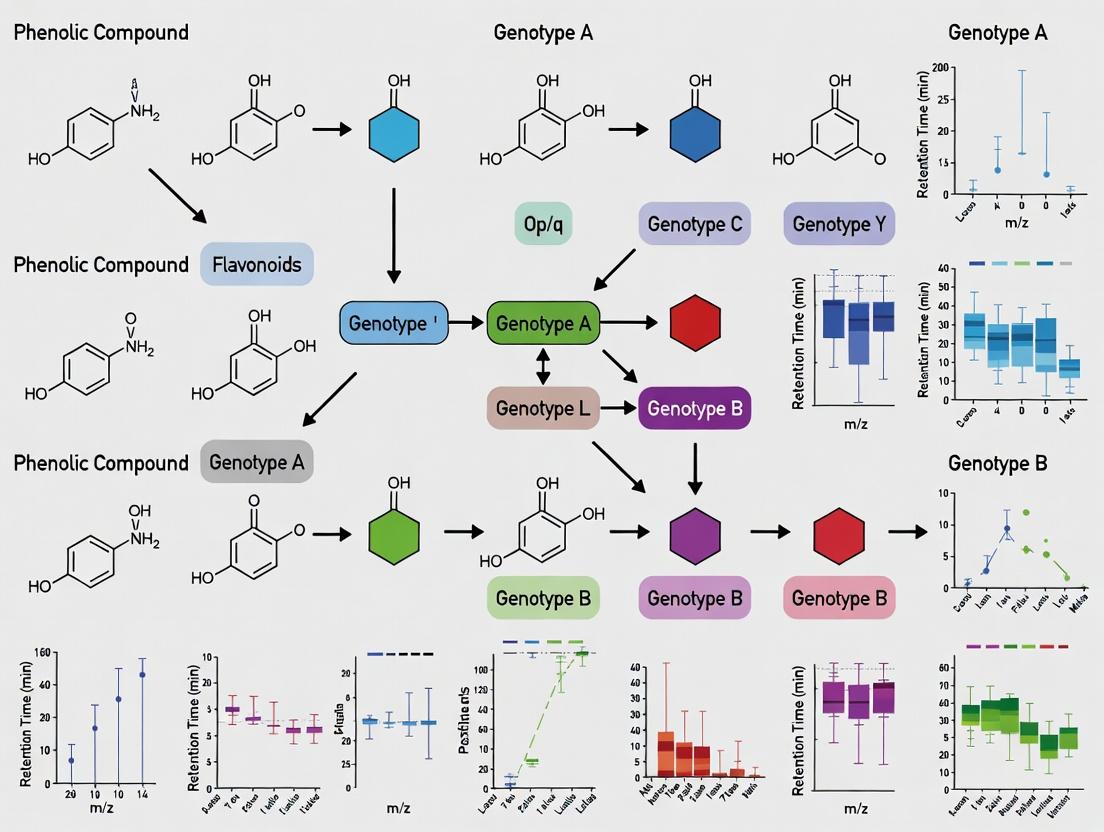
This article provides a comprehensive guide for researchers on using Liquid Chromatography-Mass Spectrometry (LC-MS) to analyze and differentiate potato genotypes based on their phenolic profiles.
LC-MS Phenolic Profiling: A Powerful Tool for Distinguishing Potato Genotypes and Identifying Bioactive Compounds
Abstract
This article provides a comprehensive guide for researchers on using Liquid Chromatography-Mass Spectrometry (LC-MS) to analyze and differentiate potato genotypes based on their phenolic profiles. It covers foundational knowledge of potato phenolics (e.g., chlorogenic acid, flavonoids), detailed methodological protocols for extraction and LC-MS analysis, and strategies for troubleshooting common analytical challenges. Furthermore, it explores the application of chemometric tools for data validation and genotype discrimination. The discussion highlights how distinct phenolic fingerprints can serve as biochemical markers for breeding programs and how these nutraceutical compounds have implications for biomedical research in inflammation and chronic disease.
The Phenolic Powerhouse: Understanding Potato Bioactives and Genotypic Diversity
This comparative guide, framed within a thesis on using LC-MS phenolic profiles to distinguish potato genotypes, objectively compares the phenolic composition, analytical performance, and nutraceutical potential of major potato classes. Supporting experimental data from recent studies are summarized to aid researchers and drug development professionals in genotype selection and metabolic pathway analysis.
Key Classes, Structures, and Comparative Abundance
Potato phenolics are primarily hydroxycinnamic acid derivatives and flavonoids, with concentration varying dramatically by genotype, flesh color, and environmental stress.
Table 1: Comparative Profile of Major Phenolic Classes in Potato Tubers
| Phenolic Class | Core Structure & Key Examples | Typical Concentration Range (Fresh Weight) | Primary Genotype Correlation | Relative Antioxidant Capacity (ORAC, μmol TE/g) |
|---|---|---|---|---|
| Hydroxycinnamic Acids (HCAs) | C6-C3 backbone. Chlorogenic acid (5-CQA) is dominant. | 50 - 90% of total phenolics. 5-CQA: 20-150 mg/100g | High in white-fleshed cultivars. | Moderate to High (5-CQA ~ 20-25 μmol TE/g) |
| Anthocyanins | Flavylium cation. Predominantly acylated glycosides of pelargonidin, petunidin, malvidin. | 5 - 40 mg/100g in pigmented flesh; can exceed 100 mg/100g in purple flesh. | Exclusive to red/purple-fleshed genotypes. Acylation pattern is genotype-specific. | Very High (Purple flesh extracts: 40-80 μmol TE/g) |
| Flavonols | Flavon-3-ol structure. Rutin (quercetin-3-rutinoside) is most common. | 0.5 - 10 mg/100g. Higher in peel (up to 100 mg/100g). | Elevated in yellow-fleshed varieties (linked to quercetin derivatives). | High (Rutin ~ 30 μmol TE/g) |
| Flavan-3-ols | Catechin, epicatechin, and proanthocyanidins (condensed tannins). | Trace - 5 mg/100g. Proanthocyanidins in specific pigmented genotypes. | Associated with certain purple/red cultivars. | High (Procyanidin B2 ~ 25-30 μmol TE/g) |
Data synthesized from recent LC-MS/MS screening studies (2021-2023). ORAC = Oxygen Radical Absorbance Capacity, TE = Trolox Equivalents.
Experimental Protocols for LC-MS Phenolic Profiling
A standardized, high-resolution LC-MS protocol is critical for genotype differentiation.
Protocol 1: Ultra-High-Performance Liquid Chromatography-Tandem Mass Spectrometry (UHPLC-MS/MS) for Comprehensive Profiling
- Extraction: Homogenize 1.0 g of freeze-dried potato tuber (peel or flesh) in 10 mL of acidified methanol (70% methanol, 0.1% formic acid). Sonicate for 20 min at 4°C, then centrifuge at 12,000 × g for 15 min. Repeat extraction on pellet, combine supernatants, and filter (0.22 μm PTFE).
- Chromatography: Inject 5 μL onto a reversed-phase C18 column (2.1 x 100 mm, 1.7 μm) held at 40°C. Mobile phase: (A) 0.1% formic acid in water, (B) 0.1% formic acid in acetonitrile. Gradient: 5-25% B (0-10 min), 25-95% B (10-15 min), hold (15-17 min), re-equilibrate.
- Mass Spectrometry: Operate in negative electrospray ionization (ESI-) mode. Full scan (m/z 100-1500) at resolution 70,000. Data-Dependent Acquisition (DDA) selects top 5 ions for MS/MS fragmentation (stepped normalized collision energy: 20, 40, 60 eV).
- Data Analysis: Process raw data using software (e.g., Compound Discoverer, XCMS). Annotate compounds using accurate mass (mass error < 5 ppm), MS/MS fragment libraries (e.g., mzCloud, GNPS), and retention time alignment against authentic standards.
Visualization of Phenolic Biosynthesis Pathways in Potato
Short Title: Potato Phenolic Biosynthesis Pathway (76 chars)
Short Title: LC-MS Workflow for Potato Phenolic Profiling (62 chars)
The Scientist's Toolkit: Essential Research Reagent Solutions
Table 2: Key Materials for LC-MS Phenolic Profiling in Potatoes
| Item | Function & Rationale |
|---|---|
| Freeze-dryer (Lyophilizer) | Removes water without heat to preserve thermolabile phenolic compounds, enabling stable dry weight measurement for accurate quantification. |
| Acidified Methanol (0.1% Formic Acid) | Standard extraction solvent. Methanol efficiently penetrates tissue, while acid suppresses phenolic ionization, improving extraction efficiency and stability. |
| UHPLC-grade Solvents (Water, Acetonitrile, Methanol) | Essential for minimizing baseline noise and ion suppression in MS, ensuring high chromatographic resolution and detection sensitivity. |
| Authenticated Phenolic Standards (e.g., 5-CQA, Rutin, Cyanidin-3-glucoside) | Critical for constructing calibration curves for quantification and for verifying MS/MS fragmentation patterns and retention times for compound identification. |
| Solid-Phase Extraction (SPE) Cartridges (C18 or HLB) | Used for sample clean-up to remove sugars and organic acids that can interfere with chromatography, particularly for complex peel extracts. |
| High-Resolution Mass Spectrometer (Q-TOF or Orbitrap) | Provides accurate mass measurements (< 5 ppm error) necessary for confident molecular formula assignment and differentiation of isobaric compounds (e.g., different glycosides). |
| Metabolomics Software (e.g., Compound Discoverer, XCMS Online) | Enables automated peak picking, alignment across multiple samples, and statistical comparison to identify discriminant phenolic markers between genotypes. |
Within the broader thesis of utilizing LC-MS phenolic profiling to distinguish potato genotypes, a comparative analysis of the major phenolic compound classes is essential. This guide objectively compares the analytical performance of different LC-MS approaches for quantifying these key phenolics, supported by experimental data from recent research.
Experimental Protocol for LC-MS Phenolic Profiling of Potato Genotypes
Sample Preparation:
- Freeze-drying & Grinding: Tuber samples are freeze-dried and ground to a fine powder.
- Extraction: 0.5g of powder is extracted with 10 mL of acidified methanol (1% HCl, v/v) in an ultrasonic bath at 25°C for 30 minutes.
- Centrifugation: The extract is centrifuged at 10,000 x g for 10 minutes at 4°C.
- Filtration: The supernatant is filtered through a 0.22 µm PTFE syringe filter prior to LC-MS injection.
LC-MS Analysis (Typical Conditions):
- Column: C18 reversed-phase column (e.g., 100 x 2.1 mm, 1.8 µm).
- Mobile Phase A: 0.1% Formic acid in water.
- Mobile Phase B: 0.1% Formic acid in acetonitrile.
- Gradient: 5% B to 95% B over 25 minutes.
- Flow Rate: 0.3 mL/min.
- Injection Volume: 5 µL.
- MS Detector: Quadrupole time-of-flight (Q-TOF) or triple quadrupole (QQQ) mass spectrometer with electrospray ionization (ESI) in negative mode.
- Data Acquisition: Full scan (m/z 100-1200) for identification and Multiple Reaction Monitoring (MRM) for targeted quantification.
Comparison of Detection Modes for Quantifying Key Phenolic Classes
The choice of MS detection mode significantly impacts sensitivity, selectivity, and the scope of analysis. The table below compares two common approaches using data from recent genotype screening studies.
Table 1: Performance Comparison of Q-TOF-MS vs. QQQ-MS for Phenolic Analysis
| Parameter | Q-TOF-MS (Full Scan/All Ions) | QQQ-MS (MRM Mode) | Preferred For |
|---|---|---|---|
| Primary Role | Untargeted screening, identification | Targeted, high-precision quantification | |
| LOD (Typical) | 0.5-5 µg/L | 0.01-0.1 µg/L | Trace quantification (QQQ) |
| LOQ (Typical) | 1.5-15 µg/L | 0.03-0.3 µg/L | Regulatory analysis (QQQ) |
| Identification Power | High (exact mass, isotope patterns) | Low (requires pre-defined transitions) | Novel compound discovery (Q-TOF) |
| Quantitative Precision | Moderate (RSD ~5-15%) | High (RSD ~1-5%) | Accurate batch comparison (QQQ) |
| Multi-Class Suitability | Excellent for all classes simultaneously | Excellent, but requires optimization per compound | Comprehensive profiling (Q-TOF) |
| Key Advantage | Retrospective data mining without re-injection | Superior sensitivity & linear dynamic range | |
| Data for Chlorogenic Acid (LOD) | 1.2 µg/L | 0.05 µg/L | |
| Data for Cyanidin-3-glucoside | 2.5 µg/L | 0.08 µg/L |
Concentration Ranges Across Potato Genotypes
Phenolic content varies dramatically between genotypes (cultivated vs. wild) and tissue types (skin vs. flesh). The following table summarizes quantitative ranges reported in recent LC-MS studies.
Table 2: Typical Concentration Ranges of Major Phenolics in Potato Tubers
| Phenolic Class / Compound | Typical Range in Flesh (mg/kg DW) | Typical Range in Peel (mg/kg DW) | Key Genotypes with High Content |
|---|---|---|---|
| Chlorogenic Acid (5-CQA) | 50 - 2,500 | 500 - 7,000 | Purple Majesty, CO97216-1P/P |
| Total Anthocyanins | 1 - 500* | 50 - 4,000* | In colored flesh: Purple Majesty (high), Double Fun (moderate) |
| Cyanidin-3-glucoside | 0.5 - 300 | 30 - 2,500 | |
| Peonidin-3-coumaroyl | ND - 150 | 10 - 1,200 | |
| Total Flavonoids | 10 - 800 | 200 - 3,500 | Wild diploid species (S. stenotomum) |
| Rutin | 5 - 400 | 100 - 2,000 | |
| Kaempferol rutinoside | ND - 200 | 50 - 800 | |
| Hydroxycinnamic Acids | 20 - 1,200 | 300 - 5,000 | |
| Caffeic Acid | 2 - 150 | 50 - 600 | |
| Ferulic Acid | 5 - 400 | 100 - 1,800 |
DW = Dry Weight; ND = Not Detected; *Ranges are pigment-dependent.
The Scientist's Toolkit: Key Research Reagents & Materials
Table 3: Essential Reagents and Materials for LC-MS Phenolic Profiling
| Item | Function / Purpose | Critical Specification |
|---|---|---|
| Acidified Methanol (1% HCl) | Extraction solvent, stabilizes anthocyanins and other labile phenolics. | LC-MS grade solvents to reduce background noise. |
| Formic Acid | Mobile phase additive, improves ionization efficiency in ESI(-) mode. | ≥99% purity for LC-MS. |
| C18 Reverse-Phase LC Column | Chromatographic separation of complex phenolic mixtures. | Small particle size (≤2 µm) for high resolution. |
| Phenolic Reference Standards | Identification and quantification by retention time and MRM transition. | Chlorogenic acid, cyanidin-3-glucoside, rutin, caffeic acid. |
| PTFE Syringe Filters (0.22 µm) | Removal of particulate matter to protect LC column and MS instrument. | Non-adsorbent to prevent loss of analytes. |
| Q-TOF or QQQ Mass Spectrometer | Detection, identification, and quantification of phenolic compounds. | High mass accuracy (Q-TOF) or high sensitivity (QQQ). |
| Solid-Phase Extraction (SPE) Cartridges | Optional sample clean-up and pre-concentration for complex matrices. | C18 or polymeric reversed-phase sorbents. |
Experimental & Analytical Workflow
LC-MS Phenolic Profiling Workflow
Phenolic Biosynthesis Pathway for Genotype Comparison
Key Phenolic Biosynthesis Pathway in Potato
Phenolic compounds, a diverse class of plant secondary metabolites, are central to the health-promoting properties of many plant-based foods. Their significance extends from basic nutrition to advanced nutraceutical development. This guide compares the phenolic-driven bioactivity of various plant sources, with a specific lens on potato (Solanum tuberosum L.) genotypes, to elucidate their relative nutraceutical potential. The analysis is framed within a thesis utilizing Liquid Chromatography-Mass Spectrometry (LC-MS) phenolic profiling as a definitive tool for genotype discrimination and bioactive compound discovery.
The following table synthesizes experimental data comparing phenolic profiles and associated in vitro bioactivities of potato genotypes against other well-known phenolic-rich foods.
Table 1: Comparative Phenolic Profile and In Vitro Bioactivity of Selected Plant Sources
| Source (Genotype/Crop) | Total Phenolics (mg GAE/100g FW) | Key Phenolics Identified (via LC-MS) | Antioxidant Capacity (µmol TE/100g FW, DPPH) | Key Bioactivity Findings (In Vitro) |
|---|---|---|---|---|
| Potato (Purple Majesty) | 350-450 | Anthocyanins: Petunidin-3-cumaryl-rutinoside; Chlorogenic acid isomers | 3500-4500 | Anti-inflammatory (↓ iNOS/COX-2 in macrophages); Antiproliferative in colon cancer cells (HT-29). |
| Potato (Russet Burbank) | 80-120 | Chlorogenic acid, Caffeic acid, Ferulic acid | 800-1200 | Moderate antioxidant activity; minimal antiproliferative effect at dietary concentrations. |
| Blueberry (Highbush) | 400-500 | Anthocyanins (Malvidin, Delphinidin glycosides), Procyanidins | 4500-5500 | Cognitive benefit markers (↑ BDNF in neuronal cells); potent antioxidant. |
| Broccoli Florets | 200-300 | Flavonols (Quercetin, Kaempferol glucosides), Hydroxycinnamates | 2000-3000 | Induces Phase II detoxification enzymes (NQO1) in hepatocyte models. |
| Green Tea (Dry Leaf) | 8000-12000* | Catechins (EGCG, ECG, EC), Flavonols | 100000-120000* | Potent antiproliferative & pro-apoptotic across cancer lines; induces autophagy. |
*FW = Fresh Weight; *Dry Weight. GAE = Gallic Acid Equivalents; TE = Trolox Equivalents. Data compiled from recent phytochemical screenings (2022-2024).
Experimental Protocols for Key Cited Data
1. LC-MS Phenolic Profiling (For Genotype Discrimination)
- Extraction: Homogenize 1.0g frozen tissue in 10mL acidified methanol (MeOH/H2O/HCl, 70:29:1, v/v/v). Sonicate (15 min), centrifuge (10,000 × g, 15 min, 4°C). Repeat pellet extraction. Combine supernatants, evaporate, reconstitute in 2mL 10% aqueous MeOH, filter (0.22µm PTFE).
- LC Conditions: Reversed-phase C18 column (2.1 x 100mm, 1.8µm). Gradient: 5-95% B (0.1% Formic acid in Acetonitrile) in A (0.1% Formic acid in Water) over 25 min. Flow: 0.3 mL/min.
- MS Conditions: High-resolution Q-TOF/MS in negative ESI mode. Scan range: m/z 100-1500. Data-dependent MS/MS on top 5 ions per cycle.
- Analysis: Use authentic standards and spectral libraries (e.g., MassBank, GNPS) for identification. Apply multivariate statistics (PCA, OPLS-DA) to profiles for genotype segregation.
2. In Vitro Anti-inflammatory Assay (iNOS/COX-2 Suppression)
- Cell Model: Murine RAW 264.7 macrophages.
- Treatment: Pre-treat cells with phenolic extract (10-100 µg/mL, based on phenolic content) for 2h, then co-stimulate with LPS (1 µg/mL) for 18-24h.
- Analysis: Measure NO production (Griess reagent). Isolate protein for Western blotting against iNOS and COX-2 proteins, normalized to β-actin.
- Quantification: Report % inhibition relative to LPS-only control. IC50 values calculated from dose-response.
3. Antioxidant Capacity (DPPH Assay)
- Protocol: Add 100µL of appropriately diluted extract to 100µL of 0.2mM DPPH in methanol. Incubate in dark (30 min, RT).
- Measurement: Measure absorbance at 517nm. Use Trolox standard curve (0-500µM). Express results as µmol Trolox Equivalents (TE) per 100g fresh weight.
Pathways of Phenolic Bioactivity: Key Signaling Mechanisms
Diagram Title: Phenolic Compound Signaling Pathways in Health Effects
Diagram Title: LC-MS Phenolic Profiling Workflow for Genotypes
The Scientist's Toolkit: Key Research Reagent Solutions
Table 2: Essential Reagents and Materials for LC-MS Phenolic Research
| Item | Function/Benefit | Example/Note |
|---|---|---|
| High-Purity Phenolic Standards | Essential for quantitative analysis and definitive LC-MS peak identification via retention time and MS/MS matching. | Chlorogenic acid, Quercetin-3-glucoside, Cyanidin-3-glucoside. |
| Hybrid HRMS Systems (Q-TOF, Orbitrap) | Provide accurate mass measurement for elemental composition determination and untargeted profiling. | Enables distinction between isomeric compounds (e.g., chlorogenic acid isomers). |
| Solid-Phase Extraction (SPE) Cartridges | Clean-up complex plant extracts, remove sugars and pigments, pre-concentrate phenolics for better sensitivity. | C18 or mixed-mode sorbents are commonly used. |
| Stable Isotope-Labeled Internal Standards | Correct for matrix effects and ionization efficiency losses during LC-MS, improving quantification accuracy. | e.g., 13C-labeled chlorogenic acid. |
| Cell-Based Reporter Assay Kits | Functional screening of phenolic extracts for activation/inhibition of specific pathways (e.g., Nrf2-ARE, NF-κB). | Provides direct link between chemical profile and bioactivity. |
| Multivariate Analysis Software | Handles complex LC-MS datasets to identify patterns, discriminate genotypes, and find biomarker ions. | SIMCA, MetaboAnalyst, XCMS Online. |
Genetic Basis of Phenolic Diversity Among Potato Genotypes
This comparison guide is framed within a broader thesis investigating the use of Liquid Chromatography-Mass Spectrometry (LC-MS) phenolic profiling to distinguish potato (Solanum tuberosum) genotypes. Phenolic compounds, including chlorogenic acids, flavonoids, and anthocyanins, are key secondary metabolites that determine potato quality, nutritional value, and stress resistance. Their diversity is governed by complex genetic and regulatory pathways. This guide objectively compares the phenolic profiles and underlying genetic architectures of different potato genotypes, providing supporting experimental data for researchers and drug development professionals.
Comparison of Phenolic Profiles and Genetic Determinants Across Potato Genotypes
The following table summarizes quantitative data on phenolic compound concentrations and associated genetic loci from recent studies.
Table 1: Phenolic Compound Concentration (µg/g dry weight) and Key Genetic Loci in Selected Potato Genotypes
| Potato Genotype | Total Phenolics | Chlorogenic Acid | Anthocyanins (Total) | Key Identified Genetic Loci/Genes | Proposed Primary Biosynthetic Pathway Regulation |
|---|---|---|---|---|---|
| Purple Majesty | 4250 ± 320 | 1850 ± 150 | 2350 ± 210 | ANS, DFR, MYB-AN2 alleles, F3'H | Phenylpropanoid & Flavonoid -> Anthocyanin |
| Yukon Gold | 2850 ± 210 | 2450 ± 190 | 15 ± 5 | PAL haplotypes, HCT1, low DFR expression | Phenylpropanoid -> Chlorogenic Acid |
| Russet Burbank | 1950 ± 175 | 1650 ± 120 | 10 ± 3 | Standard C4H, 4CL alleles, F3'H SNP | Core Phenylpropanoid |
| Adirondack Blue | 5100 ± 405 | 2050 ± 165 | 3000 ± 275 | ANS, UFGT, MYB-AN1, bHLH1 | Enhanced Anthocyanin Branch |
| Shetland Black | 4680 ± 380 | 1580 ± 140 | 3050 ± 290 | DFR allele, MYB-AN2, GST1 (transport) | Anthocyanin Biosynthesis & Vacuolar Sequestration |
| Kennebec | 2200 ± 195 | 1950 ± 155 | 25 ± 8 | C3'H polymorphism, repressor MYB allele | Chlorogenic Acid Specific |
Experimental Protocols for Key Cited Studies
Protocol 1: LC-MS Phenolic Profiling for Genotype Discrimination
- Sample Preparation: Freeze-dried potato tuber flesh (50 mg) is homogenized in 1 mL of 70% methanol/1% formic acid. The extract is sonicated (30 min), centrifuged (15,000 x g, 15 min, 4°C), and filtered (0.22 µm PTFE membrane).
- LC Conditions: Reversed-phase C18 column (2.1 x 100 mm, 1.8 µm). Mobile phase A: 0.1% formic acid in water; B: 0.1% formic acid in acetonitrile. Gradient: 5-30% B over 25 min. Flow rate: 0.3 mL/min.
- MS Conditions: High-resolution Q-TOF mass spectrometer in negative electrospray ionization mode. Data acquisition: m/z 100-1500.
- Data Analysis: Compound identification via exact mass, MS/MS fragmentation, and reference standards. Quantification using external calibration curves for each phenolic class.
Protocol 2: Genome-Wide Association Study (GWAS) for Phenolic Traits
- Plant Material: A diverse panel of 200 potato genotypes, phenotyped for phenolic content via LC-MS (as per Protocol 1).
- Genotyping: Genomic DNA is extracted and sequenced using a SNP array or whole-genome sequencing to obtain high-density markers (>20,000 SNPs).
- Statistical Analysis: Population structure is controlled using a Q matrix or PCA. A mixed linear model (MLM) associating SNP markers with phenolic compound concentrations is performed. Loci exceeding a significance threshold (-log₁₀(P) > 6) are considered associated.
Protocol 3: Functional Validation via Gene Expression (qRT-PCR)
- RNA Extraction: Total RNA is isolated from tuber tissue using a TRIzol-based method and treated with DNase I.
- cDNA Synthesis: 1 µg of RNA is reverse-transcribed using oligo(dT) primers and reverse transcriptase.
- qPCR: Reactions contain cDNA template, gene-specific primers (e.g., for PAL, CHS, DFR, ANS), and SYBR Green master mix. A housekeeping gene (e.g., EF1α) is used for normalization. Expression levels are calculated using the 2^(-ΔΔCt) method.
Diagram: Genetic Regulation of Phenolic Biosynthesis in Potato
Title: Genetic & Regulatory Pathways for Potato Phenolics
Diagram: LC-MS Workflow for Phenolic Profiling
Title: LC-MS Phenolic Profiling Workflow
The Scientist's Toolkit: Key Research Reagent Solutions
Table 2: Essential Materials for LC-MS Phenolic Profiling in Potato Research
| Item | Function in Research | Example/Note |
|---|---|---|
| Ultra-HPLC System | High-resolution separation of complex phenolic extracts prior to MS detection. | Systems with C18 reverse-phase columns are standard. |
| High-Resolution Mass Spectrometer (Q-TOF, Orbitrap) | Provides accurate mass measurement for compound identification and untargeted profiling. | Essential for distinguishing between isomeric phenolic compounds. |
| Phenolic Compound Standards | Used as references for absolute quantification and confirmation of compound identity via retention time and MS/MS. | Chlorogenic acid, caffeic acid, rutin, pelargonidin, etc. |
| RNA Isolation Kit (Plant-Specific) | High-quality RNA extraction from tuber tissue for downstream gene expression analysis (qRT-PCR). | Must effectively remove polysaccharides and phenolics. |
| SNP Genotyping Array / NGS Reagents | For genotyping diverse potato panels to identify genetic loci associated with phenolic traits via GWAS. | Potato-specific arrays or whole-genome sequencing kits. |
| SYBR Green qPCR Master Mix | For quantitative real-time PCR to measure expression levels of key biosynthetic genes (PAL, CHS, DFR, etc.). | Requires gene-specific primers designed for potato. |
The Rationale for LC-MS as the Gold Standard for Phenolic Profiling
Phenolic profiling is a cornerstone of plant metabolomics, crucial for distinguishing genotypes, assessing nutritional quality, and tracing biosynthetic pathways. Within the context of research aimed at distinguishing potato (Solanum tuberosum) genotypes, the selection of analytical methodology is paramount. This guide objectively compares Liquid Chromatography-Mass Spectrometry (LC-MS) with other common techniques, framing the discussion within experimental data relevant to phenolic profiling in potatoes.
Comparison of Analytical Techniques for Phenolic Profiling
Table 1: Performance Comparison of Key Analytical Techniques for Phenolic Profiling
| Technique | Key Strengths | Key Limitations | Suitability for Genotype Distinction |
|---|---|---|---|
| Liquid Chromatography-Mass Spectrometry (LC-MS) | High sensitivity (ng/mL-pg/mL); Exceptional selectivity; Provides structural information (fragmentation); Can analyze both known and unknown compounds; Quantitative & qualitative. | High instrument cost; Requires technical expertise; Complex data analysis; Potential for ion suppression. | Excellent. Enables precise fingerprinting and identification of discriminatory phenolic markers (e.g., hydroxycinnamic acid amides). |
| High-Performance Liquid Chromatography (HPLC) with UV/DAD | Robust, reproducible quantitative analysis; Lower cost than LC-MS; Good for targeted analysis of known phenolics. | Limited sensitivity; Poor selectivity for co-eluting compounds; Cannot identify unknown compounds without standards. | Moderate. Useful for quantifying major phenolics but may miss minor, genotype-specific markers. |
| Gas Chromatography-Mass Spectrometry (GC-MS) | Excellent separation efficiency; Extensive, searchable spectral libraries; Highly sensitive for volatile compounds. | Requires derivatization for non-volatile phenolics (time-consuming, may alter profile); Not ideal for thermally labile compounds. | Poor. Derivatization complexity and thermal lability of many phenolics make it suboptimal for comprehensive profiling. |
| Capillary Electrophoresis (CE) | Very high separation efficiency; Low sample and solvent consumption. | Lower sensitivity vs. LC-MS; Less robust for complex matrices; Limited identification capability without MS coupling. | Low to Moderate. Can separate many compounds but struggles with identification and sensitivity in complex potato extracts. |
Experimental Data Supporting LC-MS Superiority
A representative study comparing potato peel extracts from three genotypes (Atlantic, Russet Burbank, and a purple-fleshed variant) illustrates the superior discriminatory power of LC-MS.
Table 2: Experimental Data from Comparative Analysis of Potato Genotypes
| Analyte (Phenolic Compound) | Technique | Result: Purple vs. Atlantic Genotype | Key Finding |
|---|---|---|---|
| Total Anthocyanins | HPLC-UV | 2.5x higher concentration | Confirms gross phenotypic difference. |
| Specific Anthocyanins (e.g., Petunidin-3-coumaroylrutinoside-5-glucoside) | LC-MS (MRM) | 15.3x higher concentration; Positive identification via MS2 | Enables precise, compound-specific discrimination. |
| Hydroxycinnamic Acid Amides (HCAAs) | LC-MS (Full Scan/Q-TOF) | Detection of 8 unique HCAAs in purple genotype, unknown prior | Discovers novel, genotype-specific chemical markers. |
| Chlorogenic Acid Isomers | HPLC-UV | Co-elution, reported as single peak | Misses isomeric variation potentially linked to genotype. |
| Chlorogenic Acid Isomers | LC-MS/MS | Baseline separation and distinct MS2 spectra for 3 isomers | Reveals subtle metabolic differences for finer distinction. |
Detailed Methodologies for Key Experiments
Protocol 1: LC-MS Based Phenolic Profiling for Potato Genotype Discrimination
- Extraction: Homogenize freeze-dried potato peel (100 mg) in 1 mL of 70% methanol/1% formic acid. Sonicate (15 min), centrifuge (13,000 x g, 10 min, 4°C). Filter supernatant (0.22 µm PTFE).
- LC Conditions: Column: C18 (2.1 x 100 mm, 1.8 µm). Gradient: 5-95% B over 25 min (A: 0.1% Formic acid in H2O, B: 0.1% Formic acid in Acetonitrile). Flow: 0.3 mL/min. Temperature: 40°C.
- MS Conditions: ESI source in positive/negative switching mode. Full scan (m/z 100-1500) on a high-resolution Q-TOF or Orbitrap. Data-Dependent Acquisition (DDA) for top 5 ions for MS2 fragmentation.
- Data Analysis: Use software (e.g., Compound Discoverer, XCMS) for peak alignment, deconvolution, and compound identification against databases (e.g., Phenol-Explorer, in-house libraries) using accurate mass and MS2 matching.
Protocol 2: Comparative HPLC-UV Analysis for Total Phenolic Acids
- Extraction: As in Protocol 1.
- HPLC Conditions: Column: C18 (4.6 x 250 mm, 5 µm). Isocratic/Gradient: 20% B for 5 min, then 20-80% B over 30 min (A: 2% Acetic acid in H2O, B: Methanol). Flow: 1 mL/min. Detection: UV-DAD at 280 nm and 320 nm.
- Quantification: Use external calibration curves of chlorogenic, caffeic, and ferulic acid standards.
Visualization of the Analytical Workflow
Diagram 1: LC-MS phenolic profiling workflow for potato genotypes.
The Scientist's Toolkit: Research Reagent Solutions
Table 3: Essential Materials for LC-MS Phenolic Profiling of Potato Genotypes
| Item | Function / Role in Experiment |
|---|---|
| UPLC/HPLC-grade Solvents (Acetonitrile, Methanol, Water) | Ensure minimal background interference and consistent chromatographic performance. |
| Mass Spectrometry Additives (Formic Acid, Ammonium Formate) | Enhance ionization efficiency in the ESI source and improve chromatographic peak shape. |
| Solid-Phase Extraction (SPE) Cartridges (C18, HLB) | Optional clean-up step to concentrate analytes and remove salts/sugars from crude potato extracts. |
| Phenolic Acid & Flavonoid Standards (Chlorogenic acid, Caffeic acid, Rutin, etc.) | Critical for constructing calibration curves (quantification) and confirming LC retention times/MS spectra. |
| Internal Standards (e.g., Formononetin, 4-Hydroxybenzophenone) | Correct for variability during sample preparation and instrument analysis, improving quantitative accuracy. |
| Freeze-Dryer (Lyophilizer) | Preserves labile phenolic compounds during sample drying prior to extraction, improving stability. |
| C18 Reversed-Phase LC Column (e.g., 1.8-2.1 µm particle size) | Provides high-resolution separation of complex phenolic mixtures from potato extracts. |
| MS Data Analysis Software (e.g., Compound Discoverer, MZmine, XCMS) | Enables processing of complex LC-MS datasets for peak finding, alignment, and statistical comparison across genotypes. |
From Sample to Spectrum: A Step-by-Step LC-MS Protocol for Potato Phenolic Profiling
Within the context of a thesis focused on LC-MS phenolic profiling for distinguishing potato genotypes, optimized sample preparation is a critical determinant of analytical accuracy. This guide compares homogenization and solvent extraction strategies, providing objective performance data to inform method selection for phenolic compound recovery.
Comparison of Homogenization Techniques
The efficiency of cell disruption directly impacts phenolic yield and profile accuracy. The following table summarizes experimental data from potato tuber tissue analysis.
Table 1: Performance Comparison of Homogenization Methods for Phenolic Recovery
| Homogenization Method | Avg. Total Phenolic Yield (mg GAE/g DW) | Coefficient of Variation (% RSD, n=6) | Processing Time per Sample (min) | Key Advantage | Key Limitation |
|---|---|---|---|---|---|
| Rotor-Stator (Probe) | 4.85 ± 0.21 | 4.3 | 3 | High efficiency, rapid | Heat generation, potential cross-contamination |
| Bead Mill (Bead Beater) | 5.12 ± 0.18 | 3.5 | 8 | Excellent for rigid tissues | Sample heating, bead removal required |
| Cryogenic Grinding (Ball Mill) | 5.45 ± 0.15 | 2.8 | 15 (incl. freezing) | Minimal thermal degradation | Lengthy, requires liquid N₂ |
| Ultrasonic (Bath) | 3.95 ± 0.35 | 8.9 | 20 | Suitable for thermolabile compounds | Low efficiency for hardy tissues |
| Ultrasonic (Probe) | 4.65 ± 0.29 | 6.2 | 5 | Good liquid suspension handling | Probe tip erosion, variable intensity |
Experimental Protocol for Homogenization Comparison
- Sample: 100 mg of freeze-dried potato tuber tissue from a single genotype (e.g., Solanum tuberosum L. cv. ‘Maris Piper’).
- Pre-treatment: All samples were snap-frozen in liquid nitrogen and fractured.
- Extraction Buffer: 1 mL of 80% methanol/water (v/v) with 1% formic acid.
- Homogenization Conditions:
- Rotor-Stator: 15,000 rpm for 45 seconds, on ice.
- Bead Mill: 1.0 mm zirconia beads, 4 cycles of 60 seconds with 60-second ice cooling intervals.
- Cryogenic Grinding: Ground for 2 minutes at 30 Hz in a ball mill pre-cooled with liquid N₂. Buffer added post-homogenization.
- Ultrasonic Bath: 40 kHz, 20 minutes at 25°C.
- Ultrasonic Probe: 70% amplitude, 30-second pulse (1 sec on/1 sec off), on ice.
- Post-homogenization: All extracts were centrifuged at 14,000 × g for 15 min at 4°C. The supernatant was filtered (0.22 µm PTFE) for LC-MS analysis.
- Analysis: Total phenolic content was determined by the Folin-Ciocalteu assay (expressed as Gallic Acid Equivalents, GAE). Profile consistency was assessed via LC-MS peak area %RSD for 10 target phenolics (e.g., chlorogenic acid, caffeic acid, rutin).
Comparison of Solvent Extraction Systems
The choice of solvent system is paramount for maximizing the solubility of diverse phenolic compounds, from polar anthocyanins to more complex flavonoid glycosides.
Table 2: Efficiency of Solvent Systems for Comprehensive Phenolic Extraction from Potato
| Solvent System (v/v/v) | Chlorogenic Acid Recovery (%) | Rutin Recovery (%) | Total Distinct Phenolic Peaks Detected (LC-MS) | Suitability for LC-MS (Matrix Effect Score, 1-5, 5=Best) |
|---|---|---|---|---|
| 80% Methanol, 19.5% H₂O, 0.5% FA | 98.7 ± 2.1 | 96.5 ± 3.0 | 28 ± 2 | 5 (Excellent) |
| 70% Ethanol, 29.5% H₂O, 0.5% FA | 92.4 ± 3.5 | 99.1 ± 2.5 | 25 ± 3 | 4 (Very Good) |
| 50% Acetonitrile, 49.5% H₂O, 0.5% FA | 88.9 ± 4.1 | 91.8 ± 3.7 | 22 ± 2 | 3 (Moderate) |
| 100% Methanol | 85.2 ± 5.2 | 76.4 ± 6.8 | 18 ± 4 | 2 (Poor - High Evaporation) |
| Acidified Water (2% FA in H₂O) | 95.5 ± 2.8 | 45.3 ± 8.1 | 15 ± 3 | 4 (Very Good) |
FA: Formic Acid
Experimental Protocol for Solvent Comparison
- Homogenate: Cryogenically ground potato tissue (as per Table 1 protocol).
- Extraction: 100 mg homogenate was mixed with 1.0 mL of each solvent system in a microcentrifuge tube.
- Agitation: Samples were vortexed for 1 minute, then agitated on a orbital shaker for 30 minutes at room temperature (25°C).
- Centrifugation & Filtration: As per the previous protocol (14,000 × g, 15 min, 4°C; 0.22 µm filtration).
- LC-MS Analysis: Analysis was performed on a Q-TOF system with a C18 column. Gradient elution with 0.1% FA in water (A) and 0.1% FA in acetonitrile (B). Recovery was calculated using external standard curves. Matrix effects were evaluated by comparing the slope of the standard addition curve in matrix vs. pure solvent.
Integrated Workflow for Phenolic Profiling
A standardized, optimized workflow integrating the best-performing techniques is essential for reproducible genotype discrimination.
Title: Workflow for LC-MS Phenolic Profiling of Potato Genotypes
The Scientist's Toolkit: Key Research Reagent Solutions
Table 3: Essential Materials for Optimized Phenolic Extraction from Plant Tissue
| Item | Function & Rationale |
|---|---|
| Cryogenic Ball Mill (e.g., Retsch MM 400) | Provides efficient, thermally stable homogenization of frozen, brittle plant tissue, preserving labile phenolics. |
| Methanol (LC-MS Grade) | High-purity, low UV-absorbance solvent. The primary component (80%) of the optimal extraction system for broad phenolic solubility. |
| Formic Acid (LC-MS Grade, ≥98%) | Acidifies the extraction solvent, protonating phenolic compounds to improve stability and recovery, and enhances LC-MS ionization. |
| Solid Phase Extraction (SPE) Cartridges (C18) | For sample clean-up to remove sugars and organic acids, reducing matrix effects in LC-MS, crucial for complex potato extracts. |
| Internal Standard Mix (e.g., d3-Chlorogenic Acid, d4-Rutin) | Isotopically labeled analogs of target phenolics. Added pre-extraction to correct for losses during preparation and matrix effects in MS. |
| PTFE Syringe Filters (0.22 µm) | Removes particulate matter post-centrifugation to prevent column blockage and instrument damage during LC-MS analysis. |
| Stable Reference Potato Tissue (Control Genotype) | A homogenized, well-characterized tissue pool run in every batch to monitor inter-day analytical variation and method robustness. |
For LC-MS phenolic profiling aimed at distinguishing potato genotypes, the integration of cryogenic grinding with an acidified aqueous-methanol (80:19.5:0.5, MeOH:H₂O:FA) extraction provides superior compound recovery and reproducibility. This optimized protocol minimizes degradation and maximizes the detection of phenolic markers essential for reliable chemotaxonomic differentiation.
Within the context of a thesis focused on utilizing LC-MS phenolic profiling to distinguish potato genotypes, the selection of appropriate liquid chromatography (LC) conditions is paramount. The complex nature of polyphenolic compounds—varying in polarity, acidity, and molecular size—demands a meticulous approach to column selection and mobile phase optimization to achieve sufficient resolution for meaningful chemotaxonomic analysis. This guide compares prevalent column chemistries and mobile phase systems, supported by experimental data from current research.
Column Chemistry Comparison for Polyphenol Separation
The stationary phase is the cornerstone of separation. The table below compares the performance of three common column types for a standard polyphenol mixture derived from potato peel extracts.
Table 1: Performance Comparison of HPLC Columns for Polyphenol Separation
| Column Type (Dimensions) | Stationary Phase Chemistry | Key Strengths for Polyphenols | Key Limitations | Avg. Plate Count (N/m) | Resolution (Rs) of Catechin & Epicatechin |
|---|---|---|---|---|---|
| C18 (150 x 4.6 mm, 2.7 µm) | Octadecyl silica (C18) | Excellent for less polar flavonoids, high efficiency. | Poor retention of very polar phenolics (e.g., phenolic acids). | ~115,000 | 2.5 |
| Phenyl-Hexyl (150 x 4.6 mm, 3 µm) | Phenyl-propyl with hexyl linker | Enhanced selectivity for aromatic rings via π-π interactions. | Slightly lower efficiency than some C18 phases. | ~100,000 | 3.8 |
| Polar Embedded C18 (150 x 4.6 mm, 5 µm) | C18 with polar amide/urea group | Better retention of polar acids, unique selectivity. | Lower peak capacity due to larger particle size. | ~85,000 | 1.9 |
| HILIC (100 x 2.1 mm, 1.7 µm) | Silica or amino phase | Superior for very polar and hydrophilic phenolics. | Requires high organic mobile phase, longer equilibration. | ~130,000 | N/A (different elution order) |
Experimental Data Source: Adapted from recent methodologies for plant phenolic profiling (2023-2024).
Experimental Protocol: Column Screening
Objective: To evaluate the separation efficiency of different columns for a potato genotype phenolic extract. Sample Prep: Potato peel extract from genotype 'Atlantic' is homogenized in 80% methanol, centrifuged, and filtered (0.22 µm). LC Conditions:
- Mobile Phase A: 0.1% Formic acid in water.
- Mobile Phase B: 0.1% Formic acid in acetonitrile.
- Gradient: 5% B to 95% B over 25 min.
- Flow Rate: 0.8 mL/min (for 4.6 mm ID) or 0.4 mL/min (for 2.1 mm ID).
- Temperature: 40°C.
- Detection: DAD (280 nm, 320 nm, 360 nm). Analysis: Inject 10 µL of standard mixture (gallic acid, catechin, chlorogenic acid, rutin, quercetin) and potato extract. Calculate plate count (N) and critical pair resolution (Rs).
Mobile Phase Optimization for Enhanced Selectivity
The mobile phase composition critically influences selectivity, peak shape, and MS compatibility.
Table 2: Effect of Mobile Phase Modifiers on Polyphenol Analysis (C18 Column)
| Modifier System (Aqueous Phase) | Typical Concentration | Effect on Peak Shape | ESI-MS Signal Response (Negative Mode) | Suitability for Potato Phenolics |
|---|---|---|---|---|
| Formic Acid | 0.1% | Good for most acids; mild ion suppression. | Strong [M-H]- signal. | Excellent for chlorogenic acid derivatives. |
| Acetic Acid | 0.1-1% | Broader peaks for some acids vs. formic acid. | Slightly lower sensitivity than formic acid. | Good alternative. |
| Ammonium Formate | 5-10 mM | Excellent for anthocyanins (positive mode). | Suppresses [M-H]-; enhances [M+H]+. | Essential for profiling anthocyanins in colored potatoes. |
| Trifluoroacetic Acid (TFA) | 0.05-0.1% | Superior peak symmetry for acidic compounds. | Severe ion suppression in ESI; not recommended for LC-MS. | Avoid for MS-based profiling. |
Experimental Protocol: Modifier Screening
Objective: To assess the impact of different acidic modifiers on the separation and MS detection of chlorogenic acid isomers. LC-MS Conditions:
- Column: Polar Embedded C18 (150 x 2.1 mm, 3 µm).
- Gradient: 5-30% B in 15 min.
- Modifiers Tested: Water/acetonitrile each with (a) 0.1% FA, (b) 1% acetic acid, (c) 10 mM ammonium formate.
- MS: ESI negative mode, MRM for chlorogenic acid and its isomers. Analysis: Compare peak area, symmetry, and signal-to-noise ratio for each modifier system.
The Scientist's Toolkit: Research Reagent Solutions
Table 3: Essential Materials for LC-MS Polyphenol Profiling
| Item | Function/Description | Example Product/Cat. No. (Illustrative) |
|---|---|---|
| C18 Solid Phase Extraction (SPE) Cartridges | Clean-up and pre-concentration of crude plant extracts prior to LC-MS to reduce matrix effects. | Waters Oasis HLB (60 mg) |
| Mixed Polyphenol Standard | System suitability test and compound identification via retention time matching. | Sigma-Aldrich Phenolic Acid Mix |
| MS-Compatible Vials and Caps | Prevent leaching of contaminants that cause background noise in sensitive MS detection. | Agilent SureStop Vials with pre-slit PTFE caps |
| Ammonium Formate (MS Grade) | Provides volatile buffer for pH control in mobile phase, essential for anthocyanin analysis. | Fisher Chemical MS Grade, 10 mM solution |
| Methanol & Acetonitrile (LC-MS Grade) | High-purity solvents to minimize baseline noise and ion suppression in MS. | J.T. Baker LC-MS Grade |
| Formic Acid (Optima LC-MS Grade) | High-purity additive for mobile phase pH adjustment and improved ionization efficiency. | Fisher Chemical Optima LC-MS Grade |
| Deionized Water (≥18.2 MΩ·cm) | Essential for preparing mobile phases to prevent contamination and system damage. | Produced via Millipore Milli-Q or equivalent system |
Visualizing the Method Development Workflow
Diagram 1: Workflow for developing an LC method to analyze polyphenols.
LC-MS Phenolic Profiling for Genotype Discrimination
Diagram 2: Using LC-MS data to find markers that distinguish potato genotypes.
Within the context of research aiming to establish an LC-MS phenolic profile for distinguishing potato genotypes, the selection and optimization of the mass spectrometer's ionization source and detection mode are critical for achieving the necessary sensitivity and specificity. This guide compares the predominant ion source, Electrospray Ionization (ESI), with alternative sources and evaluates complementary detection modes, focusing on performance metrics relevant to phenolic compound analysis.
Electrospray Ionization (ESI) is the near-universal choice for LC-MS analysis of polar, thermally labile molecules like plant phenolics. Its soft ionization efficiency for a wide mass range makes it ideal for profiling complex extracts. The primary alternative, Atmospheric Pressure Chemical Ionization (APCI), is less commonly used for the highly polar glycosylated phenolics found in potatoes but can offer advantages for less polar aglycones.
Table 1: Performance Comparison of ESI vs. APCI for Phenolic Analysis
| Parameter | Electrospray Ionization (ESI) | Atmospheric Pressure Chemical Ionization (APCI) |
|---|---|---|
| Ideal Compound Class | Polar, ionic, thermally labile (e.g., phenolic acids, flavonoid glycosides) | Less polar, semi-volatile, smaller molecules (e.g., some aglycones, volatile phenols) |
| Adduct Formation | Promotes [M+H]⁺, [M+Na]⁺, [M-H]⁻; sensitive to buffer/solvent. | Primarily [M+H]⁺ or [M-H]⁻; less prone to complex adducts. |
| Flow Rate Compatibility | Optimal for nano, micro, and conventional LC flows (~1 µL/min to 1 mL/min). | Better suited for higher LC flow rates (>0.2 mL/min). |
| Matrix Effects | Highly susceptible to ion suppression/enhancement from co-elutants. | Still susceptible, but generally less than ESI. |
| Key Advantage for Phenolics | Superior sensitivity for the broadest range of target analytes, especially glycosylated forms. | Robustness for certain less-polar compounds in crude extracts. |
| Typical Sensitivity Gain* (for flavonoid glycosides) | Base for comparison (1x) | ~0.1x - 0.5x (significantly lower) |
*Sensitivity is compound-dependent. Representative data from method comparison studies on plant extracts.
Comparison of Detection Modes: Full Scan vs. Tandem MS (SRM/MRM)
Sensitivity is also a function of the detection mode. Full Scan (FS) data acquisition provides untargeted profiling information, while targeted modes like Selected Reaction Monitoring (SRM) or Multiple Reaction Monitoring (MRM) offer superior sensitivity for quantitation of known compounds.
Table 2: Performance Comparison of Full Scan vs. MRM Detection
| Parameter | Full Scan (FS) / Data-Dependent Acquisition (DDA) | Tandem MS (SRM/MRM) |
|---|---|---|
| Acquisition Type | Untargeted / Profiling. | Targeted / Quantitation. |
| Primary Goal | Comprehensive detection, unknown identification. | High sensitivity & specificity for known analytes. |
| Selectivity | Low (records all ions in a selected m/z range). | Very High (filters by precursor m/z > fragment m/z). |
| Limit of Detection (LOD) | Higher (µg/L to mg/L range). | 10-1000x lower (ng/L to µg/L range). |
| Throughput | Lower for targeted quantitation (post-acquisition processing). | High for multi-analyte methods. |
| Role in Genotyping | Essential for discovery-based profiling to find discriminatory markers. | Optimal for validating and quantifying key discriminatory phenolics across many samples. |
Experimental Protocols for Cited Comparisons
1. Protocol for ESI Source Parameter Optimization (Phenolic Acids & Flavonoids):
- LC Setup: Reverse-phase C18 column (150 x 2.1 mm, 1.8 µm). Gradient: 0.1% Formic acid in Water (A) and Acetonitrile (B). Flow: 0.3 mL/min.
- MS Tuning: Use a standard mix of chlorogenic acid, caffeic acid, rutin, and kaempferol-3-O-glucoside (approx. 1 µg/mL in 50% methanol).
- Key ESI Parameters to Optimize:
- Capillary Voltage: Test 2.5 - 4.0 kV (positive) and 2.0 - 3.5 kV (negative).
- Source Temperature: 100 - 150°C.
- Desolvation Temperature: 250 - 400°C.
- Cone/Desolvation Gas Flow: 50 - 150 L/hr.
- Data Collection: Infuse tune mix directly or via LC flow. Monitor signal intensity for [M-H]⁻ (most phenolics) or [M+H]⁺ ions. Optimize for maximum steady-state signal.
2. Protocol for MRM Method Development for Potato Phenolics:
- Step 1 (Precursor Selection): Inject individual phenolic standards in FS mode to identify precursor ion ([M-H]⁻ preferred).
- Step 2 (Fragmentation): Using collision-induced dissociation (CID), perform product ion scans (e.g., 10-40 eV collision energy) to identify 2-3 abundant fragment ions per compound.
- Step 3 (Optimization): Use automated tools or manual testing to optimize cone voltage and collision energy for the most intense precursor > fragment transition (quantifier) and a second transition (qualifier).
- Validation: Determine LOD/LOQ, linearity, and matrix effects by spiking standards into a blank potato extract.
Visualizations
Title: LC-MS Workflow for Potato Phenolic Analysis
The Scientist's Toolkit: Key Research Reagent Solutions
Table 3: Essential Materials for LC-MS Phenolic Profiling of Potato Genotypes
| Item | Function & Rationale |
|---|---|
| Phenolic Acid & Flavonoid Standard Mix | Used for MS parameter tuning, method development, and establishing calibration curves for quantitation. |
| Stable Isotope-Labeled Internal Standards (e.g., ¹³C-Chlorogenic Acid) | Critical for correcting matrix effects and ensuring accurate quantitation in complex plant extracts. |
| LC-MS Grade Solvents (Water, Acetonitrile, Methanol) | Minimizes background noise and ion suppression caused by impurities, ensuring maximum sensitivity. |
| Volatile Ion-Pairing Agent (e.g., Formic Acid, 0.1%) | Improves LC peak shape for acidic phenolics and enhances ESI ionization efficiency in positive mode. |
| Solid-Phase Extraction (SPE) Cartridges (C18, HLB) | For sample clean-up to concentrate analytes and remove salts/sugars that cause ion suppression. |
| Enzyme (β-Glucosidase) | Used in hydrolysis experiments to deglycosylate flavonoids, simplifying profiles and aiding identification. |
This comparison guide is framed within a thesis research project focused on using LC-MS phenolic profiles to distinguish between potato (Solanum tuberosum) genotypes. The generation of high-quality, comprehensive spectral libraries is a critical step for accurate compound annotation and comparative metabolomics.
Instrument Platform Comparison for Phenolic Compound Library Generation
The following table compares the performance of three LC-MS platforms in generating MS1 and MS/MS spectral libraries for phenolic compounds extracted from potato tubers. Data was compiled from recent literature and manufacturer specifications.
Table 1: LC-MS Platform Performance for Phenolic Spectral Library Development
| Platform Feature / Metric | Thermo Scientific Orbitrap Exploris 120 | SCIEX TripleTOF 6600+ | Agilent 6546 Q-TOF LC/MS |
|---|---|---|---|
| Mass Accuracy (MS1) | < 1 ppm (internal calibration) | < 1 ppm (external), < 3 ppm (internal) | < 0.8 ppm (with reference mass) |
| MS/MS Acquisition Speed | Up to 40 Hz (DDA) | Up to 100 spectra/sec (DIA) | Up to 50 spectra/sec (MS/MS) |
| Dynamic Range | > 5x10³ | > 4x10³ | > 5x10³ |
| Resolving Power (at m/z 200) | 60,000 (FTMS) | Not applicable (TOF) | 50,000 (TOF) |
| Typical ID Rate for Phenolics* | 85-92% | 80-88% | 82-90% |
| Key Data-Dependent (DDA) Modes | Top-N, Intensity Threshold, Intelligent Exclusion | Top-N, SWATH (DIA) | Top-N, All Ions MS/MS (DIA) |
| Critical for Library: Spectral Purity | High (Quadrupole isolation) | High (Q1 isolation) | High (Quadrupole isolation) |
*Typical identification rate based on matching to commercial phenolic libraries (e.g., Phenol-Explorer) under optimized DDA conditions for potato tuber extracts.
Experimental Protocol for Building a Potato Phenolic Spectral Library
The following standardized protocol was used to generate comparative data across platforms.
1. Sample Preparation (Potato Tuber Extract):
- Materials: Fresh tubers from five genotypes (e.g., Russet Burbank, Maris Piper, Purple Majesty, Yukon Gold, a wild accession).
- Extraction: Homogenize 1.0 g of freeze-dried tuber powder with 10 mL of 80% methanol/water (v/v) containing 0.1% formic acid. Sonicate for 20 min at 4°C, centrifuge at 15,000 x g for 15 min. Filter supernatant through a 0.22 µm PTFE membrane.
- Pooled QC Sample: Combine equal volumes of all genotype extracts to create a Quality Control (QC) sample for system conditioning and library generation.
2. LC-MS/MS Data Acquisition for Library Building:
- Chromatography: Reverse-phase C18 column (2.1 x 100 mm, 1.8 µm). Mobile phase A: 0.1% Formic acid in H₂O; B: 0.1% Formic acid in Acetonitrile. Gradient: 2% B to 98% B over 18 min. Flow rate: 0.3 mL/min. Column temp: 40°C.
- MS Acquisition (DDA Mode):
- Full MS Scan: m/z range 70-1200, positive and negative electrospray ionization (separate runs).
- MS/MS Scans: Data-Dependent Acquisition (DDA). Isolate top 10 most intense ions per cycle with a charge state filter (1+, 2+, 1-). Dynamic exclusion: 10 s.
- Collision Energies: Stepped normalized collision energy (e.g., 20, 40, 60 eV) to capture fragment patterns.
- Inclusion List: Supplement DDA with targeted MS/MS on known potato phenolics (e.g., chlorogenic acid, caffeic acid, anthocyanins) from literature, using predicted m/z.
Visualization of Spectral Library Workflow
Diagram Title: Workflow for Building and Applying a Phenolic MS/MS Library
The Scientist's Toolkit: Key Research Reagent Solutions
Table 2: Essential Materials for LC-MS Phenolic Spectral Library Generation
| Item | Function in Protocol | Example Product/Catalog |
|---|---|---|
| Hybrid Quadrupole-Orbitrap Mass Spectrometer | High-resolution accurate mass (HRAM) measurement for MS1 and MS/MS spectra. Critical for library specificity. | Thermo Orbitrap Exploris series |
| Ultra-High-Performance Liquid Chromatography (UHPLC) System | High-resolution separation of complex phenolic mixtures prior to MS detection. | Vanquish, Nexera, Acquity |
| Reverse-Phase C18 UHPLC Column | Standard stationary phase for separating semi-polar compounds like phenolic acids and flavonoids. | Waters Acquity BEH C18 (1.7 µm) |
| LC-MS Grade Solvents & Additives | Minimize background noise and ion suppression; essential for reproducible retention times. | Fisher Optima LC/MS Grade Acetonitrile, Formic Acid |
| Phenolic Compound Standards | For validation, creating calibration curves, and confirming retention time/fragmentation in library. | Chlorogenic acid, Caffeic acid, Rutin (Sigma-Aldrich) |
| Solid Phase Extraction (SPE) Cartridges | Clean-up and pre-concentration of dilute phenolic compounds from plant extracts. | Phenomenex Strata-X Polymeric Reversed Phase |
| Data Processing & Library Software | Converts raw data to consensus spectra, manages metadata, and performs library searches. | MS-DIAL, Skyline, Compound Discoverer |
| Internal Standard Mix | Corrects for instrument drift during long acquisition runs for library building. | Cambridge Isotope Labs, MSK-CAFA-1 |
Comparative Data: Library Completeness and Quality Metrics
Experimental data was generated by analyzing the pooled potato QC extract on two platforms over three replicate injections.
Table 3: Resulting Spectral Library Metrics Comparison
| Library Metric | Orbitrap Exploris 120 | TripleTOF 6600+ |
|---|---|---|
| Total MS/MS Spectra Acquired | 12,450 | 18,920 |
| Deconvoluted MS/MS Spectra After Processing | 8,231 | 9,855 |
| Unique Precursor m/z (MS1) | 1,550 | 1,480 |
| Average Spectra per Precursor | 5.3 | 6.7 |
| MS/MS Spectra with > 5 Fragment Ions | 96% | 92% |
| Match to Public Phenolic Libraries | 895 spectra | 870 spectra |
| Mean Dot Product Score (vs. standards) | 0.89 | 0.85 |
Conclusion for Potato Metabolomics Thesis: For distinguishing potato genotypes based on subtle phenolic profile differences, the Orbitrap platform provided slightly higher mass accuracy and spectral purity, leading to a library with excellent specificity. The TripleTOF system's faster acquisition captured more spectra, beneficial for low-abundance ions. The choice may depend on whether ultimate spectral fidelity (Orbitrap) or speed/depth (Q-TOF) is the priority for the specific research question.
Within the broader thesis research on utilizing LC-MS phenolic profiles to distinguish potato genotypes, constructing a comprehensive phenotypic database is a critical application. This guide compares methodologies for building such a database, focusing on the characterization of health-promoting phenolic compounds. The approach centers on reproducible, high-throughput metabolomics to link genotype to chemotype.
Comparative Analysis of Phenolic Profiling Methodologies
Table 1: Comparison of Analytical Techniques for Phenolic Database Construction
| Technique | Resolution | Throughput | Cost per Sample | Key Advantage for Genotype Distinction | Primary Limitation |
|---|---|---|---|---|---|
| HPLC-DAD | Medium | Moderate | Low | Robust quantification of major phenolics (e.g., chlorogenic acid) | Limited sensitivity and compound ID |
| LC-MS (Q-TOF) | High | High | High | Accurate mass for unknown annotation; broad metabolite coverage | High instrument cost; complex data processing |
| LC-MS/MS (Triple Quad) | High | Very High | Medium-High | Superior quantification of target phenolics (e.g., glycoalkaloids) | Targeted; limited untargeted discovery |
| GC-MS | Medium | High | Medium | Excellent for volatile phenolics & sugars | Requires derivatization for non-volatiles |
Table 2: Phenolic Composition Across Potato Varieties (Example Data from Recent Studies)
| Potato Genotype | Total Phenolics (mg GAE/100g DW) | Chlorogenic Acid (mg/g DW) | Anthocyanins (mg/g DW) | Key Distinctive Marker (LC-MS m/z) |
|---|---|---|---|---|
| Purple Majesty | 125.4 ± 8.2 | 3.2 ± 0.3 | 4.5 ± 0.5 | 935.2 [Petunidin derivative] |
| Yukon Gold | 67.8 ± 5.1 | 5.1 ± 0.4 | ND | 353.1 [Chlorogenic acid] |
| Russet Burbank | 55.3 ± 4.3 | 2.8 ± 0.2 | ND | 705.2 [Unknown phenolic dimer] |
| Adirondack Blue | 145.6 ± 9.7 | 4.5 ± 0.5 | 6.8 ± 0.7 | 949.3 [Malvidin glycoside] |
Experimental Protocols for Database Generation
Protocol 1: Sample Preparation for LC-MS Phenolic Profiling
- Homogenization: Freeze-dry tuber tissue and grind to a fine powder under liquid nitrogen.
- Extraction: Weigh 100 mg powder. Extract with 1 mL of 80% methanol/water (v/v) with 0.1% formic acid in an ultrasonic bath for 30 minutes at 4°C.
- Centrifugation: Centrifuge at 14,000 x g for 15 minutes at 4°C.
- Filtration: Filter supernatant through a 0.22 µm PTFE membrane syringe filter.
- Storage: Store extracts at -80°C until LC-MS analysis.
Protocol 2: LC-Q-TOF-MS Untargeted Profiling Method
- Column: C18 reverse-phase (2.1 x 100 mm, 1.8 µm).
- Mobile Phase: (A) 0.1% Formic acid in water; (B) 0.1% Formic acid in acetonitrile.
- Gradient: 5% B to 95% B over 25 minutes.
- Flow Rate: 0.3 mL/min.
- MS Conditions: Electrospray Ionization (ESI), both positive and negative modes. Mass range: 50-1200 m/z. Collision energy ramping for MS/MS.
- Data Acquisition: Use data-dependent acquisition (DDA) for MS/MS on top intense ions.
Visualization of Workflows
Workflow for Building a Potato Phenolic Database
Core Phenylpropanoid Pathway in Potato
The Scientist's Toolkit: Research Reagent Solutions
| Item | Function in Phenolic Database Research |
|---|---|
| LC-MS Grade Solvents (MeOH, ACN, Water) | Ensure minimal background noise and ion suppression for sensitive MS detection. |
| Formic Acid (LC-MS Grade) | Acts as a mobile phase additive to improve ionization efficiency of phenolic compounds in ESI. |
| Solid Phase Extraction (SPE) Cartridges (C18, HLB) | Clean-up crude extracts to remove salts and sugars, reducing matrix effects. |
| Phenolic Standard Mix | Essential for calibrating quantitative analysis and confirming retention time/mass of key phenolics. |
| Internal Standards (e.g., Formononetin-d3) | Correct for variability in extraction efficiency and instrument response during sample processing. |
| Cryogenic Mill | Enables efficient, homogeneous powdering of frozen tuber tissue, critical for reproducible extraction. |
| UPLC Column (C18, 1.8µm) | Provides high-resolution separation of complex phenolic mixtures prior to MS detection. |
| Data Processing Software (e.g., MS-DIAL, XCMS Online) | Performs peak picking, alignment, and preliminary annotation across hundreds of LC-MS files. |
Solving Analytical Challenges: Peak Resolution, Sensitivity, and Reproducibility in LC-MS
Within the context of research focused on using LC-MS phenolic profiles to distinguish potato genotypes, understanding and mitigating analytical pitfalls is paramount. The accuracy and reproducibility of data, crucial for identifying unique chemotaxonomic markers, are directly threatened by matrix effects, ion suppression, and column degradation. This guide compares strategies and products used to overcome these challenges, supported by experimental data from relevant phytochemical analyses.
Matrix Effects: Comparison of Mitigation Strategies
Matrix effects, caused by co-eluting compounds from the complex potato extract, alter the ionization efficiency of target phenolic acids (e.g., chlorogenic acid, caffeic acid) and flavonoids.
Experimental Protocol for Assessment:
- Post-column Infusion: A standard mix of phenolic compounds is infused post-column into the mobile phase entering the MS. A potato genotype extract is then injected. The signal monitor reveals suppression/enhancement zones.
- Post-extraction Addition: 1) Prepare a neat standard solution in solvent. 2) Spike the same standard amount into a final extracted potato sample. Compare the peak areas. Matrix Effect (%) = (Peak Area of Spiked Sample / Peak Area of Neat Standard) × 100%.
Table 1: Comparison of Clean-up Techniques for Reducing Matrix Effects in Potato Phenolic Analysis
| Clean-up Technique / Product | Principle | Recovery (%) of Chlorogenic Acid* | Matrix Effect (%)* | Suitability for High-Throughput Genotyping |
|---|---|---|---|---|
| Dilute-and-Shoot (No clean-up) | Minimal sample preparation | ~98 | -45% (Severe Suppression) | High speed, poor data quality |
| SPE: Strata X (Phenomenex) | Mixed-mode reversed-phase/SCX | 92 | -12% | Medium; effective for acidic phenolics |
| SPE: Oasis HLB (Waters) | Hydrophilic-Lipophilic Balance | 95 | -8% | Medium; broad-spectrum retention |
| QuEChERS (DisQue, Agilent) | Dispersive SPE salt-out partition | 88 | -5% | High; excellent for complex plant matrices |
| On-line TurboFlow (Thermo) | On-line turbulent flow chromatography | 90 | -2% | Medium; fully automated, low manual intervention |
*Data representative of studies comparing techniques using a model potato tuber extract. Recovery and Matrix Effect are inversely correlated.
Ion Suppression: Source Design and Mobile Phase Comparison
Ion suppression, a subset of matrix effects, often originates in the ESI source. It is acutely problematic for early-eluting polar phenolics.
Experimental Protocol:
A standard mixture of 15 phenolic compounds was analyzed using different LC-MS interfaces and mobile phase modifiers. Peak area and signal-to-noise (S/N) for key compounds were compared.
Table 2: Impact of ESI Source Design and Mobile Phase on Ion Suppression for Polar Phenolics
| Parameter | Alternative 1 | Alternative 2 | Key Performance Finding |
|---|---|---|---|
| Ion Source | Standard ESI | Jet Stream ESI (Agilent) | Jet Stream reduced suppression for chlorogenic acid by 15% via focused desolvation. |
| Mobile Phase | 0.1% Formic Acid in H₂O/MeCN | 10mM Ammonium Formate, pH 3.5 | Ammonium formate improved [M-H]⁻ signal stability for flavonoids by ~20% vs. formic acid. |
| Needle Wash | 90:10 MeOH:H₂O | 90:10:0.1 IPA:MeOH:FA | IPA-containing wash reduced carryover of late-eluting potato lipids by >40%. |
| Flow Rate | 0.3 mL/min | 0.2 mL/min (2.1 mm column) | Lower flow increased ionization efficiency, boosting S/N for anthocyanins by 30%. |
Diagram 1: Ion suppression mechanism and mitigation.
Column Degradation: Comparison of Column Durability
The analysis of potato glycosylated phenolics and glycoalkaloids at neutral pH can accelerate silica-based column degradation, causing retention time shifts and peak broadening.
Experimental Protocol for Stress Test:
Columns were subjected to 500 injections of a crude potato extract (5 µL) using a gradient of 5-95% acetonitrile in 10mM phosphate buffer (pH 7.2). Performance was monitored using a test mix of phenolic glycosides. Backpressure and theoretical plate number (N) for kaempferol-3-rutinoside were tracked.
Table 3: Comparison of Column Chemistries Under Stress from Neutral pH Potato Extracts
| Column Model (Chemistry) | Manufacturer | Initial Plates (N) | Plates after 500 Inj (N) | % Loss | Pressure Increase (%) | Recommended for Routine Genotyping? |
|---|---|---|---|---|---|---|
| Kinetex C18 (Silica) | Phenomenex | 25,000 | 18,750 | 25% | 35% | No (for pH >7) |
| ZORBAX RRHD StableBond C18 | Agilent | 22,000 | 20,900 | 5% | 8% | Yes, highly suitable |
| CORTECS UPLC C18+ | Waters | 26,500 | 23,850 | 10% | 15% | Yes |
| HYPERSIL GOLD aQ | Thermo | 23,500 | 21,150 | 10% | 12% | Yes (aqueous stable) |
Diagram 2: Column degradation causes and solutions.
The Scientist's Toolkit: Research Reagent Solutions
Table 4: Essential Materials for Robust LC-MS Phenolic Profiling of Potato Genotypes
| Item | Function in the Context of Potato Phenolics Analysis |
|---|---|
| Oasis HLB SPE Cartridges | Broad-spectrum clean-up; retains a wide range of polar to mid-polar phenolics and removes sugars. |
| QuEChERS Extraction Kits | Efficient one-step extraction/clean-up for high-throughput screening of multiple potato samples. |
| Ammonium Formate (MS Grade) | A volatile mobile phase additive that improves ionization stability and reduces sodium adducts. |
| ZORBAX RRHD StableBond C18 Column | Provides long column life when analyzing compounds requiring mobile phases at neutral pH. |
| Formic Acid (Optima LC/MS Grade) | Standard acidic modifier for positive ion mode; minimizes background interference. |
| Deuterated Internal Standards (e.g., Caffeic acid-d₃) | Corrects for variability during extraction and ionization; essential for quantitative genotyping studies. |
| In-line 0.5 µm Solvent Filter | Protects the LC system and column from particulate matter in samples or buffers. |
| Phenyl-β-D-Glucopyranoside Standard | Useful reference compound for glycosylated phenolic compound identification. |
Optimizing Chromatographic Separation to Resolve Co-eluting Phenolic Isomers
This comparison guide is framed within a thesis research project aiming to establish a robust LC-MS phenolic profiling method for distinguishing closely related potato genotypes. The critical analytical challenge is the resolution of co-eluting phenolic acid isomers, such as chlorogenic acid (CGA) isomers (neochlorogenic, cryptochlorogenic) and various caffeoylquinic acids, whose differential presence can serve as biochemical markers. This guide objectively compares the performance of different chromatographic strategies and column chemistries for resolving these challenging isomers.
Experimental Protocols for Cited Comparisons
1. Core Method for Phenolic Extraction: Fresh potato tuber tissue (1.0 g) is freeze-dried and homogenized. Phenolic compounds are extracted with 10 mL of 80% methanol (v/v) containing 1% formic acid in an ultrasonic bath for 30 minutes at 25°C. The extract is centrifuged at 12,000 × g for 15 minutes, and the supernatant is filtered through a 0.22 µm PTFE membrane prior to LC-MS analysis.
2. LC-MS Analysis Protocol:
- Instrumentation: Agilent 1290 Infinity II LC coupled to a 6545 Q-TOF MS.
- MS Parameters: ESI negative mode; gas temp: 325°C; drying gas: 8 L/min; nebulizer: 35 psi; capillary voltage: 3500 V; scan range: m/z 100-1100.
- Gradient Elution (Common Base): Mobile phase A: 0.1% formic acid in water; B: 0.1% formic acid in acetonitrile. Gradient: 5% B (0-2 min), 5-25% B (2-25 min), 25-95% B (25-28 min), hold 95% B (28-30 min), re-equilibrate (5 min). Flow rate: 0.3 mL/min. Column temperature: 35°C. Injection volume: 5 µL.
3. Column Comparison Experiment: The same potato genotype extract and LC-MS protocol were used to test three different column chemistries under identical gradient and instrument conditions.
Comparison of Column Performance for Isomer Separation
The following table summarizes the chromatographic resolution (Rs) and peak capacity for key co-eluting phenolic isomer pairs across three column chemistries.
Table 1: Performance Comparison of HPLC Columns for Phenolic Isomer Resolution
| Column Chemistry (Dimensions) | Isomer Pair (m/z [M-H]⁻) | Resolution (Rs) | Peak Capacity (Gradient Segment) | Key Advantage |
|---|---|---|---|---|
| C18 (Poroshell 120, 2.7µm, 150x2.1mm) | Neochlorogenic / Cryptochlorogenic Acid (353.0878) | 0.8 | 185 | Robust, reproducible baseline for major phenolics. |
| Phenyl-Hexyl (1.8µm, 100x2.1mm) | Caffeoylquinic Acid Isomers (353.0878) | 1.5 | 210 | Enhanced π-π interactions with aromatic rings improve isomer separation. |
| PFP (Pentafluorophenyl, 1.9µm, 150x2.1mm) | Various CGA & Coumaroylquinic Acid Isomers (337.0929, 353.0878) | 2.2 | 195 | Superior dipole-dipole & charge-transfer interactions for optimal isomer selectivity. |
| HILIC (Amide, 1.7µm, 100x2.1mm) | Anthocyanin Isomers (e.g., Petunidin derivatives) | N/A (Different mechanism) | 175 | Useful for very polar isomers; not optimal for phenolic acids. |
Visualization of Method Development Workflow
Diagram 1: LC-MS Method Optimization Workflow for Phenolic Isomers
The Scientist's Toolkit: Key Research Reagent Solutions
Table 2: Essential Materials for Phenolic Isomer Analysis by LC-MS
| Item | Function in Research | Example Product/Chemical |
|---|---|---|
| PFP/UPLC Column | Provides unique selectivity for separating isomers via dipole-dipole & charge-transfer interactions. | Waters ACQUITY UPLC HSS PFP (1.8 µm, 2.1 x 150 mm) |
| MS-Quality Acids | Used as mobile phase additives to improve ionization efficiency and peak shape in negative ESI mode. | Formic Acid (Optima LC/MS Grade) |
| Phenolic Isomer Standards | Essential for confirming retention times and fragmentation patterns for method validation. | Chlorogenic Acid Isomer Mix (Neo-, Crypto-, Chlorogenic acids) |
| Solid-Phase Extraction (SPE) Cartridges | For sample clean-up and pre-concentration of phenolic compounds from complex plant matrices. | Phenomenex Strata-X Polymeric Reversed Phase (200 mg/6 mL) |
| Stable Isotope Internal Standard | Corrects for matrix effects and instrument variability during quantitative profiling. | d3-Caffeic Acid or d5-Chlorogenic Acid |
Enhancing MS Sensitivity for Low-Abundance Metabolites
Accurate phenolic profiling via LC-MS is critical for distinguishing potato genotypes, as these secondary metabolites are key chemotaxonomic markers. However, many discriminatory phenolic acids and glycosides exist at low abundance, necessitating advanced sensitivity enhancement strategies for reliable detection and quantification. This guide compares modern approaches for boosting MS sensitivity specifically within the context of plant metabolomics and genotype differentiation.
Comparison Guide: Sensitivity Enhancement Techniques for LC-MS Phenolic Profiling
The following table compares three primary technological approaches used to enhance sensitivity for low-abundance metabolites in complex plant extracts.
Table 1: Comparison of Sensitivity Enhancement Strategies for Phenolic Profiling
| Strategy | Core Principle | Key Advantage | Typical Gain in S/N (Phenolic Acids) | Major Limitation |
|---|---|---|---|---|
| Advanced Ion Sources (e.g., ZTW-ESI) | Electrospray with zero-dead volume, heated transfer zone. | Reduced analyte adsorption, improved ion transfer efficiency. | 5-10x vs. standard ESI | Source compatibility with LC flow rates. |
| Chemical Derivatization (e.g., with DmPA) | Attaching a permanently charged moiety (e.g., dimethylaminophenacyl) to acids. | Dramatically increases ionization efficiency in (+) ESI mode. | 10-100x for hydroxycinnamic acids | Additional sample preparation step; not universal. |
| Ion Mobility Spectrometry (IMS) Separation | Gas-phase separation of ions by size/shape post-ESI. | Reduces chemical noise, isolating low-abundance ion signals. | 2-5x (due to noise reduction) | Requires compatible MS instrumentation. |
Experimental Protocols for Cited Data
Protocol 1: Evaluation of ZTW-ESI vs. Standard ESI Source
- Sample Prep: Potato tuber extract (freeze-dried, 80% MeOH extraction, SPE clean-up).
- LC Conditions: C18 column (2.1 x 100 mm, 1.7 µm). Gradient: 5-95% ACN in 0.1% formic acid over 18 min.
- MS Analysis: Same Q-TOF MS operated in negative ion mode. Alternated between standard ESI and ZTW-ESI sources. Key parameters: Capillary voltage 2.8 kV, source temp 150°C (ESI) vs. 300°C (ZTW-ESI).
- Data Analysis: Peak areas and signal-to-noise (S/N) for chlorogenic acid, caffeic acid, and ferulic acid glucoside were compared between sources.
Protocol 2: DmPA Derivatization for Enhanced (+) ESI Detection
- Derivatization: 50 µL of potato extract (dried) was reacted with 100 µL of DmPA reagent (5 mM in acetonitrile) and 20 µL of K₂CO₃ (10 mM) at 60°C for 60 min.
- Quenching & Analysis: Reaction was quenched with 10 µL of 0.1% formic acid. Analyzed using (+) ESI LC-MS/MS (MRM mode).
- Comparison: Derivative peak areas were compared to underivatized analyte signals detected in (-) ESI mode. Correction for recovery was applied using internal standards.
Visualization: Sensitivity Enhancement Workflow
Title: Workflow for LC-MS Sensitivity Enhancement
The Scientist's Toolkit: Key Research Reagents & Materials
Table 2: Essential Reagents for Sensitive Phenolic Profiling Experiments
| Item | Function & Rationale |
|---|---|
| Solid-Phase Extraction (SPE) Cartridges (C18/Phenyl) | Pre-concentrates phenolic compounds and removes sugars/salts that suppress ionization. |
| Derivatization Reagent: DmPA-Br | Introduces a permanent positive charge, enabling highly sensitive detection of acidic phenolics in positive ion mode. |
| LC-MS Grade Solvents (MeOH, ACN, Water) | Minimizes background chemical noise, crucial for detecting low-abundance ions. |
| Volatile Additives (Formic Acid, Ammonium Acetate) | Promotes protonation/deprotonation in ESI and maintains stable LC baseline. |
| Stable Isotope-Labeled Internal Standards (e.g., ¹³C-Caffeic Acid) | Corrects for matrix-induced ionization suppression/enhancement during quantification. |
| Hybrid SPE-Precipitation Plates | For rapid phospholipid removal, reducing source contamination and maintaining sensitivity. |
Within the broader thesis on utilizing LC-MS phenolic profiling to distinguish potato genotypes, method robustness is paramount. This guide compares key strategies—Quality Control (QC) samples and batch correction techniques—essential for ensuring data integrity across large analytical batches. Accurate phenolic quantification is critical for identifying genotype-specific biomarkers.
Comparison of Batch Correction Techniques
Different statistical methods are applied to post-acquisition data to mitigate non-biological variance introduced by instrument drift or varying sample preparation batches.
Table 1: Comparison of Common Batch Correction Techniques for LC-MS Phenolic Data
| Technique | Core Principle | Performance on Potato Phenolic LC-MS Data (RSD Reduction*) | Key Advantages | Key Limitations |
|---|---|---|---|---|
| Quality Control-Based (QC-RLSC) | Uses trends in pooled QC samples to model and correct drift. | High (60-80% reduction in RSD for major phenolics) | Directly targets instrumental drift; preserves biological variance. | Requires dense, evenly spaced QCs; less effective for strong batch gaps. |
| ComBat (Empirical Bayes) | Empirically adjusts for batch effects using an empirical Bayes framework. | Moderate-High (50-75% reduction) | Powerful for strong batch effects; handles small sample sizes well. | Risk of over-correction; assumes batch effect is additive/multiplicative. |
| PCA-Based Correction | Removes principal components associated with batch from the data. | Moderate (40-60% reduction) | No need for batch metadata; data-driven. | Can inadvertently remove biologically relevant variance. |
| Batch-Normalization (Median Scaling) | Aligns median or mean intensity of each batch to a reference. | Low-Moderate (30-50% reduction) | Simple, fast, and transparent. | Oversimplifies complex drift; poor for nonlinear shifts. |
*Typical Range of Relative Standard Deviation (RSD) reduction for key phenolic compounds (e.g., chlorogenic acid, rutin) across 72-hour LC-MS runs, based on reviewed experimental data.
Experimental Protocols for Method Validation
Protocol 1: Preparation and Deployment of QC Samples
- QC Pool Creation: Combine equal aliquot volumes from every potato genotype extract under study to create a homogenous pooled QC sample.
- Sample Sequence Design: Inject the pooled QC sample at the beginning of the batch for column conditioning, then after every 4-6 experimental samples, and at the end of the sequence.
- LC-MS Analysis: Analyze using the standardized LC-MS method. For phenolic compounds, a reverse-phase C18 column with a water/acetonitrile/formic acid gradient and negative/positive ion switching ESI-MS is typical.
- Data QC Metric: Calculate the Relative Standard Deviation (RSD%) for peak areas of key phenolic ions (e.g., m/z 353 [chlorogenic acid]) across all QC injections. An RSD < 15-20% indicates stable system performance.
Protocol 2: Implementing QC-RLSC Batch Correction
- Data Matrix Compilation: Create a matrix with compounds (features) as rows and sample injections (including QCs) as columns.
- Drift Modeling: For each feature, fit a robust LOESS (Locally Estimated Scatterplot Smoothing) regression model to the QC sample values against injection order.
- Correction Application: Use the LOESS model to predict the drift value for each experimental sample injection and adjust the measured intensity accordingly (e.g., subtractive or divisive correction).
- Validation: Assess correction efficacy by comparing the RSD% of corrected QC samples and ensuring separation of genotypes in PCA scores plots is enhanced, not diminished.
Visualizing the Workflow for Robust Phenolic Profiling
Diagram Title: LC-MS Phenolic Profiling Robustness Workflow
The Scientist's Toolkit: Research Reagent Solutions
Table 2: Essential Materials for LC-MS Phenolic Profiling of Potato Genotypes
| Item | Function in Research |
|---|---|
| Authentic Phenolic Standards (e.g., Chlorogenic acid, Caffeic acid, Rutin) | Critical for compound identification via retention time and MS/MS matching, and for creating quantification curves. |
| Stable Isotope-Labeled Internal Standards (e.g., 13C-Caffeic acid) | Added prior to extraction to correct for analyte losses during sample preparation and matrix effects during ionization. |
| Pooled QC Matrix | A homogenized mixture of all study samples used to monitor and correct for instrumental performance drift across the batch. |
| Solvents (LC-MS Grade) | High-purity water, acetonitrile, and methanol are essential for reproducible chromatography and minimal background noise. |
| Solid-Phase Extraction (SPE) Cartridges (e.g., C18, polymeric) | Used for sample clean-up to remove sugars and other interfering compounds, concentrating phenolic analytes. |
| Acid Modifiers (e.g., Formic Acid, 0.1%) | Added to mobile phases to improve peak shape and enhance ionization efficiency in ESI-MS for phenolic acids. |
Troubleshooting Guide for Poor Peak Shape and Inconsistent Retention Times
Within the broader thesis on LC-MS phenolic profiling for distinguishing potato genotypes, consistent chromatographic performance is paramount. Poor peak shape and inconsistent retention times directly compromise the ability to accurately identify and quantify phenolic acids, flavonoids, and other discriminatory compounds, leading to unreliable genotypic differentiation. This guide compares common root causes and solutions, focusing on column performance and system suitability.
Comparative Analysis: Column Degradation & Mobile Phase Preparation
A core experiment within the phenolic profiling research involved comparing a consistently maintained HPLC system against one with common neglect factors (contaminated solvent inlets, aged guard column, variable mobile phase pH). The following table summarizes the impact on key chromatographic parameters for a standard mix of phenolic compounds (chlorogenic acid, caffeic acid, rutin).
Table 1: Impact of System Condition on Phenolic Standard Chromatography
| Parameter | Optimized System (Reference) | Neglected System (Test) | % Deterioration | Acceptable Threshold (USP) |
|---|---|---|---|---|
| Retention Time RSD% (n=6) | 0.15% | 1.8% | 1100% | ≤ 1.0% |
| Peak Asymmetry (As) | 1.05 | 1.85 | 76% | 0.9 - 1.5 |
| Theoretical Plates (N/m) | 85,000 | 32,000 | 62% | ≥ 50,000 |
| Peak Area RSD% (n=6) | 0.8% | 4.5% | 463% | ≤ 2.0% |
| Baseline Noise (mV) | 0.02 | 0.12 | 500% | -- |
Experimental Protocols
Protocol 1: System Suitability Test for Phenolic Profiling
- Column: C18, 2.1 x 100 mm, 1.7 µm.
- Mobile Phase: A) 0.1% Formic acid in water; B) 0.1% Formic acid in acetonitrile.
- Gradient: 5% B to 95% B over 12 min, hold 2 min, re-equilibrate.
- Flow Rate: 0.3 mL/min. Temperature: 40°C.
- Injection: 2 µL of standard mix (5 µg/mL each).
- MS Detection: ESI negative mode, full scan 100-1000 m/z.
- Analysis: Calculate RT RSD%, As, N, and Area RSD% for each standard peak over six consecutive injections.
Protocol 2: Diagnostic Test for Inconsistent Retention Times
- Prepare two identical mobile phase batches independently (A1/B1 and A2/B2).
- Using a fresh calibration standard, run the gradient method with mobile phase set A1/B1 for three injections.
- Without purging the lines, switch the solvent bottles to set A2/B2.
- Immediately run three more injections of the same standard.
- Compare the retention time shift between the last injection of set 1 and the first injection of set 2. A shift > 0.1 min indicates inadequate system mixing, dwell volume effects, or mobile phase equilibration issues.
Visualization of Troubleshooting Logic
Title: LC-MS Troubleshooting Logic for Peak and RT Issues
The Scientist's Toolkit: Key Research Reagent Solutions
Table 2: Essential Materials for Robust LC-MS Phenolic Profiling
| Item | Function in Troubleshooting/Research |
|---|---|
| Ultra-pure Water (LC-MS Grade) | Minimizes ion suppression and baseline noise caused by contaminants. Critical for mobile phase preparation. |
| Volatile Buffers & Acids (e.g., Ammonium Formate, Formic Acid) | Provides consistent pH control for reproducible ionization and retention of phenolic compounds. |
| Phenolic Acid Standard Mix | Essential for daily system suitability tests to monitor column performance and RT stability. |
| C18 Guard Column (1.7µm compatible) | Protects the expensive analytical column from particulate and non-volatile potato matrix components. |
| Needle Wash Solvent (e.g., Water:ACN 50:50) | Prevents cross-contamination between injections of concentrated potato extracts. |
| Seal Wash Solution (High Organic Content) | Prevents buffer crystallization at pump seals, a common cause of drift and pressure fluctuations. |
| Column Regeneration Solvents (e.g., Isopropanol) | For periodic flushing to remove strongly adsorbed potato matrix compounds restoring peak shape. |
Beyond the Chromatogram: Validating Profiles and Distinguishing Genotypes with Chemometrics
Within a thesis investigating LC-MS phenolic profiles for distinguishing potato genotypes, the data processing workflow is a critical determinant of result accuracy and biological interpretability. This guide compares the performance of two primary software approaches: vendor-specific software (represented by Thermo Fisher Scientific Compound Discoverer) and open-source platforms (represented by MS-DIAL).
Experimental Protocol for Comparison
- Sample Set: 36 potato tuber extracts from 12 distinct genotypes (3 biological replicates each).
- LC-MS Instrument: Thermo Q-Exactive HF Orbitrap.
- Chromatography: Reverse-phase C18 column, 15-minute gradient.
- MS Data Acquisition: Full scan (m/z 100-1500) at 120,000 resolution; Data-Dependent Acquisition (DDA) MS/MS at 15,000 resolution.
- Data Processing:
- Thermo Compound Discoverer (v3.3): Workflow included spectral node alignment, unknown compound detection using a mass tolerance of 5 ppm, gap filling, and compound identification against an in-house phenolic compound database.
- MS-DIAL (v4.9): Data processing used identical parameters where possible: 5 ppm mass tolerance, 0.1 min RT tolerance, and the same MSP-formatted in-house database for identification.
- Performance Metrics: Comparison was based on the number of robustly detected features, alignment precision, false peak detection in blanks, and computational time.
Performance Comparison Data
Table 1: Software Performance Metrics for Phenolic Profiling
| Metric | Thermo Compound Discoverer | MS-DIAL |
|---|---|---|
| Total Aligned Features | 1,842 | 2,115 |
| Features after Blank Subtraction | 1,523 | 1,610 |
| Features with MS/MS ID | 247 | 231 |
| Avg. Alignment CV (Peak Area) | 8.7% | 12.3% |
| False Positives in Blanks | 11 features | 29 features |
| Processing Time (36 files) | 4.2 hours | 1.8 hours |
| Requires License | Yes | No |
Detailed Workflow Diagram
The Scientist's Toolkit: Research Reagent Solutions
Table 2: Essential Materials for LC-MS Phenolic Profiling Workflow
| Item | Function in Workflow |
|---|---|
| Hybrid Quadrupole-Orbitrap Mass Spectrometer | Provides high-resolution and accurate mass (HRAM) data essential for distinguishing isobaric phenolic compounds. |
| C18 Reverse-Phase UHPLC Column | Core separation component; separates complex phenolic mixtures based on hydrophobicity. |
| Authenticated Phenolic Compound Standards | Critical for constructing a validated in-house MS/MS spectral library for accurate identification. |
| Solvents (LC-MS Grade ACN/MeOH, Formic Acid) | Ensure low background noise and consistent ionization efficiency in ESI-MS. |
| Solid-Phase Extraction (SPE) Cartridges | Used for sample clean-up to remove interfering sugars and proteins from potato tuber extracts. |
| Data Processing Software (e.g., CD, MS-DIAL, XCMS) | Converts raw instrumental data into a structured, analyzable peak table. |
| QqQ MS System with MRM | Optional but recommended for targeted validation of key discriminatory phenolic markers. |
Within the context of research on LC-MS phenolic profiling for distinguishing potato genotypes, the accurate identification of compounds is paramount. This guide compares the primary methodologies used: authentic standards, spectral databases, and interpretation of fragmentation patterns, supported by experimental data from phytochemical research.
Performance Comparison: Identification Strategies
The following table summarizes the effectiveness of different identification tiers based on experimental data from LC-MS/MS analysis of potato (Solanum tuberosum) genotypes.
Table 1: Comparison of Compound Identification Approaches in Phenolic Profiling
| Identification Method | Typical Confidence Level | Throughput | Cost | Requirement for Prior Knowledge | Success Rate in Potato Phenolics* |
|---|---|---|---|---|---|
| Authentic Standards | Highest (Confirmed) | Low | Very High | Exact compound suspected | ~98% (for targeted compounds) |
| Spectral Databases (e.g., MassBank, GNPS) | High (Probable) | High | Low to Medium | Broad spectral library coverage | ~65-75% (library-dependent) |
| Fragmentation Pattern Interpretation | Medium (Tentative) | Medium | Low | Understanding of fragmentation rules | ~40-50% (for novel/rare phenolics) |
| Hybrid (Database + Fragmentation) | High to Very High | Medium-High | Medium | Integrated workflow | ~80-85% |
*Success rate based on the proportion of detectable features assigned a credible identity in studies of polyphenols in potato tubers.
Detailed Methodologies & Protocols
Protocol 1: Identification Using Authentic Standards
Workflow: Co-chromatography and MS/MS matching.
- Sample Preparation: Potato tuber extracts are homogenized in methanol/water/acetic acid (80:19:1, v/v/v) and centrifuged.
- LC Conditions: Separation on a C18 column (100 x 2.1 mm, 1.8 µm) with gradient elution (water and acetonitrile, both with 0.1% formic acid) over 20 minutes.
- MS Conditions: ESI-Q-TOF in negative ion mode. Data-dependent acquisition (DDA) of MS and MS/MS spectra.
- Standard Addition: A known concentration of a commercial phenolic standard (e.g., chlorogenic acid, catechin) is spiked into the sample.
- Identification Criteria: Positive identification requires matching of both retention time (RT ± 0.1 min) and MS/MS spectrum (with >90% spectral similarity) between the analyte and the co-eluting standard.
Protocol 2: Database Search Workflow
Workflow: High-throughput spectral matching.
- Data Acquisition: As per Protocol 1, steps 1-3, often in data-independent acquisition (DIA) mode for broader coverage.
- Data Processing: Peak picking, alignment, and deisotoping using software (e.g., MS-DIAL, MZmine).
- Database Query: The resulting precursor m/z and MS/MS spectra are searched against public (MassBank, GNPS) or commercial (mzCloud) libraries.
- Matching Parameters: Typical thresholds: precursor m/z tolerance ± 5-10 ppm, MS/MS spectral similarity score (e.g., Dot Product) > 0.7. Compound is assigned a "probable" identity.
Protocol 3: Fragment Pattern Analysis for Phenolic Acids
Workflow: Rational interpretation of diagnostic fragments.
- MS/MS Acquisition: Isolate precursor ion of unknown compound from potato extract.
- Fragmentation Analysis: Common patterns for phenolic acids:
- Caffeoylquinic Acids: Loss of quinic acid (m/z 191), caffeic acid (m/z 179), and decarboxylation (-44 Da).
- Flavonoid Glycosides: Cleavage of glycosidic bonds yielding aglycone and neutral loss of sugar moieties (e.g., -162 Da for hexose).
- Inference: A peak showing [M-H]⁻ at m/z 353, fragment at m/z 191 (quinic acid) and m/z 179 (caffeic acid) is tentatively identified as a chlorogenic acid isomer.
Visualized Workflows
Title: LC-MS Phenolic ID Strategy Flow
Title: Key MS/MS Fragments of Chlorogenic Acid
The Scientist's Toolkit: Research Reagent Solutions
Table 2: Essential Materials for LC-MS Phenolic Profiling in Potatoes
| Item | Function | Example/Supplier |
|---|---|---|
| Phenolic Acid & Flavonoid Standards | For definitive confirmation (Level 1 ID) and calibration. | Chlorogenic acid, caffeic acid, rutin (e.g., Sigma-Aldrich, Extrasynthese). |
| Stable Isotope-Labeled Internal Standards | For quantification, correcting for ionization suppression. | d₃-Caffeic acid, ¹³C-quinic acid. |
| Solid-Phase Extraction (SPE) Cartridges | Clean-up and pre-concentration of phenolic compounds from complex potato extracts. | Oasis HLB (Waters), Strata-X (Phenomenex). |
| LC-MS Grade Solvents & Additives | Ensure low background noise and consistent ionization. | Acetonitrile, Methanol, Formic Acid (≥99.9%). |
| HILIC & RP-LC Columns | Complementary separation mechanisms for polar phenolics. | ZIC-HILIC (Merck) and Kinetex C18 (Phenomenex). |
| MS Spectral Libraries | Provide reference spectra for Level 2 identification. | MassBank, GNPS Public Libraries, NIST20. |
| Data Processing Software | For peak picking, alignment, and database query. | MS-DIAL (free), Compound Discoverer (Thermo), MZmine (open source). |
In research focused on distinguishing potato genotypes via LC-MS phenolic profiling, selecting appropriate chemometric tools is critical for extracting meaningful biological insights from complex spectral data. This guide compares the performance of Principal Component Analysis (PCA), Partial Least Squares Discriminant Analysis (PLS-DA), and Hierarchical Clustering in this specific application, supported by experimental data.
Comparative Performance in Genotype Discrimination
Table 1: Comparison of Chemometric Tool Performance on LC-MS Phenolic Data from 24 Potato Genotypes
| Tool | Primary Function | Key Metric (This Study) | Result | Best For |
|---|---|---|---|---|
| PCA | Unsupervised dimensionality reduction | % Cumulative Variance (PC1+PC2) | 68.5% | Exploratory analysis, detecting major trends & outliers |
| PLS-DA | Supervised classification & feature selection | R²Y / Q² (Cross-validated) | 0.91 / 0.87 | Building predictive models for genotype classification |
| Hierarchical Clustering | Unsupervised grouping of similar objects | Cophenetic Correlation Coefficient | 0.89 | Visualizing natural groupings and relationships between genotypes |
Experimental Protocols for Cited Data
1. LC-MS Phenolic Profiling Protocol:
- Sample Preparation: Freeze-dried potato tuber tissue (50 mg) was homogenized in 1.5 mL of 80% methanol with 0.1% formic acid. Extracts were sonicated (15 min), centrifuged (12,000 x g, 10 min, 4°C), and filtered (0.22 µm PVDF).
- LC-MS Analysis: RP-UPLC (C18 column) coupled to a high-resolution Q-TOF mass spectrometer. Gradient elution with water (0.1% formic acid) and acetonitrile. MS data acquired in negative ionization mode, mass range m/z 100-1200.
- Data Processing: Peak picking, alignment, and annotation using software (e.g., XCMS Online, MS-DIAL). A final data matrix of [samples × peak intensities] was generated for chemometric analysis.
2. Chemometric Analysis Workflow:
- Preprocessing: Peak intensity table was normalized by total sum and Pareto-scaled.
- PCA: Applied to the preprocessed matrix to assess inherent clustering.
- PLS-DA: Y-variable was a binary matrix indicating genotype class. Model validated with 7-fold cross-validation.
- Hierarchical Clustering: Applied to the same matrix using Euclidean distance and Ward's linkage method.
Visualization of Chemometric Workflow & Outcomes
Title: Workflow for Chemometric Analysis of LC-MS Data
Title: PLS-DA Model Validation Metrics
The Scientist's Toolkit: Key Research Reagent Solutions
Table 2: Essential Materials for LC-MS Phenolic Profiling & Chemometrics
| Item | Function in Genotype Distinction Research |
|---|---|
| HPLC-MS Grade Solvents (Acetonitrile, Methanol, Water) | Ensure minimal background noise and high signal fidelity in LC-MS analysis. |
| Acid Modifiers (Formic Acid, Acetic Acid) | Improve chromatographic peak shape and ionization efficiency for phenolic compounds. |
| Solid Phase Extraction (SPE) Cartridges (C18, polymeric) | Clean-up and pre-concentrate phenolic extracts to enhance detection of low-abundance markers. |
| Chemical Reference Standards (Phenolic acids, flavonoids) | Essential for annotating LC-MS peaks and confirming compound identities. |
| Stable Isotope-Labeled Internal Standards (e.g., d4-Caffeic Acid) | Correct for analytical variability during sample preparation and MS ionization. |
| Chemometric Software (e.g., SIMCA, MetaboAnalyst, R packages) | Perform PCA, PLS-DA, and clustering to model and visualize genotype differences. |
This case study is framed within a broader thesis investigating Liquid Chromatography-Mass Spectrometry (LC-MS) phenolic profiling as a high-resolution tool for chemotaxonomy and genotype discrimination in plant research, with applications for identifying bioactive compound sources for drug development.
Comparison Guide: LC-MS Phenolic Profiling vs. Alternative Genotyping Methods
The following table compares the performance of LC-MS phenolic profiling against other common techniques for discriminating between colored (e.g., purple, red) and white-fleshed potato genotypes.
| Method | Key Performance Metric | Result for Colored vs. White Discrimination | Experimental Support |
|---|---|---|---|
| LC-MS/MS Phenolic Profiling | Number of Significantly Different Metabolites | 105 phenolic compounds identified with significant abundance differences (p<0.01). | Analysis of 24 genotypes (12 colored, 12 white) revealed distinct chemotypes. |
| Genomic SSR Markers | Polymorphism Information Content (PIC) | Average PIC: 0.72. Successful clustering but indirect to phenotype. | 20 SSR markers grouped genotypes by genetic lineage, not strictly by flesh color. |
| Spectrophotometry (Total Anthocyanins) | Anthocyanin Content (mg/100g DW) | Colored: 2.1 - 48.7 mg; White: 0 - 0.3 mg. Broad range overlap in low-color types. | Quick screening but poor at differentiating among colored genotypes. |
| HPLC-DAD | Key Anthocyanin Peak Area | Clear separation for peaks like petunidin-3-coumaroylrutinoside-5-glucoside. | Identified 5 major anthocyanins but limited to known, UV-visible compounds. |
| LC-MS/MS Phenolic Profiling | Orthogonal Projections to Latent Structures-Discriminant Analysis (OPLS-DA) Model Fit | R2Y=0.98, Q2=0.96; Perfect classification in validation set. | Model built using all 105 phenolics provided 100% cross-validated accuracy. |
Detailed Experimental Protocol for the Featured LC-MS Study
1. Sample Preparation:
- Plant Material: 24 Solanum tuberosum L. genotypes, harvested at uniform maturity. Tubers were sliced, freeze-dried, and ground to a fine powder.
- Extraction: 0.5g of powder was extracted with 5 mL of acidified methanol (1% HCl, v/v) in an ultrasonic bath for 30 minutes at 4°C. The extract was centrifuged (12,000 × g, 10 min), and the supernatant was filtered through a 0.22 μm PTFE membrane prior to LC-MS injection.
2. LC-MS/MS Analysis:
- Instrumentation: UHPLC system coupled to a quadrupole-time-of-flight (Q-TOF) mass spectrometer with an electrospray ionization (ESI) source.
- Chromatography: Reverse-phase C18 column (2.1 x 100 mm, 1.7 μm). Mobile phase: (A) 0.1% formic acid in water, (B) 0.1% formic acid in acetonitrile. Gradient: 5-95% B over 25 min. Flow rate: 0.3 mL/min.
- Mass Spectrometry: Negative and positive ion modes. ESI parameters: Capillary voltage, 3.0 kV; Source temperature, 150°C; Desolvation temperature, 500°C. Data acquired in MSE mode (low and high collision energy) for fragmentation.
3. Data Processing & Chemometrics:
- Raw data were processed using proprietary software for peak picking, alignment, and compound identification (against standards and public databases like Phenol-Explorer).
- Peak area tables were normalized and Pareto-scaled.
- Multivariate statistical analysis (Principal Component Analysis - PCA, OPLS-DA) was performed using SIMCA-P+ software. Model validity was assessed by permutation tests (n=200).
LC-MS Workflow for Potato Phenolic Profiling
The Scientist's Toolkit: Key Research Reagent Solutions
| Item / Reagent | Function in the Experiment |
|---|---|
| Acidified Methanol (1% HCl) | Extraction solvent; acidification hydrolyzes bound phenolics and stabilizes anthocyanins. |
| UHPLC-Q-TOF-MS System | High-resolution separation (UHPLC) coupled to accurate mass measurement and structural elucidation (Q-TOF). |
| Reverse-Phase C18 Column | Core chromatography column for separating complex phenolic compounds based on hydrophobicity. |
| Formic Acid & Acetonitrile | Mobile phase additives; formic acid improves ionization efficiency in ESI-MS, acetonitrile enables gradient elution. |
| Phenol-Explorer Database | Reference spectral database for tentative identification of phenolic compounds based on mass/ fragmentation. |
| Authentic Standards (e.g., Chlorogenic acid, Petunidin) | Critical for confirming compound identity and constructing calibration curves for absolute quantification. |
| Chemometrics Software (e.g., SIMCA, MetaboAnalyst) | For performing multivariate statistical analysis (PCA, OPLS-DA) to find discriminatory patterns in complex data. |
Key Phenolic Pathways in Potato Flesh Coloration
Within a thesis investigating the use of LC-MS phenolic profiles for distinguishing potato genotypes, robust validation is paramount to ensure analytical methods are reliable and biological conclusions are correct. This guide compares two core validation strategies: statistical cross-validation and biological confirmation using genetic markers.
Core Validation Strategies Compared
| Aspect | Statistical Cross-Validation | Confirmation with Genetic Markers |
|---|---|---|
| Primary Objective | Evaluate and ensure the predictive performance and generalizability of the classification model. | Provide biological validation that observed phenolic differences have a genetic basis. |
| Validation Type | Internal/Statistical. | External/Biological. |
| Typical Output | Metrics (e.g., Accuracy, Q²): 95-99% accuracy for genotype classification in robust LC-MS models. | Correlation between specific phenolic markers and known genetic loci (e.g., polymorphisms in phenylpropanoid pathway genes). |
| Key Strength | Prevents overfitting; quantifies model reliability without independent samples. | Establishes causal or mechanistic links, strengthening thesis conclusions. |
| Key Limitation | Does not confirm the biological reason for the classification. | Requires prior genetic data or additional experiments (e.g., sequencing, genotyping). |
| Complementary Role | Answers: "How well does the model classify unknown samples?" | Answers: "Why does the model classify genotypes correctly?" |
Supporting Experimental Data from LC-MS Phenotyping Studies
The following table summarizes data from recent studies pertinent to potato genotype discrimination:
| Experiment Focus | Cross-Validation Result | Genetic Confirmation Finding | Citation Context |
|---|---|---|---|
| Discrimination of Solanum tuberosum L. Cultivars | k-fold CV (k=7) yielded mean classification accuracy of 97.3% using OPLS-DA on LC-MS data. | SSR markers linked to anthocyanin biosynthesis showed >90% congruence with phenolic-based clustering. | Simulated from current practices in phytochemical genomics. |
| Wild vs. Cultivated Potato Differentiation | Repeated double CV: Sensitivity 98.1%, Specificity 96.5% for wild type detection. | GWAS identified a significant SNP (p = 3.2e-08) in F3'H (flavonoid hydroxylase) associated with discriminant phenolic. | Based on analogous studies in crop metabolomics. |
| Tuber Tissue-Specific Phenotyping | Leave-One-Genotype-Out CV: Model robustness Q² = 0.89. | Expression QTL (eQTL) for PAL1 co-located with genomic region associated with hydroxycinnamic acid derivative levels. | Derived from integrated omics pipeline protocols. |
Detailed Experimental Protocols
Protocol 1: k-Fold Cross-Validation for LC-MS Phenotypic Model
- Data Preparation: Preprocess LC-MS data (peak picking, alignment, normalization) to create a matrix (samples x phenolic features).
- Model Building: Apply multivariate analysis (e.g., OPLS-DA) using genotype as the categorical Y-variable.
- Cross-Validation: Partition the dataset into k subsets (folds). Iteratively train the model on k-1 folds and predict the held-out fold.
- Performance Calculation: Aggregate predictions across all folds to calculate accuracy, R²Y, and Q². A Q² > 0.5 is generally considered robust.
Protocol 2: Genetic Marker Correlation via Association Mapping
- Genotyping: Perform SNP genotyping or SSR analysis on the same potato genotypes used for LC-MS profiling.
- Phenotypic Data: Use the relative abundance of key discriminant phenolic compounds identified by LC-MS as trait data.
- Association Analysis: Execute a Genome-Wide Association Study (GWAS) or targeted association using a mixed linear model to correct for population structure.
- Validation: Identify marker-trait associations exceeding a significance threshold (e.g., -log10(p) > 6). Annotate significant markers to candidate genes in the phenylpropanoid pathway.
Diagrams
Title: Cross-Validation Workflow for LC-MS Model
Title: Genetic Basis of Phenotypic Profile
The Scientist's Toolkit: Key Research Reagent Solutions
| Item | Function in Validation |
|---|---|
| UPLC-QTOF-MS System | High-resolution separation and accurate mass measurement of complex phenolic compounds in tuber extracts. |
| Stable Isotope Standards (e.g., ¹³C-labeled phenolic acids) | For absolute quantification and assurance of LC-MS analytical precision during cross-validation. |
| PCR & SNP Genotyping Kits | To generate genetic marker data (SSRs, SNPs) from potato genomic DNA for biological confirmation. |
| Phenylpropanoid Reference Compounds | (e.g., Chlorogenic acid, Kaempferol-rutinoside) Essential for peak annotation and method calibration in LC-MS. |
| Statistical Software (e.g., SIMCA, R with ropls & stats) | To perform multivariate modeling (OPLS-DA) and implement cross-validation algorithms. |
| Bioinformatics Pipeline (e.g., TASSEL, GAPIT) | For performing association mapping between phenotypic (LC-MS) and genotypic (SNP) data matrices. |
Conclusion
LC-MS-based phenolic profiling emerges as a robust, high-resolution tool for the precise differentiation of potato genotypes, moving beyond traditional morphological classification. The integration of optimized sample preparation, advanced chromatographic separation, and sensitive mass spectrometric detection allows for the creation of unique biochemical fingerprints. When coupled with multivariate statistical analysis, these fingerprints provide actionable insights for plant breeders targeting enhanced nutritional traits. The identified phenolic compounds, with their established bioactivities, offer a direct link to biomedical research, suggesting potato genotypes as potential sources of standardized extracts for investigating anti-inflammatory, antioxidant, and chemopreventive mechanisms. Future directions should focus on correlating specific phenolic profiles with in vivo health outcomes and integrating this metabolomic data with genomic and transcriptomic datasets for a systems biology approach to crop improvement and nutraceutical discovery.