A Beginner's Guide to Plant Metabolomic Data Analysis: From Raw Data to Biological Insights
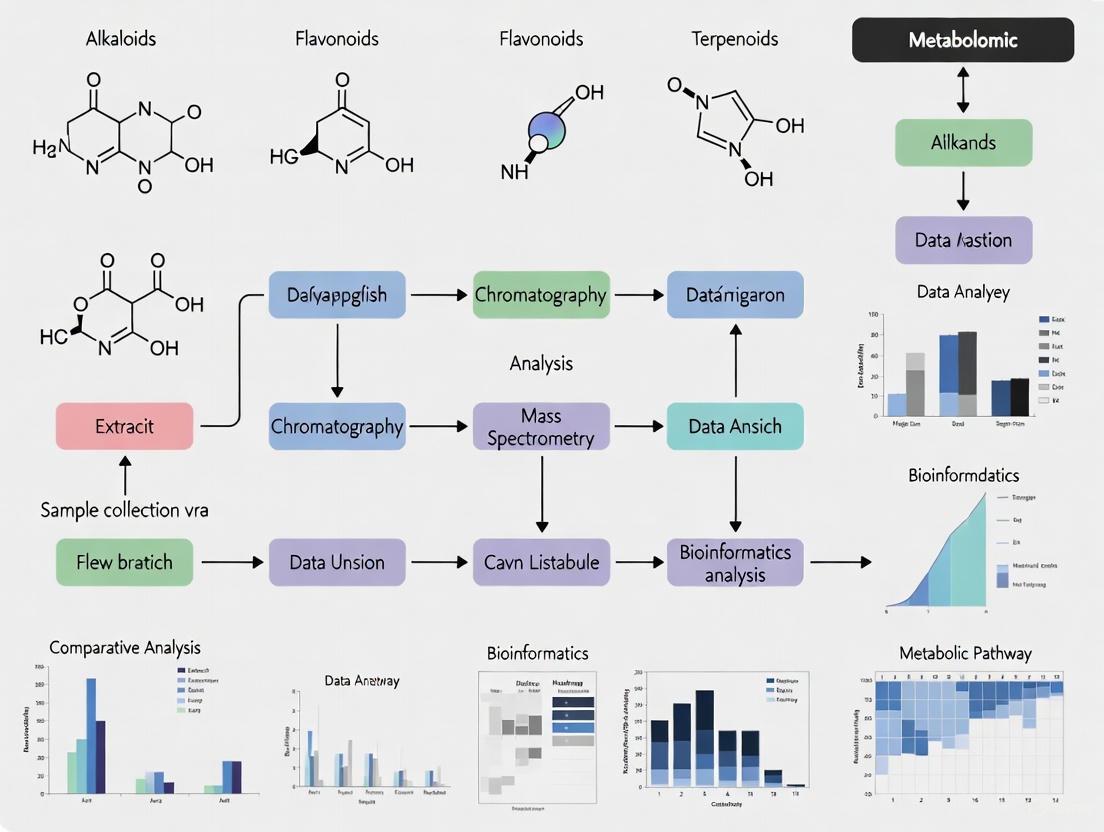
This guide provides a comprehensive roadmap for researchers and scientists embarking on plant metabolomic data analysis.
A Beginner's Guide to Plant Metabolomic Data Analysis: From Raw Data to Biological Insights
Abstract
This guide provides a comprehensive roadmap for researchers and scientists embarking on plant metabolomic data analysis. It covers the entire workflow from foundational concepts and experimental design to advanced computational methods and biological interpretation. Readers will learn about major analytical platforms, data processing tools, statistical techniques, and pathway analysis methods specifically tailored for plant systems. The content addresses common challenges in metabolite identification and data validation, with practical troubleshooting strategies and real-world applications in stress biology, crop improvement, and drug discovery. This resource empowers researchers to transform complex spectral data into meaningful biological knowledge.
Understanding Plant Metabolomics Fundamentals and Experimental Design
Plant metabolomics, a cornerstone of systems biology, aims to provide a comprehensive examination of all low-molecular-weight metabolites within plant systems [1]. However, this field confronts a staggering reality: the plant kingdom is estimated to produce over a million distinct metabolites, yet the vast majority remain chemically uncharacterized [2] [1]. Current databases, such as the KNApSAcK plant metabolite database, have documented only approximately 63,723 compounds as of August 2024, representing a mere fraction of the predicted phytochemical diversity [2]. In practical terms, untargeted liquid chromatography–tandem mass spectrometry (LC-MS/MS) studies can typically annotate only 2–15% of detected metabolite peaks to a confident level using standard spectral library matching, leaving over 85% of the metabolome as "dark matter" [2]. This identification bottleneck critically limits our ability to fully understand the diversity, functions, and evolution of plant metabolites, representing a fundamental challenge for researchers initiating plant metabolomic data analysis.
Fundamental Challenges in Plant Metabolite Identification
The Inherent Complexity of Plant Metabolism
The profound challenge of complete metabolome identification originates from several intrinsic properties of plant metabolic networks. Plants synthesize a tremendous number of metabolites—diversified in both structure and abundance—as a survival strategy in response to internal and external stimuli [2]. This metabolic output is categorized into primary metabolites, essential for normal growth and development (e.g., sugars, amino acids, organic acids), and secondary metabolites, crucial for plant-environment interactions (e.g., alkaloids, flavonoids, terpenoids) [3] [1]. The structural diversity within these groups is immense, further complicated by the fact that plant metabolism fluctuates significantly based on genetic factors, physiological status, and environmental conditions [1]. This dynamic nature means the metabolome is not a static entity but a highly responsive system, increasing the analytical complexity for researchers.
Technical and Analytical Limitations
Limitations of Analytical Platforms
No single analytical platform can capture the entire plant metabolome due to the vast physiochemical diversity of metabolites [3]. The table below summarizes the primary techniques used and their respective limitations.
Table 1: Key Analytical Platforms in Plant Metabolomics and Their Limitations
| Analytical Platform | Key Applications | Inherent Limitations |
|---|---|---|
| Liquid Chromatography-Mass Spectrometry (LC-MS) | Detection of semi-polar and non-volatile compounds; primary method for untargeted analysis [2]. | Cannot detect all metabolite classes equally well; requires different chromatographic methods for different compounds [1]. |
| Gas Chromatography-Mass Spectrometry (GC-MS) | Analysis of volatile compounds or those made volatile by derivatization; excellent for primary metabolites [3]. | Derivatization process is required, leaving underivatized compounds unnoticed [3]. |
| Capillary Electrophoresis-Mass Spectrometry (CE-MS) | High-resolution separation of charged, polar, and hydrophobic analytes [3]. | Less commonly established in standard workflows compared to LC-MS and GC-MS. |
| Nuclear Magnetic Resonance (NMR) | Considered the gold standard for definitive structural elucidation [2]. | Lower sensitivity compared to MS; requires purification of compounds to a high degree, creating a significant bottleneck [2]. |
The Metabolite Annotation Bottleneck
The standard workflow for metabolite identification involves matching experimental data from LC-MS—specifically high-resolution monoisotopic mass and MS/MS fragmentation spectra—against reference libraries [2]. However, this process is severely constrained. General spectral libraries like METLIN and MassBank are enriched with biomedically relevant compounds (e.g., drugs, human hormones) and have limited coverage of plant-specialized metabolites [2]. While specialized plant databases such as RefMetaPlant and the Plant Metabolome Hub (PMhub) are emerging, their coverage remains incomplete relative to total phytochemical diversity [2]. This creates a persistent trade-off between identification accuracy and coverage, where increasing one typically sacrifices the other.
Experimental Workflows and Methodologies
Standard Untargeted Metabolomics Workflow
A typical untargeted metabolomics study involves a multi-stage process from sample preparation to biological interpretation. The following diagram outlines the key steps and the points where the identification bottleneck occurs.
Figure 1: Untargeted Metabolomics Workflow. The metabolite annotation stage represents the major bottleneck where over 85% of features remain unidentified [2].
Key Research Reagent Solutions
Successful execution of a plant metabolomics experiment requires specific reagents and computational tools. The following table details essential components of the researcher's toolkit.
Table 2: Essential Research Reagents and Tools for Plant Metabolomics
| Category | Specific Examples | Function and Application |
|---|---|---|
| Analytical Platforms | LC-MS, GC-MS, NMR, CE-MS [3] | High-throughput separation, detection, and quantification of metabolites in complex plant extracts. |
| Spectral Libraries | METLIN, MassBank, GNPS, RefMetaPlant, PMhub [2] | Reference databases for matching experimental MS/MS spectra to annotate metabolite structures. |
| In Silico Tools | CSI-FingerID, CANOPUS, Mass2SMILES [2] | Machine learning tools to predict compound structures or classes from MS/MS fragmentation patterns. |
| Data Processing Software | MET-COFEA, MET-Align, ChromaTOF [3] | Software for raw data preprocessing: baseline correction, peak alignment, and normalization. |
| Statistical Analysis Platforms | MetaboAnalyst 5.0, Cytoscape 3.10.1 [3] | Platforms for performing statistical analysis to identify differentially abundant metabolites and visualize data. |
Strategies for Analysis Amidst Identification Gaps
Advanced Annotation Strategies
To address the annotation challenge, researchers are increasingly turning to computational methods. Artificial intelligence and machine learning-based tools such as CSI-FingerID and CANOPUS can predict molecular structures or classify compounds into ontological classes (e.g., Kingdom, Superclass, Class) based solely on MS/MS fragmentation data, representing a significant advance over pure spectral matching [2]. For instance, CANOPUS was used to annotate metabolites at the Superclass level for approximately 25% of features in a study of Malpighiaceae species, a marked improvement over unidentified data [2]. Rule-based fragmentation represents another strategy, successfully annotating specific metabolite classes like flavonoids and resin glycosides without fully identifying each compound, thereby illuminating aspects of the "dark matter" of metabolomics [2].
Identification-Free Analysis Approaches
Given the identification bottleneck, powerful "identification-free" methods have been developed to extract biological insights from LC-MS datasets without requiring metabolite annotation. These methods enable researchers to visualize metabolic patterns, track changes, and reveal relationships within metabolic networks.
Figure 2: Identification-Free Data Analysis Strategies. These methods allow for biological interpretation even when most metabolites are unidentified [2].
As illustrated in Figure 2, these approaches include:
- Molecular Networking: Groups metabolites based on spectral similarity, often revealing structurally related compounds.
- Distance-Based Approaches (e.g., PCA, Hierarchical Clustering): Visualizes overall metabolic differences between sample groups (e.g., species, treatments) [4].
- Information Theory-Based Metrics: Provides measures of metabolic diversity and richness.
- Discriminant Analysis: Pinpoints metabolite features that best discriminate between sample groups.
A study on three Brassicaceae oilseed crops (Brassica napus, Camelina sativa, and field pennycress) effectively used untargeted metabolomics with LC-MS, detecting thousands of metabolites [4]. By applying hierarchical clustering and Principal Component Analysis (PCA) to 718 classified metabolites, the researchers could clearly distinguish the metabolic profiles of the three species without identifying all compounds, demonstrating the utility of these identification-free methods [4].
The challenge of identifying over 85% of plant metabolites is a central issue in plant sciences. This bottleneck stems from the immense structural diversity of plant metabolites, technical limitations of any single analytical platform, and the incomplete coverage of existing metabolite databases. For researchers beginning plant metabolomic data analysis, the path forward involves a dual approach: leveraging advanced computational tools like machine learning to improve annotation rates, while simultaneously employing identification-free analytical strategies to extract meaningful biological patterns from the vast unknown metabolome. Initiatives aimed at expanding shared spectral and metabolite databases, along with the development of more sensitive analytical techniques and powerful bioinformatics, are crucial for illuminating the dark matter of plant metabolism and fully unlocking the functional insights contained within plant metabolomic data.
Plant metabolomics, the comprehensive study of small molecules within plant systems, faces the unique challenge of capturing immense phytochemical diversity. It is estimated that the plant kingdom contains over a million metabolites, yet only a fraction—approximately 63,723 compounds as documented in the KNApSAcK database—have been formally identified [2]. This identification gap presents a significant bottleneck for researchers initiating studies in plant metabolic analysis. The core technological platforms for separating, detecting, and identifying these metabolites are Liquid Chromatography-Mass Spectrometry (LC-MS), Gas Chromatography-Mass Spectrometry (GC-MS), and Nuclear Magnetic Resonance (NMR) spectroscopy [5] [6]. Each platform offers distinct advantages and limitations, making platform selection a critical first step in experimental design. This guide provides an in-depth technical comparison of these platforms to inform researchers embarking on plant metabolomics research.
The fundamental challenge in plant metabolomics stems from the vast structural diversity of plant metabolites, which include compounds varying widely in polarity, molecular weight, volatility, and concentration [5]. No single analytical technique can comprehensively cover the entire plant metabolome, necessitating platform selection based on specific research questions [5] [6]. LC-MS has gained prominence for its broad coverage and high sensitivity, GC-MS excels in analyzing volatile compounds, and NMR provides unparalleled structural information and quantitative robustness [5] [6]. Understanding the technical capabilities, requirements, and limitations of each platform is therefore essential for generating biologically meaningful data in plant metabolomics.
Technical Comparison of Major Platforms
The following table provides a quantitative comparison of the three primary analytical platforms used in plant metabolomics, highlighting their key performance characteristics and typical applications.
Table 1: Technical comparison of LC-MS, GC-MS, and NMR platforms for plant metabolomics
| Parameter | LC-MS | GC-MS | NMR |
|---|---|---|---|
| Sensitivity | 10⁻¹⁵ mol [6] | 10⁻¹² mol [6] | 10⁻⁶ mol [6] |
| Key Strengths | High sensitivity, broad metabolite coverage, suitable for non-volatile and thermally labile compounds [6] | High sensitivity, universal databases, high separation efficiency [6] | Non-destructive, highly quantitative, provides definitive structural information, high reproducibility [6] |
| Major Limitations | Database dependency, matrix effects can suppress ionization [2] [6] | Limited to volatile or derivatizable compounds, complex sample preparation [6] | Low sensitivity, limited dynamic range, high instrument cost [6] |
| Ionization Source | Electrospray Ionization (ESI), Atmospheric Pressure Chemical Ionization (APCI) [6] | Electron Impact (EI) [6] | Not Applicable |
| Throughput | High | High | Moderate |
| Metabolite Classes Detected | Lipids, amino acids, flavonoids, anthocyanins, terpenoids, alkaloids [2] [6] | Low polarity metabolites, volatile compounds, organic acids, sugars, fatty acids (after derivatization) [6] | All classes detectable, but limited to most abundant metabolites |
Liquid Chromatography-Mass Spectrometry (LC-MS)
LC-MS has become a cornerstone technique in plant metabolomics due to its exceptional sensitivity and ability to analyze a wide range of metabolites without the need for derivatization [7] [6]. The technique separates compounds in a liquid phase using high-pressure chromatography, exploiting the hydrophilic and hydrophobic properties of metabolites [6]. Separation is typically achieved using reversed-phase (RPLC) or hydrophilic interaction liquid chromatography (HILIC) to cover different polarity ranges [5]. The separated analytes are then ionized, most commonly via Electrospray Ionization (ESI) or Atmospheric Pressure Chemical Ionization (APCI), before being introduced into the mass spectrometer for detection [6].
A significant challenge in LC-MS-based plant metabolomics is the high rate of unidentified features. Untargeted LC-MS analyses typically detect thousands of peaks, yet over 85% remain unidentified, often referred to as "dark matter" of metabolomics [2]. To address this, researchers employ annotation strategies using in-house spectral libraries, public databases like GNPS, MassBank, and RefMetaPlant, and increasingly, machine learning tools such as CSI-FingerID and CANOPUS for structural prediction [2]. LC-MS is particularly valuable in discovery-based research where the goal is to comprehensively capture metabolic changes in response to genetic modifications, environmental stresses, or developmental stages in plants [2] [5].
Gas Chromatography-Mass Spectrometry (GC-MS)
GC-MS is one of the earliest analytical techniques applied in metabolomics and remains highly valuable for analyzing volatile and thermally stable metabolites [5] [6]. In GC-MS, the mobile phase is an inert gas (e.g., helium), and separation occurs in a long chromatographic column with temperature programming to optimize the separation of different compounds [6]. A critical requirement for GC-MS analysis is that metabolites must be volatile, which often necessitates chemical derivatization for non-volatile compounds like sugars, organic acids, and some amino acids [5] [6]. This derivatization step adds complexity to sample preparation but enables the analysis of a broader range of metabolites.
The mass spectrometry component in GC-MS typically uses Electron Impact (EI) ionization, a "hard" ionization method that generates reproducible fragment ions [6]. A key advantage of EI is that it produces standardized, platform-independent fragmentation patterns, which has led to the development of extensive, universal spectral libraries [6]. This makes compound identification more straightforward compared to LC-MS. GC-MS is particularly well-suited for targeted analyses of primary metabolites, including organic acids, sugars, sugar alcohols, amino acids, and certain phytohormones [5]. The high separation efficiency and sensitivity of GC-MS make it ideal for profiling central metabolic pathways in plants.
Nuclear Magnetic Resonance (NMR) Spectroscopy
NMR spectroscopy provides a fundamentally different approach to metabolomic analysis, relying on the magnetic properties of atomic nuclei rather than mass-based separation [5] [6]. NMR is considered the gold standard for definitive structural elucidation of unknown metabolites and requires minimal sample preparation compared to MS-based techniques [2] [5]. The non-destructive nature of NMR allows for the same sample to be analyzed multiple times or used for subsequent analyses with other platforms [6]. NMR also provides highly reproducible and inherently quantitative data without the need for compound-specific calibration curves [8].
The primary limitation of NMR is its relatively low sensitivity compared to MS-based methods, typically restricting detection to medium- to high-abundance metabolites (concentrations >1 μM) in complex mixtures [5]. This sensitivity constraint often makes NMR less suitable for detecting low-abundance signaling molecules or comprehensive untargeted profiling of complex plant extracts. However, NMR excels in targeted quantification of known metabolites and in applications where non-destructive analysis is paramount [5]. Recent advancements in cryoprobes and higher field strengths are gradually improving NMR sensitivity, expanding its utility in plant metabolomics [5].
Experimental Workflows and Methodologies
Generalized Sample Preparation Protocol
Proper sample preparation is critical for generating reliable metabolomics data. While specific protocols vary depending on the plant matrix and analytical platform, the following represents a generalized workflow:
- Harvesting and Quenching: Rapidly harvest plant tissue (e.g., leaf, root) and immediately quench metabolism using liquid nitrogen to prevent metabolic changes.
- Homogenization: Grind frozen tissue to a fine powder under liquid nitrogen using a mortar and pestle or a bead mill.
- Metabolite Extraction: Add a pre-cooled extraction solvent. Common choices include:
- Centrifugation: Centrifuge the extract to pellet insoluble debris.
- Collection and Concentration: Collect the supernatant and optionally concentrate it under a gentle stream of nitrogen or by vacuum centrifugation.
- Reconstitution and Analysis: Reconstitute the extract in a solvent compatible with the chosen analytical platform:
Platform-Specific Workflows
The following diagrams illustrate the core experimental and data processing workflows for each platform, highlighting critical decision points and processes unique to each technology.
Diagram 1: LC-MS workflow for plant metabolomics
Diagram 2: GC-MS workflow for plant metabolomics
Diagram 3: NMR workflow for plant metabolomics
Successful plant metabolomics research relies on a suite of computational tools and databases for data processing, analysis, and interpretation. The following table catalogs key resources available to researchers.
Table 2: Essential computational tools and databases for plant metabolomics data analysis
| Resource Name | Type | Primary Function | Application in Plant Research |
|---|---|---|---|
| MetaboAnalyst [9] [10] | Web-based Platform | Comprehensive statistical, functional, and pathway analysis of metabolomic data. | Processing LC-MS/GC-MS data, biomarker analysis, pathway mapping for plant systems. |
| GNPS [2] | Spectral Database & Analysis Platform | Molecular networking and spectral library matching for MS/MS data. | Annotation of unknown plant metabolites by spectral similarity. |
| XCMS [8] | Software Tool | Peak detection, alignment, and retention time correction for LC-MS data. | Preprocessing raw LC-MS data from plant extracts for statistical analysis. |
| SIRIUS/CSI:FingerID [2] | Software Tool | De novo annotation of MS/MS spectra using machine learning. | Predicting molecular structures for uncharacterized plant metabolites. |
| CANOPUS [2] | Software Tool | Predicts compound class from MS/MS data without identification. | Functional annotation of untargeted plant metabolomics data. |
| KNApSAcK [2] | Metabolite Database | Comprehensive species-metabolite relationship database. | Identifying known metabolites in specific plant species. |
| RefMetaPlant [2] | Metabolite Database | Plant-specific reference metabolome database with MS/MS spectra. | Annotation of plant-specific metabolic pathways. |
| CFM-ID [10] | Web Tool | In silico fragmentation and metabolite identification from MS/MS spectra. | Annotating unknown peaks in plant LC-MS/MS datasets. |
Selecting the appropriate analytical platform for plant metabolomics research requires careful consideration of the biological question, the chemical nature of the metabolites of interest, and available resources. LC-MS offers the broadest coverage for untargeted discovery, making it ideal for exploring unknown phytochemical diversity. GC-MS provides robust, reproducible analysis of primary metabolism and volatile compounds. NMR delivers definitive structural identification and is excellent for targeted quantification and tracking isotope flow in metabolic flux studies.
Increasingly, integrated approaches that combine multiple platforms provide the most comprehensive view of the plant metabolome. For instance, researchers might use LC-MS for broad untargeted screening followed by GC-MS for precise quantification of central metabolites and NMR for definitive structural elucidation of key unknowns. Furthermore, the growing adoption of machine learning tools for metabolite annotation is helping to illuminate the "dark matter" of metabolomics, opening new frontiers in understanding the diversity, functions, and evolution of plant metabolites [2]. By strategically leveraging these complementary platforms and computational resources, researchers can effectively navigate the complexity of plant metabolic networks and generate meaningful biological insights.
Plant metabolomics has emerged as a crucial component of systems biology, providing comprehensive analysis of the diverse small molecules within plant systems. With plants estimated to produce over 200,000 metabolites, and individual species containing between 7,000-15,000 different compounds, the complexity of plant metabolomes presents unique challenges for researchers [11]. The quality of insights gained from plant metabolomics studies depends fundamentally on the experimental design implemented from the very beginning of the research process. Proper experimental design serves as the critical bridge between biological questions and meaningful data, ensuring that results are both statistically valid and biologically relevant [12].
The importance of robust experimental design has become increasingly apparent as plant metabolomics applications expand across diverse fields. From improving crop resilience to abiotic stresses like drought and salinity [13] to authenticating Chinese medicinal materials [14], from advancing breeding programs [15] to understanding phosphorus deficiency responses in soybean [16], the reliability of metabolomic findings hinges on appropriate design principles. This technical guide outlines the core experimental design principles that underpin successful plant metabolomics research, providing researchers with a comprehensive framework from sample collection to quality control strategies.
Foundational Experimental Design Considerations
Defining Clear Research Hypotheses and Objectives
A well-defined research hypothesis (RH) forms the cornerstone of any successful plant metabolomics study. The hypothesis should be directly linked to the metabolic pathways and metabolites of interest, guiding the selection of appropriate analytical tools and experimental configurations [17]. In practice, this means moving beyond vague questions like "how does stress affect plant metabolism" to more precise formulations such as "how does phosphorus deficiency alter carbon and nitrogen allocation pathways in soybean leaves during reproductive development?" The latter type of hypothesis enables targeted experimental design and appropriate analytical approaches.
Biological relevance must guide technical decisions throughout the experimental planning process. For example, when studying plant responses to environmental stresses, researchers must consider whether the stress application mimics field conditions, whether the sampling timepoints capture critical transition periods, and whether the selected plant tissues are biologically relevant to the processes being studied [13] [16]. These considerations ensure that the resulting data will have meaningful biological interpretation rather than merely representing technical artifacts.
Replication Strategies: Biological vs. Technical
Table 1: Replication Strategies in Plant Metabolomics
| Replication Type | Definition | Purpose | Recommended Minimum |
|---|---|---|---|
| Biological Replicates | Independent biological units (different plants) | Capture biological variation | 6-8 for controlled conditions; 10+ for field studies |
| Technical Replicates | Multiple analyses of same biological sample | Assess technical variability | 3-5 for method validation; 1 for large studies |
| Procedure Replicates | Repeated sample preparations from same material | Evaluate preparation consistency | 3 for method development |
| Instrument Replicates | Repeated injections on same instrument | Monitor instrument stability | Quality control samples |
A crucial distinction in experimental design lies between biological and technical replication. Biological replicates are independent biological units (e.g., different plants) randomly and independently selected to represent their larger population, while technical replicates involve repeated measurements of the same biological sample [12]. The number of biological replicates is the primary determinant of statistical power in metabolomics studies, as it directly affects the ability to detect biologically meaningful differences amidst natural variation.
Pseudoreplication represents a common experimental design error that occurs when researchers mistake multiple measurements from non-independent sources as true replicates [12]. Examples include sampling different leaves from the same plant without proper randomization or pooling samples from multiple plants before analysis and treating the pooled samples as replicates. Proper experimental design requires clearly defining biological units (BUs), experimental units (EUs), and observational units (OUs) to avoid pseudoreplication and ensure accurate data interpretation [17].
Randomization and Blocking Strategies
Randomization serves two critical functions in experimental design: preventing the influence of confounding factors and enabling rigorous testing of interactions between variables [12]. In practice, randomization should be applied to the order of sample collection, treatment applications, and analytical sequences to distribute systematic effects evenly across experimental groups. For example, when collecting samples across multiple days, researchers should randomly assign treatments to collection days rather than processing all control samples on one day and treatment samples on another.
Blocking represents a powerful strategy for minimizing noise when known sources of variability exist. In plant metabolomics, blocking factors might include growth chamber position, harvest time batches, or sample preparation dates. By grouping similar experimental units together in blocks and applying treatments randomly within each block, researchers can account for these variability sources while maintaining the ability to detect treatment effects [12]. For instance, when processing large sample sets across multiple days, a complete block design with balanced treatments processed each day prevents day-to-day variation from confounding treatment effects.
Sample Collection and Preparation Protocols
Systematic Sample Collection Framework
Table 2: Sample Collection and Stabilization Guidelines
| Step | Key Considerations | Recommended Protocols |
|---|---|---|
| Harvesting | Consistent timing, tissue selection, developmental stage | Rapid harvesting; consistent timing across replicates |
| Quenching | Immediate halting of metabolic activity | Flash-freezing in liquid nitrogen; cold methanol for specific applications |
| Storage | Preservation of metabolic profile | -80°C; avoid freeze-thaw cycles; transport on dry ice |
| Homogenization | Uniform powder without thawing | Cryogenic grinding with mortar/pestle or bead beaters; pre-cooled equipment |
| Documentation | Tracking metadata | Standardized recording of growth conditions, harvest time, processing details |
Proper sample collection begins with a carefully considered harvesting strategy that accounts for biological factors known to influence metabolism. These include diurnal rhythms, developmental stage, tissue specificity, and environmental conditions at the time of collection [17]. For time-course studies, sample collection should occur at consistent times throughout the day to avoid confounding treatment effects with diurnal variation. When studying plant responses to environmental stresses, researchers must standardize environmental and growth conditions across all experimental units to minimize extraneous variation [16].
The quenching process must immediately halt metabolic activity to preserve the metabolic profile at the time of collection. Flash-freezing in liquid nitrogen represents the gold standard for most plant metabolomics applications [13]. Storage conditions must maintain metabolic stability, with -80°C storage recommended for most applications. Proper documentation throughout collection ensures traceability and enables later identification of potential confounding factors.
Metabolite Extraction Methodologies
Selection of appropriate extraction methods represents one of the most critical decisions in sample preparation, directly influencing the range and quality of metabolites detected. The chemical diversity of plant metabolites necessitates extraction protocols capable of capturing compounds across a wide polarity range, from polar sugars and amino acids to non-polar lipids and secondary metabolites [17].
Figure 1: Metabolite Extraction Decision Framework
For untargeted metabolomics, which aims to capture as many metabolites as possible, multi-phase extraction systems like methanol:chloroform:water provide broad coverage across compound classes [17]. Targeted approaches focusing on specific metabolite classes (e.g., lipids, phenolics, volatiles) benefit from optimized single-phase extraction systems selective for those compounds. The choice of extraction method must align with both the analytical platform and the research objectives, recognizing that no single extraction method can comprehensively cover the entire plant metabolome [17].
Analytical Platform Selection and Configuration
Comparative Platform Characteristics
Table 3: Analytical Platform Selection Guide
| Feature | GC-MS | LC-MS | NMR Spectroscopy |
|---|---|---|---|
| Sensitivity | High | Very high | Moderate |
| Reproducibility | High | Moderate–high | Very high |
| Sample Preparation | Requires derivatization | No derivatization needed | Minimal |
| Metabolite Coverage | Volatile, polar metabolites | Broad (polar and non-polar) | Limited, mostly abundant metabolites |
| Quantification | Relative or absolute (with standards) | Relative or absolute (with standards) | Absolute without standards |
| Structural Elucidation | Limited | Limited to fragmentation data | Strong (direct molecular structure) |
| Destructive Analysis | Yes | Yes | No |
| Throughput | Moderate | High | Moderate |
| Common Applications | Sugars, amino acids, organic acids | Secondary metabolites, lipids, phenolics | Structural ID, metabolite fingerprinting |
Selection of appropriate analytical platforms represents a critical decision point in experimental design, with each major platform offering distinct advantages and limitations. Gas chromatography-mass spectrometry (GC-MS) provides high sensitivity and reproducibility for volatile and thermally stable compounds, particularly primary metabolites like sugars, amino acids, and organic acids [13]. Derivatization extends its application to non-volatile compounds but introduces additional complexity. Liquid chromatography-mass spectrometry (LC-MS) offers exceptional versatility in analyzing both polar and non-polar compounds without derivatization, making it ideal for secondary metabolite analysis [13] [11]. Nuclear magnetic resonance (NMR) spectroscopy, while less sensitive than MS-based techniques, provides unparalleled structural information and absolute quantification without requiring standards [13].
Many sophisticated plant metabolomics studies employ complementary orthogonal approaches to overcome the limitations of individual platforms [17]. For example, combining GC-MS for primary metabolism with LC-MS for secondary metabolism provides comprehensive coverage of biochemical pathways. Similarly, integrating NMR with MS platforms leverages NMR's structural capabilities alongside MS's sensitivity. The choice of platform must consider the specific research questions, required metabolite coverage, available resources, and expertise in data interpretation.
Platform-Specific Experimental Considerations
Each analytical platform requires specific experimental design considerations. For GC-MS studies, researchers must account for derivatization efficiency and stability, potential formation of multiple derivatives for some metabolites, and the thermal stability of compounds of interest [13]. LC-MS methods require careful selection of chromatographic columns, mobile phases, and ionization modes based on the chemical properties of target metabolites. NMR experiments need optimization of pulse sequences, solvent suppression, and acquisition parameters to maximize sensitivity and resolution [13].
Ion suppression effects in LC-MS represent a particular challenge that can be mitigated through proper chromatographic separation, sample clean-up, and in some cases, stable isotope-labeled internal standards [13]. For all platforms, inclusion of quality control samples—typically pooled samples representing all experimental groups—enables monitoring of instrument performance throughout data acquisition [17]. Randomized sample injection orders help distribute instrument drift evenly across experimental groups, preventing confounding of biological effects with technical variation.
Data Analysis and Quality Control Frameworks
Quality Assurance and Quality Control Strategies
Robust quality assurance (QA) and quality control (QC) protocols form the foundation of reliable plant metabolomics data. The Metabolomics Quality Assurance and Quality Control Consortium (mQACC) provides comprehensive guidelines to enhance data reliability, focusing on aspects including sample preparation consistency, instrument performance monitoring, and data quality assessment [17]. Implementation of systematic QC protocols includes analysis of pooled quality control samples (QCs) at regular intervals throughout analytical sequences, enabling monitoring of instrument stability and data quality.
Quality control samples serve multiple purposes: they assess technical variation, monitor instrument performance drift, and sometimes facilitate signal correction [17]. In practice, QC samples should be injected at the beginning of the sequence for system equilibration, then regularly throughout the sequence (e.g., after every 5-10 experimental samples). Specific QC metrics vary by platform but may include retention time stability, mass accuracy, signal intensity stability, and chromatographic peak shape. Established acceptance criteria for these metrics ensure consistent data quality throughout the acquisition process.
Statistical Design and Power Analysis
Statistical power analysis represents a crucial but often overlooked component of experimental design that helps researchers optimize sample size before commencing large-scale studies. Power analysis calculates the number of biological replicates needed to detect a certain effect size with a specified probability, balancing the risks of false positives (Type I errors) and false negatives (Type II errors) [12]. The five components of power analysis are sample size, expected effect size, within-group variance, false discovery rate, and statistical power.
In practice, researchers typically fix the false discovery rate (often at 5%) and statistical power (often at 80%), then estimate required sample size based on expected effect size and within-group variance [12]. Effect size estimation can draw from pilot studies, comparable published research, or biological first principles. Several specialized tools facilitate sample size determination in metabolomics, including MetSizeR and MetaboAnalyst, which address the high-dimensional data challenges specific to metabolomics studies [17].
Figure 2: Experimental Design Workflow
The Scientist's Toolkit: Essential Research Reagents and Materials
Table 4: Essential Research Reagents and Materials for Plant Metabolomics
| Category | Specific Items | Function/Purpose |
|---|---|---|
| Sample Collection | Liquid nitrogen, cryogenic gloves, pre-cooled containers, sterile tools | Immediate metabolic quenching, sample integrity |
| Homogenization | Cryogenic mill, mortar and pestle, ceramic beads, liquid nitrogen | Tissue disruption while maintaining metabolic stability |
| Extraction Solvents | HPLC-grade methanol, chloroform, water, MTBE, acetonitrile | Metabolite extraction with minimal degradation |
| Derivatization Reagents | MSTFA, methoxyamine hydrochloride, TMCS | Volatilization of compounds for GC-MS analysis |
| Internal Standards | Stable isotope-labeled compounds (e.g., 13C-sugars, 15N-amino acids) | Quantification normalization, quality control |
| Chromatography | HPLC/UPLC columns (C18, HILIC), guard columns, mobile phase additives | Metabolic separation prior to detection |
| Quality Control | Pooled QC samples, process blanks, standard reference materials | Monitoring technical performance, data quality |
| Data Analysis | Reference spectral libraries (METLIN, MassBank, GNPS) | Metabolite identification and annotation |
The selection of appropriate reagents and materials significantly influences the quality and reproducibility of plant metabolomics data. High-purity solvents minimize background interference and ion suppression effects, particularly in MS-based analyses [17]. Internal standards, especially stable isotope-labeled analogs of endogenous metabolites, enable correction for sample preparation variability and instrument performance fluctuations. For targeted analyses, authentic chemical standards provide essential references for compound identification and absolute quantification.
Reference materials and quality control samples represent particularly crucial components of the metabolomics toolkit. Pooled QC samples, created by combining small aliquots from all experimental samples, provide a representative reference material for monitoring analytical performance [17]. Process blanks help identify contamination sources, while standard reference materials with known concentrations enable assessment of quantitative accuracy. Commercial quality control materials for specific metabolite classes provide benchmarks for method validation and cross-laboratory comparisons.
Experimental design in plant metabolomics represents a multidimensional challenge requiring careful integration of biological, analytical, and statistical principles. From initial hypothesis formulation through sample collection, analytical measurement, and data quality assessment, each decision point influences the validity and reliability of final conclusions. The complex nature of plant metabolomes, with their vast chemical diversity and dynamic responses to environmental cues, necessitates particularly rigorous attention to experimental design principles.
By implementing the systematic approaches outlined in this guide—including appropriate replication and randomization, standardized sample collection protocols, platform-specific analytical considerations, and comprehensive quality control strategies—researchers can generate plant metabolomics data with the robustness required for meaningful biological interpretation. As the field continues to advance with emerging technologies like single-cell metabolomics and spatial mass spectrometry imaging [11], these foundational experimental design principles will remain essential for extracting reliable biological insights from complex metabolic data.
Plant metabolomics, the comprehensive analysis of small molecules within plant systems, is a cornerstone of systems biology. It provides deep insights into the metabolic pathways that underpin plant growth, development, and responses to environmental stresses [3]. Unlike other omics technologies, metabolomics deals with a vast chemical diversity, with estimates suggesting plants collectively produce metabolites numbering in the millions [18]. This tremendous complexity creates a significant challenge: the identification of metabolites from raw instrumental data. This is where metabolite databases and spectral libraries become indispensable. They serve as reference repositories, enabling researchers to translate complex mass spectrometry or NMR data into biologically meaningful identifications. For researchers beginning plant metabolomic data analysis, understanding and selecting the appropriate database is a critical first step, as the choice directly influences the breadth and confidence of metabolite annotation, shaping all subsequent biological interpretation [19].
This guide provides an in-depth introduction to the major plant metabolite databases and spectral libraries, detailing their contents, applications, and the experimental protocols that underpin their construction. Framed within the initial steps of a plant metabolomics research workflow, it is designed to equip researchers, scientists, and drug development professionals with the knowledge to effectively navigate and utilize these essential resources.
The landscape of plant metabolomics resources has expanded significantly, moving beyond general metabolomics databases to include platforms specifically designed for the unique needs of plant research. These resources can be broadly categorized as reference metabolome databases, which provide a broad overview of metabolites expected in specific plants, and spectral libraries, which contain reference fragmentation patterns for confident compound identification. The following tables summarize the key features of major plant-focused and general resources that are highly relevant to plant science.
Table 1: Major Plant-Specific Metabolome Databases and Spectral Libraries
| Database/Library Name | Type | Key Plant-Specific Features | Number of Metabolites/Spectra | Notable Attributes |
|---|---|---|---|---|
| PMhub (Plant Metabolome Hub) [20] | Integrated Database | Genetic analysis tools (mGWAS, transcriptomic data), metabolic networks, reaction data | 188,837 metabolites; 1,467,041 HRMS/MS spectra | Combines cheminformatics and bioinformatics, includes experimentally detected features from 10 plant species |
| RefMetaPlant (Reference Metabolome Database for Plants) [18] | Reference Metabolome | Reference metabolomes for 153 plant species across five major phyla | Covers a wide range of plant species | Provides a reference metabolome for plants, analogous to a reference genome |
| PCMD (Plant Comparative Metabolomics Database) [21] | Comparative Database | Multilevel comparison of metabolic profiling across 530 plant species | Information on intra- and cross-species metabolic profiling | Facilitates comparative metabolomics on a large scale |
| Bruker MetaboBASE Plant Library [22] | Spectral Library | Spectra from commercial standards and putatively identified metabolites in Medicago truncatula | 228 spectra for 84 compounds | Includes Collisional Cross Section (CCS) values for orthogonal identification |
| Creation of a Plant Metabolite Spectral Library [23] | Spectral Library | Library built with 544 authentic compounds relevant to Arabidopsis | 544 authentic standards | Focus on a curated, plant-specific spectral library (mzVault format) |
Table 2: General Metabolomics Databases with Significant Relevance to Plant Research
| Database/Library Name | Type | Relevance to Plant Metabolomics | Number of Metabolites/Spectra | Notable Attributes |
|---|---|---|---|---|
| GNPS Library (Global Natural Products Social Molecular Networking) [24] | Spectral Library | Contains extensive natural product compounds from user contributions, including phytochemical libraries | Includes PhytoChemical Library (140 compounds), NIH Natural Products Libraries (1000s of spectra) | Community-driven, enables molecular networking and data sharing |
| Bruker MetaboBASE Personal Library 3.0 [22] | Spectral Library | Includes over 100,000 synthetic/isolated standards from METLIN, plus in-silico spectra | >100,000 standard spectra; >233,000 in-silico spectra | Extensive coverage of endogenous and exogenous metabolites |
| NIST Tandem Mass Spectral Library [22] | Spectral Library | Broad coverage of small molecules, includes plant-relevant compounds | 1,320,389 MS/MS spectra from 30,999 compounds | A comprehensive, well-curated general library |
| METLIN [20] [19] | Metabolite Database | One of the earliest and largest metabolite databases, used for mass and isotope pattern matching | Large repository of metabolite information | Often used as a first pass for compound candidate search |
Quantitative Comparison and Selection Guidelines
When selecting a database or library, researchers must consider quantitative metrics of content and quality alongside their specific experimental goals. The following table provides a direct comparison based on key metrics as found in the literature.
Table 3: Quantitative Comparison of Database and Library Contents
| Item | PMhub [20] | KEGG [20] | Plant Metabolic Network (PMN) [20] | Golm Metabolome Database (GMD) [20] |
|---|---|---|---|---|
| Number of Metabolites | 188,837 | 19,121 | 4,806 | 2,222 |
| Number of Reactions | 348,153 | 11,947 | 5,234 | 0 |
| Number of Standard MS/MS Spectra | 336,844 | 0 | 0 | 11,680 |
| Number of In-silico MS/MS Spectra | 1,130,197 | 0 | 0 | 0 |
| Number of Experimentally Detected Features | 144,366 | 0 | 0 | 26,590 |
Guidelines for Selection:
- For Untargeted Discovery and Novel Pathway Identification: Use large, integrated databases like PMhub or RefMetaPlant, which offer extensive metabolite lists and tools for connecting metabolites to genetic information and pathways [20] [18].
- For High-Confidence Metabolite Identification: Prioritize spectral libraries built from authentic standards, such as the plant-specific library from [23] or the commercially available Bruker HMDB Metabolite Library 2.0 [22]. The confidence in identification increases with orthogonal data; therefore, libraries that include retention time and CCS values (e.g., Bruker MetaboBASE Plant Library) are highly recommended [22].
- For Natural Products and Specialized Metabolites: Leverage the GNPS platform and its associated phytochemical libraries, which are rich in natural product data and allow for community-driven identification and molecular networking [24].
- For Cross-Species Comparative Metabolomics: Utilize PCMD, which is explicitly designed for multilevel comparison across a vast number of plant species [21].
Experimental Protocols for Spectral Library Creation and Utilization
Protocol: Creating a Custom Plant Metabolite Spectral Library
The creation of a custom spectral library using authentic standards ensures high-confidence identification for targeted or pseudo-targeted metabolomics studies. The following detailed protocol is adapted from the work that created a plant metabolite spectral library with 544 authentic standards [23].
1. Preparation of Authentic Standards: - Compounds: Acquire purified authentic chemical standards from commercial suppliers (e.g., Sigma-Aldrich). - Solubilization: Dissolve each standard to a final concentration of approximately 1 ng/µL. Use water as the primary solvent. For compounds with poor water solubility, use 75% methanol as an alternative [23].
2. LC-MS/MS Data Acquisition for Spectral Generation: - Chromatography: Employ a UHPLC system with a reversed-phase column (e.g., Accucore C18, 2.6 µm 2.1 × 30 mm). Use a mobile phase gradient from 0.1% formic acid and 10 mM ammonium formate in water to 0.1% formic acid and 10 mM ammonium formate in acetonitrile over a 15-minute run [23]. - Mass Spectrometry: Use a high-resolution mass spectrometer (e.g., Orbitrap Q Exactive). - MS1 Parameters: Set resolution to 70,000 (at m/z 200) with positive and negative ion switching. - Data-Dependent MS/MS (dd-MS2): Set MS/MS resolution to 17,500. Use a data-dependent acquisition method to fragment the top ions. Apply stepped normalized collision energies (NCE) to generate comprehensive fragment patterns. The study used NCE settings of 10, 15, 20, 30, 35, 40, 50, 60, 70, 80, 90, and 120 eV [23]. - Targeted MS/MS (if needed): For compounds that fail to yield satisfactory MS2 spectra (e.g., fewer than three fragment ions) via dd-MS2, perform reinjections using Targeted Parallel Reaction Monitoring (PRM). Use an inclusion list of precursor m/z values and systematically apply the same range of collision energies [23].
3. Spectral Library Construction: - Data Processing: Process the raw mass spectral files to filter and recalibrate peaks based on theoretical accurate mass. - Spectra Curation: Manually inspect spectra to select the best representative spectrum for each compound. For some compounds, multiple spectra at different energies may be included. - Library Population: Populate the library software (e.g., mzVault, TraceFinder) with the following information for each metabolite: compound name, formula, structure, precursor m/z, retention time, optimized collision energy, and the MS/MS spectrum (including the quantitation ion and at least three confirming fragment ions) [23].
Protocol: Metabolite Identification Using Spectral Libraries
This protocol outlines the standard workflow for identifying metabolites in an untargeted plant metabolomics study by querying experimental data against spectral libraries [19] [23].
1. Feature Extraction and Data Pre-processing: - Convert raw LC-MS/MS files into a data matrix containing mass/retention time features and their intensities. - Perform baseline correction, peak alignment, and normalization to minimize technical variance [19].
2. Database Searching: - MS Database Search: For high-resolution MS1 data, compare the accurately measured neutral mass of a feature against an MS database (e.g., METLIN, PMhub). This generates a list of candidate compounds [19]. - Isotope Pattern Matching: Compare the experimental isotope pattern of the feature with the theoretical pattern of candidate compounds to refine the list and confirm empirical formula [19].
3. Spectral Library Matching: - For each feature, extract its experimental MS/MS spectrum. - Query this experimental spectrum against a curated MS/MS spectral library (e.g., GNPS, Bruker HMDB Library, or a custom plant library). - The software calculates a spectral similarity score (e.g., dot product). A higher score indicates a better match between the experimental and reference spectra, leading to a more confident identification [22] [19]. - Increasing Confidence: For the highest level of confidence, match the experimental data against a library that includes retention time and/or CCS values, providing orthogonal confirmation of the identity [22].
Workflow Visualization for Plant Metabolite Identification
The following diagram illustrates the logical workflow for identifying plant metabolites, from sample preparation to biological interpretation, highlighting the critical role of databases and spectral libraries.
Plant Metabolite Identification Workflow
The Scientist's Toolkit: Essential Research Reagents and Materials
The following table details key reagents and materials essential for conducting plant metabolomics experiments, particularly those related to the creation and use of spectral libraries.
Table 4: Essential Research Reagents and Materials for Plant Metabolomics
| Item | Function/Brief Explanation | Example from Literature |
|---|---|---|
| Authentic Chemical Standards | Purified metabolites used to acquire reference MS/MS spectra for library creation or to confirm identities in samples. | Sigma-Aldrich was used as a source for 544 authentic compounds to build a plant spectral library [23]. |
| Internal Standard Mixture | Compounds added to each sample to correct for variability during sample preparation and instrument analysis. | A mixture of lidocaine and 10-camphorsulfonic acid was used in Arabidopsis leaf metabolite extraction [23]. |
| LC-MS Grade Solvents | High-purity solvents (water, acetonitrile, methanol, isopropanol) to minimize background noise and ion suppression in MS. | Used in metabolite extraction solvents and as mobile phases for UHPLC [23]. |
| Acid Additives | Added to mobile phases to improve chromatographic separation and ionization efficiency (e.g., formic acid, ammonium formate). | 0.1% formic acid and 10 mM ammonium formate were used in the mobile phase for LC-MS analysis [23]. |
| Metabolite Extraction Solvents | Solvent systems designed to efficiently extract a wide range of metabolites with different polarities from plant tissue. | A sequential extraction with solvents of varying polarity (acetonitrile:isopropanol:water; acetonitrile:water; 80% methanol) was employed [23]. |
| Reversed-Phase UHPLC Column | The core component for chromatographic separation of metabolites prior to mass spectrometry. | An Accucore C18, 2.6 µm 2.1 × 30 mm column was used for analysis of authentic standards [23]. |
| Specialized LC Columns | Columns for alternative separation mechanisms, such as HILIC (hydrophilic interaction) for polar compounds. | The protocol tested HILIC and HILIC-IEX columns for method development [23]. |
Basic Statistical Concepts for Metabolomic Data Interpretation
This guide provides plant metabolomics researchers with a foundation in the core statistical concepts and methods essential for robust data interpretation, from initial experimental design to biological insight.
Plant metabolomics involves the comprehensive analysis of small molecules, generating complex, high-dimensional data sets. The core challenge is to extract meaningful biological signals from this inherent variability. Statistical analysis provides the framework to achieve this, separating true biological effects from technical noise and natural physiological variation. In plant science, this is crucial for applications such as differentiating plant species or responses to environmental stress, understanding the effects of genetic modifications, and identifying metabolic markers of traits [25] [26]. The analytical workflow is a cyclic process of discovery, progressing from raw data to biological hypotheses, which in turn guide further analysis and validation.
The following diagram illustrates the core logical workflow for interpreting metabolomic data:
Foundational Statistical Concepts and Methods
A successful metabolomics study rests on a foundation of key statistical concepts tailored to the properties of -omics data.
Data Types and Distributions
Metabolomics data are typically continuous (e.g., peak intensities or concentration values). These data often do not follow a normal (Gaussian) distribution; they are frequently right-skewed, with metabolite concentrations spanning several orders of magnitude [27]. This non-normality must be considered when selecting statistical tests and normalization procedures.
Handling Missing Values and Data Normalization
Missing values are common and are categorized based on their origin [27]. Missing Not At Random (MNAR) often indicates a metabolite's concentration is below the instrument's detection limit. In contrast, Missing At Random (MAR) may be due to technical artifacts like ion suppression.
- Strategies for MNAR: Imputation with a constant value (e.g., 1/2 of the minimum detected value) is a common and often effective strategy [27].
- Strategies for MAR/MCAR: Imputation using k-Nearest Neighbors (kNN) or Random Forest methods, which estimate missing values based on similar samples [27].
Data normalization is critical to remove unwanted technical variation (e.g., batch effects, sample-to-sample concentration differences) while preserving biological variation. Common methods include probabilistic quotient normalization, and normalization using quality control (QC) samples [27].
Statistical analysis in metabolomics is stratified into univariate and multivariate approaches, each with distinct purposes.
Table 1: Key Statistical Approaches in Metabolomics
| Analysis Type | Purpose | Common Methods | Use Case in Plant Science |
|---|---|---|---|
| Univariate | Analyze one metabolite at a time to find statistically significant changes between groups. | Student's t-test, ANOVA, Mann-Whitney U test [28] [29]. | Comparing levels of a specific anthocyanin in purple vs. orange-fleshed sweet potatoes [30]. |
| Multivariate | Analyze all metabolites simultaneously to understand global patterns and relationships. | Principal Component Analysis (PCA), Partial Least Squares-Discriminant Analysis (PLS-DA) [28] [29]. | Classifying different Ilex species based on their overall metabolic fingerprint [26]. |
| Supervised | A type of multivariate analysis used to build a model that predicts a known class or outcome. | PLS-DA, Random Forests, Support Vector Machines (SVM) [29]. | Discriminating between infected and healthy plants based on their metabolic profiles. |
| Unsupervised | A type of multivariate analysis to find inherent patterns or clusters without prior class labels. | PCA, Hierarchical Clustering [28]. | Exploring natural groupings in samples from different plant organs or under various stress conditions. |
Essential Data Visualization Techniques
Visualization is an integral part of statistical analysis, providing intuitive means to inspect data quality, identify patterns, and communicate findings.
Univariate Analysis Graphs
These plots are used to understand the distribution and significance of individual metabolites.
- Box Plots: Effectively display the distribution (median, quartiles, potential outliers) of a single metabolite's abundance across different sample groups (e.g., treated vs. control plants) [28].
- Volcano Plots: Combine statistical significance (p-value) and magnitude of change (fold-change) to visually identify the most relevant differentially abundant metabolites. Metabolites in the upper-left or upper-right corners are prime candidates for further investigation [31] [28].
Multivariate Analysis Graphs
These visualizations represent the combined information from all measured metabolites.
- PCA Scores Plot: An unsupervised method that reduces data dimensionality to reveal natural sample clustering, trends, or outliers based on the overall metabolic composition [28].
- PLS-DA Scores Plot: A supervised method that maximizes the separation between pre-defined sample groups, helping to identify metabolic patterns that discriminate between conditions [28].
- Hierarchical Clustering Heatmap: Visualizes the relative abundance of all metabolites (rows) across all samples (columns). Samples and metabolites are clustered based on similarity, revealing patterns and co-regulated metabolite groups [28].
Best Practices for Accessible Visualizations
When creating figures, adhere to these guidelines to ensure they are interpretable by all readers, including those with color vision deficiencies [32] [33].
- Do Not Rely on Color Alone: Use patterns, shapes, or direct labels in addition to color to distinguish data series [33].
- Ensure Sufficient Contrast: Aim for a contrast ratio of at least 3:1 for graphical elements and 4.5:1 for text against its background [32].
- Provide Alternative Text: All visualizations should have descriptive alt-text that conveys the key message of the chart [32].
A Practical Workflow for Plant Metabolomics
The statistical journey from raw data to biological insight follows a structured pathway. The diagram below outlines the key stages, showing how raw data is transformed into actionable biological knowledge.
A robust metabolomics analysis relies on a suite of bioinformatics tools and databases.
Table 2: Key Bioinformatics Tools and Databases for Plant Metabolomics
| Tool / Resource | Function | Application Example |
|---|---|---|
| XCMS, MS-DIAL | Peak picking, alignment, and preprocessing of mass spectrometry data [29]. | Processing raw LC-MS files from an experiment comparing leaf extracts under drought and normal conditions. |
| MetaboAnalyst | Web-based platform for comprehensive statistical analysis, visualization, and pathway enrichment [27] [29]. | Performing a PCA and generating a volcano plot to identify significantly altered metabolites in transgenic plants. |
| GNPS | Platform for spectral matching and molecular networking via tandem MS data [30] [29]. | Annotating unknown metabolites in a plant extract by comparing MS/MS spectra to public libraries and visualizing chemical similarity. |
| KEGG, PlantCyc | Databases of curated biochemical pathways and metabolites [29]. | Mapping differentially abundant metabolites onto biosynthetic pathways for phenylpropanoids or terpenoids. |
| HMDB, KNApSAcK | Comprehensive metabolite databases; KNApSAcK is specialized for plant species [30] [29]. | Identifying and annotating metabolites detected in a non-model plant species. |
Advanced Topics: From Identification-Free Analysis to Multi-Omics
Given that over 85% of LC-MS peaks in plant studies often remain unidentified, identification-free strategies are powerful alternatives [30]. Methods like molecular networking group metabolites based on spectral similarity, allowing researchers to pinpoint key metabolite signals and interpret global patterns without the bottleneck of full identification [30].
The future of plant metabolomics lies in integration with other omics layers (genomics, transcriptomics, proteomics). Statistical methods like O2PLS (Two-Way Orthogonal Partial Least Squares) can be used for combined modeling of transcript and metabolite data, enabling a systems-level understanding of plant biology [30].
Practical Workflow: From Raw Spectral Data to Biological Interpretation
Liquid Chromatography-Mass Spectrometry (LC-MS) has become the predominant analytical platform for global untargeted plant metabolomics, capable of detecting thousands of metabolite features from a single organ extract [34] [2]. The tremendous structural diversity of plant metabolites—with an estimated over one million compounds across the plant kingdom—presents both a tremendous opportunity and a significant bioinformatic challenge [2]. Raw LC-MS data are complex, containing valuable information hidden within substantial chemical noise, baseline drift, and retention time shifts [35] [19]. Data pre-processing serves as the critical first computational step that transforms this raw instrumental data into a structured feature table suitable for biological interpretation, making the choice of pre-processing tools fundamental to all subsequent analyses [35] [36].
The challenge is particularly acute in plant science, where studies routinely detect 10,000-15,000 metabolite features in a single plant species, yet typically only 2-15% can be confidently annotated using current spectral libraries [2] [34]. This vast landscape of "dark matter" in plant metabolomics means that the quality of data pre-processing directly determines our ability to observe true biological patterns within the unresolved chemical complexity [2]. Within this context, three open-source tools—XCMS, MZmine, and MS-DIAL—have emerged as the most widely used platforms for metabolomic data pre-processing, each offering distinct approaches to peak detection, alignment, and annotation within an integrated workflow [35] [37].
Core Pre-processing Workflows: A Comparative Analysis
The fundamental workflow for LC-MS data pre-processing consists of several key stages: feature detection and peak picking, chromatographic alignment, gap filling, and metabolite annotation [35] [19]. While XCMS, MZmine, and MS-DIAL all address these core requirements, they differ significantly in their algorithmic approaches, user interfaces, and specialized capabilities, making each tool uniquely suited to particular research scenarios and user expertise levels [37] [38].
Table 1: Core Characteristics of Major Metabolomics Pre-processing Tools
| Tool | Primary Interface | Key Strengths | Plant Metabolomics Applications | Citation |
|---|---|---|---|---|
| XCMS | R/Bioconductor | High statistical power, extensive algorithm options, seamless integration with downstream statistical analysis | Comprehensive peak detection for diverse metabolite classes; ideal for large-scale studies | [35] [37] |
| MZmine | Desktop GUI | Modular workflow design, support for advanced MS imaging data, flexible parameter optimization | Effective for both targeted and untargeted analysis of specialized plant metabolites | [37] [38] |
| MS-DIAL | Desktop GUI | Integrated lipidomics support, comprehensive DDA/DIA data processing, retention time index calibration | Superior for plant lipidomics and novel metabolite identification through MS/MS spectral deconvolution | [37] [2] |
XCMS: The R-Based Powerhouse
XCMS operates within the R/Bioconductor environment, making it particularly powerful for researchers who require extensive customization and plan to conduct downstream statistical analysis within the same programming environment [35] [37]. Its command-line interface provides access to multiple peak detection and alignment algorithms, allowing experienced users to fine-tune parameters for specific experimental conditions or instrument types [35]. The recently released XCMS3 represents a significant rewrite that improves scalability and incorporates new functionalities for handling large-scale metabolomic datasets [35].
A key advantage of XCMS in plant metabolomics research is its powerful peak detection algorithm based on centWave, which is particularly effective for detecting and quantifying peaks in complex plant metabolic profiles with high chromatographic resolution [35]. This method identifies regions of interest (ROI) in the m/z domain that contain potentially significant peaks, then performs continuous wavelet transform to discriminate true chromatographic peaks from noise [35]. For plant researchers dealing with highly complex samples containing both primary and specialized metabolites, this approach provides excellent sensitivity across concentration ranges that can vary by up to 9 orders of magnitude [34].
Figure 1: XCMS Pre-processing Workflow. The process begins with raw LC-MS data, undergoes core processing steps, and produces a peak table ready for statistical analysis.
MZmine: Modular and User-Friendly
MZmine employs a modular, workflow-oriented approach that allows users to construct custom pre-processing pipelines through a graphical user interface [37]. This flexibility makes it particularly valuable for plant metabolomics studies requiring non-standard processing approaches, such as those involving specialized metabolite classes or novel instrumentation [37] [38]. The platform's visualization capabilities enable researchers to inspect processing results at each step, providing immediate feedback on parameter optimization—a valuable feature when dealing with the diverse chemical characteristics of plant metabolites [38].
A distinctive feature of MZmine is its advanced support for mass spectrometry imaging (MSI) data, which is increasingly important in plant sciences for understanding spatial distributions of metabolites within tissues [34]. This capability allows researchers to correlate metabolite localization with physiological function, such as identifying defense compounds accumulated at infection sites or understanding spatial patterns in specialized metabolite production [34]. For plant researchers investigating tissue-specific metabolic responses to environmental stresses, this spatial dimension can provide crucial biological insights unavailable from bulk tissue extracts.
Figure 2: MZmine Modular Processing Pipeline. The workflow showcases the modular approach where each processing step can be independently configured and visualized.
MS-DIAL: Comprehensive MS/MS Focus
MS-DIAL distinguishes itself through its robust support for data-independent acquisition (DIA) and data-dependent acquisition (DDA) MS/MS data, providing particularly strong capabilities for metabolite identification [37] [2]. The platform incorporates an integrated retention time index system that improves alignment accuracy and supports the identification process, which is especially valuable for plant metabolomics where many compounds lack commercial standards [2]. Its ability to perform de novo spectral decomposition without relying exclusively on reference libraries makes it powerful for discovering novel plant specialized metabolites [2].
For plant lipidomics, MS-DIAL offers specialized lipid annotation based on the LIPID MAPS database, enabling comprehensive characterization of lipid molecular species [37] [2]. This capability is crucial for understanding plant membrane remodeling in response to abiotic stresses or analyzing lipid-based signaling molecules [34]. The software's four-dimensional alignment algorithm (m/z, retention time, MS/MS spectrum, and collision cross-section for ion mobility data) provides particularly confident annotation when analyzing complex plant extracts containing numerous structural isomers [2].
Table 2: Advanced Capabilities for Plant Metabolomics
| Capability | MS-DIAL | MZmine | XCMS | Value in Plant Research |
|---|---|---|---|---|
| DIA Data Processing | Excellent | Limited | Limited | Critical for comprehensive coverage of plant specialized metabolites |
| Lipid-Specific Annotation | Integrated | Modular | Via packages | Essential for plant stress physiology and membrane biology |
| Spectral Deconvolution | Advanced | Good | Basic | Vital for resolving complex plant metabolite mixtures |
| Retention Time Index | Integrated | Optional | Limited | Improves identification confidence across laboratories |
| Ion Mobility Support | Yes | Limited | Limited | Enhances isomer separation in complex plant extracts |
Experimental Protocols for Plant Metabolomics
Sample Preparation for Plant Tissues
Proper sample preparation is foundational to successful plant metabolomics studies. The protocol below is optimized for comprehensive metabolite extraction from diverse plant tissues [39] [40]:
Rapid Quenching: Immediately after collection, flash-freeze plant tissue in liquid nitrogen to arrest metabolic activity. Grind tissue to a fine powder under liquid nitrogen using a pre-chilled mortar and pestle [39] [40].
Comprehensive Metabolite Extraction: Weigh 100 mg of frozen powder into a pre-cooled microcentrifuge tube. Add 1 mL of cold (-20°C) methanol:chloroform:water extraction solvent (2.5:1:1 v/v/v) with 10 μL of internal standard mixture (e.g, stable isotope-labeled amino acids, fatty acids, and sugars for quality control) [39] [40].
Vortex and Sonicate: Vigorously vortex for 30 seconds, then sonicate in an ice-water bath for 15 minutes to ensure complete cell lysis and metabolite extraction.
Phase Separation: Centrifuge at 14,000 × g for 15 minutes at 4°C. Transfer the upper polar phase (methanol/water layer) to a new tube for polar metabolite analysis. Transfer the lower organic phase (chloroform layer) to a separate tube for lipid analysis [39].
Concentration and Reconstitution: Dry both fractions under a gentle nitrogen stream. Reconstitute polar fractions in 100 μL LC-MS grade water:methanol (95:5) and non-polar fractions in 100 μL isopropanol:acetonitrile (90:10) for LC-MS analysis [39] [40].
Data Pre-processing Protocol with Quality Control
Robust pre-processing requires careful quality control throughout the analytical workflow [35] [40]:
QC Sample Preparation: Create pooled quality control samples by combining equal aliquots from all experimental samples. Run QC samples at the beginning of the sequence, after every 6-10 experimental samples, and at the end to monitor instrument performance [35] [19].
Parameter Optimization for Plant Samples: For XCMS, optimize critical parameters using the IPO (Isotopologue Parameter Optimization) package. For MS-DIAL, use the retention time standard mixture to calibrate the index system. For MZmine, employ the batch processing mode to systematically test parameter sets [35] [38].
Data Filtering: Remove features with >30% relative standard deviation in QC samples and those with >80% missing values across biological samples. Apply signal correction based on QC samples using locally estimated scatterplot smoothing (LOESS) or random forest correction [35] [19].
Figure 3: Quality Control Workflow for Plant Metabolomics. The diagram highlights the iterative quality assessment process with feedback loops to ensure data quality.
Table 3: Essential Research Reagents and Computational Tools
| Category | Item | Specification | Application in Plant Metabolomics |
|---|---|---|---|
| Extraction Solvents | Methanol:Chloroform:Water | 2.5:1:1 v/v/v, HPLC grade with 0.1% formic acid | Biphasic extraction of polar and non-polar metabolites from plant tissues [39] |
| Internal Standards | Stable Isotope-Labeled Mix | 13C, 15N-labeled amino acids, fatty acids, sugars | Quality control, normalization, and retention time calibration [39] [40] |
| Reference Libraries | Plant-Specific Spectral Libraries | RefMetaPlant, PMhub, KNApSAcK | Annotation of plant specialized metabolites [2] |
| Quality Control | Pooled QC Sample | Equal aliquots from all experimental samples | Monitoring instrumental drift and technical variation [35] [40] |
| Retention Time Calibration | RT Index Standard Mixture | C8-C30 fatty acid methyl esters | Retention time normalization across sequences [2] |
Integrated Workflow for Plant Metabolite Discovery
The tremendous structural diversity of plant metabolites necessitates specialized approaches that address the annotation bottleneck [2]. The following integrated workflow combines the strengths of multiple pre-processing tools to maximize biological insights:
Initial Processing with MS-DIAL: Begin with MS-DIAL for comprehensive MS/MS data processing, leveraging its robust deconvolution algorithms and retention time index system to create an initial feature table with MS/MS annotations [37] [2].
Cross-Platform Validation with MZmine: Import results into MZmine for visual inspection and validation of challenging peaks, particularly those with low abundance or co-elution issues. Use MZmine's modular capabilities to refine peak boundaries and integration parameters [38].
Statistical Analysis with XCMS: For large-scale studies or complex experimental designs, utilize XCMS's powerful statistical framework for differential analysis, leveraging its seamless integration with the R ecosystem for advanced multivariate statistics and visualization [35] [37].
Identification-Free Analyses: For the >85% of features that remain unidentified, employ molecular networking, distance-based approaches, and information theory-based metrics to extract biological insights from global metabolic patterns without requiring complete annotation [2].
This integrated approach acknowledges that no single tool currently addresses all challenges in plant metabolomics, particularly given the vast unknown chemical space represented by plant specialized metabolism [2]. By strategically combining tools and incorporating both identification-dependent and identification-free analysis methods, plant researchers can maximize the biological insights gained from their metabolomics studies while acknowledging current technological limitations.
XCMS, MZmine, and MS-DIAL provide powerful, complementary solutions to the fundamental bioinformatics challenge of transforming raw LC-MS data into biologically meaningful information in plant metabolomics [35] [37] [2]. The choice between these tools depends on multiple factors, including instrument platform, acquisition method, metabolite classes of interest, and the researcher's computational expertise [37] [38]. For plant-specific applications, MS-DIAL offers particularly strong capabilities for dealing with the complex MS/MS data needed for annotating plant specialized metabolites, while XCMS provides unparalleled statistical power for large-scale studies, and MZmine delivers flexibility for method development and visualization [2].
As plant metabolomics continues to evolve toward integration with other omics technologies and applications in crop improvement, drug discovery, and ecological research [34] [41], robust data pre-processing remains the essential foundation for all subsequent biological interpretations. The ongoing development of plant-specific spectral libraries [2], machine learning approaches for metabolite identification [2], and quality assurance standards [40] will further enhance the value of these core pre-processing tools in unlocking the tremendous chemical diversity encoded within plant systems.
Plant metabolomics involves the comprehensive analysis of thousands of small molecules, which presents significant analytical challenges. Liquid chromatography–mass spectrometry (LC–MS) typically detects thousands of peaks from single plant organ extracts, with the majority representing true metabolites [2]. However, current approaches can annotate only 2–15% of detected peaks through spectral library matching, leaving over 85% of LC–MS peaks unidentified—a phenomenon often referred to as the "dark matter" of metabolomics [2]. This identification bottleneck substantially limits our ability to fully understand the diversity, functions, and evolution of plant metabolites, creating a pressing need for advanced spectral matching and in silico methods.
The plant metabolomics field is experiencing substantial growth, with the market projected to reach $3.5 billion by 2029, reflecting a compound annual growth rate of 10% [15]. This expansion is driven by increasing adoption in plant breeding, medicinal plant research, and food science applications. Within this context, effective metabolite identification strategies become paramount for extracting meaningful biological insights from complex plant metabolic networks.
Fundamental Concepts and Identification Challenges
The Metabolite Identification Confidence Scale
Metabolite annotations are classified according to the Metabolomics Standards Initiative (MSI) confidence levels, which range from level 1 (confidently identified compounds matched to authentic standards) to level 5 (unknown compounds) [2]. The vast majority of annotations in plant metabolomics studies fall into levels 2-4, representing putative compound classes rather than definitive structural identifications.
Technical and Biological Challenges in Plant Metabolomics
Plant metabolomics faces unique challenges that complicate metabolite identification. Plants produce a tremendous number of metabolites—estimated at over a million across the plant kingdom—as survival strategies in response to internal and external stimuli [2]. However, only a fraction of these have been documented in databases, with the KNApSAcK plant metabolite database listing only 63,723 compounds as of its August 2024 update [2].
The structural diversity of plant specialized metabolites further complicates identification efforts. Unlike the more conserved primary metabolism, specialized metabolites exhibit extensive chemical modifications including glycosylation, acylation, and prenylation, creating numerous structurally similar compounds that challenge conventional spectral matching approaches [2].
Spectral Matching Approaches
Experimental Spectral Library Matching
Spectral library matching constitutes the foundational approach for metabolite identification, where experimental spectra of unknowns are compared against reference libraries containing curated spectra of known compounds. This method enables tentative annotations at MSI level 2 when reference spectra are matched [42]. The efficiency and accuracy of spectral library matching depend on several factors, including instrument type, collision energy settings, mobile phase composition, and the choice of similarity metric [42].
Table 1: Major Spectral Databases for Metabolite Identification
| Database | Scope | Spectra Count | Access | Key Features |
|---|---|---|---|---|
| METLIN | General metabolomics | >960,000 compounds | Paid | Largest MS/MS database; widely used in metabolomics [43] |
| MassBank | General metabolomics | Varies by source | Open source | Includes instrument parameters for each standard [43] |
| mzCloud | Endogenous compounds | >19,000 compounds | Online access | High-resolution accurate mass spectra; real-time updates [43] |
| NIST | GC-MS & LC-MS | >200,000 EI spectra | Commercial | Most common for GC-MS; now includes ESI MS/MS [43] |
| GNPS | Natural products | Community-contributed | Open access | Molecular networking capabilities [2] |
Spectral Similarity Metrics and Matching Algorithms
The accuracy of spectral matching heavily depends on the similarity metrics employed. While cosine similarity remains the most common approach, it may yield high similarity scores even with limited fragment matches [42]. Alternative metrics including spectral entropy and MS2DeepScore have been developed to address these limitations. MS2DeepScore utilizes neural networks to predict structural similarity as Tanimoto similarity from MS2 spectra, offering improved performance over traditional methods [42].
Recent advances in matching algorithms have significantly accelerated identification workflows. The FastEI method employs Word2vec spectral embedding and hierarchical navigable small-world graphs to achieve an 80.4% recall@10 accuracy with a speed improvement of two orders of magnitude compared to weighted cosine similarity [44]. This approach addresses the critical need for rapid searching of large-scale spectral libraries containing millions of entries.
In Silico Methods for Metabolite Identification
In Silico Spectral Prediction and Matching
In silico methods bridge the critical gap in reference spectral coverage by predicting fragmentation patterns from chemical structures. These approaches include rule-based fragmentation, combinatorial fragmentation, and competitive fragmentation modeling, with tools such as MetFrag and CFM-ID being widely adopted [42] [45]. The forward approach (compound-to-spectrum) predicts spectra from known structures in suspect lists, while the reverse approach (spectrum-to-compound) interprets experimental spectra to identify candidate structures [45].
Machine learning has substantially advanced in silico spectral prediction. Methods like CFM-ID apply probabilistic generative models to predict electron ionization mass spectra from SMILES representations [44]. Recent innovations include neural electron-ionization mass spectrometry (NEIMS), which uses extended circular fingerprints of molecules as inputs to fully connected neural networks for spectrum prediction [44]. These approaches have enabled the creation of million-scale in-silico libraries dramatically expanding the coverable chemical space.
Table 2: Performance Comparison of Spectral Matching Methods
| Method | Principle | Recall@1 | Recall@10 | Speed (queries/s) | Key Advantages |
|---|---|---|---|---|---|
| Cosine Similarity | Spectral vector comparison | ~30% | ~75% | Moderate | Simple, widely implemented [46] |
| Spec2Vec | Word embedding techniques | 52.6% | 86.5% | ~5,000 | Captures structural relationships [46] |
| FastEI | Word2vec + HNSW graph | 45.3%* | 88.3%* | ~14,000 | Ultra-fast with large libraries [44] |
| LLM4MS | Large language model embeddings | 66.3% | 92.7% | ~15,000 | Leverages chemical knowledge [46] |
*With 5 Da mass filter
Integrated In Silico Spectral Libraries
Large-scale in silico spectral libraries have been developed to support identification of the "dark" chemical space. For example, researchers have created an open-access LC-electrospray-HRMS/MS forward in silico fragmentation spectral library based on the NORMAN Suspect List Exchange containing 120,514 chemicals, enabling level 3 annotations in environmental, exposomic, and food safety research [45]. Using such libraries, previously unreported pollutants have been discovered in groundwater for the first time through retrospective non-targeted screening analysis [45].
Plant-specific resources are also emerging, including RefMetaPlant, a reference metabolome database for plants across five major phyla [47], and the Plant Metabolome Hub (PMhub), which has consolidated 348,153 standard MS/MS and 1,130,197 in silico MS/MS spectral data of 188,837 metabolites from various plant species [2]. These resources specifically address the phytochemical diversity that challenges general-purpose databases.
Advanced Computational Approaches
Artificial Intelligence and Machine Learning
Artificial intelligence and machine learning have substantially advanced metabolite identification capabilities. Tools such as CSI-FingerID predict molecular structures from MS/MS fragmentation data, while CANOPUS predicts structural classes through a structure-based chemical taxonomy without requiring precursor identification [2]. CANOPUS classifies metabolites into different levels of structural ontology, including Kingdom, Superclass, Class, and SubClass, enabling evolutionary analyses of chemical phenotypes even without complete structural identification [2].
Large language models represent the cutting edge in spectral interpretation. The LLM4MS method leverages latent expert knowledge within large language models to generate discriminative spectral embeddings, achieving a recall@1 accuracy of 66.3%—a 13.7% improvement over Spec2Vec [46]. This approach processes textualized mass spectra through a purpose-fine-tuned LLM, generating chemically informed embeddings that capture subtle structural information reflected in fragmentation patterns.
Complementary Analytical Information for Candidate Prioritization
Beyond spectral matching, additional analytical parameters significantly improve identification confidence. Retention time prediction, collision cross section (CCS) values, and ionization behavior provide orthogonal validation for candidate structures [42]. Machine learning methods have emerged to predict these properties, with tools such as RTI for retention time prediction and AllCCS for collision cross section values becoming increasingly integrated into identification workflows [42].
Infrared ion spectroscopy (IRIS) provides another dimension for structural elucidation by measuring the IR spectrum of m/z-selected ions, creating unique structural fingerprints [48]. While experimental IRIS libraries remain limited, in silico libraries of vibrational spectra have been developed, such as one containing over 75,000 computed spectra for molecular ions from the human metabolome database, achieving 75% correct identification of metabolites based solely on exact m/z and IRIS spectra [48].
Experimental Protocols
Integrated Workflow for Metabolite Identification in Plant Samples
A comprehensive metabolite identification protocol combines multiple complementary approaches:
Sample Preparation and Data Acquisition
- Extraction: Use appropriate solvent systems (e.g., methanol-water-chloroform) to extract both polar and non-polar metabolites from plant tissues.
- LC-MS/MS Analysis: Perform untargeted analysis using reversed-phase chromatography coupled to high-resolution tandem mass spectrometry with data-dependent acquisition. Include quality control samples (pooled quality controls) throughout the sequence.
- Data Preprocessing: Convert raw data to open formats (e.g., mzML), perform peak detection, alignment, and retention time correction using tools such as MZmine or MS-DIAL.
Spectral Matching Phase
- Library Search: Match MS/MS spectra against experimental spectral libraries (e.g., MassBank, GNPS) using multiple similarity metrics (cosine similarity, spectral entropy).
- In Silico Annotation: Apply tools such as SIRIUS+CSI:FingerID for compound class prediction and structure proposal for unmatched spectra.
Validation and Prioritization
- Orthogonal Confirmation: Utilize predicted retention time and CCS values to filter candidate structures.
- Molecular Networking: Construct molecular networks using GNPS to visualize structural relationships and propagate annotations within spectral families.
This integrated approach leverages the strengths of each method while mitigating their individual limitations.
Protocol for Large-Scale In Silico Library Generation
For researchers aiming to create custom in silico spectral libraries:
- Compound Collection: Compound structures from relevant databases (e.g., PubChem, NORMAN Suspect List Exchange, Plant-Specific Databases).
- Structure Curation: Clean structures using RDKit, including desalting and neutralization, to ensure computation-ready SMILES representations.
- Spectral Prediction: Utilize CFM-ID 4.0 or other prediction tools for batch in silico fragmentation spectrum generation at multiple collision energies.
- Library Formatting: Convert predicted spectra to standard formats (.msp, .mzML) compatible with major processing software (MZmine, MS-DIAL, Compound Discoverer).
- Validation: Benchmark predicted spectra against experimental standards to establish accuracy thresholds for different compound classes.
This protocol enabled the creation of a library containing 113,399 substances with computed spectra from the NORMAN Suspect List, significantly expanding identifiable chemical space [45].
Visualization of Workflows
Figure 1: Comprehensive workflow for metabolite identification integrating experimental and in silico approaches. The pathway highlights the complementary nature of different identification strategies and their contribution to confidence-ranked annotations.
Figure 2: Spectral matching methods evolution from traditional similarity metrics to advanced machine learning approaches. The diagram illustrates how experimental spectra are compared against reference libraries using increasingly sophisticated algorithms to generate ranked candidate structures.
The Scientist's Toolkit
Table 3: Essential Resources for Plant Metabolite Identification
| Resource Type | Specific Tools/Databases | Key Function | Application Context |
|---|---|---|---|
| Experimental Spectral Libraries | MassBank, NIST, mzCloud | Reference spectra matching for tentative identification | Level 2 annotation; highest confidence [43] |
| In Silico Prediction Tools | CFM-ID, MetFrag, SIRIUS | Predict fragmentation spectra from structures | Level 3 annotation; structure proposals [42] [45] |
| Plant-Specific Databases | RefMetaPlant, KNApSAcK, GMD | Plant metabolite references | Species-specific identification [2] [47] |
| Molecular Networking | GNPS, MS2LDA | Visualize spectral relationships | Discover structural analogs; propagate IDs [2] |
| Compound Class Prediction | CANOPUS, NPClassifier | Predict compound classes from MS/MS | Functional analysis without full ID [2] |
| Retention Time Prediction | RTI, DeepRT | Predict LC retention times | Orthogonal candidate filtering [42] |
| CCS Prediction | AllCCS, CCSbase | Predict ion mobility values | Additional confirmation dimension [42] |
| Data Processing Software | MZmine, MS-DIAL, XCMS | Raw data processing and feature detection | Preprocessing for all downstream analyses [45] |
Metabolite identification remains a significant challenge in plant metabolomics, but the integration of spectral matching and in silico methods provides a powerful framework for addressing the complexity of plant metabolic networks. The field is rapidly evolving with advances in machine learning, large language models, and expanded spectral libraries collectively increasing identification rates and confidence.
Future developments will likely focus on improving the accuracy of in silico predictions, expanding coverage of plant-specific metabolites in databases, and enhancing integration with other omics data. As these computational methods mature alongside analytical technologies, we anticipate substantial progress in illuminating the "dark matter" of plant metabolomics, ultimately enabling deeper insights into plant biology, evolution, and the development of metabolomics-guided crop improvement strategies.
Plant metabolomics research generates complex data requiring specialized computational tools for processing, analysis, and biological interpretation. The field faces significant challenges due to the immense structural diversity of plant metabolites, with over 200,000 known compounds and individual plants often containing more than 5,000 metabolites [49]. Liquid chromatography-mass spectrometry (LC-MS) has emerged as the dominant analytical technique, but the resulting data requires sophisticated bioinformatics approaches [49]. This technical guide examines two comprehensive platforms—MetaboAnalyst and PlantMetSuite—that address these challenges through user-friendly web interfaces and specialized analytical capabilities.
A critical bottleneck in plant metabolomics is metabolite identification, with current approaches able to annotate only 2-15% of detected peaks through spectral library matching, leaving over 85% of LC-MS features as "dark matter" [2]. This limitation has driven the development of alternative identification-free analysis methods and specialized platforms tailored to plant-specific chemistry. The selection between general-purpose and plant-optimized platforms represents a fundamental decision point for researchers designing metabolomics studies.
Core Platform Specifications
Table 1: Comprehensive comparison of plant metabolomics analysis platforms
| Feature | MetaboAnalyst | PlantMetSuite |
|---|---|---|
| Primary Focus | General metabolomics across all organisms | Plant-specific metabolomics |
| User Interface | Web-based with R package (MetaboAnalystR) | Web-based, visual applications |
| Programming Skills Required | Optional for advanced use via R | Not required |
| Current Version | 6.0 (2024) | Not specified (2023) |
| Raw Data Support | mzML, mzXML, mzData, vendor formats | AB Sciex (.wiff), Thermo (.raw), Bruker (.d), Agilent (.d), Waters (.raw) |
| Statistical Methods | Univariate (FC, t-test, ANOVA, volcano plots), Multivariate (PCA, PLS-DA, OPLS-DA), Machine learning (SVM, Random Forests) | Univariate (t-test, ANOVA, Mann-Whitney U), Multivariate (PCA, PLS-DA, CCA) |
| Pathway Analysis | >120 species, metabolic pathway analysis, joint pathway analysis | Plant-specific pathway analysis with custom databases |
| Special Features | Dose-response analysis, causal analysis via mGWAS, statistical meta-analysis, power analysis | Plant-specific metabolite library (1,122 metabolites), tissue-specific databases |
| Spectral Processing | LC-MS/MS processing with DDA and DIA support, MS/MS peak annotation | Integration with XCMS, MS-DIAL, MZmine2; in-house standards library |
| Educational Resources | Tutorials, user forum (OmicsForum), R vignettes | Test data, sample results, video tutorials |
Platform Selection Guidelines
The choice between MetaboAnalyst and PlantMetSuite depends on research objectives and sample characteristics. MetaboAnalyst offers broader analytical scope with recent enhancements including dose-response analysis, Mendelian randomization for causal inference, and support for multi-omics integration [9]. The platform continuously incorporates new statistical methods and visualization capabilities, with recent additions including partial correlation analysis, enrichment networks, and enhanced LC-MS/MS integration [50].
PlantMetSuite specializes in plant-specific challenges, featuring a curated library of 1,122 plant metabolites with validated spectra and retention time information [49] [51]. This platform provides dedicated support for plant tissue types and secondary metabolite characterization, addressing the chemical diversity that complicates plant metabolomics studies. The interface prioritizes accessibility with video tutorials and example datasets to guide researchers without computational backgrounds [51].
Experimental Workflows and Methodologies
Core Analytical Workflow
The fundamental workflow for plant metabolomics analysis follows a structured pathway from raw data to biological interpretation. The following diagram illustrates the generalized process implemented by both platforms:
MetaboAnalyst Workflow Implementation
MetaboAnalyst provides a comprehensive analytical pipeline beginning with data quality assessment and normalization. The recent version 6.0 enhancements include diagnostic graphics for missing values and RSD distributions for data integrity evaluation [9]. The platform supports multiple normalization options including Log2 transformation and variance stabilizing normalization, with advanced missing value imputation methods such as quantile regression imputation of left-censored data (QRILC) and MissForest [50].
For statistical analysis, MetaboAnalyst implements both univariate and multivariate approaches. The univariate analysis module performs fold change analysis, t-tests (automatically switching to non-parametric tests when assumptions are violated), ANOVA, and correlation analysis [9] [52]. Multivariate methods include principal component analysis (PCA), partial least squares-discriminant analysis (PLS-DA), orthogonal PLS-DA (OPLS-DA), and sparse PLS-DA (sPLS-DA) for high-dimensional data [52]. The platform generates interactive visualizations including volcano plots, heatmaps, and 3D score plots to facilitate data exploration.
PlantMetSuite Workflow Implementation
PlantMetSuite specializes in plant-specific metabolite identification through a curated workflow that integrates MS1 and MS2 data with retention time matching. The platform employs a robust scoring system that combines spectral similarity and retention time alignment against its library of plant metabolite standards [51]. The following diagram details the annotation process:
The platform incorporates three database types for comprehensive annotation: (1) an internally constructed standards database with m/z, MS/MS, and retention time information; (2) public databases including MoNA, MassBank, HMDB, KEGG, and CASMI; and (3) tissue-specific spectral tag databases for Arabidopsis thaliana [51]. This multi-layered approach addresses the critical challenge of metabolite annotation in plants, where chemical diversity exceeds available reference libraries.
The Scientist's Toolkit: Essential Research Reagents and Materials
Laboratory Reagents for Plant Metabolomics
Table 2: Essential research reagents and materials for plant metabolomics studies
| Reagent/Material | Function | Technical Specifications |
|---|---|---|
| Liquid Nitrogen | Tissue preservation and homogenization | Prevents metabolite degradation during sample processing |
| Methanol (HPLC grade) | Metabolite extraction | Polar metabolite extraction, 100% for optimal recovery |
| Chloroform | Metabolite extraction | Non-polar metabolite extraction in biphasic systems |
| Water (HPLC grade) | Mobile phase component | LC-MS compatibility, 18.2 MΩ·cm resistivity |
| Acetonitrile (HPLC grade) | Mobile phase for LC-MS | Reverse-phase chromatography, MS-compatible |
| Formic Acid | Mobile phase additive | Ion pairing for positive mode ESI (0.1%) |
| Ammonium Acetate | Mobile phase additive | Volatile buffer for negative mode ESI |
| Reference Standard Compounds | Metabolite identification | For construction of in-house spectral libraries |
| Quality Control Pools | System suitability | Combined sample aliquots for QC throughout sequence |
Sample Preparation Protocol
Proper sample preparation is critical for reproducible plant metabolomics. The following protocol is adapted from established methodologies in the field [53]:
Tissue Harvesting: Rapidly harvest plant tissue (50 mg - 1 g) using sterile instruments and immediately flash-freeze in liquid nitrogen to preserve metabolic profiles.
Homogenization: Grind frozen tissue to fine powder under liquid nitrogen using mortar and pestle or bead mill homogenizers.
Metabolite Extraction: Add 1 mL of extraction solvent (typically methanol:water or methanol:chloroform mixtures) per 50 mg of tissue. Vortex vigorously for 1 minute and sonicate for 15 minutes in ice-cold water bath.
Protein Precipitation: Centrifuge at 14,000 × g for 15 minutes at 4°C to pellet insoluble material and proteins.
Supernatant Collection: Transfer supernatant to clean tubes and evaporate under nitrogen gas or vacuum centrifugation.
Reconstitution: Reconstitute dried extracts in appropriate injection solvent compatible with LC-MS analysis (typically initial mobile phase composition).
Filtration: Pass samples through 0.2 μm pore size syringe filters to remove particulate matter.
This protocol should be optimized for specific plant tissues and metabolite classes of interest. Incorporating quality control samples including process blanks and pooled quality control samples throughout the preparation workflow is essential for monitoring technical variability.
Advanced Applications and Integration Strategies
Application to Plant Stress Response Studies
Plant metabolomics platforms enable comprehensive investigation of plant responses to biotic and abiotic stresses. A case study investigating rice plants infected with Magnaporthe oryzae demonstrated the power of this approach, revealing significant alterations in 12 metabolites associated with defense mechanisms [53]. The analysis employed UPLC-QTOF-MS with positive ion mode detection, followed by multivariate statistical analysis using PCA and PLS-DA to identify discriminatory features between control and infected groups.
MetaboAnalyst's pathway analysis module supports over 120 species, allowing researchers to contextualize metabolic changes within known biological pathways [9]. The joint pathway analysis feature enables integration of gene and metabolite data for systems-level interpretation. For untargeted data where metabolite identification remains challenging, the MS Peaks to Pathways module implements mummichog or GSEA algorithms to infer pathway activity directly from spectral features [9].
Multi-Omics Integration and Causal Analysis
Advanced integration capabilities represent a significant strength of modern metabolomics platforms. MetaboAnalyst supports integration with other omics data types through several modules, including joint pathway analysis for genes and metabolites, and Mendelian randomization for causal inference [9]. The recent addition of causal analysis via mGWAS (metabolomics-based genome-wide association studies) enables researchers to test potential causal relationships between genetically influenced metabolites and disease outcomes [9].
PlantMetSuite facilitates integrative multi-omics investigations through its specialized plant metabolite databases and annotation capabilities [49]. The platform supports upstream-to-downstream analysis workflows, enabling researchers to connect metabolic changes with transcriptomic or proteomic data within plant-specific biological contexts.
MetaboAnalyst and PlantMetSuite offer complementary capabilities for plant metabolomics researchers. MetaboAnalyst provides a broader range of statistical and functional analysis tools with continuous updates and enhancements, while PlantMetSuite delivers plant-specific annotation resources and streamlined workflows. Platform selection should be guided by research objectives, with MetaboAnalyst better suited for integrated multi-omics studies and advanced statistical modeling, and PlantMetSuite offering advantages for plant-specific metabolite identification and specialized plant biology applications. Both platforms continue to evolve, incorporating new computational methods and expanded reference libraries to address the ongoing challenges of plant metabolomics research.
Plant metabolomics involves the comprehensive analysis of small molecules in plant tissues and cells, capturing a dynamic snapshot of the plant's physiological state [54]. The complexity of plant metabolomes, estimated to contain between 7,000 to 15,000 different metabolites in a single species, generates enormous data challenges [11]. Liquid chromatography-mass spectrometry (LC-MS) has emerged as the predominant analytical platform, typically detecting thousands of metabolite features from single organ extracts, though over 85% of these peaks remain unidentified, often referred to as "dark matter" of metabolomics [2]. This landscape creates both challenges and opportunities for statistical analysis, requiring researchers to employ sophisticated univariate, multivariate, and machine learning approaches to extract meaningful biological insights from complex spectral data.
Experimental Workflows in Plant Metabolomics
From Sample Preparation to Data Acquisition
The standard workflow for plant metabolomics studies begins with careful experimental design and sample collection, followed by metabolite extraction using appropriate solvents such as methanol and acetonitrile mixtures [55]. Samples are typically analyzed using LC-MS/MS systems, with popular configurations including UHPLC coupled to Orbitrap mass spectrometers operating in both positive and negative electrospray ionization modes [55]. For spatial metabolomics, alternative techniques like matrix-assisted laser desorption ionization (MALDI) and desorption electrospray ionization (DESI) are employed to preserve spatial localization information [56]. Quality control samples prepared by pooling equal aliquots from all specimens are essential for monitoring instrument performance throughout the analysis [55].
Data Pre-processing and Feature Detection
Raw spectral data undergoes extensive pre-processing before statistical analysis, including baseline correction, peak detection, alignment, and normalization [54]. These steps transform raw instrument data into a structured data matrix suitable for statistical analysis. The resulting data matrix typically consists of samples as rows and metabolite features (defined by mass-to-charge ratio and retention time) as columns, with intensity values representing relative abundances [57]. This matrix serves as the input for all subsequent statistical analyses.
Table 1: Key Data Pre-processing Steps in Plant Metabolomics
| Processing Step | Description | Common Tools/Approaches |
|---|---|---|
| Peak Picking | Detection of metabolite features from raw spectra | CentWave, MatchedFilter, Massifquant |
| Retention Time Alignment | Correction for chromatographic shifts | OBIVARP, LOESS regression |
| Peak Grouping | Alignment across samples | Density-based clustering |
| Missing Value Imputation | Handling of non-detects | QRILC, MissForest, k-nearest neighbors |
| Normalization | Correction for technical variation | Probabilistic quotient normalization, quantile normalization |
Univariate Statistical Methods
Fundamental Univariate Approaches
Univariate methods analyze one variable at a time, providing straightforward interpretation and implementation. Fold change analysis represents the simplest approach, calculating the ratio of average intensities between experimental groups [9]. While easily interpretable, fold change alone ignores variance and can be misleading without complementary statistical tests. Student's t-test (for two groups) or ANOVA (for three or more groups) address this limitation by assessing whether differences between group means are statistically significant relative to within-group variability [9]. These methods are particularly valuable for initial screening to identify potentially important metabolites before applying more sophisticated multivariate techniques.
Multiple Testing Correction and Significance Assessment
A critical consideration in univariate metabolomics analysis is the problem of multiple testing. When conducting thousands of simultaneous tests (one per metabolite feature), the probability of false positives increases dramatically. Correction methods like False Discovery Rate (FDR) control the expected proportion of false discoveries among significant results [9]. Volcano plots provide effective visualization that combines both statistical significance (p-values) and magnitude of change (fold change), enabling researchers to identify metabolites that are both statistically significant and biologically relevant [9].
Multivariate Statistical Methods
Dimension Reduction Techniques
Multivariate methods analyze multiple variables simultaneously, capturing the covariance structure inherent in metabolic data. Principal Component Analysis (PCA) represents the most widely used unsupervised method, transforming the original variables into a smaller set of principal components that capture maximum variance [57]. PCA serves as an excellent exploratory tool for identifying patterns, clusters, and outliers in untargeted metabolomics data without using class labels. Partial Least Squares-Discriminant Analysis (PLS-DA) extends this approach as a supervised method that maximizes separation between predefined classes [9]. Orthogonal PLS-DA (OPLS-DA) further refines this by separating variation related to class discrimination from unrelated variation, often improving interpretation [9].
Clustering and Classification Approaches
Cluster analysis groups metabolites or samples based on similarity patterns, with hierarchical clustering and k-means clustering being most common [9]. Heatmaps coupled with dendrograms provide intuitive visualization of these relationships, revealing co-regulated metabolites that may participate in related biochemical pathways [9]. For classification tasks, multivariate methods like Random Forests and Support Vector Machines (SVM) can build predictive models from metabolic fingerprints, effectively distinguishing between plant genotypes, stress conditions, or developmental stages based on their metabolic profiles [9].
Table 2: Multivariate Analysis Methods in Plant Metabolomics
| Method | Type | Key Applications | Considerations |
|---|---|---|---|
| PCA | Unsupervised | Exploratory analysis, outlier detection | Sensitive to scaling; captures maximum variance |
| PLS-DA | Supervised | Class separation, biomarker identification | Risk of overfitting; requires cross-validation |
| OPLS-DA | Supervised | Improved interpretation of class separation | Separates predictive and orthogonal variation |
| Hierarchical Clustering | Unsupervised | Grouping similar metabolites or samples | Choice of distance metric affects results |
| Random Forests | Supervised | Classification, variable importance ranking | Handles high-dimensional data well |
Machine Learning Approaches
Advanced Classification and Feature Selection
Machine learning algorithms excel at identifying complex, nonlinear patterns in high-dimensional metabolomics data. In plant research, Random Forests have been successfully applied to identify metabolic biomarkers associated with abiotic stress tolerance, with the additional benefit of providing variable importance measures that rank metabolites by their discriminatory power [54]. Support Vector Machines (SVM) find optimal boundaries between classes in high-dimensional space, making them particularly effective when the number of variables exceeds the number of samples [9]. The XGBoost algorithm, a gradient boosting implementation, has demonstrated exceptional performance in metabolomics classification tasks, with one study reporting AUC values exceeding 90% for classifying samples based on metabolic profiles [58].
Novel Machine Learning Applications
Beyond classification, machine learning enables innovative approaches to longstanding challenges in plant metabolomics. Tools like CSI-FingerID and CANOPUS use machine learning to predict molecular structures and compound classes from MS/MS fragmentation data, significantly expanding annotation capabilities [2]. For spatial metabolomics, machine learning algorithms can enhance image resolution and aid in the interpretation of complex mass spectrometry imaging data [56]. These applications address critical bottlenecks in metabolite identification and spatial distribution analysis that traditional methods struggle to resolve.
Analysis Workflow Integration
From Raw Data to Biological Insight
A typical plant metabolomics analysis follows a logical progression through statistical methods, beginning with quality control and univariate analysis to identify individual metabolites of interest, followed by multivariate exploration to understand system-level patterns, and culminating with machine learning to build predictive models and extract novel insights [9]. This sequential approach leverages the complementary strengths of each method class, building from simple to complex analyses as understanding of the data deepens.
Validation and Interpretation Strategies
Robust validation remains essential throughout the analysis workflow. For univariate results, biological validation through targeted analysis confirms key findings [55]. In multivariate and machine learning approaches, statistical validation through cross-validation, permutation testing, and independent validation cohorts ensures model reliability [55]. Multiple validation approaches are particularly crucial for plant studies where environmental variability and genetic diversity can complicate interpretation. Pathway analysis tools like Mummichog and GSEA enable functional interpretation by mapping significant metabolites to biochemical pathways, even without complete metabolite identification [9].
Analytical Platforms and Software Tools
Table 3: Essential Resources for Plant Metabolomics Research
| Resource Category | Specific Tools/Platforms | Primary Function | Application Context |
|---|---|---|---|
| Statistical Analysis Platforms | MetaboAnalyst 6.0 | Comprehensive statistical analysis | Web-based platform for univariate, multivariate, and machine learning analysis |
| Metabolite Databases | METLIN, MassBank, GNPS, KNApSAcK | Metabolite annotation | Spectral matching and compound identification |
| MSI Data Processing | MET-COFEA, MET-Align, ChromaTOF | Spatial metabolomics data analysis | Processing mass spectrometry imaging data |
| Pathway Analysis Tools | Plant Metabolic Network (PMN) | Pathway mapping and visualization | Contextualizing metabolic changes within biochemical pathways |
| Machine Learning for ID | CSI-FingerID, CANOPUS, Mass2SMILES | Metabolite identification from MS/MS | Predicting compound structures and classes |
Statistical analysis of plant metabolomics data requires a diverse methodological toolkit ranging from fundamental univariate tests to sophisticated machine learning algorithms. The integration of these approaches enables researchers to navigate the complexity of plant metabolic networks and transform spectral data into biological knowledge. As the field advances, increasing adoption of spatial metabolomics, artificial intelligence, and multi-omics integration will create new opportunities for understanding plant metabolism while presenting novel statistical challenges. By strategically applying appropriate statistical methods throughout the analytical workflow, plant researchers can unlock the full potential of metabolomics to advance crop improvement, stress resilience, and fundamental plant science.
Plant metabolomics has emerged as a crucial component of systems biology, providing direct insight into the phenotypic outcomes of genetic and environmental influences. The plant metabolome represents the ultimate product of the central dogma of molecular biology and encompasses all small molecules (<1500-2000 Daltons) involved in cellular metabolism [56] [11]. Estimates suggest the plant kingdom may contain between 200,000 to over 1,000,000 different metabolites, with individual species typically producing 7,000-15,000 compounds [11] [2]. This tremendous chemical diversity presents both opportunities and challenges for researchers seeking to understand how metabolites influence biological functions.
Pathway and enrichment analysis serves as the critical bridge between raw metabolomic data and biological interpretation. These methodologies allow researchers to contextualize metabolite concentration changes within established biochemical pathways and functional categories, thereby revealing the systemic metabolic adjustments that underlie plant growth, development, stress responses, and adaptation [11] [59]. The fundamental premise of these approaches is that while identifying individual metabolites remains challenging, pathway-level analysis can provide biologically meaningful insights even when complete metabolite identification is not possible [2] [9].
Core Concepts and Significance
The Spatial Dimension in Plant Metabolism
Plant metabolism is spatially organized and regulated at multiple levels—from subcellular compartments to specific cell types and tissues. Traditional bulk metabolomics approaches, which homogenize tissues before analysis, obscure this spatial information and dilute metabolic phenotypes that may be specific to particular cell types [56]. Advanced mass spectrometry imaging (MSI) technologies such as matrix-assisted laser desorption ionization (MALDI) and desorption electrospray ionization (DESI) now enable spatially resolved metabolite detection at resolutions approaching 5 μm [56]. These techniques preserve the spatial context of metabolite accumulation, providing unique insights into the function and regulation of plant biochemical pathways within their native tissue environments.
Metabolites as Functional Executors
Metabolites serve as key executors of gene functions and critical mediators of energy exchange and material transfer within plants [11]. They function not only as energy sources and structural components but also as important signaling molecules that help plants sense and respond to environmental changes [11] [60]. For instance, the sesquiterpene derivative abscisic acid (ABA) functions as a stress-signaling molecule that regulates multiple metabolic pathways to enhance plant resilience to drought, cold, and other environmental stresses [11]. Understanding these regulatory roles requires moving beyond simple metabolite identification to contextualizing metabolites within functional pathways and networks.
Table 1: Major Categories of Plant Metabolites and Their Primary Functions
| Metabolite Category | Representative Compounds | Primary Functions | Analysis Considerations |
|---|---|---|---|
| Primary metabolites | Sugars, lipids, amino acids, organic acids | Essential physiological functions: photosynthesis, respiration, energy metabolism | GC-MS suitable for volatiles; LC-MS for non-volatiles |
| Secondary (specialized) metabolites | Alkaloids, flavonoids, terpenoids, phenolics | Plant-environment interactions: defense against diseases/pests, abiotic stress adaptation | Often require specialized separation; high structural diversity |
| Hormonal metabolites | Abscisic acid, jasmonates, auxins | Signaling molecules regulating growth, development, stress responses | Typically low abundance; requires sensitive detection |
| Lipid mediators | Phospholipids, oxylipins | Membrane structure, signaling cascades | Benefit from lipid-specific platforms like LIPID MAPS |
Analytical Workflows and Methodologies
From Raw Data to Biological Insight
A comprehensive pathway and enrichment analysis workflow typically progresses through multiple stages, beginning with experimental design and concluding with biological interpretation. Liquid chromatography-mass spectrometry (LC-MS) has emerged as the predominant analytical platform for plant metabolomics due to its sensitivity, throughput, and ability to analyze diverse chemical structures [11] [2]. The standard workflow encompasses sample preparation, metabolite extraction, chromatographic separation, mass spectrometric detection, data processing, statistical analysis, and finally, pathway/functional analysis [11].
A significant challenge in this workflow is the "identification bottleneck"—typically, only 2-15% of detected metabolite features can be confidently annotated using current spectral libraries [2]. This limitation has stimulated the development of identification-free approaches that enable biological interpretation without complete metabolite identification, including molecular networking, distance-based analyses, and computational prediction tools [2].
Experimental Design Considerations
Effective pathway analysis begins with thoughtful experimental design. Researchers must decide between targeted approaches (focusing on predefined metabolites) versus untargeted strategies (capturing global metabolic profiles) based on their biological questions [11]. For tissue-specific analyses, laser microdissection or spatial MSI techniques should be considered to preserve metabolic spatial distributions [56]. Replication is particularly crucial in plant metabolomics due to the high biological variability inherent in plant systems, with recommendations suggesting 6-12 biological replicates per treatment group for robust statistical power [9].
Table 2: Common Analytical Platforms for Plant Metabolomics
| Platform | Ionization Sources | Metabolite Coverage | Strengths | Limitations |
|---|---|---|---|---|
| LC-MS | ESI, APCI | Broad range of semi-polar and polar compounds | High sensitivity; minimal derivatization; compatible with diverse metabolites | Matrix effects; ion suppression |
| GC-MS | EI, CI | Volatile and thermally stable compounds | Excellent separation; reproducible fragmentation patterns | Requires derivatization for many compounds |
| MALDI-MSI | MALDI | Spatial distribution of metabolites | Preserves spatial information; direct tissue analysis | Matrix interference; quantitation challenges |
| NMR | N/A | Broad, unbiased coverage | Non-destructive; absolute quantification; structural information | Lower sensitivity compared to MS |
Pathway Analysis Techniques
Overrepresentation Analysis
Overrepresentation analysis (ORA) evaluates whether certain metabolic pathways contain a statistically significant greater number of altered metabolites than expected by chance. This approach requires a predefined list of significantly changed metabolites (typically based on fold-change and p-value thresholds) and compares their pathway distribution against a background set (usually all detected metabolites) using statistical tests like Fisher's exact test or hypergeometric testing [9]. The results indicate which metabolic pathways are significantly impacted in the experimental condition.
Functional Analysis of Untargeted Data
For untargeted metabolomics where most metabolites remain unidentified, functional analysis approaches like those implemented in MetaboAnalyst's "MS Peaks to Pathways" module enable pathway-level interpretation from unannotated peak data [2] [9]. These methods, including mummichog and GSEA algorithms, leverage the collective behavior of groups of metabolites within biological pathways, operating on the premise that accurate functional prediction is possible even without complete individual metabolite identification [9]. These approaches have demonstrated that pathway-level activity can be accurately deduced from spectral features alone, bypassing the identification bottleneck [2].
Topology-Based Pathway Analysis
Topology-based methods extend beyond simple enrichment by incorporating information about the structural organization of pathways—considering factors such as metabolite position, connectivity, and pathway architecture [9]. These approaches weight metabolites based on their importance within a pathway, recognizing that certain metabolites serve as key hubs or connection points. This provides a more nuanced understanding of pathway perturbation than counting significantly altered metabolites alone.
Diagram 1: Pathway Analysis Workflow from Raw Data to Biological Interpretation
Enrichment Analysis Methodologies
Metabolite Set Enrichment Analysis (MSEA)
Metabolite Set Enrichment Analysis (MSEA) adopts a methodology similar to Gene Set Enrichment Analysis (GSEA), testing whether predefined sets of functionally related metabolites show coordinated changes without relying on arbitrary significance thresholds [9]. Unlike overrepresentation analysis, MSEA uses all measured metabolites ranked by their magnitude of change, identifying pathways where metabolites demonstrate consistent directional changes. This approach is particularly valuable for detecting subtle but coordinated alterations across multiple pathway components.
Chemical Class Enrichment
Beyond pathway-centric analysis, enrichment can also be performed based on chemical taxonomy or structural classes. Tools like CANOPUS employ machine learning to predict metabolite classes from MS/MS fragmentation patterns using chemical ontologies such as ChemOnt or NPClassifier [2]. This enables researchers to identify whether certain structural classes (e.g., flavonoids, alkaloids, terpenoids) are enriched under specific experimental conditions, providing complementary information to pathway-based enrichment.
Essential Databases and Computational Tools
Pathway Databases
Comprehensive pathway databases form the foundation of any enrichment analysis. For plant metabolomics, several specialized resources are available:
- PlantCyc: A multi-species reference database containing manually curated information about shared and unique metabolic pathways across more than 500 plant species [61].
- KEGG: While not plant-specific, contains valuable pathway information for many plant species with well-annotated reference pathways [9].
- Plant Metabolome Hub (PMhub): Consolidates 348,153 standard MS/MS and 1,130,197 in silico MS/MS spectral data for 188,837 plant metabolites from multiple spectral libraries [2].
Analytical Platforms and Pipelines
Several user-friendly platforms have been developed specifically for plant metabolomics data analysis:
- MetaboAnalyst: A comprehensive web-based platform that supports pathway analysis for over 120 plant species, including both enrichment analysis and topological analysis [9].
- MetMiner: A specialized pipeline designed for plant metabolomics that includes a plant-specific mass spectrometry database and tools for statistical analysis, metabolite classification, and enrichment analysis [62].
- GNPS: The Global Natural Products Social Molecular Networking platform enables community-wide sharing and analysis of mass spectrometry data [2].
Table 3: Key Databases for Plant Metabolite Pathway Analysis
| Database | Scope | Key Features | Data Types |
|---|---|---|---|
| PlantCyc | 500+ plant species | Manually curated metabolic pathways | Pathways, enzymes, reactions, compounds |
| KNApSAcK | Plant metabolite database | 63,723 compounds (as of Aug 2024) | Compound structures, species information |
| RefMetaPlant | Plant reference metabolome | Phyla-specific reference database | MS/MS spectra, metabolite annotations |
| PMhub | Plant metabolome hub | 188,837 metabolites with MS/MS data | Experimental and in silico MS/MS spectra |
| LIPID MAPS | Lipid-specific | Comprehensive lipid classification | Lipid structures, pathways, mass spectra |
Advanced Integration Approaches
Multi-Omics Integration
Integrating metabolomics with other omics technologies (genomics, transcriptomics, proteomics) provides a more comprehensive understanding of biological systems [11] [59]. MetaboAnalyst and similar platforms now support joint pathway analysis, allowing simultaneous upload of both gene lists and metabolite/peak lists to identify coordinated changes across molecular layers [9]. This integrated approach can reveal regulatory networks and provide stronger evidence for pathway engagement than single-omics analysis alone.
Protein-Metabolite Interactions
Understanding protein-metabolite interactions (PMIs) represents another dimension of functional analysis, revealing how metabolites directly regulate cellular processes by binding to proteins and modulating their activity [63] [60]. Techniques like PROMIS (Protein-Metabolite Interaction Screening) use co-fractionation mass spectrometry to identify these interactions, providing insights into allosteric regulation and metabolic feedback mechanisms [63]. In plants, such interactions connect metabolic states with gene expression through transcription factor binding, enzyme regulation, and chromatin modification [60].
Diagram 2: Multi-Omics Integration Framework
Successful pathway and enrichment analysis requires leveraging specialized databases, analytical tools, and experimental resources. The following table summarizes key solutions available to plant metabolomics researchers.
Table 4: Essential Research Resources for Plant Metabolomics Pathway Analysis
| Resource Category | Specific Tools/Resources | Key Functionality | Application Context |
|---|---|---|---|
| Pathway Databases | PlantCyc, KEGG Plant Pathways, Plant Reactome | Curated metabolic pathways for enrichment testing | Reference knowledgebase for pathway analysis |
| Spectral Libraries | RefMetaPlant, PMhub, MassBank, GNPS | Experimental and in silico MS/MS spectra for annotation | Metabolite identification and confirmation |
| Analysis Platforms | MetaboAnalyst, MetMiner, XCMS Online | Statistical analysis, pathway enrichment, visualization | Primary data analysis workflow |
| Computational Tools | CSI:FingerID, CANOPUS, Mass2SMILES | Machine learning-based metabolite identification | Annotation of unknown metabolites |
| Specialized Pipelines | Hyperspectral-metabolomics pipeline [64] | Non-destructive metabolic phenotyping | High-throughput screening of plant populations |
| Experimental Techniques | MALDI-MSI, DESI-MSI [56] | Spatial resolution of metabolite distribution | Tissue-specific metabolic localization |
Case Studies and Applications
Salt Stress Tolerance in Medicago truncatula
A recent study demonstrated the power of integrated metabolic profiling for identifying salt-tolerant phenotypes in Medicago truncatula [64]. Researchers developed a two-stage screening pipeline combining hyperspectral imaging and metabolomic profiling that tripled the detection rate of salt-tolerant phenotypes compared to traditional methods, achieving 90% accuracy. The approach identified 667 metabolites associated with salt tolerance, with 122 showing consistent relevance across all timepoints. By developing metabolite-based spectral indices (r > 0.8), the team enabled non-destructive detection of metabolic shifts, facilitating high-throughput screening for crop breeding programs.
Evolutionary Metabolomics Across Plant Species
Large-scale comparative metabolomics has revealed evolutionary patterns in plant chemical diversity. One study analyzed leaf metabolomes from 457 tropical and 339 temperate plant species, extracting 21 different chemical properties from annotated metabolites [2]. The analysis revealed that temperate species show greater selection for metabolic functional trait diversity than tropical species, contrary to conventional expectations. This research demonstrates how pathway and chemical class analysis can reveal broad evolutionary patterns in plant metabolism.
The field of plant metabolomics continues to evolve rapidly, with several emerging trends shaping the future of pathway and enrichment analysis. Spatial metabolomics technologies are achieving increasingly higher resolutions, enabling researchers to map metabolites to specific cell types and subcellular compartments [56]. Machine learning and artificial intelligence tools are improving metabolite annotation, with tools like CSI:FingerID and CANOPUS demonstrating the ability to predict compound structures and classes from MS/MS data [2]. The integration of metabolomics with other omics data types is becoming more streamlined, supported by platforms like MetaboAnalyst that enable joint pathway analysis and functional integration [9].
For researchers beginning plant metabolomics studies, the current toolkit offers robust solutions for pathway and enrichment analysis, even in the face of significant metabolite identification challenges. By leveraging identification-free approaches, multi-omics integration, and specialized plant databases, scientists can extract meaningful biological insights from complex metabolomic datasets. As these methodologies continue to mature, they promise to deepen our understanding of plant metabolism and accelerate applications in crop improvement, drug development, and ecological conservation [11] [59].
Overcoming Common Challenges and Optimizing Data Quality
Plant metabolomics, particularly when using liquid chromatography–mass spectrometry (LC–MS), routinely detects thousands of metabolite features in a single organ extract [2]. However, a staggering over 85% of these LC–MS peaks remain unidentified, creating a significant analytical bottleneck that limits biological interpretation [2]. This vast universe of uncharacterized data is often referred to as the "dark matter" of metabolomics [2]. Traditional identification methods rely on matching data to reference libraries, but these libraries have limited coverage of plant-specific compounds, creating a critical gap between data generation and biological insight [2].
This technical guide frames identification-free analysis not as a concession, but as a powerful orthogonal approach for plant researchers beginning their metabolomic journey. These methods enable the interpretation of global metabolic patterns, tracking of changes, and pinpointing of key metabolite signals without requiring complete annotation, thus providing a viable pathway to novel discoveries [2].
Core Identification-Free Methodologies
Molecular Networking
Concept: Molecular networking visualizes the chemical relatedness of metabolites based on the similarity of their MS/MS fragmentation patterns [2]. Related compounds cluster together, allowing researchers to group unknown metabolites into chemical families without identifying each individual member.
Experimental Protocol:
- Data Acquisition: Perform untargeted LC–MS/MS analysis on all samples, collecting both precursor ion and fragmentation (MS/MS) spectra.
- Spectral Processing: Use software tools (e.g., GNPS) to align peaks, remove noise, and create a list of consensus MS/MS spectra.
- Network Generation: Calculate spectral similarity between all MS/MS spectra using metrics like cosine similarity. Create nodes (metabolites) and edges (similarity scores) where similarity exceeds a defined threshold.
- Visualization & Analysis: Visualize the network, where clusters represent groups of structurally similar molecules. Annotate known compounds within clusters to infer the chemical class of unknown neighbors.
Distance-Based Approaches
Concept: These methods treat the entire metabolomic profile as a multivariate entity, quantifying overall metabolic differences between sample groups (e.g., different species, treatments, or tissues) based on multivariate distance metrics [2].
Experimental Protocol:
- Data Matrix Preparation: Create a peak table with samples as rows and metabolite feature intensities (e.g., peak areas) as columns.
- Normalization & Scaling: Apply appropriate normalization (e.g., probabilistic quotient normalization) and data scaling (e.g., unit variance scaling).
- Distance Calculation: Calculate pairwise dissimilarity between samples using metrics like Bray-Curtis dissimilarity or Euclidean distance on a principal component analysis (PCA) score plot.
- Statistical Testing: Use permutational multivariate analysis of variance (PERMANOVA) to test if predefined groups have statistically different metabolic compositions.
Information Theory-Based Metrics
Concept: This approach applies concepts from information theory, such as chemical richness (number of metabolites), diversity (considering abundances), and evenness (distribution of abundances), to characterize metabolic complexity [2].
Experimental Protocol:
- Feature Table Preparation: Generate a presence-absence or relative abundance table for all metabolite features across samples.
- Metric Calculation:
- Richness: Simple count of unique metabolite features per sample.
- Shannon Diversity Index: Calculated as H' = -Σ(pi * ln(pi)), where p_i is the relative abundance of feature i.
- Pielou's Evenness: Calculated as J' = H' / ln(S), where S is the total richness.
- Comparative Analysis: Compare these metrics across experimental groups using standard statistical tests (e.g., ANOVA) to assess differences in metabolic complexity.
Discriminant Analysis
Concept: Supervised methods like Partial Least Squares-Discriminant Analysis (PLS-DA) identify the specific metabolite features (known or unknown) that best differentiate predefined sample groups [2].
Experimental Protocol:
- Group Definition: Assign samples to categorical groups based on experimental design (e.g., control vs. treated).
- Model Training: Build a PLS-DA model using the peak table as predictor variables (X) and group membership as the response (Y).
- Feature Selection: Identify features with the highest Variable Importance in Projection (VIP) scores, which are the most influential for group separation.
- Validation: Validate the model using cross-validation and permutation tests to avoid overfitting. The most discriminative features become targets for downstream biological interpretation.
Table 1: Comparison of Key Identification-Free Analysis Methods
| Method | Primary Function | Data Input Requirements | Key Output | Biological Question Addressed |
|---|---|---|---|---|
| Molecular Networking | Groups metabolites by structural similarity | LC–MS/MS data with MS/MS spectra | Chemical family clusters | Which unknown metabolites are structurally related to each other or to known compounds? |
| Distance-Based Approaches | Quantifies overall metabolic dissimilarity | Peak table (features × samples) | Multivariate distance metrics | Do the overall metabolomes of my experimental groups differ significantly? |
| Information Theory Metrics | Characterizes metabolic complexity & diversity | Presence-absence or abundance table | Richness, diversity, and evenness indices | How does metabolic complexity vary between my sample groups? |
| Discriminant Analysis | Identifies features discriminating groups | Peak table with predefined groups | List of VIP features and loadings | Which specific metabolite features (known or unknown) are most responsible for the differences I observe? |
Practical Workflow for Plant Metabolomics Research
A robust metabolomics workflow is essential for generating reliable data, whether for identification-based or identification-free analysis. The key stages are outlined below.
Figure 1: A foundational workflow for plant metabolomics data analysis, from sample preparation to identification-free interpretation.
Critical Steps in Sample Preparation and Quality Control
The foundation of any successful metabolomics study lies in rigorous sample preparation and quality control [40].
- Sample Collection and Quenching: Collect plant material (e.g., leaf, root) consistently and immediately quench metabolism using methods like flash freezing in liquid nitrogen. This crucial step preserves the metabolic state at the time of sampling [40].
- Metabolite Extraction: Employ a biphasic liquid-liquid extraction system, such as methanol/chloroform/water, to comprehensively extract both polar and non-polar metabolites. The solvent ratio can be adjusted to bias extraction toward specific metabolite classes [40].
- Internal Standards: Add known amounts of stable isotope-labeled internal standards to the extraction solvent before sample processing. These standards correct for variations in extraction efficiency and instrument performance, enabling more accurate quantification [40].
- Quality Control (QC): Inject pooled QC samples (a mixture of all study samples) repeatedly throughout the analytical sequence. Monitoring the QC data ensures instrument stability and identifies technical drifts, which is critical for data quality in large studies [40].
Table 2: Essential Research Reagent Solutions and Materials
| Item | Function / Purpose | Key Considerations |
|---|---|---|
| Liquid Nitrogen | Rapid metabolic quenching | Preserves in vivo metabolic state by instantly freezing tissue. |
| Methanol/Chloroform Solvent System | Biphasic metabolite extraction | Methanol extracts polar metabolites; chloroform extracts non-polar lipids. Ratios are adjustable. |
| Stable Isotope-Labeled Internal Standards | Correction for technical variability | Added pre-extraction; should cover different chemical classes if possible. |
| Pooled QC Sample | Monitoring instrumental performance | A representative pool of all samples analyzed throughout the run sequence. |
| LC-MS Grade Solvents | Mobile phase for chromatography | High-purity solvents are essential to minimize background noise and contamination. |
Analytical Toolkit and Software Implementation
A suite of bioinformatics tools has been developed to facilitate identification-free analysis, many of which are accessible through web platforms or open-source programming environments.
- Global Natural Products Social Molecular Networking (GNPS): A web-based platform for creating and analyzing molecular networks from MS/MS data [2].
- SIRIUS/CANOPUS: Software that predicts compound classes directly from MS/MS data using machine learning, providing annotations based on the NPClassifier ontology without requiring library matches [2].
- Programming Frameworks: R and Python offer powerful packages (e.g.,
metaXin R,scikit-learnin Python) for performing distance-based analyses, discriminant analysis, and calculating information theory metrics.
The path to overcoming the "dark matter" challenge in plant metabolomics begins with a shift in perspective. By adopting the identification-free methods outlined in this guide—molecular networking, distance-based analysis, information theory metrics, and discriminant analysis—researchers can immediately begin to extract meaningful biological patterns and hypotheses from their complex datasets, turning a analytical obstacle into a frontier of discovery.
Error analysis is a fundamental process in plant metabolomics that involves the detection, identification, and quantification of different types of uncertainty present in measurements, along with the propagation of this uncertainty through mathematical calculations and procedures [65]. In the context of modern plant metabolomics, which characteristically generates data from thousands of metabolite peaks with significant heterogeneity, error analysis serves several critical functions: improving experimental design, maintaining quality control of experiments, guiding the selection of appropriate statistical methods, and determining the ultimate uncertainty in biological conclusions [65]. The importance of robust error analysis has grown with the increasing complexity of plant metabolomics studies, where the vast structural diversity of plant metabolites—estimated to exceed a million compounds across the plant kingdom—presents unique analytical challenges [2].
For researchers beginning plant metabolomics research, understanding error propagation is particularly crucial given the technical limitations of current methodologies. Liquid chromatography–mass spectrometry (LC–MS), the most prevalent method for compound detection in plant extracts, typically leaves over 85% of detected metabolite peaks unidentified, often referred to as "dark matter" of metabolomics [2]. This identification bottleneck, combined with multiple sources of biological and technical variance, means that proper error analysis is not merely a statistical formality but an essential component of deriving biologically meaningful insights from complex data.
Core Statistical Concepts and Terminology
A clear understanding of statistical terminology is fundamental to proper error analysis in plant metabolomics. Table 1 defines key statistical measures used for estimating values and describing uncertainty [65].
Table 1: Fundamental Statistical Terms for Error Analysis
| Term | Equation | Application in Metabolomics |
|---|---|---|
| Mean | $\bar{x} = \frac{\sum{i}^{N} xi}{N}$ | Estimate of the expected value of a metabolite's measured intensity |
| Variance | $\sigmax^2 = \frac{\sum{i}^{N} (x_i - \bar{x})^2}{N-1}$ | Spread of repeated measurements of a metabolite peak |
| Standard Deviation | $\sigmax = \sqrt{\sigmax^2}$ | Typical spread of measurements around the mean |
| Standard Error | $SE = \frac{\sigma_x}{\sqrt{N}}$ | Uncertainty in how well the sample mean represents the true population mean |
| Confidence Interval | N/A (depends on distribution) | Range likely to contain the true expected value at a specified confidence level |
Beyond these basic measures, researchers should understand several additional critical concepts. A confidence interval identifies a range that includes the expected value at a specified confidence level (typically 95% or 99%), while a tolerance interval describes a range that includes a certain proportion of the population and is more analogous to standard deviation [65]. Covariance describes how two measured variables (e.g., abundances of two metabolites) vary together, while correlation describes the dependence between them. Statistical power represents the probability that a test will correctly reject a false null hypothesis, protecting against Type II errors (false negatives) [65].
Types of Variance and Error in Metabolomics
The major divisions of variance in plant metabolomics experiments can be categorized by source (biological vs. analytical) and by type (systematic vs. nonsystematic), as visualized in Figure 1.
Biological vs. Analytical Variance
Biological variance arises from the natural spread of measured values observed across different biological specimens (e.g., leaves from different plants) due to genetic, epigenetic, or physiological differences [65]. This variance is typically the signal of interest in comparative studies. In plant metabolomics, biological variance can be substantial due to factors like diurnal rhythms, developmental stage, and environmental responses [2].
Analytical variance (technical variance) arises from the spread of measured values observed from multiple technical measurements of the same biological sample, encompassing all steps from sample preparation to instrumental analysis [65]. In LC-MS-based plant metabolomics, this includes variance from sample extraction, chromatography, and mass spectrometry detection.
Systematic vs. Nonsystematic Error
Systematic error represents biases in measurements that are not revealed by repeated measurements and must be identified and corrected through specific tests [65]. This type of error affects accuracy but not precision. Nonsystematic error (random error) is the experimental uncertainty revealed by repeated measurements and can be estimated statistically [65].
Systematic variance represents variance between groups of related samples that can either be a detectable signal of interest or a confounding factor, depending on the experimental design [65]. For example, in case-control studies, intergroup variance is the desired signal, while variance from unintentional differences in sample processing represents confounding systematic variance.
Common Biases in Plant Metabolomics Experiments
Biases represent factors that systematically distort measurements or their interpretation at various stages of plant metabolomics workflows [65]. Understanding these biases is essential for designing effective error mitigation strategies.
Biological Biases
- Selection Bias: Unbalanced selection of plant subjects that differ genetically, epigenetically, or physiologically [65]. This is particularly problematic for observational studies in plant ecology or comparative phylogenetics.
- Temporal Bias: Uncontrolled timing of sample collection that fails to account for diurnal or seasonal metabolic rhythms [65].
- Biological Conditions Bias: Uncontrolled environmental factors (light, temperature, soil nutrients) that affect metabolic profiles [65].
Analytical Biases
- Sample Preparation Bias: Deviations in how samples are harvested, quenched, extracted, or stored [65] [66]. This is especially critical for labile plant metabolites.
- Sample Complexity Bias: Effects on measurements due to physical or chemical interactions between different analytes in a sample [65]. Plant extracts are particularly complex.
- Instrument Drift: Gradual changes in instrument response over time, a significant concern in large batch analyses [66].
Interpretive Biases
- Statistical Assumption Bias: Incorrect assumptions that errors are purely Gaussian distributed or that metabolite measurements are independent [65]. In reality, mass spectrometry data includes Poisson distributed error, and metabolites are highly correlated in biological networks.
- Confirmation Bias: Using unverified metabolic models or preconceptions during data interpretation [65].
- Multiple Testing Neglect: Failure to properly correct for the thousands of statistical comparisons made in untargeted metabolomics [65].
Methodologies for Error Propagation Analysis
Analytical Derivation and Approximation Techniques
Analytical methods involve mathematically deriving how uncertainty in input variables propagates through calculations to affect output uncertainty. For a function $y = f(x1, x2, ..., xn)$, where each $xi$ has variance $\sigma{xi}^2$, the variance of $y$ can be approximated as:
$$\sigmay^2 \approx \sum{i=1}^n \left( \frac{\partial f}{\partial xi} \right)^2 \sigma{xi}^2 + 2 \sum{i=1}^n \sum{j=i+1}^n \left( \frac{\partial f}{\partial xi} \right) \left( \frac{\partial f}{\partial xj} \right) \sigma{xi xj}$$
This approach is particularly useful for understanding how measurement errors in peak areas or concentrations propagate through normalization and quantification calculations [65].
Monte Carlo Error Analysis
Monte Carlo methods use repeated random sampling to simulate the propagation of uncertainty [65]. The methodology involves:
- Defining probability distributions for each input variable based on experimental error estimates
- Repeatedly sampling from these distributions and computing the output
- Analyzing the distribution of outputs to quantify uncertainty
This approach is valuable for complex calculations where analytical solutions are intractable, such as error propagation through multivariate statistical models [65].
Data Correction and Normalization Strategies
Systematic data correction is essential for minimizing technical variance. Table 2 outlines common data correction methodologies in plant metabolomics [66].
Table 2: Metabolomics Data Correction Methods for Bias Reduction
| Method Category | Specific Techniques | Primary Function | Considerations for Plant Metabolomics |
|---|---|---|---|
| Normalization | Total intensity, sample weight, internal standards | Adjusts for differences in sample dilution, extraction efficiency, or injection volume | Plant tissue complexity requires robust normalization |
| Batch Effect Correction | Quality control-based alignment, statistical models | Accounts for systematic differences between analytical batches | Critical for large plant studies across growing seasons |
| Instrument Drift Correction | Quality control samples, time-based models | Aligns measurements taken at different times to a common scale | Essential for long LC-MS sequences common in plant studies |
| Internal Standard Calibration | Stable isotope labeling (e.g., IROA), surrogate standards | Controls for variability in extraction and analysis | Isotopic labeling provides highest accuracy for quantitative work |
Advanced approaches like Isotopic Ratio Outlier Analysis (IROA) use stable isotope labeling to create internal standards that undergo identical processing as experimental samples, correcting for sample loss, ion suppression, and instrument drift [66].
Experimental Design for Variance Management
Effective management of biological and technical variance begins with proper experimental design. The workflow in Figure 2 illustrates an integrated approach to variance management throughout a plant metabolomics study.
Power Analysis and Sample Size Determination
Proper statistical power analysis is essential for designing plant metabolomics experiments that can detect biologically meaningful effects. The relationship between sample size, effect size, and statistical power should be established during experimental design to ensure sufficient biological replicates are included [65]. For plant studies where biological variance can be substantial, power analysis helps balance practical constraints with scientific requirements.
Quality Control Procedures
- System Suitability Tests: Regular analysis of standard mixtures to monitor instrument performance [66]
- Quality Control Samples: Pooled samples from all biological samples analyzed throughout the sequence to monitor technical variance [66]
- Blank Samples: Extraction and instrumental blanks to identify contamination
- Reference Materials: Certified reference materials when available for plant-specific metabolites
The Scientist's Toolkit: Essential Research Reagents and Materials
Table 3 catalogues essential reagents, tools, and resources for managing variance in plant metabolomics research.
Table 3: Research Reagent Solutions for Plant Metabolomics
| Category | Specific Items | Function in Variance Management |
|---|---|---|
| Internal Standards | Stable isotope-labeled compounds (IROA), surrogate standards | Corrects for sample loss, ion suppression, instrument drift [66] |
| Chemical Libraries | METLIN, MassBank, GNPS, RefMetaPlant, PMhub | Provides reference spectra for metabolite identification, reducing misidentification bias [2] |
| Sample Preparation | Standardized extraction kits, quenching solutions, inert storage vials | Minimizes sample degradation and preparation variance [65] [66] |
| Chromatography | High-quality solvents, guard columns, standardized LC columns | Reduces retention time drift and ion suppression effects [66] |
| Data Analysis Tools | CSI-FingerID, CANOPUS, Mass2SMILES | Enables identification-free analysis, bypassing annotation bottlenecks [2] |
Advanced Applications: Identification-Free Analysis Approaches
Given that over 85% of LC-MS peaks in plant metabolomics remain unidentified, identification-free analysis methods provide powerful alternatives for interpreting data without complete metabolite annotation [2]. These approaches include:
- Molecular Networking: Visualizes spectral similarity relationships to group related metabolites and identify structural classes without full identification [2]
- Distance-Based Approaches: Uses multivariate distance measures to compare metabolic profiles based on pattern recognition rather than individual metabolite identities [2]
- Information Theory-Based Metrics: Applies entropy and mutual information measures to quantify metabolic diversity and relationships [2]
- Discriminant Analysis: Identifies metabolic patterns distinguishing sample groups using all detected features, including unknown metabolites [2]
These methods enable researchers to extract biological insights from the "dark matter" of metabolomics—the vast proportion of unannotated peaks that would otherwise be ignored [2].
Effective management of biological and technical variance through comprehensive error analysis and propagation methodologies is fundamental to deriving robust conclusions from plant metabolomics data. By implementing rigorous experimental designs, appropriate statistical frameworks, and systematic data correction approaches, researchers can navigate the complexity of plant metabolic networks and the technical challenges of analytical platforms. The integration of identification-free analysis methods further enhances our ability to extract biological meaning from the substantial proportion of unannotated metabolites characteristic of plant metabolomics. As the field continues to advance with increasingly sophisticated analytical technologies and computational approaches, the principles of error analysis and variance management remain essential for transforming raw metabolic data into reliable biological knowledge.
The structural diversity of plant metabolomes presents a significant analytical challenge. Liquid chromatography–mass spectrometry (LC–MS), the predominant technique for sampling this diversity, typically detects thousands of peaks from single organ extracts, the majority of which represent true metabolites [2]. However, over 85% of these LC–MS peaks remain unidentified, creating a major bottleneck for biological interpretation [2] [30]. This vast landscape of "dark matter" in plant metabolomics underscores the critical importance of robust data preprocessing, particularly normalization. Normalization serves to reduce systematic errors and maximize the likelihood of discovering true biological variation, which is especially crucial when analyzing complex plant metabolic networks where most features are unannotated [67].
Quality Control (QC) samples are fundamental to effective normalization strategies. Typically prepared by pooling small aliquots from all experimental samples, QC samples represent the average composition of the entire sample set and are analyzed at regular intervals throughout the instrumental sequence. These samples enable monitoring of instrumental performance drift over time and are central to many advanced normalization algorithms, including the Systematical Error Removal using Random Forest (SERRF) method [67]. The implementation of rigorous normalization strategies forms an essential foundation for any plant metabolomics research, particularly when dealing with the characteristic chemical diversity of plant systems where most metabolic features cannot be confidently identified.
Core Normalization Methodologies
Common Normalization Techniques
Multiple normalization approaches are employed in mass spectrometry-based metabolomics, each with distinct underlying principles and applications. Probabilistic Quotient Normalization (PQN) operates on the principle that the majority of metabolites remain constant between samples. It calculates a most probable dilution factor by comparing the quotient of metabolite intensities between a test sample and a reference sample (often a QC pool) to a reference, then normalizes the entire sample accordingly [67]. Locally Estimated Scatterplot Smoothing (LOESS) normalization, particularly effective for QC-based correction, models the systematic error as a function of run order using a local regression model fitted to the QC samples, then applies this model to correct the entire data set [67]. Median normalization, a simpler approach, scales all samples so that their median intensity matches a reference value, assuming the median metabolite level remains constant across samples [67].
The SERRF Algorithm
SERRF (Systematical Error Removal using Random Forest) represents a more recent, advanced approach that leverages machine learning for normalization. Unlike model-based methods, SERRF uses a random forest algorithm to predict the "true" abundance of each metabolite in QC samples based on their injection order, then corrects the entire dataset accordingly [67]. This method effectively captures complex, non-linear drifts in instrument performance that simpler models might miss. The algorithm treats each metabolite independently, building a separate random forest model to predict its expected intensity in QC samples at different run times. The key advantage of SERRF lies in its ability to model complex patterns of systematic error without requiring explicit specification of the error structure, making it particularly powerful for large-scale studies with extended analytical sequences.
Table 1: Comparison of Common Normalization Methods in Metabolomics
| Method | Underlying Principle | Strengths | Limitations | Optimal Use Case |
|---|---|---|---|---|
| Probabilistic Quotient (PQN) | Normalizes based on most probable dilution factor | Robust to dilution effects; performs well in multi-omics temporal studies [67] | Assumes most metabolites are constant | Metabolomics and lipidomics in temporal studies [67] |
| LOESS (QC) | Local regression on QC samples vs. run order | Effectively captures non-linear drift; excellent for batch effects [67] | Requires dense QC sampling; performance depends on QC quality | Metabolomics and lipidomics with regular QC injections [67] |
| Median | Scales samples to common median | Simple, fast computation; no required parameters | Sensitive to large abundance changes; assumes constant median | Proteomics data [67] |
| SERRF | Random forest to predict metabolite drift in QCs | Handles complex, non-linear drift; powerful machine learning approach | May over-correct and mask biological variance in some cases [67] | Large datasets with substantial instrumental drift |
Experimental Protocols for Normalization
QC Sample Preparation and Analysis
The foundation of effective normalization, particularly for QC-based methods like SERRF, lies in proper experimental design and QC preparation. For a typical plant metabolomics study, QC samples should be prepared by combining equal aliquots from all experimental samples, ensuring the pool is representative of the entire sample set's chemical composition. The QC pool should be homogeneous and sufficient in volume to be analyzed repeatedly throughout the acquisition sequence. During LC-MS analysis, QC samples should be injected at the beginning of the sequence to condition the system, followed by regular intervals throughout the run (e.g., every 4-6 experimental samples) and at the end of the sequence. This design provides dense monitoring of instrumental performance and drift over time, which is crucial for constructing accurate normalization models.
Implementing SERRF Normalization
The SERRF algorithm requires specific data input and processing steps. First, raw LC-MS data must be processed to generate a feature table with peak intensities for all detected features across all samples, including QCs. The table must include sample metadata indicating which samples are QCs and their injection order. The SERRF algorithm then processes each metabolite sequentially, following this detailed procedure:
- Data Organization: Structure the data into a table where rows represent samples, columns represent metabolic features, and additional columns specify sample type (QC or experimental) and injection order.
- Model Training: For each metabolite, the algorithm trains a random forest model using only the QC sample data. The model uses injection order as the input variable to predict the metabolite's intensity in the QC samples.
- Drift Correction: The trained model predicts the expected intensity for each metabolite across all injection time points. A correction factor is calculated as the ratio between the observed QC value and the predicted value.
- Application to Experimental Samples: The correction model derived from QC samples is applied to all experimental samples to remove systematic errors, resulting in normalized intensities.
Recent evaluations indicate that while SERRF can outperform other methods in specific datasets, researchers should be cautious as it may inadvertently mask treatment-related biological variance in some cases [67]. Therefore, validation of normalization effectiveness is crucial.
Workflow Integration and Best Practices
The following workflow diagram illustrates how normalization integrates into the broader plant metabolomics data processing pipeline, from raw data to biological insight:
Figure 1: Workflow for Plant Metabolomics Data Normalization. The process begins with raw LC-MS data, proceeds through feature detection, and culminates in normalization using key inputs like QC samples and injection order before final analysis.
To ensure optimal results, adhere to these best practices when normalizing plant metabolomics data. First, always visualize data before and after normalization using Principal Component Analysis (PCA) plots to assess technical variance reduction. Second, compare multiple methods on a subset of data; recent benchmarks recommend PQN and LOESS for metabolomics and lipidomics in temporal studies, while SERRF, despite its power, should be validated to ensure it doesn't mask biological effects [67]. Finally, maintain consistent processing parameters and document all steps for reproducibility, as the specific software used (e.g., MassCube, XCMS, MS-DIAL) can influence downstream results [68].
The Scientist's Toolkit
Table 2: Essential Research Reagents and Computational Tools for Metabolomics Normalization
| Item/Tool | Function/Description | Application in Normalization |
|---|---|---|
| QC Pool Samples | Representative pool of all experimental samples | Provides benchmark for monitoring and correcting instrumental drift; essential for SERRF, LOESS [67] |
| Internal Standards | Stable isotope-labeled metabolite standards | Aids in monitoring ionization efficiency and retention time stability; quality control |
| SERRF Algorithm | Random forest-based normalization tool | Corrects complex, non-linear systematic errors in large datasets using QC samples [67] |
| MassCube Framework | Python-based open-source MS data processing | Provides comprehensive workflow from raw data to normalized feature tables; enables quality assurance [68] |
| METLIN/GNPS Databases | Spectral libraries for metabolite annotation | Contextualizes normalized data by aiding identification of significant metabolic features [2] |
Effective data normalization is not merely a preprocessing step but a fundamental component of rigorous plant metabolomics research. In a field characterized by extreme chemical diversity and high rates of unidentifiable metabolites, normalization strategies using QC samples—including both established methods like PQN and LOESS and advanced machine learning approaches like SERRF—provide essential tools for distinguishing true biological variation from technical artifacts [2] [67]. The choice of normalization method should be guided by the specific experimental design and data characteristics, with validation through performance metrics and visual inspection. As plant metabolomics continues to evolve with larger datasets and more complex analytical challenges, robust, well-validated normalization practices will remain essential for extracting meaningful biological insights from the vast, mostly unexplored landscape of plant metabolism.
Handling Missing Values, Batch Effects, and Data Integration Challenges
Plant metabolomics, the comprehensive analysis of small molecules within plant systems, faces unique data challenges due to the immense structural diversity of plant metabolites, which number in the hundreds of thousands to over a million [2] [1]. Liquid chromatography-mass spectrometry (LC-MS) has emerged as the dominant analytical technique in this field, capable of detecting thousands of metabolite features from single plant organ extracts [2] [49]. However, this powerful approach generates complex datasets fraught with technical artifacts that can obscure biological signals if not properly addressed.
The critical triumvirate of challenges in plant metabolomic data analysis includes missing values, batch effects, and data integration complexities. Missing values arise from various sources including instrumental detection limits, where metabolite concentrations fall below detection thresholds, or technical variations in sample processing [69] [70]. Batch effects introduce unwanted technical variation when samples are processed in multiple analytical runs, with different reagents, or by different operators [71]. Data integration challenges compound these issues when combining datasets across multiple laboratories, instruments, or timepoints [70] [72]. Effectively addressing these interconnected problems is essential for producing biologically meaningful results from plant metabolomics studies.
Understanding and Handling Missing Values
Origins and Impact of Missing Data
In plant metabolomics, missing values occur systematically rather than randomly, creating significant analytical challenges. The missing not at random (MNAR) mechanism predominates, where metabolites may be missing because their concentrations fall below instrument detection limits [69]. This problem is particularly acute in plant studies due to the vast dynamic range of metabolite concentrations, from highly abundant primary metabolites to rare specialized compounds [2].
The impact of missing values extends beyond simple data reduction. They can introduce bias in statistical analyses, distort correlation structures between metabolites, and reduce power for detecting differentially abundant metabolites [69]. When more than 85% of LC-MS peaks typically remain unidentified in plant studies, improper handling of missing data can further compromise biological interpretation [2].
Strategies for Managing Missing Values
Table 1: Comparison of Missing Value Handling Approaches in Plant Metabolomics
| Approach | Method | Best Use Case | Advantages | Limitations |
|---|---|---|---|---|
| Imputation-Free | BERT Algorithm [69] | Large-scale data integration | Retains all numeric values; no assumptions about missingness | Requires specialized implementation |
| HarmonizR [69] | Proteomics & metabolomics integration | Matrix dissection for parallel processing | Introduces data loss in default mode | |
| Imputation-Based | Random Forest (statTarget) [71] | Datasets with QC samples | Captures complex relationships | Requires substantial QC samples |
| K-nearest neighbors | Targeted analysis | Simple implementation | Assumes random missingness | |
| Minimum value imputation | Untargeted analysis with many missing values | Conservative approach | Introduces downward bias |
Imputation-free methods represent an emerging approach that bypasses the need to fill missing values. The Batch-Effect Reduction Trees (BERT) algorithm demonstrates particular promise, retaining up to five orders of magnitude more numeric values compared to other methods while efficiently handling incomplete omic profiles [69]. This method decomposes data integration tasks into a binary tree of batch-effect correction steps, propagating features with insufficient data without alteration.
Imputation methods estimate and fill missing values based on observed data. The Random Forest-based approach implemented in the statTarget package leverages quality control (QC) samples to model and correct for technical variations, including missing data [71]. For targeted analyses focusing on specific metabolite classes, K-nearest neighbors imputation can be effective, while minimum value imputation (replacing missing values with the minimum observed value for each metabolite) provides a conservative option for untargeted studies [71].
Batch Effects: Detection, Correction, and Prevention
Batch effects constitute systematic technical variations introduced during sample collection, preparation, and analysis that are unrelated to biological factors of interest. In plant metabolomics, these effects originate from multiple sources:
- Sample preparation inconsistencies: Variations in extraction duration, solvent batches, or operator techniques [71]
- Instrumental drift: MS detector sensitivity changes over time, column degradation in LC systems, and calibration shifts [71] [70]
- Environmental conditions: Fluctuations in laboratory temperature, humidity, and power stability [71]
- Reagent lot variations: Differences in chemical purity, solvent composition, and additive batches [71]
- Injection order effects: Especially problematic in large sample sets analyzed over extended periods [71]
These technical variations can manifest as both discrete batch effects (when samples are processed in distinct groups) and continuous drift (when changes occur gradually over time within a batch).
Batch Effect Detection Methods
Detecting batch effects precedes effective correction. Several visualization and statistical approaches facilitate this process:
Principal Component Analysis (PCA) represents the most widely used detection method, where clustering of samples by batch rather than biological group indicates strong batch effects [71]. Unsupervised clustering methods including UMAP can reveal similar batch-associated patterns [71]. For quantitative assessment, the Average Silhouette Width (ASW) metric quantifies both batch effect strength (ASWbatch) and biological signal preservation (ASWlabel) with values ranging from -1 to 1 [69]. Correlation analysis of technical replicates across batches provides another sensitive detection approach, with decreases in correlation coefficients indicating batch effects [70].
Batch Effect Correction Strategies
Table 2: Batch Effect Correction Methods for Plant Metabolomics
| Method | Underlying Strategy | Data Requirements | Strengths | Weaknesses |
|---|---|---|---|---|
| ComBat [69] [71] | Empirical Bayes | Sample groups across batches | Widely adopted; handles discrete batches | Less effective for continuous drift |
| SVR (metaX) [71] | Support Vector Regression | QC samples at regular intervals | Models complex drift patterns | Requires parameter tuning |
| LOESS (metaX) [71] | Local Regression | QC samples | Smooth, interpretable correction | Sensitive to outliers |
| QC-RFSC (statTarget) [71] | Random Forest | Extensive QC samples | Captures nonlinear relationships | Computationally intensive |
| BERT [69] | Tree-based integration | Incomplete omic profiles | Handles missing data; fast execution | Newer method with less established track record |
| Ratio-Based Scaling [70] | Reference material scaling | Common reference materials | Enables cross-lab comparability | Requires careful reference selection |
QC-based methods rely on quality control samples analyzed at regular intervals throughout the analytical sequence. The Support Vector Regression (SVR) approach in the metaX R package models the complex, nonlinear drift of metabolite abundances using QC samples, then applies the derived model to correct study samples [71]. Similarly, Robust Spline Correction (RSC) and QC-RFSC (Random Forest based Signal Correction) implement alternative algorithms for modeling and removing technical variations observed in QC samples [71].
Sample-based methods require only the experimental samples without dedicated QC materials. The ComBat algorithm, employing empirical Bayes frameworks, adjusts for batch effects by standardizing mean and variance differences between batches [69] [71]. This approach effectively handles discrete batch effects but may struggle with continuous drift or severely imbalanced designs.
Advanced integration methods like Batch-Effect Reduction Trees (BERT) represent the cutting edge in batch correction. BERT decomposes integration tasks into binary trees of batch-effect correction steps, leveraging either ComBat or limma methods at each node while propagating features with insufficient data [69]. This approach maintains computational efficiency while handling arbitrarily incomplete data, achieving up to 11× runtime improvement over alternatives [69].
Experimental design strategies can prevent batch effects at their source. Randomization of sample processing order across biological groups ensures no single group is disproportionately affected by technical variations [71]. When complete randomization is impossible, blocking designs that process balanced representations of all biological groups within each batch minimize confounding. Incorporating technical replicates across batches and pooled QC samples derived from all study samples provides essential anchors for both detection and correction [71].
Data Integration Frameworks for Multi-Batch and Multi-Omic Studies
Reference Materials for Data Integration
The Quartet Project introduces an innovative approach to cross-laboratory data integration through systematically designed reference materials [70]. This framework employs four metabolite reference materials derived from B lymphoblastoid cell lines from a family (father, mother, and monozygotic twin daughters), creating a multi-sample reference set that enables objective assessment of data reliability.
The ratio-based profiling method represents a paradigm shift in integration strategy. By scaling absolute values of study samples relative to a common reference sample instead of using absolute abundances, this approach enables quantitative data integration across laboratories and platforms [70]. The established high-confidence ratio-based reference datasets provide "ground truth" for inter-laboratory accuracy assessment, moving beyond mere reproducibility metrics.
Computational Integration Methods
Tree-based integration with the BERT algorithm efficiently handles large-scale integration tasks encompassing up to 5000 datasets [69]. The binary tree structure enables parallel processing while considering covariates and reference measurements to address severely imbalanced or sparse conditions. BERT's implementation accommodates categorical covariates (e.g., biological conditions) within its design matrix, preserving these biological signals while removing technical artifacts [69].
Multi-omics integration frameworks extend beyond metabolomics alone. xMWAS performs pairwise association analysis between different omics data types (e.g., transcriptomics, proteomics, metabolomics) using Partial Least Squares (PLS) components and regression coefficients to construct integrative network graphs [72]. The Weighted Gene Co-expression Network Analysis (WGCNA) identifies modules of highly correlated genes, proteins, or metabolites, which can be linked to clinical or agronomic traits [72].
Machine learning approaches increasingly facilitate multi-omics integration. These methods capture nonlinear relationships prevalent in high-dimensional omics data that traditional statistical models may miss [73]. Machine learning excels at identifying complex patterns across multiple biological layers (genomics, transcriptomics, proteomics, metabolomics), potentially revealing novel biomarkers and biological insights [73] [72].
Integrated Experimental Protocols
Comprehensive Workflow for Handling Data Challenges
This integrated protocol provides a step-by-step guide for managing missing values, batch effects, and integration challenges in plant metabolomics studies.
Phase 1: Experimental Design (Prevention)
- Sample Randomization: Randomize sample processing order across biological groups and batches to avoid confounding technical and biological variations [71].
- Reference Material Incorporation: Include the Quartet metabolite reference materials or project-specific pooled quality control samples aliquoted across all batches [70].
- Replicate Strategy: Incorporate technical replicates (minimum n=3) of reference materials within each batch and biological replicates across batches [71] [70].
- QC Sample Placement: Insert pooled QC samples after every 10 experimental samples throughout the analytical sequence to monitor and correct instrumental drift [71].
Phase 2: Data Preprocessing (Correction)
- Missing Value Assessment: Evaluate missing value patterns using PCA and correlation analysis to identify dominant mechanisms (MCAR, MNAR) [69].
- Batch Effect Detection:
- Batch Effect Correction:
- Effectiveness Evaluation:
Phase 3: Data Integration (Unification)
- Multi-Batch Integration:
- Multi-Omics Integration:
Table 3: Essential Research Reagents and Computational Tools for Plant Metabolomics Data Challenges
| Resource Category | Specific Tool/Reagent | Primary Function | Application Context |
|---|---|---|---|
| Reference Materials | Quartet Metabolite RMs [70] | Cross-laboratory standardization | Provides ground truth for accuracy assessment |
| NIST Standard Reference Materials | Method validation | Quality assurance and quality control | |
| Project-specific pooled QC | Batch effect monitoring | Drift correction within studies | |
| Computational Tools | BERT [69] | Data integration with missing values | Large-scale multi-batch studies |
| statTarget [71] | Batch effect correction | QC-based drift removal | |
| metaX [71] | Batch effect correction | Support vector regression approach | |
| PlantMetSuite [49] | Plant-specific metabolomics analysis | Comprehensive analysis platform | |
| xMWAS [72] | Multi-omics integration | Correlation network construction | |
| Spectral Libraries | RefMetaPlant [2] | Plant metabolite annotation | Phyla-specific metabolite identification |
| Plant Metabolome Hub [2] | Metabolite annotation | Consolidated plant metabolite database | |
| GNPS [2] | Metabolite annotation | Molecular networking and library search |
Addressing missing values, batch effects, and data integration challenges represents a fundamental requirement for robust plant metabolomics research. The field has progressed from simply recognizing these problems to developing sophisticated computational and experimental solutions. Modern approaches like the BERT algorithm for handling missing data during integration, ratio-based profiling using reference materials for cross-laboratory comparability, and machine learning for multi-omics integration provide powerful tools for extracting biological truth from technically complex datasets.
The future of plant metabolomics data analysis will likely see increased standardization through reference materials like the Quartet Project, enabling more effective data sharing and meta-analyses across laboratories and studies [70]. Continued development of computational methods, particularly those leveraging artificial intelligence and machine learning, will further enhance our ability to integrate diverse datasets while preserving biological signals [73] [72]. As these tools become more accessible through user-friendly platforms like PlantMetSuite, the plant metabolomics community will be better equipped to unlock the chemical diversity of plants and its biological significance [49].
Optimizing Parameters for Peak Picking, Alignment, and Annotation
Liquid chromatography–mass spectrometry (LC–MS) has emerged as the dominant technique in plant metabolomics research due to its broad coverage of diverse metabolite classes and high sensitivity [2] [49] [11]. However, the tremendous structural diversity of plant metabolites—with an estimated 200,000 to over a million metabolites across the plant kingdom—poses significant analytical challenges [2] [11]. Untargeted LC–MS analyses typically detect thousands of metabolite features (peaks) from plant organ extracts, yet a substantial majority (over 85%) of these peaks remain unidentified, creating a significant "dark matter" problem in data interpretation [2]. This identification bottleneck stems from the limited coverage of existing spectral libraries, the enrichment of biomedically relevant compounds in experimental libraries, and the low confidence of in silico fragmentation for many plant-specific compound classes [2]. Within this context, optimizing the parameters for peak picking, alignment, and annotation becomes critically important for maximizing biological insights from plant metabolomics data while acknowledging that a complete identification of all features may not be feasible.
The processing of raw LC–MS data into biologically interpretable information follows a structured workflow encompassing feature detection (peak picking), chromatographic alignment across samples, and metabolite annotation [19]. Each step in this workflow involves numerous parameters that significantly impact the quality, accuracy, and comprehensiveness of the final results. Parameter optimization must balance the competing demands of sensitivity (detecting true metabolite signals, including low-abundance compounds) and robustness (minimizing false positives from noise and artifacts) [68]. This technical guide provides detailed methodologies and optimization strategies for these core data processing steps, framed within the specific challenges of plant metabolomics research.
Peak Picking Optimization
Core Concepts and Challenges
Peak picking, or feature detection, constitutes the foundational step in MS data processing where raw spectral signals are transformed into quantified metabolite features [68] [19]. This process involves identifying mass traces in the MS1 data, detecting chromatographic peaks within these traces, and grouping related ions (adducts, isotopes, in-source fragments) that originate from the same metabolite [19]. The primary challenge lies in balancing sensitivity to detect true biological signals, including low-abundance metabolites and co-eluting isomers, while maintaining robustness against instrumental noise and chemical background [68].
The expected true positive rate for feature detection is determined by three key peak parameters: signal-to-noise ratio (S/N), chromatographic peak resolution, and the peak intensity ratio relative to adjacent peaks [68]. Under conditions of low S/N, low peak resolution, and high intensity ratios from co-eluting compounds, defining the true presence of peaks becomes challenging even for experienced analytical chemists. These challenges are exacerbated when analyzing complex plant extracts containing thousands of metabolites with vast dynamic ranges of concentration [2].
Parameter Optimization Strategies
Table 1: Key Parameters for Peak Picking Optimization in Plant Metabolomics
| Parameter Category | Specific Parameters | Recommended Settings | Impact on Results |
|---|---|---|---|
| Signal Detection | Signal-to-noise threshold | 5-10 (depending on instrument) | Lower values increase sensitivity but may increase false positives |
| Minimum peak width | 5-15 seconds (LC-MS) | Should align with chromatographic system performance | |
| Mass accuracy tolerance | 5-25 ppm (HRMS) | Tighter tolerance reduces false features but may miss metabolites | |
| Chromatographic Peak Detection | Gaussian filter sigma (σ) | ~1.2 (for Gaussian smoothing) | Affects noise tolerance and peak shape recognition [68] |
| Peak prominence ratio | ~0.1 (for distinguishing shoulder peaks) | Critical for detecting co-eluting isomers [68] | |
| Intensity threshold | Instrument-dependent | Should be set based on blank samples to filter background noise | |
| Isotope/Adduct Grouping | Retention time tolerance | 5-15 seconds | Depends on chromatographic stability across run |
| Correlation threshold | >0.7-0.8 | Higher values ensure more reliable grouping |
Recent benchmarking studies using synthetic MS data have demonstrated that tuning algorithm components critical to the sensitivity-robustness tradeoff is essential for optimal performance [68]. For Gaussian filter-assisted edge detection algorithms, two parameters require particular attention: the sigma value (σ) in the Gaussian filter function, which controls noise tolerance, and the peak prominence ratio, which determines sensitivity to local minima for distinguishing co-eluting peaks [68]. When σ and peak prominence ratio are set high, the algorithm becomes robust to noise and accurate for detecting single peaks, but at the expense of reduced sensitivity in distinguishing double peaks (isomers). To improve isomer detection accuracy, moderate selection of σ (~1.2) and prominence ratio (~0.1) has been shown to achieve optimal average accuracy (96.4%) across diverse peak detection scenarios [68].
MassCube, a recently developed Python-based open-source framework, employs a signal-clustering strategy coupled with Gaussian filter-assisted edge detection that demonstrates superior feature detection coverage, accuracy, and speed compared to established tools like MS-DIAL, MZmine3, and XCMS [68]. Its approach of clustering all detected MS signals to unique ions without imposing strict requirements on peak shape or scan number ensures 100% signal coverage while minimizing empirical biases. This comprehensive detection is particularly valuable for plant metabolomics where novel or unexpected metabolites may be of biological interest.
Chromatographic Alignment
Alignment Principles
Chromatographic alignment addresses the retention time shifts that inevitably occur between samples in LC-MS analyses due to minor variations in mobile phase composition, column aging, and system backpressure [19]. Without proper alignment, the same metabolite detected in different samples may be misaligned and incorrectly quantified, leading to false biological conclusions. Alignment algorithms work by identifying a set of anchor points or a common retention time vector to which all samples are warped, ensuring consistent metabolite matching across the sample set.
The complexity of alignment in plant metabolomics stems from the extensive chemical diversity of plant extracts, which can challenge algorithms that assume consistent landmark features across all samples. Different plant species and tissues may contain vastly different metabolite profiles, making it difficult to identify reliable anchor points for alignment, particularly in studies comparing diverse genetic varieties or stress responses.
Methodologies and Parameter Optimization
Table 2: Chromatographic Alignment Methods and Parameters
| Alignment Method | Key Parameters | Optimal Settings for Plant Metabolomics | Considerations |
|---|---|---|---|
| Retention Time Tolerance | Fixed window | 10-30 seconds (initial alignment) | Simple but may not accommodate nonlinear shifts |
| Adaptive window | 5-15 seconds with retention time correction | More flexible for complex shifts | |
| Landmark-Based Alignment | Number of landmarks | 50-200 high-quality peaks | Requires consistent features across samples |
| Quality thresholds | Intensity > 10^5, present in >80% of QC samples | Ensures reliable landmark selection | |
| Warping Algorithms | Segment size | 300-1200 seconds | Balance between flexibility and overfitting |
| Smoothness | Medium to high | Prevents unnatural retention time distortions |
Effective alignment strategies for plant metabolomics typically employ quality control (QC) samples—pooled mixtures of all experimental samples or representative standards—analyzed at regular intervals throughout the analytical sequence [19]. These QC samples provide consistent landmark features for robust alignment and allow monitoring of system stability. For large-scale plant studies involving hundreds of samples, advanced alignment algorithms such as dynamic time warping or correlation optimized warping have demonstrated superior performance compared to simple retention time tolerance windows.
The optimal alignment approach depends on the chromatographic system stability and study design. For stable UPLC systems with minimal retention time drift (< 0.5 minutes over the sequence), a fixed retention time tolerance of 10-20 seconds may suffice. However, for longer sequences or less stable systems, more sophisticated warping algorithms are necessary. Critical to success is verifying alignment quality through visual inspection of key metabolites across samples and monitoring the number of consistently aligned features in QC samples.
Metabolite Annotation
Annotation Confidence Levels
Metabolite annotation—the process of assigning chemical identities to detected features—represents the most significant bottleneck in plant metabolomics, with typically only 2-15% of detected peaks annotated through spectral library matching [2]. The Metabolomics Standards Initiative (MSI) has established confidence levels for reporting metabolite annotations, ranging from level 1 (confidently identified compounds matched to authentic standards) to level 4 (completely unknown compounds) [2]. Understanding these levels is crucial for appropriate biological interpretation.
Plant metabolomics faces particular annotation challenges due to the extensive chemodiversity of plant specialized metabolites, many of which are species-specific and not represented in general-purpose spectral libraries [2] [49]. This has driven the development of plant-specific databases and tools such as RefMetaPlant, PMhub, and PlantMetSuite, which provide improved coverage of plant metabolites [2] [49].
Multi-dimensional Annotation Strategies
Table 3: Metabolite Annotation Approaches and Databases
| Annotation Method | Key Databases/Tools | Strengths | Limitations |
|---|---|---|---|
| MS1 Accurate Mass | KEGG, PubChem, HMDB | Broad coverage, rapid screening | Low confidence, many candidates |
| MS/MS Spectral Matching | GNPS, MassBank, MoNA | Higher confidence level | Limited plant metabolite coverage |
| Retention Time Matching | In-house libraries with standards | Increased confidence | Requires extensive standard collection |
| In-silico Fragmentation | CSI:FingerID, SIRIUS | No standards required | Variable accuracy across compound classes |
| Computational Prediction | CANOPUS, Mass2SMILES | Class-level annotation | Limited structural specificity |
Effective annotation requires integrating multiple lines of evidence [2] [49] [19]. PlantMetSuite exemplifies this approach by combining MS1 accurate mass matching, MS/MS spectral similarity, and when available, retention time comparison with authentic standards to generate a composite annotation score [49]. For example, in annotating 1-O-beta-D-glucopyranosyl sinapate, the platform achieved a high-confidence identification (final score 0.9688) through coordinated evaluation of mass accuracy (25 ppm cutoff), fragment alignment (10 ppm threshold), and retention time matching [49].
For plant-specific studies, leveraging specialized resources is essential. The Phyla-specific Reference Metabolome Database for Plants (RefMetaPlant) and Plant Metabolome Hub (PMhub) consolidate standard MS/MS and in silico MS/MS spectral data for thousands of plant metabolites [2]. Additionally, tools like CANOPUS employ machine learning to predict compound class annotations based on MS/MS fragmentation patterns, enabling functional insights even without precise structural identification [2]. This approach has been successfully applied to annotate approximately 25% of metabolic features at the superclass level in studies of Malpighiaceae species, enabling evolutionary analyses of chemical phenotypes despite incomplete structural identification [2].
Experimental Protocols for Method Validation
Synthetic Data Validation
Systematic validation of data processing parameters using synthetic MS data provides objective assessment of algorithm performance independent of subjective human judgment [68]. This approach involves generating synthetic chromatographic peaks with precisely defined properties that are inserted into experimental MS data files at m/z ranges where no biological signals are present.
Protocol:
- Select an experimental MS data file (e.g., plant extract analysis) and identify an m/z region >1500 Da with minimal signals
- Generate synthetic peak models with varying signal-to-noise ratios (5-100), peak resolutions (0.5-2.0), and intensity ratios for double peaks (1-5)
- Inject 13,500 single peaks and 13,500 double peaks with Gaussian noise fluctuations (0-10%)
- Process the combined data file using target parameter settings
- Calculate accuracy metrics: True Positive Rate = Correctly Detected Peaks / Total Injected Peaks, False Discovery Rate = Incorrectly Detected Peaks / Total Detected Peaks
- Optimize parameters to maximize true positive rate while controlling false discovery rate <5%
This methodology was used to benchmark MassCube's peak detection, achieving 100% signal coverage with comprehensive chromatographic metadata for quality assurance [68]. The synthetic validation approach allows precise determination of expected true positive rates under different chromatographic conditions and parameter settings.
Quality Control-Based Optimization
Implementing robust quality control procedures is essential for validating parameter optimization in real plant metabolomics studies [19]. Pooled quality control samples (representative mixtures of all experimental samples) analyzed at regular intervals throughout the sequence provide critical data for assessing processing quality.
Protocol:
- Prepare pooled QC samples representing all experimental conditions
- Analyze QC samples at beginning, throughout (every 4-6 samples), and at end of sequence
- Process data using candidate parameter sets
- Assess quality metrics:
- Feature detection: Number of features in QC samples with CV < 30%
- Alignment: Retention time drift of internal standards < 0.1 min
- Annotation: Percentage of features with MSI level 2-3 annotations
- Select parameter set that maximizes stable features in QCs while maintaining biological variation in experimental samples
This QC-driven optimization ensures that processing parameters are tailored to the specific analytical system and study design, providing reliable data for biological interpretation.
Integrated Workflow Visualization
The complex relationships between data processing steps, parameter decisions, and outcome quality in plant metabolomics can be visualized through a comprehensive workflow diagram that highlights critical optimization points and their impacts on final results.
Essential Research Tools and Databases
Successful plant metabolomics research requires leveraging specialized software tools, databases, and computational resources tailored to address the unique challenges of plant metabolic diversity.
Table 4: Essential Research Tools for Plant Metabolomics Data Analysis
| Tool Category | Specific Tools | Key Features | Application in Plant Research |
|---|---|---|---|
| Comprehensive Platforms | PlantMetSuite [49] | Web-based, plant-specific database, no coding required | User-friendly option for non-specialists, dedicated plant metabolite library |
| MetaboAnalyst [9] | Comprehensive statistical analysis, pathway mapping | Broad functionality from processing to interpretation, supports >120 species | |
| MassCube [68] | Open-source Python, high accuracy for isomer detection | Advanced users needing customization, large dataset handling | |
| Spectral Processing | MS-DIAL [49] | Graphical interface, supports LC-MS/GC-MS data | Flexible processing with user-definable libraries |
| XCMS [49] | R-based, extensive peak detection algorithms | Programmable workflow integration, statistical analysis | |
| Spectral Libraries | RefMetaPlant [2] | Plant-specific MS/MS spectral database | Targeted annotation of plant metabolites |
| GNPS [2] | Community-contributed spectral library | Molecular networking, unknown annotation through similarity | |
| MassBank [2] [49] | Public MS/MS spectral data | General purpose spectral matching | |
| Computational Annotation | SIRIUS/CANOPUS [2] | Machine learning-based class prediction | Functional insight when exact ID impossible |
| CSI:FingerID [2] | In-silico fragmentation prediction | Structural annotation without standards |
Tool selection should be guided by research objectives, technical expertise, and specific plant system characteristics. For researchers new to plant metabolomics, web-based platforms like PlantMetSuite and MetaboAnalyst provide accessible entry points with comprehensive functionality and minimal computational requirements [49] [9]. For advanced users with programming expertise, open-source tools like MassCube and XCMS offer greater flexibility and customization for addressing specific research questions [68] [49].
Optimizing parameters for peak picking, alignment, and annotation constitutes a critical foundation for successful plant metabolomics research. The complex chemical diversity of plant metabolomes demands careful consideration of parameter settings that balance sensitivity and specificity throughout the data processing workflow. By implementing systematic optimization strategies—including synthetic data validation and quality control-based refinement—researchers can maximize the biological insights gained from their metabolomics studies.
The ongoing development of plant-specific databases, advanced computational tools, and integrated platforms continues to address the unique challenges of plant metabolomics. Nevertheless, the field must still contend with the reality that a substantial proportion of detected metabolites will remain unknown. Embracing identification-free analysis approaches alongside continued optimization of annotation parameters represents the most productive path forward for unlocking the full potential of plant metabolomics to advance our understanding of plant biology, stress responses, and metabolic engineering.
Ensuring Robust Results and Advanced Applications
Plant metabolomics has emerged as a powerful tool for comprehensively analyzing the vast array of small molecules in plant systems, enabling discoveries in drug development, crop science, and plant biology [2] [74]. However, the complexity of metabolomic data, characterized by high dimensionality and numerous unannotated features, presents significant challenges for statistical analysis and biological interpretation. It is estimated that over 85% of liquid chromatography-mass spectrometry (LC-MS) peaks in typical plant studies remain unidentified, creating a "dark matter" of metabolomics that complicates data analysis [2]. Within this context, robust validation techniques become paramount for distinguishing true biological signals from random noise and ensuring the reliability of research findings.
Validation through permutation testing and rigorous model performance metrics provides a critical framework for establishing confidence in metabolomic studies. These techniques help researchers navigate the complex trade-offs between identification accuracy and coverage that plague current metabolite annotation approaches [2]. As plant metabolomics increasingly contributes to areas such as anticancer drug discovery [74] and quality control of Chinese medicinal materials [75], implementing stringent validation protocols ensures that biological insights rest upon statistically sound foundations, ultimately supporting the development of reproducible research and applications.
Core Validation Concepts and Their Importance
The Critical Role of Validation in Metabolomics
Validation techniques in plant metabolomics serve multiple essential functions: they guard against overfitting in high-dimensional data, provide confidence measures for model predictions, and establish the statistical significance of observed patterns. Without proper validation, researchers risk drawing biological conclusions from random variations in data, especially problematic given that plant metabolomes are highly responsive to environmental conditions, developmental stages, and genetic backgrounds [76]. The fundamental challenge stems from the "curse of dimensionality" – where the number of measured metabolite features (often thousands) far exceeds the number of biological replicates (typically dozens) – creating ample opportunity for models to discover apparent patterns that fail to generalize to new samples.
Permutation testing offers a robust non-parametric approach to address these challenges by empirically estimating the null distribution of test statistics. This technique is particularly valuable in plant metabolomics where data may not satisfy the distributional assumptions of parametric tests. Similarly, carefully selected model performance metrics provide quantitative measures of a model's predictive power and reliability, distinguishing between models that merely fit training data well versus those that genuinely capture underlying biological relationships. Together, these approaches form a foundation for rigorous statistical inference in plant metabolomic studies.
Plant-Specific Validation Considerations
Plant metabolomics presents unique validation challenges that distinguish it from applications in medical or microbial fields. The immense structural diversity of plant specialized metabolites – with estimates exceeding a million compounds across the plant kingdom – means that standard spectral libraries have limited coverage [2]. This results in most detected features remaining unannotated, complicating the validation of biological interpretations. Furthermore, plant metabolites exhibit dynamic changes in response to both internal developmental programs and external environmental stimuli, introducing substantial biological variance that must be accounted for in validation frameworks.
Technical variations in plant metabolomics also demand special consideration. Sample collection methods, extraction efficiency for diverse chemical classes, and analytical drift during long LC-MS runs all contribute to non-biological variance that can confound results. Effective validation strategies must therefore separate these technical artifacts from genuine biological signals, particularly when studying subtle phenotypes or small treatment effects. The growing application of multi-omics integration in plant research [77] further underscores the need for validation approaches that can address the increased complexity of combined datasets.
Permutation Testing: Principles and Protocols
Theoretical Foundations of Permutation Testing
Permutation testing, also known as randomization testing, is a resampling-based statistical method that assesses the significance of a model or group separation by randomly shuffing class labels or outcomes. The fundamental principle underlying permutation testing is that under the null hypothesis (no real effect or difference), the assignment of samples to groups is arbitrary, and thus randomly permuting class labels should not dramatically change the observed test statistic. By performing many such random permutations, researchers can construct an empirical distribution of the test statistic under the null hypothesis, against which the actual observed statistic can be compared.
The key advantage of permutation tests in plant metabolomics is their flexibility – they make no assumptions about the underlying distribution of metabolomic data, which often exhibits heteroscedasticity, non-normality, and unknown correlation structures. This distribution-free property makes permutation testing particularly suitable for the complex data structures encountered in untargeted metabolomics, where the statistical properties of thousands of metabolite features may vary substantially. Furthermore, permutation methods can be adapted to various experimental designs and model types commonly used in plant metabolomics, from simple group comparisons to complex multivariate models.
Implementation Protocol for Permutation Testing
The following protocol provides a standardized approach for implementing permutation testing in plant metabolomics studies:
Step 1: Define the Test Statistic
- For classification models: Use cross-validated accuracy, Q² from PLS-DA, or AUC from ROC analysis
- For group comparisons: Use PCA separation distance, t-statistics, or fold-change values
- For correlation analyses: Use correlation coefficients or covariance measures
Step 2: Perform Initial Model Construction
- Build the model using the original, non-permuted data
- Apply appropriate data preprocessing (normalization, scaling, transformation)
- For multivariate models, optimize parameters through cross-validation
- Record the observed test statistic from the actual model
Step 3: Execute Permutation Procedure
- Randomly shuffle the class labels or outcome variables while preserving the metabolite data structure
- Rebuild the model using the permuted labels with identical preprocessing and parameters
- Calculate and store the test statistic from the permuted model
- Repeat this process 1000-5000 times to build a robust null distribution
Step 4: Calculate Empirical P-value
- Determine the proportion of permuted test statistics that are more extreme than the observed statistic
- For AUC or Q² statistics, count permutations with values greater than or equal to the observed
- For p-values, count permutations with values less than or equal to the observed
- Calculate: p = (number of extreme permutations + 1) / (total permutations + 1)
Step 5: Interpret Results
- Compare the empirical p-value to significance threshold (typically α = 0.05)
- Visually inspect the position of the observed statistic within the null distribution
- Consider effect size alongside statistical significance for biological interpretation
Table 1: Key Parameters for Permutation Testing in Plant Metabolomics
| Parameter | Recommended Setting | Considerations for Plant Studies |
|---|---|---|
| Number of Permutations | 1000-5000 | Increase for smaller p-values or multiple testing correction |
| Random Seed | Fixed value | Ensures reproducibility across analyses |
| Data Preprocessing | Identical to original analysis | Maintain consistency in scaling and normalization |
| Class Balance | Preserve original ratios | Important for unbalanced experimental designs |
| Parallel Processing | Recommended | Significantly reduces computation time |
This protocol applies to common scenarios in plant metabolomics, including validating PLS-DA models for distinguishing plant genotypes [75], assessing significance of metabolite biomarkers for plant performance traits [76], and verifying multivariate models in plant-microbe interaction studies [77]. The permutation testing approach ensures that reported separations or classifications reflect genuine biological effects rather than overfitting or random chance.
Model Performance Metrics for Plant Metabolomics
Classification Model Metrics
In plant metabolomics, classification models such as PLS-DA, random forests, and support vector machines are frequently used to discriminate between plant species, treatment groups, or quality grades [75] [77]. Evaluating these models requires multiple metrics to capture different aspects of performance:
R² and Q² Statistics: For PLS-DA models commonly employed in plant metabolomics, R² represents the proportion of variance explained in the metabolite data, while Q² (calculated through cross-validation) measures the predictive ability of the model [75] [77]. A large discrepancy between R² and Q² suggests overfitting. In practice, Q² > 0.4 is generally considered acceptable, Q² > 0.7 indicates good predictive ability, and R² should always exceed Q² for a valid model.
Receiver Operating Characteristic (ROC) Analysis: AUC values provide a comprehensive measure of classification performance across all possible decision thresholds. In machine learning applications for plant metabolomics, such as the XGBoosting algorithm used in aging research [58], AUC values can reach 91.5% for two-group classifications, with performance decreasing as the number of groups increases.
Accuracy, Precision, Recall, and F1-Score: For binary classification problems in plant metabolomics, such as distinguishing diseased from healthy plants or classifying geographical origins, these metrics offer complementary insights. Precision (positive predictive value) is crucial when false positives are costly, while recall (sensitivity) matters when false negatives pose greater risks. The F1-score provides a harmonic mean balance between precision and recall.
Table 2: Performance Metrics for Classification Models in Plant Metabolomics
| Metric | Formula | Interpretation in Plant Studies |
|---|---|---|
| Accuracy | (TP+TN)/(TP+FP+FN+TN) | Overall correctness in classifying samples |
| Precision | TP/(TP+FP) | Reliability when predicting positive class |
| Recall/Sensitivity | TP/(TP+FN) | Ability to detect all positive cases |
| Specificity | TN/(TN+FP) | Ability to exclude negative cases |
| F1-Score | 2×(Precision×Recall)/(Precision+Recall) | Balanced measure for uneven class distributions |
| AUC-ROC | Area under ROC curve | Overall discrimination ability across thresholds |
| Q² | 1 - (PRESS/SS) | Predictive capability through cross-validation |
Regression Model Metrics
When predicting continuous outcomes in plant metabolomics, such as yield, stress resistance, or metabolite concentrations, regression models require different performance metrics:
Root Mean Square Error (RMSE): Measures the average difference between predicted and observed values, with units matching the original response variable. RMSE is particularly useful for understanding the typical prediction error magnitude in plant trait forecasting.
Mean Absolute Error (MAE): Similar to RMSE but less sensitive to large errors, providing a robust measure of average prediction error.
Coefficient of Determination (R²): Indicates the proportion of variance in the response variable explained by the model. In plant metabolomics, R² values must be interpreted in the context of biological effect sizes and technical variability.
Cross-Validation Statistics: For PLS regression models, Q² serves as the cross-validated equivalent of R², indicating predictive performance. Additionally, the root mean square error of cross-validation (RMSECV) provides a measure of expected prediction error on new samples.
Integrated Validation Workflow for Plant Metabolomics
Implementing a comprehensive validation strategy requires integrating multiple techniques throughout the analytical pipeline. The following workflow diagram illustrates the key steps in validating plant metabolomics models:
Validation Workflow for Plant Metabolomics
This integrated approach ensures that models demonstrate both statistical significance and biological relevance before proceeding to interpretation. The workflow emphasizes the cyclical nature of model validation, where failed validation requires returning to earlier analytical stages rather than proceeding with potentially spurious results.
Case Studies and Applications
Validation in Plant Drug Discovery
In anticancer drug discovery from medicinal plants, metabolomics plays a crucial role in identifying bioactive compounds and elucidating their mechanisms of action [74]. For example, when studying the antiproliferative effects of Ammi visnaga L. root extracts, researchers employed rigorous validation to ensure that observed metabolic differences truly reflected biological activity rather than analytical artifacts. Through permutation testing of PLS-DA models, they established that four major compounds (including junipediol A glucosides and acacetin) genuinely distinguished active from inactive fractions, supporting further investigation as EGFR inhibitors [74].
Performance metrics guided model selection in this context, with AUC values >0.9 indicating excellent separation between treatment groups and Q² values >0.7 confirming predictive reliability. These validation outcomes provided the statistical confidence needed to prioritize compounds for costly downstream mechanistic studies, demonstrating how robust validation directly supports efficient resource allocation in plant-based drug discovery pipelines.
Validation for Plant Quality Assessment
In quality control of Chinese medicinal materials (CMM), metabolomics has been widely applied to discriminate species, geographical origins, and processing methods [75]. A study on licorice species authentication used DART-MS metabolomic profiling followed by rigorous model validation to identify licochalcone A as a reliable biomarker distinguishing Glycyrrhiza inflata from other species [75]. Permutation testing with 2000 iterations established that the observed separation significantly exceeded random chance (p < 0.001), while cross-validation metrics (Q² > 0.5) confirmed the model's ability to correctly classify unknown samples.
This application highlights how proper validation transforms metabolomic findings from observational patterns to validated authentication tools with practical applications in quality control. The validated model enabled rapid, reliable identification of licorice species, ensuring appropriate use in traditional medicine formulations where different species exhibit varying therapeutic properties.
Table 3: Essential Research Reagents and Computational Tools for Plant Metabolomics Validation
| Category | Specific Tools/Reagents | Function in Validation |
|---|---|---|
| Statistical Software | R (metabolomics packages), Python (scikit-learn), MATLAB | Implementation of permutation tests and performance metrics |
| Metabolomics Platforms | MetaboAnalyst 5.0, MetMiner, MS-DIAL | Integrated validation workflows for plant metabolomics data |
| Reference Materials | Certified plant metabolite standards, pooled quality control samples | Ensuring analytical validity and technical performance |
| Database Resources | KNApSAcK, RefMetaPlant, Plant Metabolome Hub | Reference data for annotation validation and biological context |
| Computational Libraries | tidyMass, XCMS, MetDNA | Data preprocessing and model building prior to validation |
Advanced Topics and Future Directions
Machine Learning and Validation Challenges
Advanced machine learning approaches are increasingly applied to plant metabolomics, bringing new validation challenges [58]. The COVRECON method, which identifies causal molecular dynamics in multi-omics data, requires specialized validation approaches beyond standard permutation testing [58]. Similarly, the iterative weighted gene co-expression network analysis (WGCNA) strategy implemented in platforms like MetMiner demands validation at multiple levels – both for module detection and for biomarker selection [78].
When using automated machine learning classifiers, such as the XGBoosting algorithm applied to aging research [58], performance metrics must be estimated through repeated double cross-validation to avoid optimistic bias. This approach involves an outer loop for performance estimation and an inner loop for parameter optimization, with strict separation between training, validation, and test sets at each stage. Such rigorous validation is particularly important when developing predictive models for complex plant traits like stress resistance or yield potential.
Validation in Multi-Omics Integration
The integration of metabolomics with other omics technologies (genomics, transcriptomics, metagenomics) represents an emerging frontier in plant science [77]. In studies of plant-microbe interactions driving aroma differentiation in tobacco, researchers combined untargeted metabolomics with metagenomic analyses, requiring validation approaches that address both individual datasets and their integration [77]. For such integrated studies, validation must occur at multiple levels: within each omics platform, for the correlation structures between platforms, and for the biological conclusions drawn from the integrated analysis.
Future methodological developments will likely focus on validation frameworks specifically designed for multi-omics studies, including permutation tests that preserve the covariance structure between data types and performance metrics that capture the success of integration rather than just individual components. As plant metabolomics continues to evolve toward more comprehensive multi-omics approaches, corresponding advances in validation methodologies will be essential for maintaining scientific rigor.
Plant metabolomics provides a direct readout of cellular physiological states by comprehensively analyzing the collection of small-molecule metabolites, which are the downstream products of complex interactions between the genome and the environment [30] [79]. The structural diversity of plant metabolomes presents both an opportunity and a challenge; while liquid chromatography-mass spectrometry (LC-MS) can detect thousands of peaks from single organ extracts, over 85% of these detected peaks typically remain unidentified [30]. This identification gap has motivated the development of sophisticated statistical and computational approaches that can extract meaningful biological insights without requiring complete metabolite identification.
Within this context, biomarker discovery represents a crucial application of plant metabolomics, enabling researchers to identify metabolic signatures indicative of plant phenotypes, stress responses, disease states, or genetic modifications [80] [79]. Effective biomarker development requires moving beyond simple univariate comparisons to embrace multivariate analysis techniques that can capture the complex, correlated nature of metabolic data, followed by rigorous validation using appropriate statistical tools such as Receiver Operating Characteristic (ROC) curves [80]. This guide examines the integrated application of these approaches within plant metabolomics research, providing technical frameworks for transforming raw metabolic data into verifiable biomarkers.
Multivariate Analysis in Metabolomics
The Rationale for Multivariate Approaches
Biological systems are not limited to single variable changes between states. Investigation of system-level changes is pivotal to deriving definitive conclusions about a particular condition and its potential biomarkers [81]. Multivariate analysis (MVA) techniques incorporate all variables simultaneously to assess the relationships among them as well as their joint contribution to the phenotype under study [81]. This approach is particularly suited to metabolomics data because:
- It respects the inherent correlation structure between metabolites within biological pathways
- It can capture synergistic effects where metabolite combinations provide better discrimination than individual compounds
- It reduces the risk of false positives by considering the overall metabolic pattern rather than focusing on individual metabolites in isolation [80]
Key Multivariate Techniques
Table 1: Multivariate Analysis Methods for Biomarker Discovery
| Method | Type | Key Application | Advantages | Limitations |
|---|---|---|---|---|
| Principal Component Analysis (PCA) | Unsupervised | Exploratory data analysis, outlier detection | Identifies major sources of variance, reduces dimensionality | Limited direct use for biomarker discovery as it is unsupervised [80] [81] |
| Partial Least Squares-Discriminant Analysis (PLS-DA) | Supervised | Class separation, feature selection | Maximizes class separation, handles correlated variables | Prone to overfitting without proper validation [80] |
| Multi-Trait Genotype-Ideotype Distance Index (MGIDI) | Supervised | Treatment ranking based on multiple traits | Handles collinearity, provides treatment ranking, identifies strengths/weaknesses | Originally designed for plant breeding, requires adaptation for metabolomics [82] |
| Tensor Methods (PARAFAC) | Multi-way | Analyzing GC-MS or LC-MS time series data | Preserves multi-way data structure, unique solution under mild conditions | Requires data alignment, assumes multilinear structure [83] |
The MGIDI Index for Treatment Selection
The Multi-trait Genotype-Ideotype Distance Index (MGIDI) is particularly valuable for ranking treatments or genotypes based on multiple traits simultaneously. This method enables researchers to:
- Handle collinearity often observed in metabolomics data without biasing selection gains
- Rank treatments based on their proximity to a defined "ideotype" representing optimal performance across all measured metabolites
- Identify strengths and weaknesses of individual treatments through a breakdown of the distance index [82]
In practical application, MGIDI has been used to select optimal strawberry cultivation conditions based on 22 phenological, productive, physiological, and qualitative traits, successfully identifying the Albion cultivar with imported transplants as superior combinations while pinpointing specific metabolic areas for improvement [82].
Tensor Methods for Complex Metabolomics Data
Tensor methods represent advanced multivariate approaches specifically designed for multi-way data structures common in chromatography-mass spectroscopy experiments. The PARAFAC (Parallel Factor Analysis) model is particularly valuable for analyzing GC-MS or LC-MS data organized in three dimensions: elution profiles, mass spectra, and sample concentrations [83].
The three-way PARAFAC model can be represented as: [ \mathbf{X}{k} = \mathbf{A}\mathbf{D}{k}(\mathbf{B})^{\text{T}} + \mathbf{E}{k}, \quad k=1,\dots,K ] Where (\mathbf{X}{k}) is the (k{th}) sample run, matrix (\mathbf{A}) contains mass spectra, matrix (\mathbf{B}) contains elution profiles, and (\mathbf{D}{k}) is a diagonal matrix with concentrations of resolved chemicals in sample (k) [83].
ROC Curves in Biomarker Verification
Fundamentals of ROC Analysis
The Receiver Operating Characteristic (ROC) curve has emerged as the standard method for assessing biomarker performance in biomedical fields, though its adoption in metabolomics has been relatively slow [80]. ROC analysis provides a comprehensive framework for evaluating the diagnostic ability of biomarkers to classify samples into categories (e.g., healthy vs. diseased, treated vs. control).
Key components of ROC analysis include:
- Sensitivity (True Positive Rate): The ability of the biomarker to correctly identify positive cases
- Specificity (True Negative Rate): The ability to correctly identify negative cases
- Area Under Curve (AUC): A overall measure of diagnostic performance ranging from 0.5 (no better than chance) to 1.0 (perfect discrimination)
- Partial AUC: Assessment of performance in a specific region of the curve relevant to the clinical or research context [80]
Application to Metabolomics Biomarkers
In metabolomic studies, ROC curve analysis is particularly valuable for:
- Evaluating single metabolite biomarkers by plotting sensitivity against 1-specificity across all possible concentration thresholds
- Assessing multi-metabolite panels by combining metabolites into a single predictive score using statistical or machine learning approaches
- Comparing biomarker performance across different experimental conditions or patient populations
- Determining optimal cutoff values for clinical decision-making based on the relative importance of sensitivity versus specificity [80]
For metabolomics researchers, a critical consideration is that biological understanding is not an absolute prerequisite for biomarker development—the primary goal is optimal discrimination regardless of biological interpretation [80].
ROC Curve Implementation Workflow
Diagram 1: ROC Development Workflow. This workflow illustrates the process for developing and validating ROC curves for metabolomic biomarkers.
Integrated Workflow for Plant Metabolomics
Experimental Design and Sample Preparation
Proper experimental design is foundational to successful biomarker discovery in plant metabolomics. Key considerations include:
- Sample Size Planning: Ensuring sufficient biological replicates to achieve statistical power, particularly important for later validation stages
- Randomization: Minimizing batch effects and confounding factors through randomized sample processing and analysis
- Control Selection: Including appropriate control groups matched for growth conditions, developmental stage, and genetic background [81]
For sample preparation, careful attention to pre-analytical variables is crucial:
- Rapid Quenching: Immediate freezing of plant tissues in liquid nitrogen to preserve metabolic profiles
- Extraction Optimization: Selection of extraction solvents that provide comprehensive coverage of diverse metabolite classes
- Quality Controls: Inclusion of pooled quality control samples and internal standards to monitor technical variability [84] [81]
Data Acquisition and Preprocessing
Table 2: Analytical Platforms for Plant Metabolomics
| Platform | Metabolite Coverage | Sensitivity | Throughput | Best Applications |
|---|---|---|---|---|
| LC-MS | Broad, especially for semi-polar compounds | High (pM-fM) | Medium | Untargeted discovery, secondary metabolites |
| GC-MS | Volatile and derivatized compounds | High (nM-pM) | High | Primary metabolism, central carbon pathways |
| NMR | Limited but quantitative | Medium (μM) | Low | Absolute quantification, structural elucidation |
| CE-MS | Ionic/polar metabolites | High (pM-fM) | Medium | Polar ionome, energy metabolites |
Data preprocessing represents a critical step in the workflow, typically involving:
- Peak Detection and Alignment: Using algorithms to identify metabolite features across multiple samples
- Missing Value Imputation: Addressing missing values which may occur at rates of 20-50% in metabolomics data, using methods appropriate for the missingness mechanism (MCAR, MAR, or MNAR) [81]
- Normalization: Correcting for technical variation using quantile normalization, probabilistic quotient normalization, or internal standards
- Data Transformation: Applying log-transformation or scaling to address heteroscedasticity and skewness common in metabolomics data [81]
Statistical Analysis Framework
The statistical framework for biomarker discovery integrates both univariate and multivariate approaches:
- Initial Screening: Identify differentially abundant metabolites using fold-change analysis with false discovery rate (FDR) correction
- Multivariate Modeling: Apply PLS-DA or similar supervised methods to identify metabolite combinations with maximal discriminatory power
- Feature Selection: Use variable importance in projection (VIP) scores or machine learning algorithms (random forests, support vector machines) to select the most informative metabolites for the biomarker panel [80] [81]
- Model Building: Construct a predictive model using the selected metabolites, often combining multiple algorithms for optimal performance
Biomarker Verification and Validation
Verification represents a critical bridge between discovery and clinical application:
- Targeted Assays: Develop targeted mass spectrometry methods (e.g., PRM - Parallel Reaction Monitoring) for precise quantification of candidate biomarkers
- Cross-Validation: Assess model performance using leave-one-out or k-fold cross-validation to prevent overfitting
- Independent Validation: Test the biomarker panel on a completely independent sample set to evaluate generalizability [84]
ROC curve analysis plays a central role in this phase, providing quantitative measures of biomarker performance including sensitivity, specificity, and AUC with confidence intervals [80].
Visualization and Interpretation
Effective Data Visualization Principles
Clear visualization of metabolomics data and results is essential for interpretation and communication:
- Color Contrast: Ensure sufficient contrast between foreground and background elements, with a minimum contrast ratio of 4.5:1 for normal text [85]
- Chart Selection: Match visualization types to data characteristics:
- Interactive Elements: Implement interactive visualizations that allow exploration of complex datasets [87]
ROC Curve Interpretation Framework
Diagram 2: ROC Interpretation Framework. This decision framework guides the interpretation of ROC curves and AUC values in biomarker studies.
The Scientist's Toolkit
Essential Research Reagents and Materials
Table 3: Essential Research Reagents for Plant Metabolomics Biomarker Studies
| Reagent/Material | Function | Application Notes |
|---|---|---|
| Liquid Nitrogen | Rapid metabolic quenching | Preserves metabolic profiles during sample collection |
| Methanol:Water:Chloroform | Comprehensive metabolite extraction | Effective for polar and non-polar metabolites in plant tissues |
| Internal Standards (e.g., isotopically labeled metabolites) | Quality control and quantification | Corrects for technical variation during sample preparation and analysis |
| LC-MS Grade Solvents | Mobile phase for chromatography | Minimizes background noise and ion suppression |
| Retention Time Index Markers | Chromatographic alignment | Enables alignment of retention times across multiple samples |
| Quality Control Pooled Samples | Monitoring technical variability | Created by combining small aliquots of all study samples |
| Solid Phase Extraction Cartridges | Sample cleanup and fractionation | Removes interfering compounds and salts |
Statistical Software and Tools
A variety of specialized software tools are available for different stages of the analysis:
- ROCCET: A web-based tool for ROC curve analysis, particularly designed for metabolomics data [80]
- MetaboAnalyst: A comprehensive platform for metabolomics data analysis, including statistical and ROC analysis capabilities
- MATLAB with PLS Toolbox: Provides advanced multivariate analysis capabilities for complex metabolomics datasets [80]
- R packages: Specific packages like
metanfor MGIDI analysis [82],MetabImputefor handling missing data [81], andpROCfor ROC curve analysis
The integration of multivariate analysis and ROC curve evaluation represents a powerful framework for biomarker discovery and verification in plant metabolomics. By employing rigorous statistical approaches that respect the complexity of metabolic data, researchers can transform the challenge of metabolite identification into an opportunity for pattern-based biomarker development. The continued development of tensor methods, machine learning approaches, and identification-free strategies promises to further enhance our ability to extract biologically meaningful signatures from complex plant metabolomics data, ultimately advancing both fundamental plant science and applied agricultural research.
As the field evolves, emphasis on robust experimental design, appropriate statistical validation, and clear visualization will remain essential for generating verifiable biomarkers that can withstand the transition from laboratory discovery to practical application in plant science and agricultural innovation.
Cross-Species Comparative Metabolomics and Evolutionary Insights
Cross-species comparative metabolomics has emerged as a powerful functional genomics approach for uncovering evolutionarily conserved metabolic pathways and species-specific adaptations. This methodology involves the systematic identification and quantification of small molecule metabolites across different species, enabling researchers to decipher the metabolic basis of phenotypic diversity and evolutionary relationships. In plant sciences, this approach is particularly valuable given the tremendous structural diversity of plant metabolites—estimated at over a million compounds across the plant kingdom, with the majority remaining chemically uncharacterized [2]. The fundamental premise of cross-species metabolomics is that while genomic sequences may diverge significantly between species, metabolic pathways and their functional outputs often exhibit deeper evolutionary conservation, providing unique insights into biological processes that transcend phylogenetic boundaries.
The analytical foundation of cross-species metabolomics rests primarily on two complementary technologies: mass spectrometry (MS) and nuclear magnetic resonance (NMR) spectroscopy [25]. Liquid chromatography-tandem mass spectrometry (LC-MS/MS) has become the most prevalent method for plant metabolomic studies due to its high sensitivity, minimal sample requirements, and ability to detect thousands of metabolite features from single organ extracts [2]. NMR spectroscopy, while less sensitive than MS, offers distinct advantages including non-destructiveness, simultaneous identification and quantification capabilities, and the power to determine novel chemical structures without reference standards [25]. The integration of these platforms enables comprehensive metabolic profiling that captures both qualitative and quantitative aspects of metabolic diversity across species.
Methodological Approaches and Workflows
Experimental Design and Sample Preparation
Robust experimental design is paramount in cross-species comparative metabolomics to ensure that observed metabolic differences reflect true biological variation rather than technical artifacts. Sample collection should be carefully standardized across species, with consideration of developmental stage, diurnal rhythms, tissue specificity, and environmental conditions [25]. For plant studies, this may involve collecting the same organ type (e.g., leaves, flowers) at comparable developmental stages from multiple species grown under identical conditions. The sample size should be sufficient to account for biological variability, with typically 5-12 biological replicates per species providing adequate statistical power [88] [89].
Sample preparation follows collection, with careful attention to metabolite stabilization through immediate freezing in liquid nitrogen and storage at -80°C [25]. Extraction protocols must balance comprehensive metabolite recovery with minimal chemical degradation. For untargeted metabolomics, methanol-based extraction systems are widely used due to their ability to solubilize a broad range of metabolite classes with varying polarities [90]. The inclusion of internal standards, such as stable isotope-labeled compounds, corrects for variability during sample processing and analysis [90]. For cross-species studies, it is crucial to apply identical extraction and processing protocols across all samples to enable valid comparative analysis.
Analytical Platforms and Data Acquisition
Liquid chromatography-mass spectrometry (LC-MS) platforms, particularly ultrahigh performance liquid chromatography-tandem mass spectroscopy (UPLC-MS/MS), provide the workhorse technology for cross-species metabolomic studies [91] [88]. Reverse-phase chromatography effectively separates semi-polar to non-polar metabolites, while hydrophilic interaction liquid chromatography (HILIC) extends coverage to polar compounds. High-resolution mass analyzers (Orbitrap, Q-TOF) enable precise mass measurement for elemental composition determination and confident metabolite annotation [2].
Nuclear magnetic resonance (NMR) spectroscopy offers complementary capabilities, especially for structural elucidation of unknown metabolites and absolute quantification without purified standards [25]. ¹H NMR is most commonly employed due to the high natural abundance of protons and rapid data acquisition. Although less sensitive than MS, NMR provides unparalleled structural information and reproducibility, with specialized experiments such as J-resolved, COSY, TOCSY, HSQC, and HMBC enabling detailed characterization of novel metabolites in complex mixtures [25].
Table 1: Comparison of Major Analytical Platforms in Cross-Species Metabolomics
| Platform | Sensitivity | Metabolite Coverage | Quantitation | Structural Elucidation | Throughput |
|---|---|---|---|---|---|
| LC-MS | High (nM-pM) | Broad (100s-1000s features) | Relative (Absolute with standards) | MS/MS fragmentation, in silico prediction | Moderate-High |
| GC-MS | High (nM-pM) | Volatiles, derivatized compounds | Relative | Library matching | High |
| NMR | Moderate (μM) | Limited (10s-100s features) | Absolute | De novo structure determination | Moderate |
Data Processing and Multivariate Statistical Analysis
Raw data from analytical platforms undergo extensive preprocessing to extract meaningful metabolic features and align them across multiple samples and species. This includes noise filtering, peak detection, alignment, and normalization to correct for technical variation [90]. For LC-MS data, software tools like XCMS, MS-DIAL, and OpenMS perform these preprocessing steps, while NMR data relies on spectral alignment, baseline correction, and bucketing or binning approaches [25].
Multivariate statistical analysis represents the core of cross-species metabolic comparisons, enabling pattern recognition and biomarker discovery. Principal component analysis (PCA), an unsupervised method, provides an initial overview of data structure and reveals natural clustering of samples based on metabolic similarity [88]. Partial least squares-discriminant analysis (PLS-DA) and its orthogonal variant (OPLS-DA) are supervised techniques that maximize separation between predefined groups (e.g., species) and identify metabolites most responsible for these discriminations [91] [88]. Statistical validation through permutation testing prevents model overfitting.
Differential abundance analysis identifies individual metabolites with significant concentration differences between species. This typically combines univariate statistics (e.g., t-tests, ANOVA) with fold-change thresholds and multivariate variable importance measures (VIPs from PLS-DA) [88] [89]. Multiple testing correction (e.g., Benjamini-Hochberg false discovery rate) controls for false positives when evaluating hundreds to thousands of metabolic features simultaneously.
Cross-Species Metabolomics Workflow
Key Findings from Cross-Species Comparative Studies
Metabolic Correlates of Biological Traits Across Species
Cross-species metabolomic analyses have revealed conserved metabolic signatures associated with fundamental biological processes and traits. A landmark study investigating regenerative capacity across axolotl, deer antler, primate tissues, and human stem cells discovered that active pyrimidine metabolism and fatty acid metabolism were consistently associated with enhanced regenerative potential [91] [92]. Specifically, uridine, a pyrimidine nucleoside, was identified as a potent regeneration-promoting metabolite conserved across evolutionarily divergent species [91]. This finding not only revealed metabolic commonalities underlying regenerative capacity but also demonstrated how cross-species comparisons can identify metabolites with therapeutic potential.
In plants, comparative metabolomics of self-compatible (SC) and self-incompatible (SI) Brassicaceae species revealed distinct floral metabolic phenotypes related to pollination strategies [93]. SI species, which depend more heavily on pollinator attraction, exhibited enhanced accumulation of UV-absorbing flavonols and phenolamides that serve as nectar guides for pollinators and provide protection against UV radiation during pollen transport [93]. These metabolic investments in reproductive success illustrate how ecological adaptations shape metabolic diversity across related species.
Evolutionary Conservation and Diversification of Metabolic Pathways
Comparative analyses reveal both remarkable conservation and striking diversification in metabolic networks across species. Studies of specialized metabolism frequently uncover species-specific expansions of particular metabolite classes. In Paphiopedilum orchids, while the overall metabolic architecture is conserved, individual species show pronounced differences in flavonoid composition and antioxidant capacity [94]. Similarly, research on resin glycosides across Convolvulaceae species revealed thousands of structurally distinct compounds, far exceeding the 300 previously characterized since the 1990s [2].
The application of machine learning approaches like CANOPUS has enabled large-scale classification of metabolites into chemical ontologies across species, revealing that certain superclasses (e.g., flavonoids, alkaloids, terpenoids) are widely distributed, while specific structural variants show phylogenetic patterns [2]. This suggests that while core metabolic pathways are evolutionarily ancient and conserved, the downstream chemical diversity generated by species-specific enzymes represents a major driver of phytochemical divergence.
Table 2: Conserved Metabolic Pathways Identified Through Cross-Species Comparisons
| Metabolic Pathway | Biological Context | Conserved Function | Key Metabolites |
|---|---|---|---|
| Pyrimidine Metabolism | Tissue regeneration [91] | Nucleotide supply for cell proliferation | Uridine, Uracil-containing metabolites |
| Fatty Acid Oxidation | Tissue regeneration [91] | Energy production, membrane synthesis | Long-chain fatty acids, Acylcarnitines |
| Flavonoid Biosynthesis | Plant-pollinator interactions [93] | UV protection, pollinator attraction | Flavonol glycosides, Anthocyanins |
| Phenylpropanoid Metabolism | Stress adaptation [88] | Antioxidant defense, structural support | Hydroxycinnamates, Lignin precursors |
Bioinformatics and Pathway Analysis Tools
Metabolite Annotation and Identification
Metabolite identification remains the primary bottleneck in cross-species metabolomics, with conventional approaches annotating only 2-15% of detected peaks [2]. Tandem mass spectrometry coupled with in silico fragmentation tools has significantly improved annotation rates. Computational approaches like SIRIUS/CSI:FingerID and CANOPUS leverage fragmentation trees and machine learning to predict molecular structures and compound classes without reference standards [2]. For cross-species studies, specialized databases such as RefMetaPlant (plant-specific) and Plant Metabolome Hub consolidate spectral data from diverse species and enable more comprehensive metabolite annotation [2].
Identification-free approaches have gained traction for analyzing the "dark matter" of metabolomics—the >85% of features that resist conventional annotation [2]. Molecular networking based on MS/MS spectral similarity groups related metabolites without requiring identification, revealing chemical relationships across species [2]. Distance-based methods and information theory-based metrics enable quantitative comparisons of metabolic complexity and diversity without complete structural elucidation [2].
Pathway Analysis and Integration with Other Omics
Pathway enrichment analysis places differential metabolites into biological context using databases like KEGG, PlantCyc, and MetaCyc [94] [88]. In cross-species studies, conserved pathway perturbations suggest fundamental biological processes, while species-specific pathway alterations may indicate adaptive specialization. For example, KEGG analysis of Paphiopedilum species revealed flavonoid biosynthesis (ko00941) as the most significantly enriched pathway, with species-specific differences in hydroxylation patterns controlled by F3'H and F3'5'H enzymes [94].
Multi-omics integration strengthens evolutionary inferences by connecting metabolic phenotypes with their genetic and transcriptional bases. Combined metabolomic and transcriptomic analyses have revealed how genetic differences drive metabolic variation between wild and cultivated plants [88], and how transcriptional regulation of metabolic enzymes underlies species-specific chemical profiles [94].
Data Analysis Pathway for Evolutionary Insights
Analytical Standards and Reagents
Internal standard mixtures are essential for quality control and quantitative accuracy in cross-species metabolomics. Stable isotope-labeled compounds (¹³C, ¹⁵N) enable correction for matrix effects and instrument variability [90]. The IROA Technologies protocols provide standardized reference materials that minimize technical variation across large-scale studies [90]. For LC-MS analysis, reference standard libraries such as the Metabolomics Standards Initiative guidelines define confidence levels for metabolite identification, with level 1 requiring matching to authentic chemical standards analyzed under identical conditions [2].
Extraction solvents must be optimized for broad metabolite coverage while preserving labile compounds. Methanol:water:chloroform mixtures provide comprehensive extraction of polar and non-polar metabolites, while derivatization reagents (e.g., MSTFA for GC-MS) enhance detection of volatile compounds [25]. For plant tissues specialized in antioxidant preservatives (e.g., ascorbic acid, butylated hydroxytoluene) prevent oxidation of phenolic compounds during extraction [25].
Metabolomic databases are indispensable for cross-species comparisons. General repositories like METLIN, MassBank, and GNPS contain spectral data from diverse organisms [2]. Plant-specific databases including KNApSAcK (63,723 compounds as of August 2024), RefMetaPlant, and Plant Metabolome Hub consolidate structural and spectral information for plant metabolites [2]. The Biocrates AbsoluteIDQ p180 kit provides a targeted platform for quantifying ~180 metabolites across key pathways, enabling standardized comparisons across studies and species [89].
Statistical analysis platforms streamline data processing and interpretation. MetaboAnalyst offers a comprehensive web-based suite for statistical analysis, pathway enrichment, and metabolite mapping [90] [92]. XCMS specializes in LC-MS data preprocessing, while BORUTA and random forest algorithms facilitate feature selection and classification in complex multi-species datasets [89]. For NMR data, Chenomx NMR Suite and BATMAN enable spectral profiling and metabolite quantification [25].
Table 3: Essential Research Reagents and Resources for Cross-Species Metabolomics
| Resource Category | Specific Tools/Reagents | Application in Cross-Species Studies |
|---|---|---|
| Internal Standards | IROA TruQuant kits, stable isotope-labeled compounds | Quality control, quantitative accuracy across samples |
| Spectral Libraries | GNPS, MassBank, Plant Metabolome Hub | Metabolite identification and annotation |
| Targeted Assays | Biocrates AbsoluteIDQ p180 kit | Standardized quantification of core metabolites |
| Statistical Software | MetaboAnalyst, XCMS, BORUTA | Data processing, pattern recognition, feature selection |
| Pathway Databases | KEGG, PlantCyc, MetaCyc | Biological context and pathway enrichment analysis |
Cross-species comparative metabolomics represents a powerful approach for uncovering evolutionary patterns in metabolic networks and linking metabolic phenotypes to biological functions and adaptations. The integration of advanced analytical platforms, sophisticated bioinformatics tools, and innovative identification-free methods has dramatically expanded our ability to decode metabolic diversity across the plant kingdom. As the field advances, several emerging trends promise to further enhance the scope and impact of cross-species metabolic comparisons.
Multi-omics integration at an evolutionary scale will provide more comprehensive understanding of how genetic variation drives metabolic diversity. The combination of metabolomics with genomics, transcriptomics, and proteomics across multiple species enables systems-level reconstruction of metabolic evolution [88]. Single-cell metabolomics technologies, though still developing, will eventually enable resolution of metabolic differences at cellular resolution across species, revealing how metabolic specialization at the cellular level contributes to organismal diversity [95]. Machine learning and artificial intelligence approaches are rapidly advancing to predict metabolite structures, classify unknown compounds, and identify evolutionary patterns in large-scale metabolomic datasets [2].
For researchers beginning plant metabolomics studies, cross-species comparisons offer a robust framework for discovering biologically significant metabolites and pathways. By focusing on conserved metabolic features associated with particular traits or functions, researchers can prioritize key metabolites for deeper functional characterization, while simultaneously illuminating the evolutionary dynamics of metabolic networks. As metabolomic technologies continue to advance and databases expand, cross-species comparative approaches will play an increasingly central role in deciphering the chemical language of plant evolution and diversity.
The advent of high-throughput technologies has revolutionized biological sciences, enabling researchers to collect large-scale data from multiple clinical and omics modalities. Multi-omics integration has consequently become a critical component of modern biological research, particularly in metabolomics studies [96]. This approach provides a holistic perspective on the complex interactions within biological systems, offering unprecedented insights into disease mechanisms, stress responses, and phenotypic variations [97].
For plant researchers embarking on metabolomic data analysis, integrating multiple omics layers—including genomics, transcriptomics, proteomics, and metabolomics—is essential for constructing comprehensive models of biological systems. This integration allows scientists to move beyond simple correlation studies toward understanding causal relationships within plant systems biology [98]. The biochemical landscape captured by metabolomics reflects the ultimate response of biological systems to genetic, environmental, and developmental influences, making it a crucial component in multi-omics studies [99].
The complexity of plant systems, characterized by diverse secondary metabolites, poorly annotated genomes, and intricate regulatory networks, presents both challenges and opportunities for multi-omics integration [98]. This technical guide provides plant researchers with a structured framework for effectively integrating metabolomics with other omics data, covering core concepts, methodologies, computational tools, and practical applications relevant to plant research.
Core Concepts and Integration Frameworks
Types of Multi-Omics Integration
Multi-omics integration strategies can be categorized based on the stage at which integration occurs and the methodological approach employed:
- A Priori Integration: Data from all omic modalities are integrated before any statistical or computational modeling. This approach requires measurements to be collected from the same biospecimens or individuals, allowing measurements to be matched to the same sample [96].
- A Posteriori Integration: Each omic modality is analyzed separately, and results are integrated afterward. This approach does not require measurements to be from the same biological sample, making it more flexible for studies where different omics data are collected from different specimens [96].
- Element-Based Integration (Level 1): Unbiased integration focusing on statistical associations between elements from different datasets, including correlation, clustering, and multivariate analyses [98].
- Pathway-Based Integration (Level 2): Knowledge-driven integration that leverages prior biological knowledge to connect omics data through established pathways and functional annotations [98].
- Mathematical Integration (Level 3): The most complex form of integration involving quantitative modeling, including differential and genome-scale analyses, to generate working models for hypothesis testing [98].
The Multi-Omics Workflow
A standardized workflow is essential for successful multi-omics integration. The following diagram illustrates the key stages in a typical multi-omics study:
Preprocessing and Data Quality Considerations
Critical Preprocessing Steps
Prior to integration, each omic dataset must undergo rigorous preprocessing to ensure data quality and compatibility:
- Data Quality Assessment: Measurements must be evaluated for reproducibility across technical replicates using metrics such as standard deviation or coefficient of variation [96].
- Normalization: Account for differences in experimental effects such as variations in starting material and batch effects [96].
- Transformation: Data are typically transformed to follow a Gaussian or "Normal" distribution, which is required for many statistical analyses [96].
- Missing Value Imputation: Address missing values using appropriate imputation methods, as the choice of imputation technique can significantly affect downstream analysis results [96].
- Scaling: Apply appropriate scaling (e.g., z-scores) within and across omic datasets to ensure that each modality contributes equally to analyses and prevent dominance by any single omic modality [96].
Plant-Specific Considerations
Plant metabolomics presents unique challenges that require special consideration during preprocessing:
- Metabolic Diversity: Plants produce an enormous array of secondary metabolites, requiring comprehensive analytical approaches [98].
- Compartmentalization: Subcellular localization of metabolites, proteins, and pathways must be considered when interpreting integrated data [98].
- Temporal Dynamics: Metabolic processes in plants exhibit distinct diurnal and developmental rhythms that should be accounted for in experimental design [98].
- Environmental Interactions: Plant metabolism is highly responsive to environmental factors, necessitating careful control of growth conditions [99].
Computational Methods and Tools
Statistical and Correlation-Based Methods
Correlation analysis represents the foundational approach for element-based integration (Level 1 MOI). The standard approach involves calculating correlative associations between two or more different omics datasets using Pearson's or Spearman's correlation coefficients [98] [72]. These methods assess linear and ranked relationships, respectively, between metabolites and other molecular entities.
Advanced correlation-based methods include:
- Weighted Gene Correlation Network Analysis (WGCNA): Identifies clusters (modules) of highly correlated genes, proteins, or metabolites that can be linked to clinical traits or phenotypic characteristics [72].
- xMWAS: An R-based tool that performs pairwise association analysis combining Partial Least Squares (PLS) components and regression coefficients to generate integrative network graphs [72].
- Correlation Networks: Transform pairwise associations into graphical representations where nodes represent biological entities and edges represent correlation relationships [72].
Multivariate and Dimension Reduction Methods
Multivariate methods are particularly valuable for handling the high-dimensional nature of omics data:
- Principal Component Analysis (PCA): Unsupervised method that identifies the main axes of variation in the data [96].
- Canonical Correlation Analysis (CCA): Identifies relationships between two sets of variables [100].
- Multiple Co-Inertia Analysis (MCIA): Simultaneously analyzes multiple datasets to identify co-varying features [100].
- Joint and Individual Variation Explained (JIVE): Decomposes multi-omics data into joint and individual variation components [100].
Machine Learning and Advanced Integration Methods
Machine learning approaches offer powerful alternatives for capturing complex, non-linear relationships in multi-omics data:
- GAUDI (Group Aggregation via UMAP Data Integration): A novel, non-linear, unsupervised method that leverages independent UMAP embeddings for concurrent analysis of multiple data types, followed by HDBSCAN clustering [100].
- MOFA+ (Multi-Omics Factor Analysis): Bayesian factor analysis method that identifies principal factors across multiple omics modalities [100].
- intNMF (Integrative Non-Negative Matrix Factorization): Decomposes multiple omics matrices into non-negative factors that represent shared patterns across data types [100].
Table 1: Comparison of Major Multi-Omics Integration Tools
| Tool Name | Methodology | Key Features | Plant-Specific Applications | Reference |
|---|---|---|---|---|
| Omics Dashboard | Hierarchical visualization | Organizes data by cellular systems, enables drill-down analysis | Supports plant PGDBs from BioCyc collection | [97] |
| GXP | Browser-based visualization | No installation required, works with any quantitative omics data | Compatible with MapMan4 Bin annotations for plants | [101] |
| mixOmics | Multivariate analysis | Provides DIABLO for multi-omics integration | Applied in various plant studies | [96] |
| MetaboAnalyst | Comprehensive suite | Pathway analysis, integration with transcriptomics | Contains plant-specific metabolic pathways | [96] [97] |
| xMWAS | Correlation networks | Pairwise association analysis with network visualization | Suitable for plant stress response studies | [72] |
| GAUDI | UMAP embedding + clustering | Handles non-linear relationships, identifies latent factors | Potentially applicable to plant phenotyping | [100] |
Experimental Design and Protocols
Designing Multi-Omics Experiments in Plants
Proper experimental design is crucial for generating meaningful multi-omics data:
- Sample Collection and Replication: Ensure sufficient biological replicates to account for natural variation in plant systems. The complexity of plant metabolism necessitates careful consideration of tissue specificity, developmental stage, and diurnal cycles [98].
- Time-Series Designs: Capture dynamic responses to treatments or environmental changes through carefully spaced time points [99].
- Multi-Tissue Approaches: Account for tissue-specific metabolism by analyzing different organs or cell types [102].
- Environmental Control: Standardize growth conditions to minimize non-biological variation, as plant metabolism is highly responsive to environmental cues [99].
Protocol for Correlation-Based Integration
The following protocol outlines a standard approach for correlation-based integration of metabolomics with transcriptomics data in plants:
Data Preparation:
- Obtain normalized and scaled metabolomics and transcriptomics datasets
- Ensure matched samples for both modalities (same biological replicates)
- Format data into matrices with samples as columns and features as rows
Differential Analysis:
- Identify differentially expressed genes (DEGs) using appropriate statistical methods (e.g., DESeq2, edgeR)
- Identify significantly altered metabolites (SAMs) using fold-change and significance thresholds
Correlation Calculation:
- Compute pairwise correlations between DEGs and SAMs
- Use Pearson's correlation for normally distributed data or Spearman's rank correlation for non-parametric data
- Apply multiple testing correction (e.g., Benjamini-Hochberg) to correlation p-values
Network Construction:
- Filter correlations based on significance (p-value < 0.05) and strength (|r| > 0.7)
- Construct bipartite networks connecting metabolites to genes
- Visualize networks using Cytoscape or similar tools
Biological Interpretation:
- Identify hub nodes with unusually high connectivity
- Perform functional enrichment analysis on correlated gene sets
- Map correlated metabolites to biochemical pathways
Protocol for Pathway-Based Integration
Pathway-based integration (Level 2 MOI) leverages prior biological knowledge to connect multi-omics data:
Pathway Database Selection:
- Choose organism-specific pathway databases (e.g., PlantCyc, AraCyc for Arabidopsis)
- Alternatively, use general databases (KEGG, MetaCyc) with plant-specific annotations
Data Mapping:
- Map significantly altered metabolites to biochemical pathways
- Map differentially expressed genes to enzyme commissions (EC numbers) and pathway annotations
- Identify pathways enriched in both modalities
Pathway Activation Scoring:
- Calculate pathway activation scores based on coordinated changes in metabolites and genes
- Use tools like the Omics Dashboard pathway activation algorithm [97]
Visualization:
- Paint multi-omics data onto pathway diagrams using tools like Plant Reactome or Pathway Tools
- Generate multi-omics dashboards for systems-level overview [97]
Visualization and Interpretation
Multi-Omics Visualization Strategies
Effective visualization is critical for interpreting complex multi-omics datasets:
- The Omics Dashboard: Provides hierarchical visualization of cellular systems, enabling users to quickly survey the state of the cell across multiple systems and drill down into subsystems of interest [97].
- Pathway Collages: Combine multiple pathway diagrams into single overviews, painted with multi-omics data [97].
- Multi-Omics Networks: Visualize relationships between different molecular entities as network graphs, highlighting key regulators and hubs [72].
- Heatmap Integration: Display patterns across multiple omics layers using synchronized heatmaps [101].
The following diagram illustrates the hierarchical exploration approach used by the Omics Dashboard:
Biological Interpretation Framework
Interpreting integrated multi-omics data requires a systematic approach:
- Systems-Level Analysis: Begin with a broad assessment of which cellular systems show coordinated responses across omics layers [97].
- Identify Key Regulators: Look for transcription factors, signaling proteins, or metabolic enzymes that appear as hubs in integrated networks [98].
- Assess Consistency Across Layers: Evaluate whether changes at different regulatory levels (transcript, protein, metabolite) show consistent directionality [98].
- Contextualize with Prior Knowledge: Integrate findings with existing literature on the biological system under study [102].
- Generate Testable Hypotheses: Use integrated analysis to formulate new hypotheses about regulatory mechanisms [99].
Applications in Plant Research
Understanding Plant Stress Responses
Multi-omics approaches have dramatically advanced our understanding of how plants respond to abiotic and biotic stresses:
- Drought Stress: Integration of metabolomics with transcriptomics and proteomics has revealed complex rewiring of metabolic networks during water deprivation, including coordinated changes in compatible solutes, antioxidant systems, and hormone signaling pathways [99].
- Temperature Stress: Multi-omics studies have elucidated how plants adjust their metabolism to cope with heat and cold stress, involving changes in membrane lipid composition, secondary metabolites, and stress-responsive proteins [99].
- Nutrient Deficiency: Integration approaches have uncovered systemic responses to nutrient limitations, including metabolic reprogramming and signaling cascade activation [98].
Natural Product Discovery and Medicinal Plant Research
The integration of metabolomics with other omics has accelerated the discovery and characterization of plant natural products:
- Biosynthetic Pathway Elucidation: Multi-omics integration has enabled the identification of key genes, enzymes, and regulatory elements involved in the biosynthesis of valuable plant secondary metabolites [103] [102].
- Metabologenomics: Combined analysis of genomic and metabolomic data facilitates the connection of biosynthetic gene clusters to their metabolic products [103].
- Ethnobotanical Knowledge Integration: Traditional medicinal knowledge can be combined with multi-omics data to prioritize plants and compounds for scientific investigation [103].
Table 2: Research Reagent Solutions for Plant Multi-Omics Studies
| Reagent/Category | Specific Examples | Function in Multi-Omics Workflow | Considerations for Plant Research |
|---|---|---|---|
| Sequencing Kits | Illumina RNA Prep, PacBio Iso-Seq | Transcriptome profiling, alternative splicing analysis | Optimize for plant polysaccharides and secondary metabolites |
| Mass Spectrometry Standards | Stable isotope-labeled internal standards | Metabolite quantification, retention time calibration | Include plant-specific secondary metabolites |
| Protein Extraction Kits | Phenol-based extraction, TCA/acetone precipitation | Comprehensive protein recovery | Address challenges of plant tissues high in proteases and phenolics |
| Chromatography Columns | HILIC, reversed-phase C18 | Metabolite separation prior to MS analysis | Select columns suited for diverse plant metabolite chemistries |
| Enzyme Assays | Metabolic activity assays, protein kinase assays | Validation of proteomic and metabolic findings | Account for plant-specific enzyme properties and cofactors |
| Pathway Databases | PlantCyc, AraCyc, KEGG PLANTS | Biological context for integrated data | Use plant-specific databases for accurate pathway annotation |
Challenges and Future Directions
Current Challenges in Plant Multi-Omics Integration
Despite significant advances, several challenges remain in effectively integrating metabolomics with other omics data in plant research:
- Data Heterogeneity: The diverse nature of omics data (continuous, discrete, compositional) complicates integration and requires specialized statistical approaches [96] [72].
- Temporal Misalignment: Biological processes occur at different timescales across omics layers, creating challenges for capturing causal relationships [98].
- Spatial Compartmentalization: Subcellular localization of metabolites, proteins, and metabolic pathways adds complexity to data interpretation [98].
- Incomplete Annotation: Many plant metabolites and genes remain poorly annotated, particularly in non-model species [102].
- Technical Variation: Batch effects and platform-specific biases can obscure biological signals and complicate integration [96].
Emerging Solutions and Future Perspectives
Several promising approaches are addressing these challenges:
- Single-Cell Omics: Emerging technologies for single-cell metabolomics and transcriptomics are beginning to reveal cell-type-specific regulation of metabolic processes in plants [99].
- Machine Learning Advances: New algorithms are improving our ability to detect non-linear relationships and predict metabolic phenotypes from multi-omics data [99] [100].
- Knowledge Graphs: Integrating multi-omics data with structured biological knowledge helps contextualize findings and generate novel hypotheses [102].
- Multi-Omics Genome-Scale Models: Constraint-based modeling approaches are being expanded to incorporate multiple omics layers for predicting plant metabolic behaviors [98].
Integrating metabolomics with other omics data represents a powerful approach for advancing plant research. By following the frameworks, methodologies, and best practices outlined in this technical guide, researchers can effectively leverage multi-omics integration to uncover novel biological insights, elucidate metabolic pathways, and accelerate the discovery of valuable plant compounds.
The successful implementation of multi-omics strategies requires careful attention to experimental design, data quality, appropriate computational methods, and thoughtful interpretation. As technologies continue to advance and integration methods become more sophisticated, multi-omics approaches will undoubtedly play an increasingly central role in plant metabolomics research, enabling deeper understanding of plant systems and facilitating applications in agriculture, biotechnology, and natural product discovery.
Plant metabolomics has emerged as a powerful tool in systems biology, providing a comprehensive approach to identifying and quantifying the complete set of small-molecule metabolites within plant systems. The plant metabolome represents the final product of cellular regulatory processes and offers a precise snapshot of the plant's physiological state in response to genetic and environmental influences [104]. With estimates suggesting plants may contain between 200,000 and 1,000,000 distinct metabolites, the scale and complexity of plant metabolic networks present both extraordinary opportunities and significant analytical challenges [56] [11]. This technical guide examines three critical application areas—stress response, crop improvement, and natural products research—through specific case studies that demonstrate practical methodologies for plant metabolomic data analysis.
The fundamental principle underlying plant metabolomics is that metabolic changes often represent the ultimate response to biological stimuli, making metabolomic profiling particularly valuable for understanding plant-environment interactions. Metabolites serve as crucial executors of gene functions and important signaling molecules in response to environmental changes [11]. Unlike other omics technologies, metabolomics provides a direct readout of cellular activity by capturing the biochemical endpoints of regulatory processes. However, a major challenge in the field remains the significant identification gap, where typically 85% or more of detected metabolite features in liquid chromatography–mass spectrometry (LC-MS) datasets cannot be annotated with confidence, limiting biological interpretation [2]. This guide will explore both traditional identification-dependent approaches and emerging identification-free strategies for extracting biological insights from complex plant metabolomics data.
Analytical Foundations of Plant Metabolomics
Core Analytical Technologies
Plant metabolomics relies on multiple analytical platforms, each with distinct advantages and limitations for metabolite profiling. No single technology can capture the entire metabolome due to the vast chemical diversity of plant metabolites, which vary widely in concentration, polarity, stability, and volatility [104]. The most widely adopted platforms include gas chromatography–mass spectrometry (GC-MS), liquid chromatography–mass spectrometry (LC-MS), capillary electrophoresis–mass spectrometry (CE-MS), and nuclear magnetic resonance (NMR) spectroscopy [105] [104].
GC-MS is particularly effective for analyzing volatile and thermally stable compounds, including polar metabolites like sugars, sugar alcohols, amino acids, and organic acids after chemical derivatization [105]. A key advantage of GC-MS is the highly reproducible fragmentation patterns generated by electron impact (EI) ionization and the availability of extensive, shareable spectral libraries [105]. LC-MS has become the most prevalent technique for untargeted metabolomics, capable of analyzing a broader range of metabolites without derivatization, including non-volatile, thermally labile, and high molecular weight compounds [2] [105]. LC-MS is especially valuable for secondary metabolite analysis and can be coupled with different separation mechanisms (reversed phase, ion exchange, hydrophilic interaction) to expand metabolite coverage [105]. NMR spectroscopy offers unique advantages as a non-destructive method that provides rich structural information and enables absolute quantification without requiring purification [105]. Although NMR has lower sensitivity compared to MS-based techniques, it allows for in vivo metabolic monitoring and can track atomic-level labeling in flux experiments [105].
Table 1: Comparison of Major Analytical Platforms in Plant Metabolomics
| Analytical Tool | Applications | Advantages | Disadvantages |
|---|---|---|---|
| GC-MS | Hydrophobic and polar compounds (organic acids, sugars, essential oils) | High reproducibility; Extensive spectral libraries; Robust quantification | Requires volatility/derivatization; Limited to thermally stable compounds |
| LC-MS | Secondary metabolites; Polar compounds; Thermally labile compounds | Broad metabolite coverage; No derivatization; High sensitivity | Ion suppression; Limited spectral libraries; Instrument-dependent fragmentation |
| CE-MS | Polar and charged compounds | High separation efficiency; Small sample volume | Poor migration time reproducibility; Low concentration sensitivity |
| NMR | Structural elucidation; Isotope tracking; In vivo analysis | Non-destructive; Quantitative; Rich structural information | Low sensitivity; Limited metabolite coverage in single analysis |
Advanced Spatial Metabolomics Technologies
Mass spectral imaging (MSI) technologies represent a transformative advancement in plant metabolomics by enabling the spatial localization of metabolites within plant tissues. These techniques address a critical limitation of traditional bulk tissue analysis, where metabolic information from heterogeneous cell types is combined, potentially diluting important cell-specific metabolic signatures [56]. The two most common MSI approaches are matrix-assisted laser desorption ionization (MALDI)-MSI and desorption electrospray ionization (DESI)-MSI.
MALDI-MSI works by embedding plant tissue sections in a matrix coating on a conductive surface, followed by sequential laser pulses that desorb and ionize metabolites from discrete locations across the tissue [56]. The resulting mass spectra are mapped to spatial coordinates, generating distribution maps for hundreds of metabolites simultaneously. Modern MALDI systems have significantly improved spatial resolution (approaching 5 μm or less) and acquisition speeds (with lasers up to 2000 Hz) compared to earlier instruments [56]. DESI-MSI operates under ambient conditions without requiring matrix application, using a charged solvent spray to desorb ions from tissue surfaces [56]. This technique is particularly valuable for analyzing surface-level metabolites and can be less destructive to sample integrity. Emerging technologies like laser ablation electrospray ionization (LAESI)-MSI and 3D NMR imaging are further expanding the capabilities of spatial metabolomics [56].
Diagram 1: Workflow for Spatial Metabolomics Using MALDI-MSI and DESI-MSI Technologies
Case Study 1: Dissecting Plant Responses to Abiotic Stress
Experimental Design and Metabolite Profiling
Understanding plant metabolic responses to abiotic stresses such as drought, salinity, temperature extremes, and nutrient deficiency requires carefully controlled experimental designs coupled with comprehensive metabolite profiling. A landmark study investigating drought responses in roots combined bulk tissue analysis using proton nuclear magnetic resonance (1H-NMR) with spatial mapping of labeled carbon flux through MALDI-MSI [56]. This integrated approach enabled researchers to correlate overall metabolic changes with specific spatial localization patterns within root tissues.
For typical stress response studies, plants are divided into experimental groups: control plants maintained under optimal conditions and stress-treated plants subjected to carefully controlled stress conditions. The stress application should be gradual and physiologically relevant to mimic natural conditions. Tissue collection is performed at multiple time points to capture both immediate and adaptive metabolic responses. For spatial studies, tissues are rapidly frozen to preserve metabolic integrity and sectioned using cryostat microtomes to maintain cellular structure [56]. For bulk analysis, tissues are flash-frozen in liquid nitrogen and stored at -80°C until metabolite extraction.
The metabolite extraction protocol typically employs a combination of methanol, water, and chloroform to extract a broad range of polar and non-polar metabolites. For LC-MS analysis, reversed-phase chromatography is commonly used with C18 columns, coupled to high-resolution mass spectrometers such as Q-TOF or Orbitrap instruments [105] [104]. GC-MS profiling requires a two-step derivatization process using methoxyamine and N-methyl-N-(trimethylsilyl)trifluoroacetamide (MSTFA) to render metabolites volatile [105]. Quality control samples including pooled quality control (QC) samples, process blanks, and reference standards should be incorporated throughout the analysis sequence to monitor instrument performance and data quality.
Data Analysis and Biological Interpretation
Analysis of abiotic stress metabolomics data typically involves both unsupervised and supervised multivariate statistical approaches. Principal component analysis (PCA) provides an initial assessment of data quality and overall metabolic differences between control and stress conditions. Partial least squares-discriminant analysis (PLS-DA) or orthogonal PLS-DA (OPLS-DA) can then be applied to identify metabolites most responsible for group separation [2]. Statistical significance of individual metabolite changes is assessed using univariate tests (e.g., t-tests with false discovery rate correction), and fold-change thresholds are applied to identify biologically relevant alterations.
The application of these approaches has revealed both conserved and stress-specific metabolic responses across different plant species. Conserved responses often include accumulation of compatible solutes like proline, γ-amino butyrate (GABA), and various polyamines that help maintain cellular osmotic balance and protect protein structure [105]. Branched-chain amino acids (valine, leucine, isoleucine) frequently show significant changes under multiple stress conditions, suggesting their importance in metabolic reprogramming during stress adaptation [105]. Stress-specific responses might include the accumulation of particular secondary metabolite classes, such as flavonoids under high-light stress or specific terpenoids during herbivore attack.
Table 2: Key Metabolite Classes in Plant Abiotic Stress Responses
| Metabolite Class | Representative Compounds | Proposed Function in Stress Response | Detection Methods |
|---|---|---|---|
| Compatible Solutes | Proline, glycine betaine, sugars | Osmotic adjustment; Protein stabilization | GC-MS, LC-MS |
| Antioxidants | Glutathione, ascorbate, tocopherols | Reactive oxygen species scavenging | LC-MS, CE-MS |
| Polyamines | Putrescine, spermidine, spermine | Membrane stabilization; ROS protection | GC-MS, LC-MS |
| Branched-Chain Amino Acids | Valine, leucine, isoleucine | Metabolic reprogramming; Alternative carbon sources | GC-MS, LC-MS |
| Phenylpropanoids | Flavonoids, lignans, sinapate esters | UV protection; Antioxidant activity | LC-MS |
Advanced data analysis strategies that bypass complete metabolite identification can be particularly valuable for stress response studies. Molecular networking based on MS/MS spectral similarity groups related metabolites without requiring identification, revealing families of compounds that respond coordinately to stress conditions [2]. Information theory-based metrics can identify features that show significant changes in entropy or information gain between experimental conditions, highlighting metabolites that may be important in stress adaptation regardless of their identity [2].
Case Study 2: Metabolomics-Assisted Crop Improvement
Metabolic Marker Discovery for Trait Selection
Metabolomics-assisted breeding represents a powerful strategy for crop improvement that leverages metabolic markers as indicators of desirable agronomic traits. Unlike molecular markers that identify genetic loci associated with traits, metabolic markers provide direct information about biochemical pathways and physiological states, making them particularly valuable for complex traits influenced by multiple genes and environmental factors [104]. This approach has been successfully applied to enhance nutritional quality, stress tolerance, and yield characteristics in various crop species.
A compelling example of metabolomics-assisted crop improvement comes from the analysis of metabolic functional traits across tropical and temperate plant species. In a study examining leaf metabolomes of 457 tropical and 339 temperate species, researchers extracted 21 different chemical properties from annotated metabolites and identified five key structural properties that effectively discriminated between eight major metabolite classes (terpenoids, flavonoids, coumarins, alkaloids, lignans, fatty acids, carbohydrates, and peptides) [2]. These "metabolic functional traits" provided insights into phytochemical diversity patterns, revealing less selection for metabolic functional trait diversity in tropical species compared to temperate species, potentially due to different biotic interaction patterns [2].
The experimental workflow for metabolomics-assisted breeding typically involves analyzing metabolic profiles of diverse germplasm collections or breeding lines grown under controlled conditions or multiple field environments. High-throughput LC-MS platforms enable the screening of large populations, with careful attention to randomized sample collection and preparation to minimize technical variation [104]. Data preprocessing includes peak detection, alignment, and normalization, followed by statistical analysis to identify metabolites correlated with traits of interest. Validation in independent populations and across multiple growing seasons is essential to confirm the utility of candidate metabolic markers.
Integration with Multi-Omics Data
The full potential of metabolomics-assisted crop improvement is realized through integration with other omics technologies, including genomics, transcriptomics, and proteomics [104]. Genome-wide association studies (GWAS) using metabolic traits as phenotypes (mGWAS) can identify genetic variants that regulate metabolic pathways, providing targets for marker-assisted selection [104]. Similarly, combining metabolomic data with transcriptomic profiles can reveal regulatory networks that control metabolic pathways associated with desirable traits.
The integration process requires sophisticated bioinformatics approaches and specialized software tools. Statistical methods such as sparse partial least squares regression can identify associations between metabolites and transcript/protein levels [104]. Pathway enrichment analysis and network-based approaches help interpret multi-omics data in a biological context. For example, correlation networks can reveal coordinated changes between metabolites and transcripts involved in the same biological processes, highlighting key regulatory nodes that may be targeted for crop improvement.
Diagram 2: Integrated Multi-Omics Workflow for Metabolomics-Assisted Crop Improvement
Case Study 3: Natural Products Research and Metabolite Annotation
Advanced Annotation Strategies for Unknown Metabolites
Natural products research in plants faces the significant challenge of metabolite annotation, with conventional approaches often failing to identify the vast majority of detected compounds. Untargeted LC-MS analyses typically annotate only 2-15% of detected peaks through spectral library matching, leaving over 85% of metabolic features as "dark matter" of unknown identity [2]. This limitation has spurred the development of innovative annotation strategies that leverage computational approaches, including machine learning and in silico fragmentation prediction.
Several powerful computational tools have emerged to address the annotation gap. CSI-FingerID predicts molecular structures by matching MS/MS fragmentation patterns to hypothetical fragmentation trees derived from chemical databases [2]. CANOPUS extends this approach by predicting structural classes of compounds using a structure-based chemical taxonomy (ChemOnt), organizing metabolites into hierarchical classifications from Kingdom to SubClass levels [2]. This method has demonstrated significant improvements in annotation coverage, successfully classifying approximately 25% of metabolic features at the Superclass level in a study of Malpighiaceae species [2]. Mass2SMILES represents another machine learning approach that directly predicts molecular structures from mass spectral data [2].
Rule-based fragmentation represents an alternative strategy that can successfully annotate metabolite modifications and classes without identifying specific compound structures. This approach has proven particularly effective for specialized metabolite classes such as flavonoids, resin glycosides, and acylsugars [2]. In one notable application, researchers identified thousands of resin glycosides across 30 Convolvulaceae species, far exceeding the approximately 300 compounds previously characterized since the 1990s [2]. This high-throughput elucidation provided insights into structural diversification patterns between Ipomoea and Convolvulus genera.
Identification-Free Analysis Approaches
Given the persistent challenges in comprehensive metabolite identification, researchers have developed powerful analytical approaches that extract biological insights without requiring complete structural annotation. These identification-free strategies serve as complementary tools for visualizing metabolic patterns, tracking changes, identifying perturbations, and revealing relationships within metabolic networks [2].
Molecular networking based on MS/MS spectral similarity creates visual representations of metabolic relationships, grouping compounds with similar fragmentation patterns that often share structural features or biosynthetic pathways [2]. These networks can reveal previously unrecognized structural relationships and guide the discovery of novel metabolite families. Distance-based approaches use multivariate statistics to quantify metabolic differences between sample groups, identifying features that contribute most to group separation without requiring their identification [2]. Information theory-based metrics evaluate the distribution of metabolic features across sample groups, identifying features that show significant changes in entropy or information content between experimental conditions [2].
The application of these identification-free methods has enabled significant biological discoveries even when most metabolites remain unidentified. For example, in evolutionary studies of chemical phenotypes, researchers have tracked changes in metabolic patterns across plant lineages without comprehensive annotation, revealing diversification patterns and phylogenetic relationships [2]. In ecological studies, these approaches have identified metabolic features associated with specific environmental adaptations or biotic interactions, providing insights into plant-environment relationships despite limited identification.
Table 3: Computational Tools for Metabolite Annotation and Analysis
| Tool/Approach | Methodology | Application | Advantages |
|---|---|---|---|
| Molecular Networking | MS/MS spectral similarity clustering | Metabolic relationship visualization; Compound family identification | Identification-free; Reveals structural relationships |
| CSI-FingerID | Machine learning for structure prediction | Molecular structure annotation | High-dimensional feature matching; Integrates multiple data types |
| CANOPUS | Structure class prediction using MS/MS data | Metabolic class annotation | Broad classification coverage; Hierarchical ontology |
| Rule-Based Fragmentation | Fragmentation pattern rules for compound classes | Metabolite class annotation | Applicable to specific compound families; High confidence for classes |
| Information Theory Metrics | Entropy and information gain calculations | Feature prioritization without identification | Identification-free; Statistically robust |
The Scientist's Toolkit: Essential Research Reagents and Materials
Successful plant metabolomics research requires careful selection of reagents, materials, and analytical standards to ensure data quality and reproducibility. The following table summarizes key research reagent solutions essential for plant metabolomics studies across different application areas.
Table 4: Essential Research Reagents and Materials for Plant Metabolomics
| Category | Specific Reagents/Materials | Function/Purpose | Application Notes |
|---|---|---|---|
| Extraction Solvents | Methanol, chloroform, water, acetonitrile | Metabolite extraction from plant tissues | Methanol:water:chloroform (2:1:2) for comprehensive polar/non-polar coverage |
| Derivatization Reagents | MSTFA, methoxyamine hydrochloride | Volatilization for GC-MS analysis | Two-step derivatization required for GC-MS; must be performed under anhydrous conditions |
| Internal Standards | Stable isotope-labeled compounds (e.g., 13C-sucrose, D4-alanine) | Quality control; quantification | Should be added immediately upon extraction to account for procedural losses |
| LC-MS Mobile Phase | Water, methanol, acetonitrile with modifiers (formic acid, ammonium acetate) | Chromatographic separation | Acidic modifiers (0.1% formic acid) for positive mode; basic buffers for negative mode |
| Matrix Compounds | α-Cyano-4-hydroxycinnamic acid (CHCA), 2,5-dihydroxybenzoic acid (DHB) | Matrix for MALDI-MSI | Must be optimized for specific metabolite classes; application uniformity critical |
| Reference Standards | Authentic metabolite standards | Metabolite identification; method validation | Commercial or purified standards for retention time and fragmentation matching |
| Quality Control Materials | Pooled QC samples, NIST SRM samples | Instrument performance monitoring | Should be analyzed throughout sequence to monitor retention time and intensity stability |
Plant metabolomics has evolved into a sophisticated discipline that provides deep insights into plant metabolism across diverse application areas. The case studies presented in this technical guide demonstrate how metabolomic approaches can decipher complex biological responses to abiotic stress, accelerate crop improvement through metabolic marker discovery, and overcome annotation challenges in natural products research. As the field continues to advance, several emerging technologies promise to further expand its capabilities.
Spatial metabolomics technologies like MALDI-MSI and DESI-MSI are rapidly maturing, with improving resolution and sensitivity that enable metabolic visualization at near-cellular levels [56]. The integration of metabolomics with other omics technologies through systems biology approaches provides a powerful framework for understanding complex regulatory networks [104] [11]. Artificial intelligence and machine learning tools are increasingly addressing the annotation bottleneck, enabling higher-throughput metabolite identification and classification [2]. Additionally, the development of identification-free analysis strategies offers complementary approaches for extracting biological insights from the vast proportion of metabolic features that remain unknown [2].
For researchers beginning plant metabolomics investigations, establishing robust experimental designs, implementing appropriate quality control measures, and applying multiple complementary analytical strategies are essential for generating meaningful, reproducible data. By leveraging the methodologies and approaches outlined in this guide, scientists can effectively harness the power of plant metabolomics to advance fundamental knowledge and develop practical applications in agriculture, biotechnology, and natural products discovery.
Conclusion
Plant metabolomic data analysis represents a powerful approach for uncovering the chemical diversity and functional adaptations of plants. By mastering the complete workflow—from proper experimental design and data processing to advanced statistical analysis and biological interpretation—researchers can overcome the inherent challenges of metabolite identification and transform spectral data into meaningful biological insights. The future of plant metabolomics lies in continued development of specialized databases, improved computational tools for identification-free analysis, and deeper integration with other omics technologies. These advances will accelerate discoveries in crop improvement, stress adaptation mechanisms, and the identification of novel bioactive compounds for biomedical applications. Embracing these methodologies will enable researchers to fully leverage plant metabolomics as an indispensable tool in both basic plant science and applied biotechnology.
References
- 1. Metabolomics analysis insight into medicinal plant science [https://www.sciencedirect.com/science/article/abs/pii/S0165993622002783]
- 2. Analysis of plant metabolomics data using identification‐free ... [https://pmc.ncbi.nlm.nih.gov/articles/PMC12319716/]
- 3. Plant Metabolomics: Current Initiatives and Future Prospects [https://pmc.ncbi.nlm.nih.gov/articles/PMC10670879/]
- 4. Unveiling unique metabolomic and transcriptomic profiles ... [https://www.frontiersin.org/journals/plant-science/articles/10.3389/fpls.2025.1597905/full]
- 5. Applications of chromatographic methods in metabolomics [https://www.sciencedirect.com/science/article/abs/pii/S1570023224001326]
- 6. LC-MS VS GC-MS: What's the Difference [https://www.metwarebio.com/lc-ms-vs-gc-ms-whats-the-difference/]
- 7. Recent Advances in Liquid Chromatography–Mass ... [https://pmc.ncbi.nlm.nih.gov/articles/PMC12204688/]
- 8. TraceMetrix: a traceable metabolomics interactive analysis ... [https://pmc.ncbi.nlm.nih.gov/articles/PMC12481999/]
- 9. MetaboAnalyst [https://www.metaboanalyst.ca/]
- 10. Web Servers and Data Analysis [https://metabolomicscentre.ca/software-databases/software-data-analysis/]
- 11. Plant metabolomics: applications and challenges in the era ... [https://link.springer.com/article/10.1007/s42994-024-00194-0]
- 12. How thoughtful experimental design can empower ... [https://www.nature.com/articles/s41467-025-62616-x]
- 13. Unlocking Plant Resilience: Metabolomic Insights into Abiotic ... [https://pmc.ncbi.nlm.nih.gov/articles/PMC12195149/]
- 14. Plant metabolomics: a new strategy and tool for quality ... [https://cmjournal.biomedcentral.com/articles/10.1186/s13020-022-00601-y]
- 15. Plant Metabolomics Analysis 2025 and Forecasts 2033 [https://www.archivemarketresearch.com/reports/plant-metabolomics-136908]
- 16. Integrated transcriptomic and metabolomic analysis ... [https://www.frontiersin.org/journals/plant-science/articles/10.3389/fpls.2025.1692661/full]
- 17. Plant Sample Preparation for Metabolomics, Lipidomics ... [https://www.mdpi.com/2297-8739/12/2/21]
- 18. RefMetaPlant: a reference metabolome database for plants across... [https://pubmed.ncbi.nlm.nih.gov/37953341/]
- 19. Metabolomics Data Analysis | Thermo Fisher Scientific - US [https://www.thermofisher.com/us/en/home/industrial/mass-spectrometry/mass-spectrometry-learning-center/mass-spectrometry-applications-area/metabolomics-mass-spectrometry/metabolomics-data-analysis.html]
- 20. PMhub 1.0: a comprehensive plant metabolome database [https://pmc.ncbi.nlm.nih.gov/articles/PMC10767808/]
- 21. PCMD: A multilevel comparison database of intra- and ... [https://www.sciencedirect.com/science/article/pii/S2590346224003791]
- 22. Metabolomics Spectral Libraries [https://www.bruker.com/en/products-and-solutions/mass-spectrometry/ms-software/metabolomics-spectral-libraries.html]
- 23. Creation of a Plant Metabolite Spectral Library ... [https://pmc.ncbi.nlm.nih.gov/articles/PMC9916794/]
- 24. GNPS Spectral Libraries [https://gnps.ucsd.edu/ProteoSAFe/libraries.jsp]
- 25. Frontiers | NMR-based plant : a step-by-step... metabolomics protocols [https://www.frontiersin.org/journals/natural-products/articles/10.3389/fntpr.2024.1414506/full]
- 26. NMR-based metabolomic of analysis | Nature plants Protocols [https://www.nature.com/articles/nprot.2009.237?error=cookies_not_supported]
- 27. Best practices and tools in R and Python for statistical ... [https://www.nature.com/articles/s41467-025-63751-1]
- 28. Visualizing Metabolomics Data: Graphical Insights [https://metabolomics.creative-proteomics.com/resource/visualizing-metabolomics-data-graphical-insights.htm]
- 29. Metabolomics Data Analysis & Interpretation [https://www.arome-science.com/metabolomics-faqs/metabolomics-data-analysis-interpretation-full-workflow-explained/]
- 30. Analysis of plant metabolomics data using identification- ... [https://pubmed.ncbi.nlm.nih.gov/40766901/]
- 31. Effective data visualization strategies in untargeted ... [https://pmc.ncbi.nlm.nih.gov/articles/PMC11610048/]
- 32. Data visualisation: colours - Government Analysis Function [https://analysisfunction.civilservice.gov.uk/policy-store/data-visualisation-colours-in-charts/]
- 33. Data Visualizations, Charts, and Graphs - Digital Accessibility [https://accessibility.huit.harvard.edu/data-viz-charts-graphs]
- 34. Plant metabolomics: applications and challenges in the era of ... [https://pmc.ncbi.nlm.nih.gov/articles/PMC11889285/]
- 35. Guide to Metabolomics Analysis: A Bioinformatics Workflow [https://pmc.ncbi.nlm.nih.gov/articles/PMC9032224/]
- 36. Chapter 1 Introduction | Meta-Workflow [https://bookdown.org/yufree/Metabolomics/introduction.html]
- 37. MetaboAnalystR 4.0: a unified LC-MS workflow for global ... [https://www.nature.com/articles/s41467-024-48009-6]
- 38. MetaboAnalystR Package [https://www.metaboanalyst.ca/docs/RTutorial.xhtml]
- 39. Mass-spectrometry based metabolomics - PubMed Central - NIH [https://pmc.ncbi.nlm.nih.gov/articles/PMC12105183/]
- 40. Mass-spectrometry based metabolomics: an overview of ... [https://proteomesci.biomedcentral.com/articles/10.1186/s12953-025-00241-8]
- 41. Advancements in Plant Proteomics and Metabolomics [https://premierscience.com/pjs-24-535/]
- 42. Critical review on in silico methods for structural annotation of ... [https://pmc.ncbi.nlm.nih.gov/articles/PMC11700063/]
- 43. Comprehensive Guide to Metabolite Identification Databases [https://www.creative-proteomics.com/resource/metabolite-identification-databases-guide.htm]
- 44. Ultra-fast and accurate electron ionization mass spectrum ... [https://www.nature.com/articles/s41467-023-39279-7]
- 45. Large-scale generation of in silico based spectral libraries ... [https://link.springer.com/article/10.1007/s00216-025-06034-4]
- 46. A large language model for deriving spectral embeddings ... [https://www.nature.com/articles/s42004-025-01708-7]
- 47. Reference Metabolome Database for Plants [https://www.biosino.org/RefMetaDB/]
- 48. An In Silico Infrared Spectral Library of Molecular Ions for ... [https://pmc.ncbi.nlm.nih.gov/articles/PMC10267894/]
- 49. PlantMetSuite: A User-Friendly Web-Based Tool for ... [https://www.mdpi.com/2223-7747/12/15/2880]
- 50. Update History [https://www.metaboanalyst.ca/docs/UpdateHistory.xhtml]
- 51. PlantMetSuite: A User-Friendly Web-Based Tool for ... [https://pmc.ncbi.nlm.nih.gov/articles/PMC10421497/]
- 52. Statistical Analysis [https://www.metaboanalyst.ca/resources/vignettes/Statistical_Analysis_Module.html]
- 53. Plant Metabolomics Analysis [https://www.creative-proteomics.com/plantmet/plant-metabolomics-analysis.html]
- 54. Plant Metabolomics: Current Initiatives and Future Prospects [https://www.mdpi.com/1467-3045/45/11/558]
- 55. Development and multi-center validation of machine learning ... [https://translational-medicine.biomedcentral.com/articles/10.1186/s12967-025-07265-w]
- 56. Spatially Resolved Plant Metabolomics - PMC - PubMed Central [https://pmc.ncbi.nlm.nih.gov/articles/PMC12388700/]
- 57. Multivariate methods in metabolomics – from pre- ... [https://www.sciencedirect.com/science/article/abs/pii/S0165993611000914]
- 58. Machine learning and data-driven inverse modeling of ... [https://www.nature.com/articles/s41540-025-00580-4]
- 59. Advances in Plant Metabolomics: Insights, Applications ... [https://www.sciencedirect.com/special-issue/10SGW8XDCTS]
- 60. Regulation of gene expression through protein-metabolite ... [https://www.nature.com/articles/s44324-024-00047-w]
- 61. Plant Metabolic Network: Plant Metabolic Pathway Databases [https://www.plantcyc.org/]
- 62. MetMiner: A user-friendly pipeline for large-scale plant ... [https://www.jipb.net/EN/abstract/abstract99158.shtml]
- 63. Mapping protein-metabolite interactions in E. coli by ... [https://www.sciencedirect.com/science/article/pii/S2589004225008727]
- 64. New hyperspectral-metabolomics pipeline accelerates salt- ... [https://www.eurekalert.org/news-releases/1093069]
- 65. Error Analysis and Propagation in Metabolomics Data Analysis [https://pmc.ncbi.nlm.nih.gov/articles/PMC3647477/]
- 66. How Metabolomics Data Correction Reduces Experimental ... [https://www.iroatech.com/uncategorized/how-metabolomics-data-correction-minimizes-experimental-bias/]
- 67. Evaluation of normalization strategies for mass ... [https://pubmed.ncbi.nlm.nih.gov/40593232/]
- 68. MassCube improves accuracy for metabolomics data ... [https://www.nature.com/articles/s41467-025-60640-5]
- 69. High performance data integration for large-scale analyses of incomplete Omic profiles using Batch-Effect Reduction Trees (BERT) | Nature Communications [https://www.nature.com/articles/s41467-025-62237-4]
- 70. Quartet metabolite reference materials for inter-laboratory proficiency test and data integration of metabolomics profiling | Genome Biology | Full Text [https://genomebiology.biomedcentral.com/articles/10.1186/s13059-024-03168-z]
- 71. Metabolomics Batch Effects: Causes, Detection, and Correction Strategies-MetwareBio [https://www.metwarebio.com/metabolomics-batch-effects/]
- 72. Algorithms and tools for data-driven omics integration to ... [https://translational-medicine.biomedcentral.com/articles/10.1186/s12967-025-06446-x]
- 73. Integrating multi-omics and machine learning for disease ... [https://pmc.ncbi.nlm.nih.gov/articles/PMC12204941/]
- 74. Plant Metabolomics: The Future of Anticancer Drug Discovery [https://www.mdpi.com/1424-8247/17/10/1307]
- 75. Plant metabolomics: a new strategy and tool for quality ... [https://pmc.ncbi.nlm.nih.gov/articles/PMC8990502/]
- 76. Fortune telling: metabolic markers of plant performance [https://link.springer.com/article/10.1007/s11306-016-1099-1]
- 77. Integrated metabolomics and metagenomics reveal plant- ... [https://www.frontiersin.org/journals/plant-science/articles/10.3389/fpls.2025.1588888/full]
- 78. MetMiner: A user‐friendly pipeline for large‐scale plant ... [https://pmc.ncbi.nlm.nih.gov/articles/PMC11583839/]
- 79. Small molecule metabolites: discovery of biomarkers and ... [https://www.nature.com/articles/s41392-023-01399-3]
- 80. Translational biomarker discovery in clinical metabolomics [https://pmc.ncbi.nlm.nih.gov/articles/PMC3608878/]
- 81. Statistical methods and resources for biomarker discovery ... [https://bmcbioinformatics.biomedcentral.com/articles/10.1186/s12859-023-05383-0]
- 82. MGIDI: a powerful tool to analyze plant multivariate data [https://plantmethods.biomedcentral.com/articles/10.1186/s13007-022-00952-5]
- 83. Tensor methods in data of chromatography/mass... analysis [https://plantmethods.biomedcentral.com/articles/10.1186/s13007-023-01105-y]
- 84. Proteomics Biomarker : A Quantitative Discovery Guide Workflow [https://www.metwarebio.com/proteomics-biomarker-discovery-workflow/]
- 85. Color Contrast: Infographics and UI Accessibility [https://uxpamagazine.org/color-contrast-infographics-and-ui-accessibility/]
- 86. Visualizing Quantitative Data: Best Practices [https://ajelix.com/data/visualizing-quantitative-data-best-practices/]
- 87. Visualizing Quantitative Data: Best Experience [https://powerdrill.ai/blog/visualizing-quantitative-data-best-experience]
- 88. Comparative metabolomic analysis provides insights into the ... [https://bmcplantbiol.biomedcentral.com/articles/10.1186/s12870-025-06054-3]
- 89. Comparative analysis of targeted metabolomic profiles ... [https://www.nature.com/articles/s41598-025-23058-z]
- 90. How to Use Metabolomic Data Analysis for Research ... [https://www.iroatech.com/uncategorized/how-to-use-metabolomic-data-analysis-for-breakthrough-research/]
- 91. - Cross analysis identifies uridine as a potent... species metabolomic [https://www.nature.com/articles/s41421-021-00361-3?error=cookies_not_supported]
- 92. (PDF) Cross - species analysis identifies uridine as... metabolomic [https://www.academia.edu/123494543/Cross_species_metabolomic_analysis_identifies_uridine_as_a_potent_regeneration_promoting_factor]
- 93. - Cross Metabolic Profiling of Floral Specialized Metabolism... Species [https://pmc.ncbi.nlm.nih.gov/articles/PMC8045754/]
- 94. Comparative Metabolomic Analysis of Three Medicinal ... [https://pubmed.ncbi.nlm.nih.gov/40733226/]
- 95. - Cross single-cell transcriptomics reveals neuronal similarities... species [https://www.zoores.ac.cn/article/doi/10.24272/j.issn.2095-8137.2024.102]
- 96. Metabolomics and Multi-Omics Integration - PubMed Central [https://pmc.ncbi.nlm.nih.gov/articles/PMC7281435/]
- 97. The Omics Dashboard for Interactive Exploration of ... [https://pmc.ncbi.nlm.nih.gov/articles/PMC10818258/]
- 98. Systematic Multi-Omics Integration (MOI) Approach in Plant ... [https://www.frontiersin.org/journals/plant-science/articles/10.3389/fpls.2020.00944/full]
- 99. Harnessing Multi-Omics and Predictive Modeling for Climate ... [https://pmc.ncbi.nlm.nih.gov/articles/PMC12294880/]
- 100. GAUDI: interpretable multi-omics integration with UMAP ... [https://www.nature.com/articles/s41467-025-60822-1]
- 101. GXP: Analyze and Plot Plant Omics Data in Web Browsers [https://www.mdpi.com/2223-7747/11/6/745]
- 102. Integration of high-throughput omics technologies in ... [https://www.frontiersin.org/journals/plant-science/articles/10.3389/fpls.2023.1073848/full]
- 103. Bridging Ethnobotanical Knowledge and Multi-Omics ... [https://pmc.ncbi.nlm.nih.gov/articles/PMC12195599/]
- 104. Metabolomics: A Way Forward for Crop Improvement - PMC [https://pmc.ncbi.nlm.nih.gov/articles/PMC6969922/]
- 105. The use of metabolomics to dissect plant responses to abiotic ... [https://pmc.ncbi.nlm.nih.gov/articles/PMC3437017/]